Expatriation/repatriation/deportation

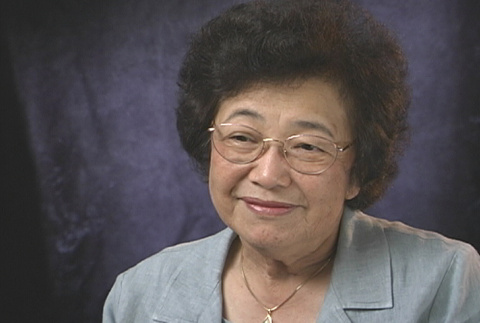
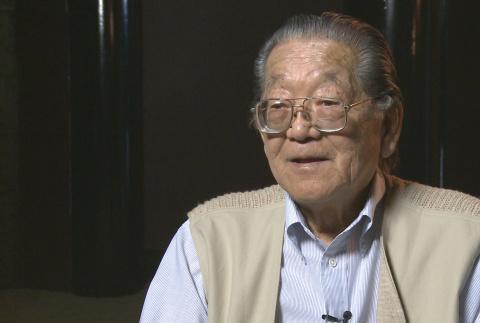
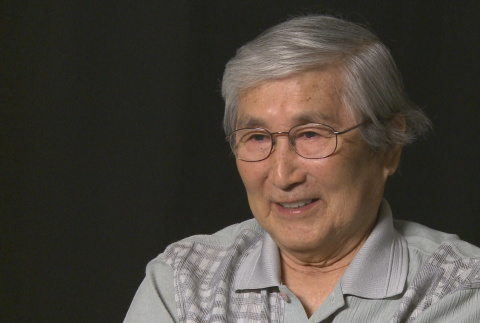
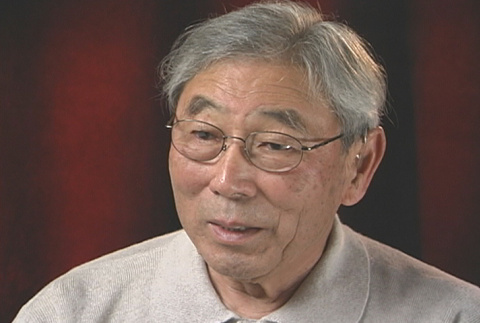
From 1943 to 1946, over 20,000 Japanese Americans applied to leave the United States for Japan in a process called "repatriation" (for Issei as non-citizens) or "expatriation" (for Nisei as citizens). Some Issei considered repatriation preferable to remaining in a country that had long discriminated against them. For Nisei, who had rarely been to Japan, expatriation meant renouncing their U.S. citizenship. Some were pressured to do so by family members or extremists; others were bitter about their mistreatment by the government. In total, only 4,724 ended up leaving for Japan directly from the camps and many eventually returned to the U.S. Nearly all Nisei who wanted to were able to regain their citizenship, although the process was long and difficult.

World War II (283)
Resistance and dissidence (97)
Expatriation/repatriation/deportation (253)

Related articles from the Densho Encyclopedia :
Joe Kurihara
Facilities
Format
Genre
Usage

Use <Ctrl> or (⌘) keys to select multiple terms

253 items
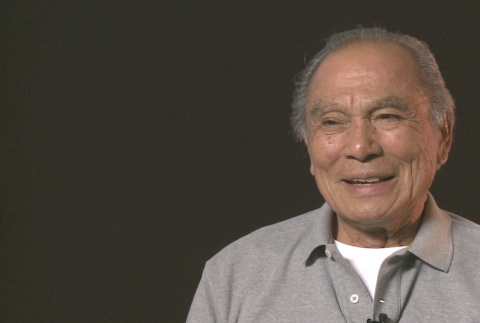
Tom Akashi Interview Segment 45 (ddr-densho-1000-164-45)
vh Tom Akashi Interview Segment 45 (ddr-densho-1000-164-45)
Working for the Saga Prefecture military government, encouraged by boss to return to the United States
Tom Akashi Interview Segment 24 (ddr-densho-1000-164-24)
vh Tom Akashi Interview Segment 24 (ddr-densho-1000-164-24)
Feeling shocked upon hearing of family's decision to go to Japan; labeled a "disloyal" by peers
Tom Akashi Interview Segment 36 (ddr-densho-1000-164-36)
vh Tom Akashi Interview Segment 36 (ddr-densho-1000-164-36)
Personal feelings after father's arrest: angry, but "kind of proud"
Tom Akashi Interview Segment 41 (ddr-densho-1000-164-41)
vh Tom Akashi Interview Segment 41 (ddr-densho-1000-164-41)
Preparing for life in Japan: learning the language, feeling worried
Tom Akashi Interview Segment 42 (ddr-densho-1000-164-42)
vh Tom Akashi Interview Segment 42 (ddr-densho-1000-164-42)
Arrival in Japan: confronted with poverty and despair: "it was a dismal, dismal situation"
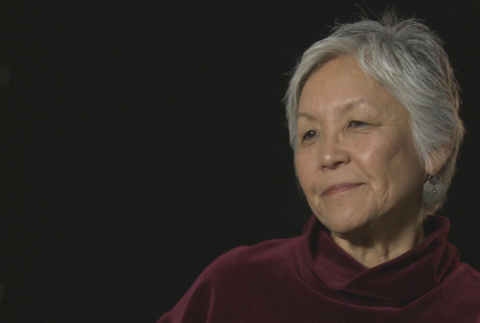
Marion Tsutakawa Kanemoto Interview Segment 30 (ddr-densho-1000-148-30)
vh Marion Tsutakawa Kanemoto Interview Segment 30 (ddr-densho-1000-148-30)
Leaving for Japan on the SS Gripsholm, part of the U.S. government-sponsored "exchange"
Marion Tsutakawa Kanemoto Interview Segment 31 (ddr-densho-1000-148-31)
vh Marion Tsutakawa Kanemoto Interview Segment 31 (ddr-densho-1000-148-31)
Stopping in Goa, India, to board the Japanese troop ship Teiya maru; memories of terrible food, Japanese language classes
Frank Sumida Interview Segment 33 (ddr-densho-1000-261-33)
vh Frank Sumida Interview Segment 33 (ddr-densho-1000-261-33)
First impressions of Japan

This material is based upon work assisted by a grant from the Department of the Interior, National Park Service. Any opinions, finding, and conclusions or recommendations expressed in this material are those of the author(s) and do not necessarily reflect the views of the Department of the Interior.
Arthur Ogami Interview Segment 32 (ddr-densho-1000-154-32)
vh Arthur Ogami Interview Segment 32 (ddr-densho-1000-154-32)
Disembarking in Japan: staying behind at the port to help unload baggage
Arthur Ogami Interview Segment 27 (ddr-densho-1000-154-27)
vh Arthur Ogami Interview Segment 27 (ddr-densho-1000-154-27)
Undergoing an interview prior to expatriation: questioned regarding possibly joining the Japanese Imperial Army
Yoji J. Matsushima Interview Segment 7 (ddr-one-7-54-7)
vh Yoji J. Matsushima Interview Segment 7 (ddr-one-7-54-7)
Parents' decision to repatriate to Japan; being left off the boat

This material is based upon work assisted by a grant from the Department of the Interior, National Park Service. Any opinions, finding, and conclusions or recommendations expressed in this material are those of the author(s) and do not necessarily reflect the views of the Department …

Hiroshi Kashiwagi Interview Segment 5 (ddr-densho-1002-4-5)
vh Hiroshi Kashiwagi Interview Segment 5 (ddr-densho-1002-4-5)
Discussion of decision in camp to renounce U.S. citizenship, family's near-deportation to Japan

This interview was conducted by sisters Emiko and Chizuko Omori for their 1999 documentary, Rabbit in the Moon, about the Japanese American resisters of conscience in the World War II incarceration camps. As a result, the interviews in this collection are typically …

Satsuki Ina Segment 11 (ddr-densho-1000-474-11)
vh Satsuki Ina Segment 11 (ddr-densho-1000-474-11)
Parents disagree on whether to live in Japan after World War II
Richard E. Yamashiro Interview Segment 20 (ddr-densho-1000-333-20)
vh Richard E. Yamashiro Interview Segment 20 (ddr-densho-1000-333-20)
Arriving in Japan, witnessing the devastation

This material is based upon work assisted by a grant from the Department of the Interior, National Park Service. Any opinions, finding, and conclusions or recommendations expressed in this material are those of the author(s) and do not necessarily reflect the views of the Department of the Interior.
API