
Loni Ding Oral History and Film Research Collection ddr-densho-1007
1870 items
1870 items
av
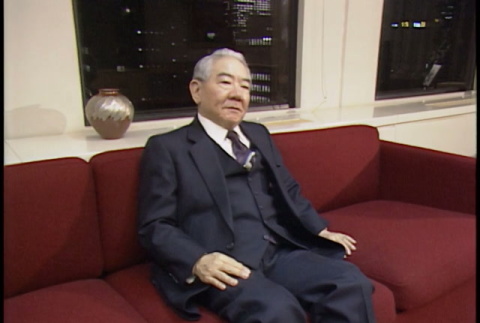
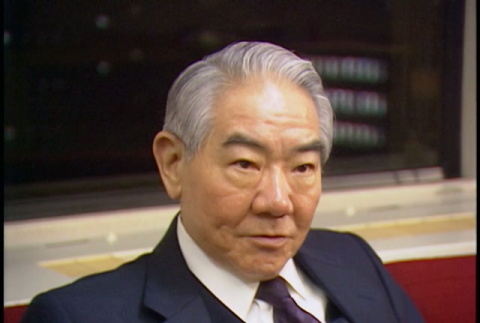
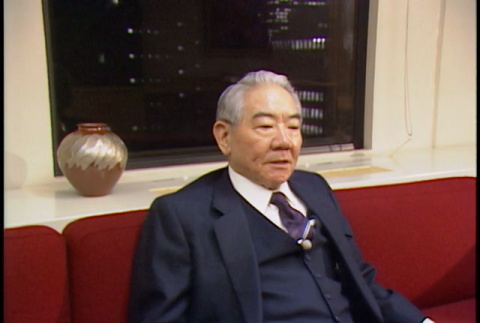
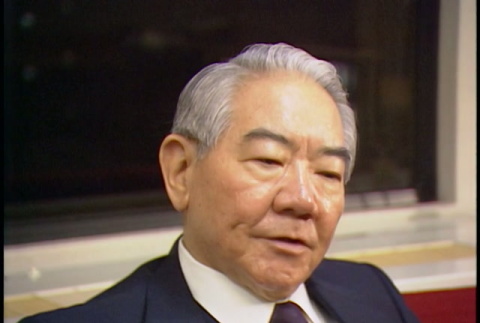
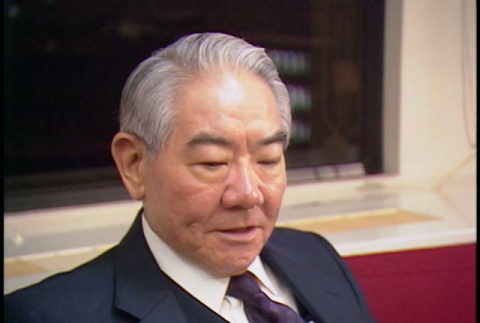
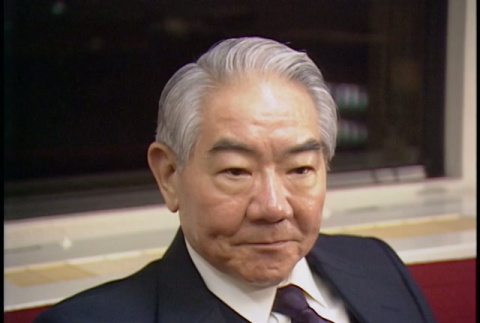
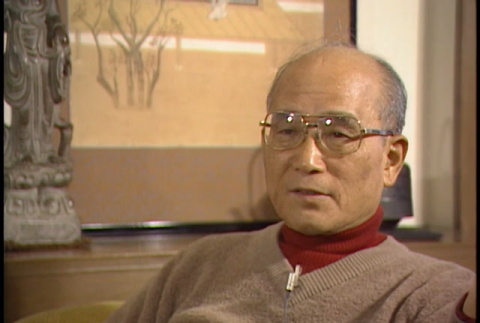
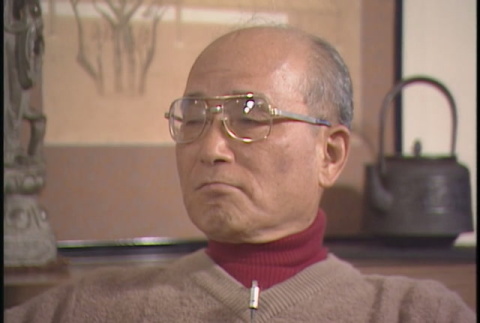
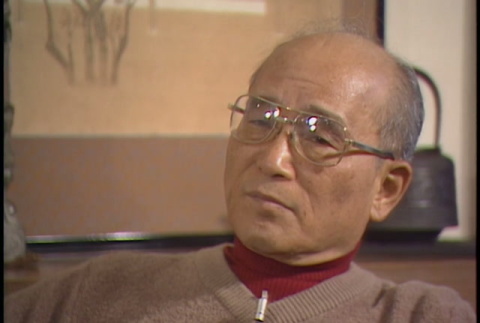
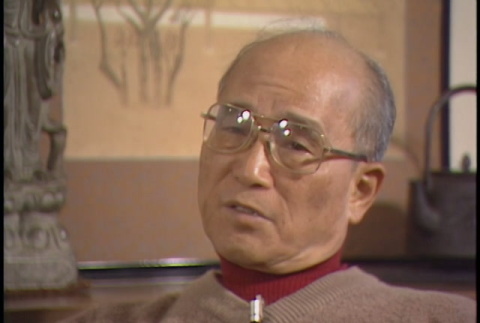
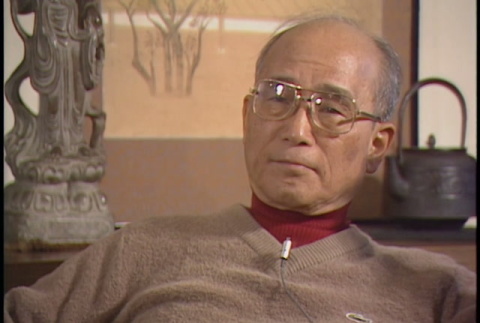
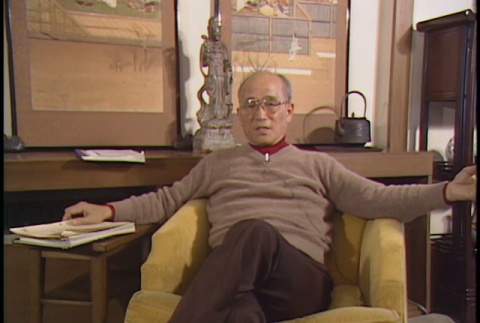
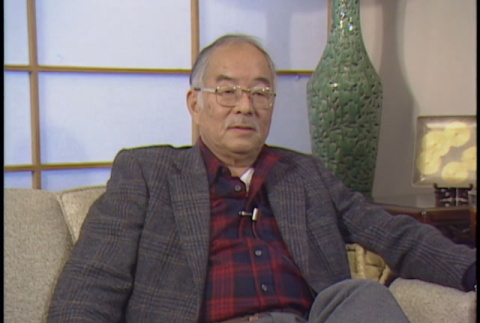
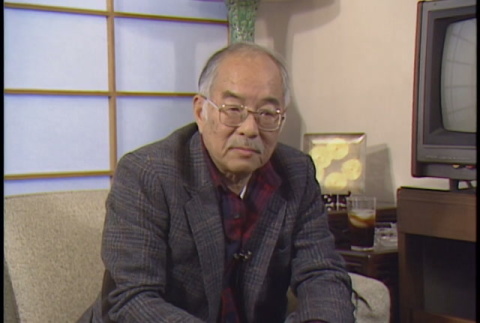
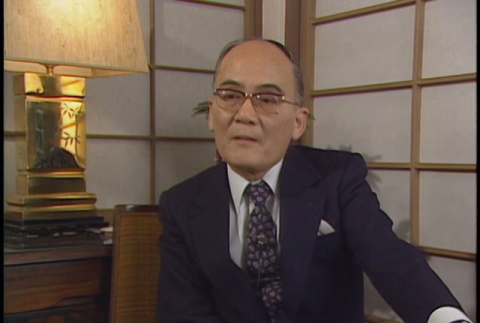
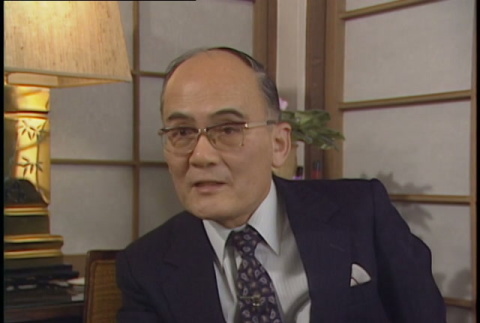
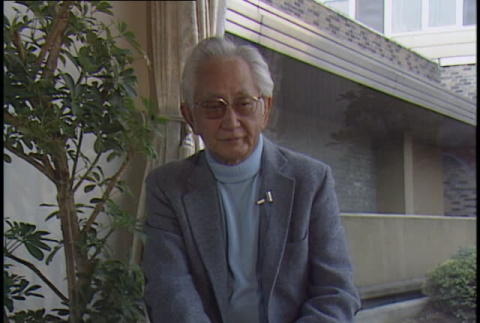
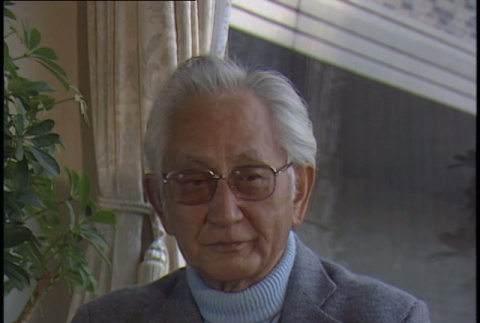
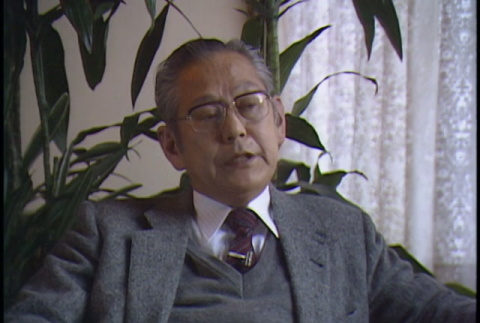
Interview with George Nakamura, part 1 of 5 (ddr-densho-1007-1679)
Nakamura discusses moving to Japan in 1955, growing up in Arroyo Grande, CA, evacuation, his time at Tulare and Gila River, volunteering for the military from camp, and camp attitudes toward volunteering. Loni Ding can be heard asking questions behind the camera. Original title: II JA #13, George Nakamura, Fri. Jan. 31. Interview continues at ddr.densho.org/ddr-densho-1007-1680/
av
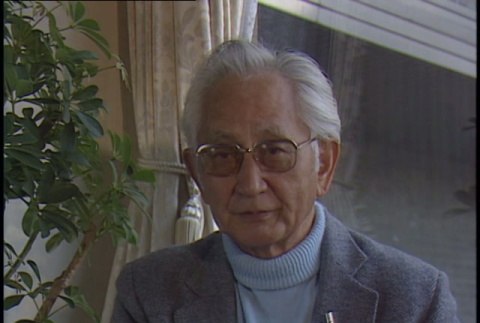
Interview with George Nakamura, part 1 of 5 (ddr-densho-1007-1680)
Nakamura discusses leaving camp for language school at Camp Savage, his experience in high school, his first encounter with racism in the South while at Camp Shelby, and his experience with racial discrimination as a child and young adult. Loni Ding can be heard asking questions in the background. Original title: 196, II JA #14, George …
av
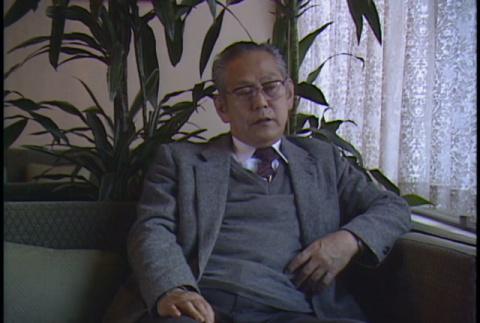
Interview with George Nakamura, part 2 of 5 (ddr-densho-1007-1681)
Nakamura discusses his deployment to Asia, his service in Chongqing, interrogating Japanese prisoners of war, and translating captured documents. Loni Ding can be heard asking questions in the background. Original title: 197, II JA #15, George Nakamura, Fri. Jan 31. Interview continues at ddr.densho.org/ddr-densho-1007-1682/
av
Interview with George Nakamura, part 3 of 5 (ddr-densho-1007-1682)
Nakamura discusses his service in China on the front lines, and meeting an American pilot who crash-landed in his area. He reads a letter he wrong during wartime. Loni Ding can be heard asking questions in the background. Original title: 198, II JA #16, George Nakamura, Fri. Jan. 31. Interview continues at ddr.densho.org/ddr-densho-1007-1683/
av
Interview with George Nakamura, part 4 of 5 (ddr-densho-1007-1683)
Nakamura discusses the relationship between the American military and the Chinese government, his impression of the Chinese military, and what he's told his children about incarceration and service. He also reads a letter written about his fellow Nisei Sho Numura, who had to have his appendix removed in China. Loni Ding can be heard asking questions …
av
Interview with George Nakamura, part 5 of 5 (ddr-densho-1007-1684)
Nakamura discusses helping his son write a paper on internment, the importance of the Pacific Citizen newspaper for his children, and racial discrimination in the US. At 10:45, George and Loni Ding look and talk through several of his old papers and letters. Loni Ding can be heard asking questions in the background.Original title: II JA …
av
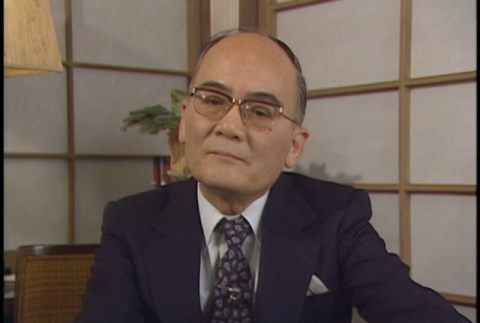
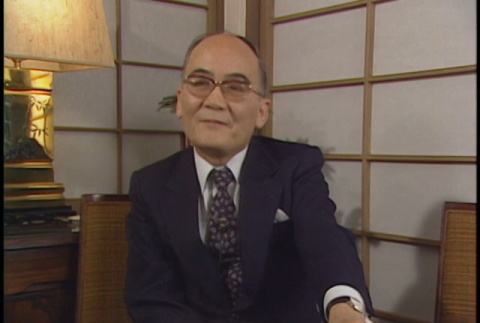
Interview with Ray Aka, part 1 of 6 (ddr-densho-1007-1685)
Aka discusses moving to Japan in 1946, growing up on Maui and in Okinawa, returning to the US as a teenager, being drafted, and his Japanese education. The first few minutes of the tape are Loni Ding explaining her interview process to Aka. Loni Ding can be heard asking questions during the interview. Original title: II …
av
Interview with Ray Aka, part 2 of 6 (ddr-densho-1007-1686)
Aka discusses being drafted in San Francisco, his reaction to Pearl Harbor (which happened two months after he was drafted), being relieved from duties after Pearl Harbor, his prospects as a Nisei growing up in Hawaii, his father's arrest in Hawaii and incarceration in mainland US. Loni Ding can be heard asking questions in the background. …
av
Interview with Ray Aka, part 3 of 6 (ddr-densho-1007-1687)
Aka discusses his father's reaction to being arrested, the sort of person his father was, growing up apart from his family, working as a "schoolboy", his time studying at San Francisco City College, getting drafted, being evacuated to Fort San Houston, and being ordered to go to Camp Savage for language school. Loni Ding can be …
av
Interview with Ray Aka, part 4 of 6 (ddr-densho-1007-1688)
Aka discusses his father's arrest and incarceration by the FBI, his time in language school, his time teaching in the military in Monterey, his service in occupied Japan after the war, and his first impressions of Tokyo. Loni Ding can be heard asking questions in the background. Original title: II JA #22, Ray Aka, Feb. 1, …
av
Interview with Ray Aka, part 5 of 6 (ddr-densho-1007-1689)
Aka discusses the role of Nisei in the occupation of Japan, his work with natural disaster aid in occupied Japan, and the nuances of translation work after the war. Loni Ding can be heard asking questions in the background. Original title: 200, II JA #23, Ray Aka, Feb. 1, 1986, has some distorted audio. Interview continues …
av
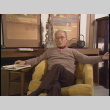
Interview with Ray Aka, part 6 of 6 (ddr-densho-1007-1690)
Aka discusses the new Japanese constitution drafted by the occupation forces, the war crimes trials in Japan, his father's death and funeral, and the diffrences between Nisei and Sansei. Loni Ding can be heard asking questions in the background. Original title: 201, II JA #24, Ray Aka, Feb. 1, 1986
av
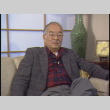
Interview with John Fujii, part 1 of 2 (ddr-densho-1007-1691)
Fujii, who was born and lives in Japan, discusses growing up in Livingston, CA, realizing he was Japanese as a child, going to college at Pomona, segregation in the schools he attended as a child, and his family's internment during the war. Loni Ding can be heard asking questions in the background. Original title: 202, II …
av
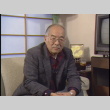
Interview with John Fujii, part 2 of 2 (ddr-densho-1007-1692)
Fujii discusses being suspected as a Japanese spy while working for a newspaper, serving Japan and being interned in India during the war, his sympathy for Japan during the war, his brother's service in the US army, and his brother's attitude toward Japan. Video starts at 0:25. Loni Ding can be heard asking questions in the …
av
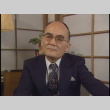
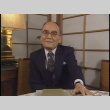
Interview with Kiyofumi Kojima, part 1 of 4 (ddr-densho-1007-1693)
Kojima served as a signal caller in the Japanese Imperial Navy on the battleship Yamato. Interview conducted in Japanese. Original title: 208, II JA #32, Kiyofumi Kojima, Feb. 1, 1986, 15A. Interview continues at ddr.densho.org/ddr-densho-1007-1694/
av
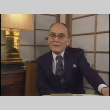
Interview with Kiyofumi Kojima, part 2 of 4 (ddr-densho-1007-1694)
Interview conducted in Japanese. Original title: 209, II JA #33, Kiyofumi Kojima, Feb. 1, 1986, 15B. Interview continues at ddr.densho.org/ddr-densho-1007-1695/
av
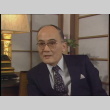
Interview with Kiyofumi Kojima, part 3 of 4 (ddr-densho-1007-1695)
Interview conducted in Japanese. Original title: 210, II JA #34, Kiyofumi Kojima, Feb. 1, 1986. Interview continues at ddr.densho.org/ddr-densho-1007-1696/
av
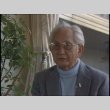
Interview with Kiyofumi Kojima, part 4 of 4 (ddr-densho-1007-1696)
Interview conducted in Japanese, ends at 11:05. Rest of tape is Kojima reading a poem he wrote while a prisoner of war in Hawaii. Original title: 211, II JA #35, Kiyofumi Kojima, Feb. 1, 1986
av
Interview with Harry Fukuhara, part 1 of 5 (ddr-densho-1007-1697)
Fukuhara discusses his service in the Pacific theater, working with ATIS, and his first landing. Loni Ding can be heard asking questions behind the camera. Last few seconds are an accidental recording from the Kiyofumi Kojima interview. Original title: 212, II JA #36, Harry Fukuhara, Sun. Feb. 2. Interview continues at ddr.densho.org/ddr-densho-1007-1698/
av
Interview with Harry Fukuhara, part 2 of 5 (ddr-densho-1007-1698)
Fukuhara discusses his service in the Pacific, being mistaken for a Japanese soldier, interviewing a gravely wounded prisoner of war, and POWs he interviewed just before their death. Loni Ding can be heard asking questions behind the camera. Original title: 213, II JA #37, Harry Fukuhara, Sun. Feb. 2. Interview continues at ddr.densho.org/ddr-densho-1007-1699/
av
Interview with Harry Fukuhara, part 3 of 5 (ddr-densho-1007-1699)
Fukuhara discusses how he approached interviewing prisoners of war, his relationship with Caucasian soldiers in the military, and the risk of being captured by the Japanese military. Video starts at 0:25. Loni Ding can be heard asking questions behind the camera. Original title: 214, II JA #38, Harry Fukuhara, Sun. Feb. 2. Interview continues at ddr.densho.org/ddr-densho-1007-1700/
av
Interview with Harry Fukuhara, part 4 of 5 (ddr-densho-1007-1700)
Fukuhara discusses the possibility of meeting his brother (who was in the Japanese army) on the battlefield, the mental struggles soldiers faced in Japan, and his thoughts on draft resisters. Loni Ding can be heard asking questions behind the camera. Original title: 215, II JA #39, Harry Fukuhara, Sun. Feb. 2. Interview continues at ddr.densho.org/ddr-densho-1007-1701/
av
Interview with Harry Fukuhara, part 5 of 5 (ddr-densho-1007-1701)
Fukuhara discusses the role of Nisei in the occupation, the Japanese reaction to occupation, the difficulties of occupation, and the occupation in Okinawa. Loni Ding can be heard asking questions behind the camera. Original title: 216, II JA #40, Harry Fukuhara, Sun. Feb. 2
av
Interview with Barry Saiki, part 1 of 5 (ddr-densho-1007-1702)
Saiki discusses growing up in Stockton, CA, attending UC Berkeley, Pearl Harbor, the start of evacuation and negative press about Nisei during that time, graduating from Berkeley in 1942, entering Stockton Assembly Center, and the arrest and incarceration of his father. Loni Ding can be heard asking questions behind the camera. Original title: II JA #41, …
av
Interview with Barry Saiki, part 2 of 5 (ddr-densho-1007-1703)
Saiki discusses his mother's reaction to his father's arrest and imprisonment, his time at Stockton Assembly Center, the attitudes of incarcerees at Stockton, the difficulty Nisei faced trying to find jobs at the time, and being relocated to the Rohwer camp. Loni Ding can be heard asking questions behind the camera. Original title: II JA #42, …