
Draft resistance
In 1944 the government reinstated the draft for Japanese Americans after suspending it in 1942 and began drafting men directly from the camps. This action angered many. At Heart Mountain concentration camp, Wyoming, resistance took the form of an organized movement calling itself the Fair Play Committee. Members demanded that their rights as citizens be restored before enlisting in the military. Eventually, sixty-three men from Heart Mountain refused induction and were sentenced to prison terms for draft evasion. In the other camps, disparate individuals made the decision to resist the draft. After being unfairly incarcerated for almost two years, they saw the draft as the final injustice. Ultimately, 267 men from all the concentration camps were convicted of evading the draft and most served time in prison. President Truman pardoned all of the resisters in 1947.
World War II
(283)
Resistance and dissidence
(97)
Draft resistance
(393)
Related articles from the
Densho Encyclopedia :
Draft resistance,
Frank Emi,
Gordon Hirabayashi,
No-No Boy (book)
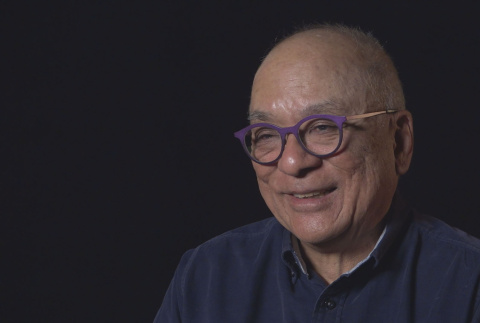
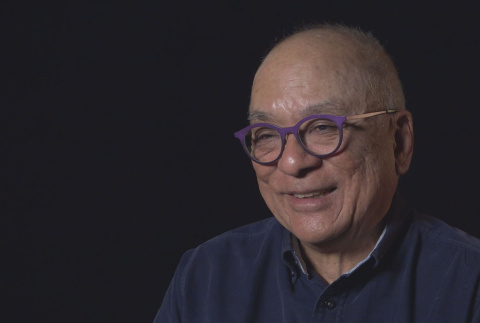
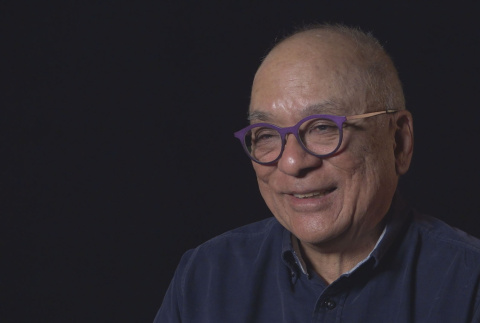
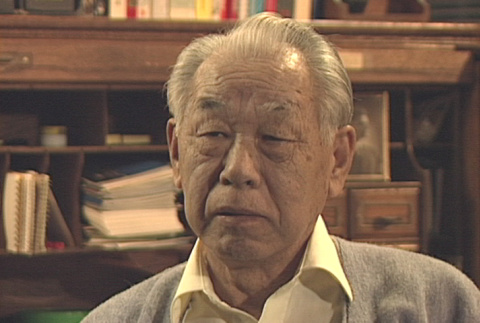
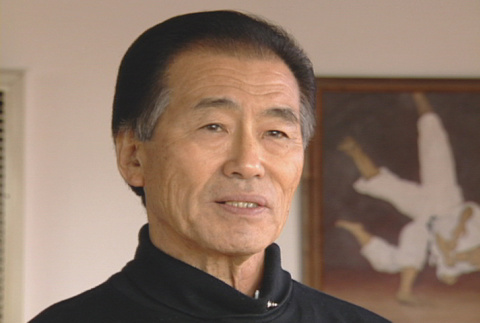
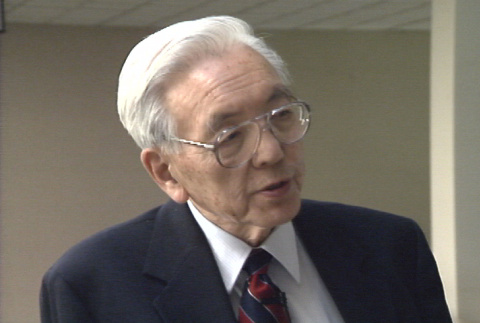
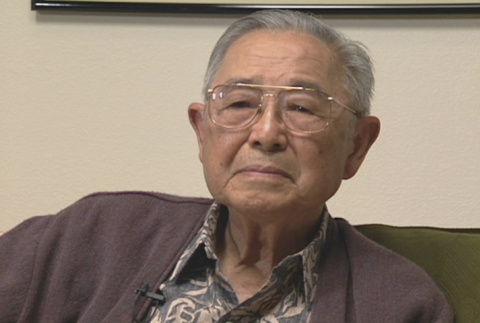



This interview was conducted by filmmaker Frank Abe for his 2000 documentary, Conscience and the Constitution, about the World War II resisters of conscience at the Heart Mountain incarceration camp. As a result, the interviews in this collection are typically not …
This interview was conducted by filmmaker Frank Abe for his 2000 documentary, Conscience and the Constitution, about the World War II resisters of conscience at the Heart Mountain incarceration camp. As a result, the interviews in this collection …
This interview was conducted by filmmaker Frank Abe for his 2000 documentary, Conscience and the Constitution, about the World War II resisters of conscience at the Heart Mountain incarceration camp. As a result, the interviews in this collection are typically not …
This interview was conducted by filmmaker Frank Abe for his 2000 documentary, Conscience and the Constitution, about the World War II resisters of conscience at the Heart Mountain incarceration camp. As a result, the interviews in this collection are typically not life histories, instead primarily focusing …
This interview was conducted by filmmaker Frank Abe for his 2000 documentary, Conscience and the Constitution, about the World War II resisters of conscience at the Heart Mountain incarceration camp. As a result, the interviews in this collection are typically not life histories, instead primarily focusing on issues …

This interview was conducted by filmmaker Frank Abe for his 2000 documentary, Conscience and the Constitution, about the World War II resisters of conscience at the Heart Mountain incarceration camp. As a result, the interviews in this collection are typically not life histories, …
This interview was conducted by filmmaker Frank Abe for his 2000 documentary, Conscience and the Constitution, about the World War II resisters of conscience at the Heart Mountain incarceration camp. As a result, the interviews in this collection are typically not life histories, instead primarily focusing on …
This interview was conducted by filmmaker Frank Abe for his 2000 documentary, Conscience and the Constitution, about the World War II resisters of conscience at the Heart Mountain incarceration camp. As a result, the interviews in this collection are typically not life histories, instead primarily focusing on issues surrounding …
This interview was conducted by filmmaker Frank Abe for his 2000 documentary, Conscience and the Constitution, about the World War II resisters of conscience at the Heart Mountain incarceration camp. As a result, the interviews in this collection are typically not …
This interview was conducted by filmmaker Frank Abe for his 2000 documentary, Conscience and the Constitution, about the World War II resisters of conscience at the Heart Mountain incarceration camp. As a result, the interviews in this collection are typically not life histories, instead …
This interview was conducted by filmmaker Frank Abe for his 2000 documentary, Conscience and the Constitution, about the World War II resisters of conscience at the Heart Mountain incarceration camp. As a result, the interviews in this collection are typically not life histories, instead …
This interview was conducted by filmmaker Frank Abe for his 2000 documentary, Conscience and the Constitution, about the World War II resisters of conscience at the Heart Mountain incarceration camp. As a result, the interviews in this collection are typically not life histories, instead primarily …
This interview was conducted by filmmaker Frank Abe for his 2000 documentary, Conscience and the Constitution, about the World War II resisters of conscience at the Heart Mountain incarceration camp. As a result, the interviews in this collection are typically not life histories, instead primarily focusing …
This interview was conducted by filmmaker Frank Abe for his 2000 documentary, Conscience and the Constitution, about the World War II resisters of conscience at the Heart Mountain incarceration camp. As a result, the interviews in this collection are typically not …