Military Intelligence Service
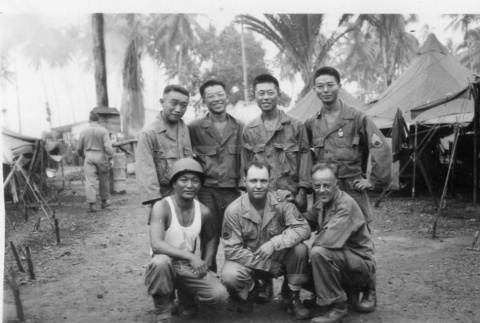
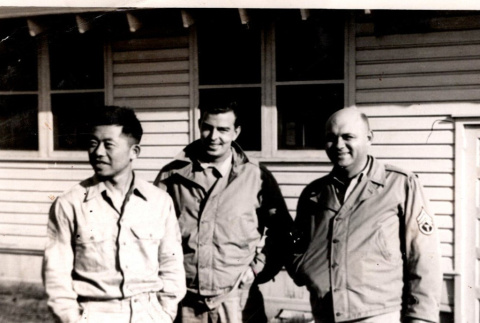
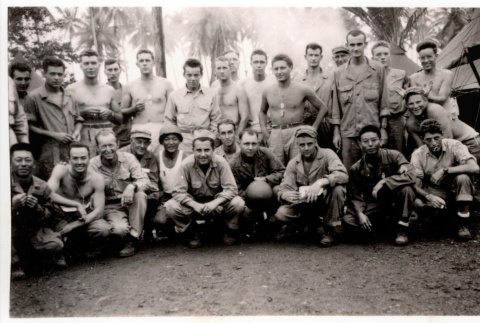
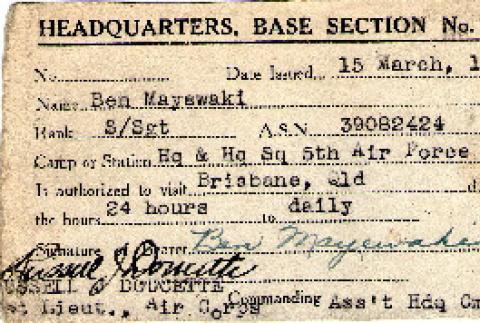
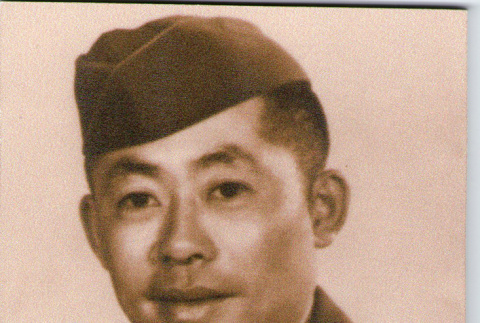
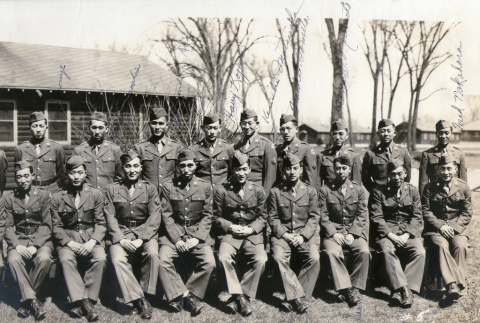
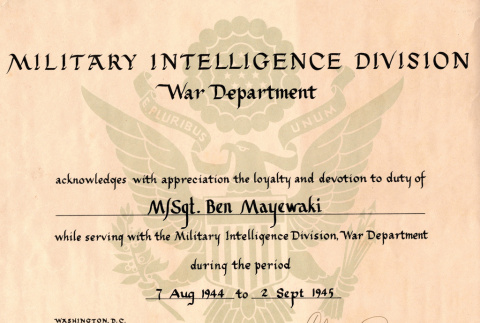
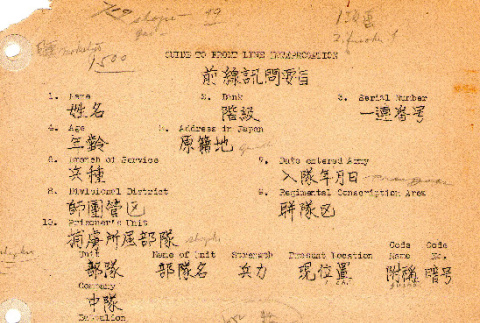
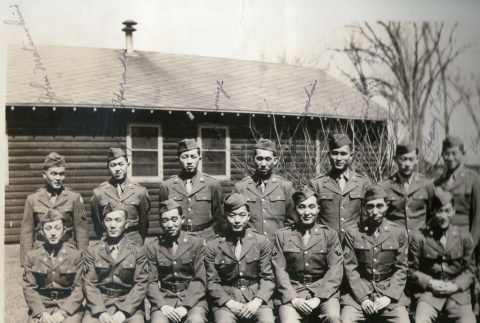
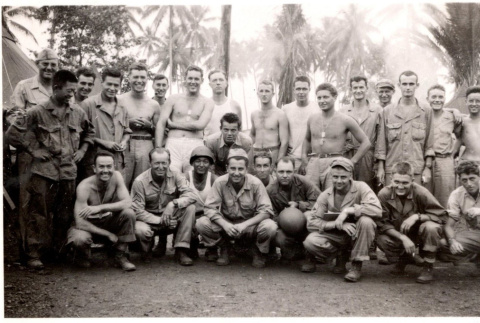
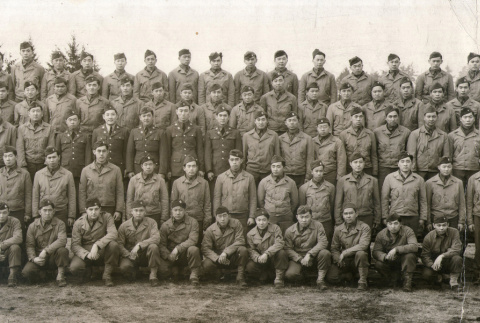
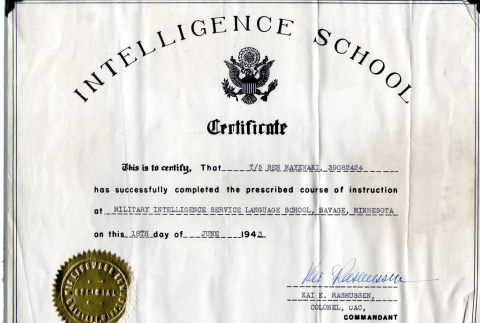
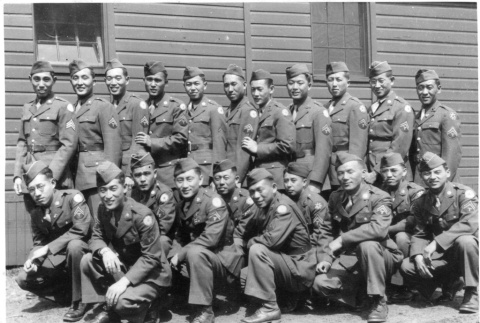
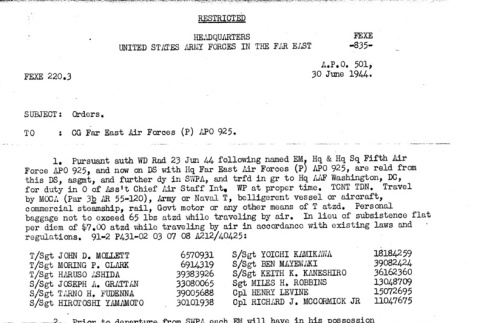
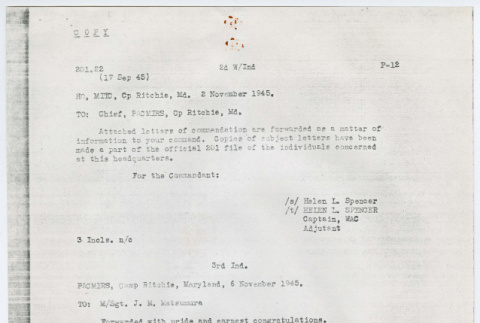
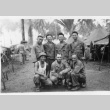
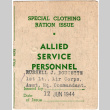
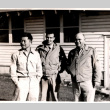
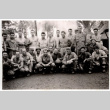
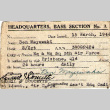
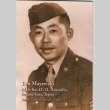
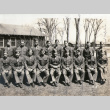
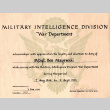
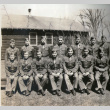
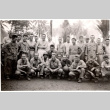
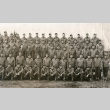
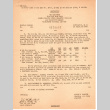
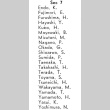
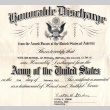
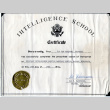
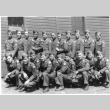
The first Japanese Americans to serve in the military during World War II were linguists involved in the Military Intelligence Service Language School (MISLS). The MISLS was charged with training soldiers in the Japanese language for intelligence purposes. Japanese Americans served as both instructors and students at the school, which opened on November 1, 1941. The Language School began recruiting instructors and later students directly from concentration camps as early as July 1942. MISLS graduates were assigned in small teams to units fighting in the Pacific and to intelligence centers throughout the Allied command. They translated captured documents, interrogated prisoners of war, wrote propaganda, encouraged Japanese soldiers and civilians to surrender, and monitored radio broadcasts. After the war, they acted as interpreters at the war crime trials and for the occupation government in Japan.
World War II
(283)
Military service
(4309)
Military Intelligence Service
(1389)
Related articles from the
Densho Encyclopedia :
John Aiso,
Fort Snelling,
Masaji Marumoto,
Jack Matsuoka,
Military Intelligence Service,
Military Intelligence Service Language School,
Walter Tsukamoto,
Karl Yoneda