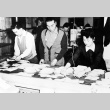
Work and jobs
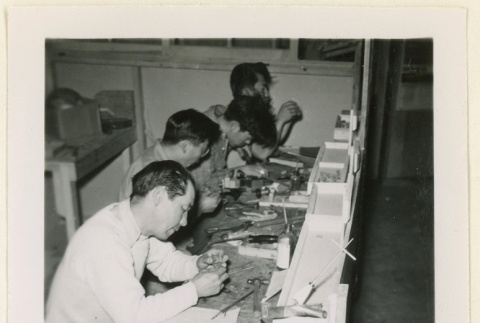
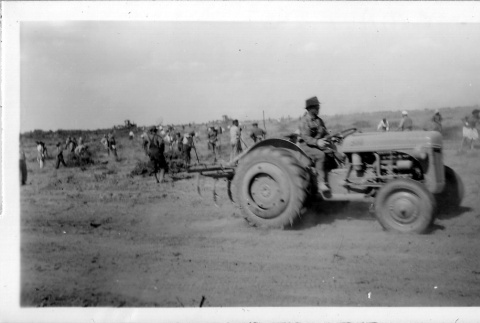
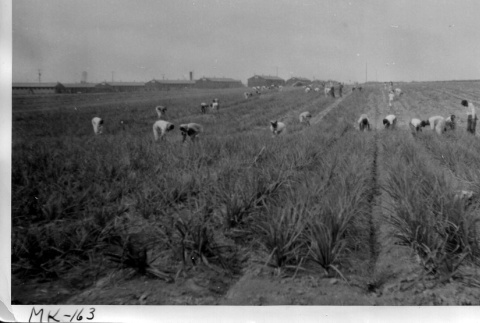
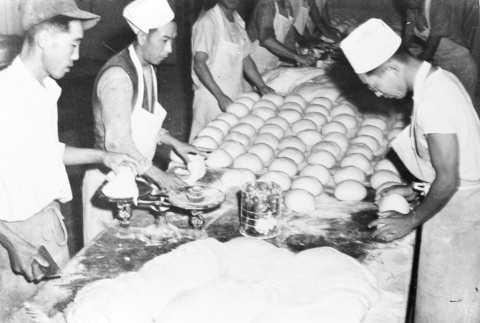
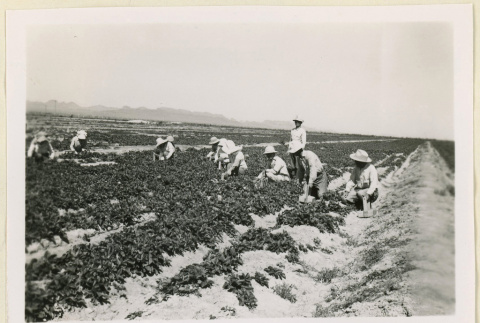
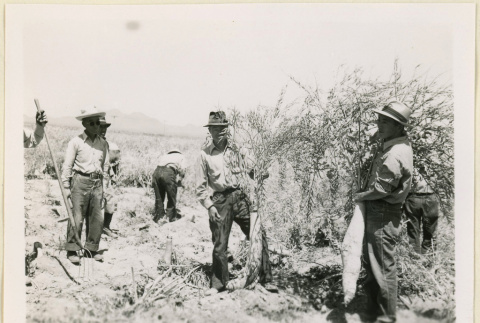
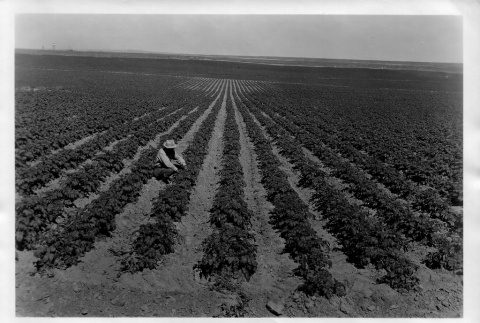
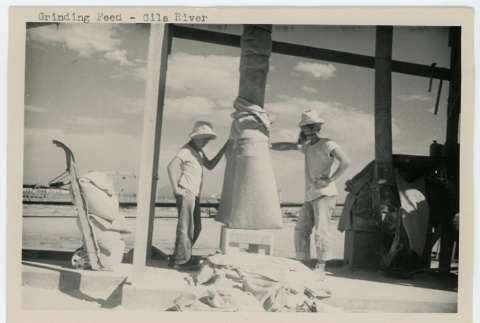
Both Issei and Nisei took jobs within the camps, at wages set not to exceed soldiers' pay: $12 per month for unskilled labor, $16 for skilled labor, and $19 for professional employees. WRA staff was paid much more for the same jobs. Though public opinion mandated such low pay, dissatisfied Japanese Americans objected to losing their right to make a decent living. They had to use their sparse income for necessities, such as warm clothing and shoes.
World War II
(283)
Concentration camps
(2384)
Work and jobs
(1553)
Related articles from the
Densho Encyclopedia :
Amache Silk Screen Shop
1553 items
1553 items
img
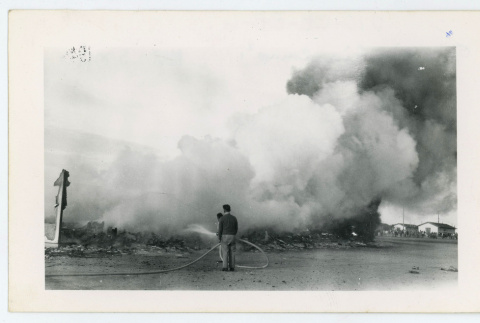
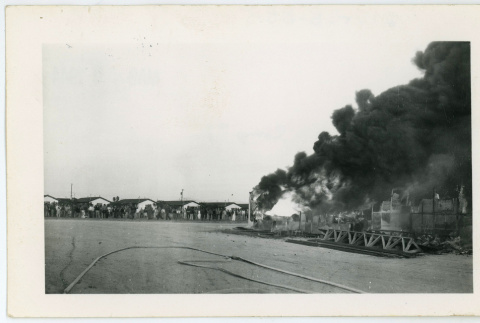
Firefighters at Gila River (ddr-densho-37-2142)
Written on back: Gila River Fire - Camp #1, Mar-5 1944.
img
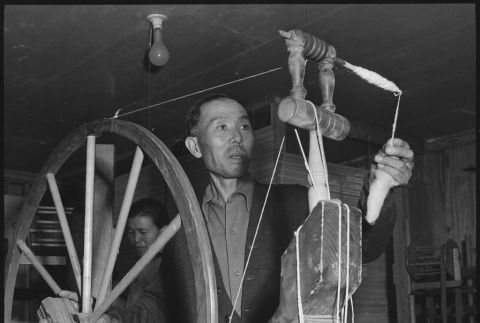
Japanese American spinning thread (ddr-densho-37-529)
Original WRA caption: Rohwer Relocation Center, McGehee, Arkansas. There is provision for weaving and spinning at Rohwer Relocation Center. This man has grown his own cotton on a little plot by his barrack. Here he is spinning it into thread preparatory to weaving it.
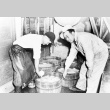
img
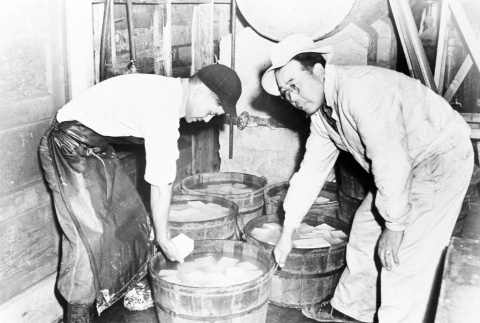
Japanese Americans making tofu (ddr-densho-37-155)
Original WRA caption: The precipitate is put into forms and pressed. Later it is cut into smaller cakes and kept in water as shown. Tofu is a kind of "bean curd" considered essential to the Japanese diet. Other pictures in this group show the various processes in the manufacture of this product. To preserve it is …
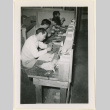
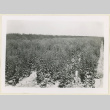
img
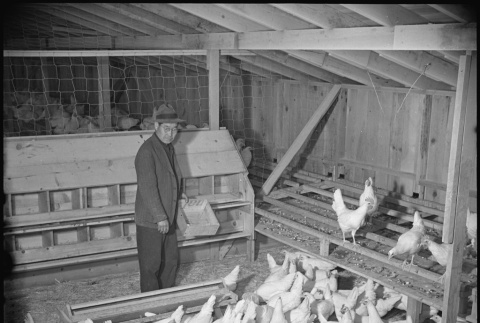
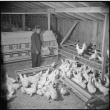
Poultry farm (ddr-densho-37-180)
Original WRA caption: M. Nakamura, poultry caretaker, and former farmer of Sacramento, California, feeds four months old chickens. It is anticipated, that the chickens grown here, will furnish the residents of the project with all the eggs and chicken meat which will be consumed. These chickens were raised from baby chicks.
img
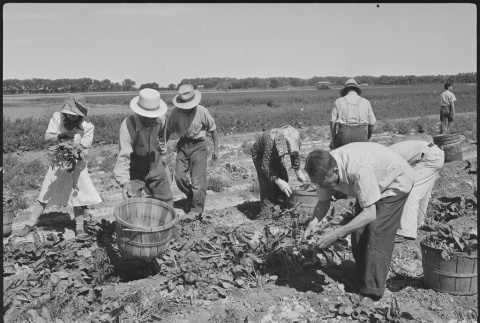
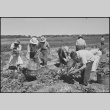
Japanese Americans harvesting spinach (ddr-densho-37-779)
Original WRA caption: Granada Relocation Center, Amache, Colorado. Harvesting the first spinach from the project farm.
img
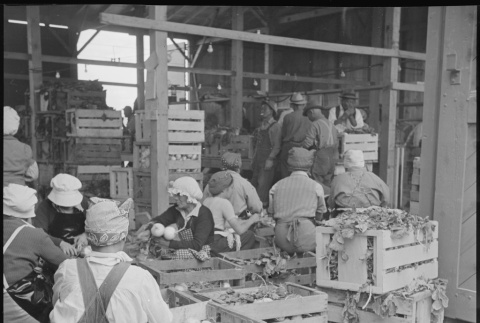
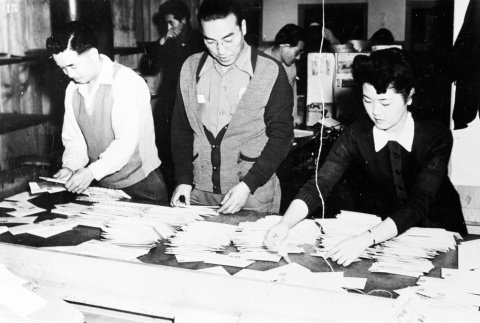
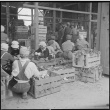
Japanese Americans sorting turnips (ddr-densho-37-315)
Original WRA caption: Tule Lake Relocation Center, Newell, California. Evacuee workers in the packing shed, sorting and packing turnips which have been grown on the farm near this relocation center.
img
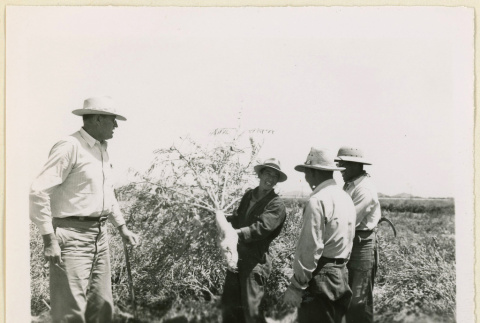
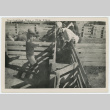
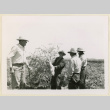
Man holds a daikon radish (ddr-densho-37-1392)
Included annotation: F-504, Daikon Seed Ranch (Harvesting).
img
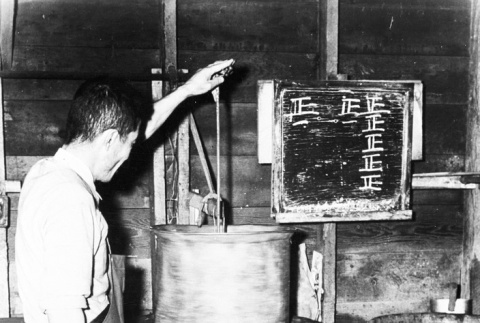
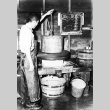
Japanese Americans making tofu (ddr-densho-37-153)
Original WRA caption: Note: The markings on the blackboard, upper right, show the Japanese way of counting in fives to show number of buckets of beans processed. The bucket on the lower right contains soy beans which are soaked over night and then poured into this centrifugal "masher" which revolves at comparatively high speed. The white, …
img
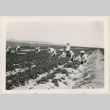
Japanese Americans harvesting onions (ddr-densho-37-714)
Original WRA caption: High school boys and girls pull onions on the project farm during harvest vacation.
img
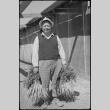
Japanese American farmer (ddr-densho-37-378)
Original WRA caption: Tule Lake Relocation Center, Newell, California. Project farmer with carrots.
img
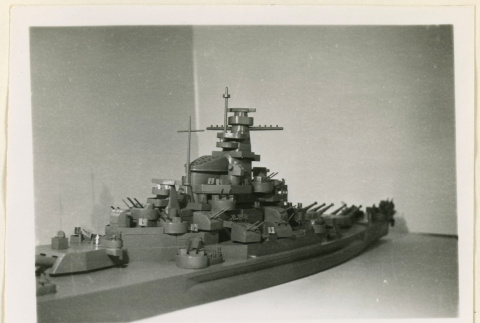
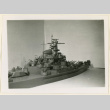
South Dakota ship model stern (ddr-densho-37-1368)
Included annotation: X-306, completed South Dakota, View From Stern.
img
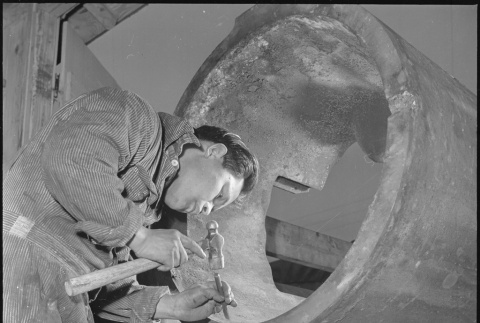
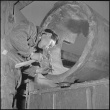
Japanese American plumber (ddr-densho-37-540)
Original WRA caption: Rohwer Relocation Center, McGehee, Arkansas. Morio Higashi, a former California plumber, marks out a steel casting for welding. The maintenance of center plumbing, electrical and water supply facilities are carried on by qualified workers selected from center residents, former west coast persons of Japanese ancestry.
img
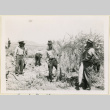
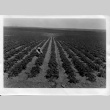
Japanese American in a field (ddr-densho-37-730)
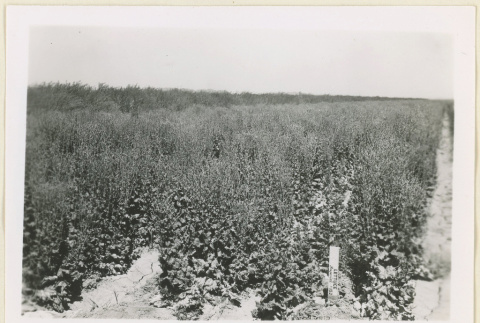
Original WRA caption: Mr. Kamaya examining plants, soy bean field.
img
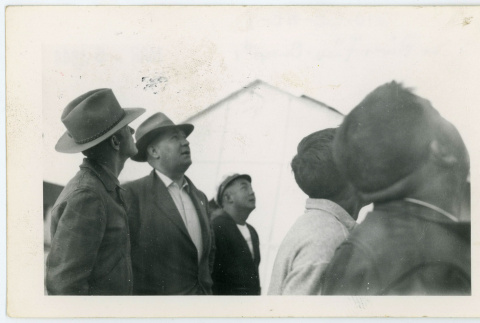
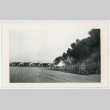
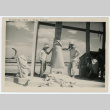
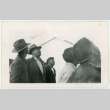
Bystanders at a Gila River fire (ddr-densho-37-2144)
Written on back: Gila River Fire - Camp #1, Mar-5 1944.
img
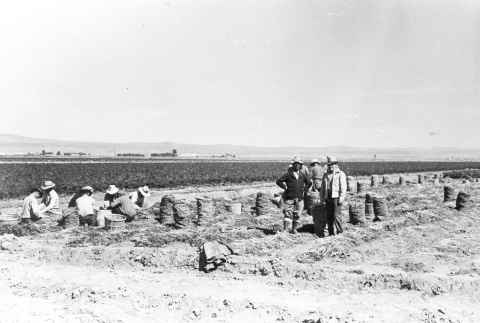
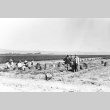
Carrot field (ddr-densho-37-138)
Original WRA caption: Katsugoro Kawase's carrot field at Tule Lake Farm 1944 which ran approximately twenty-two (22) tons to an acre.