Living conditions

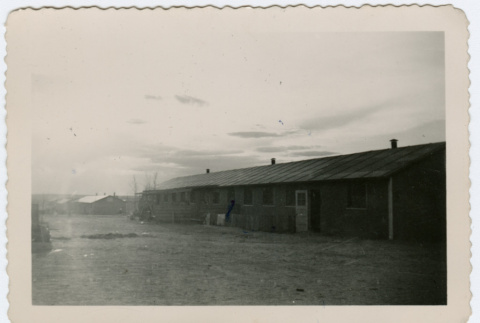
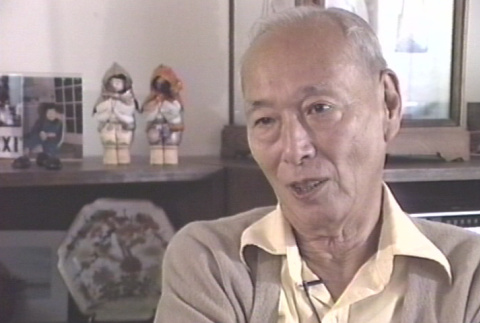
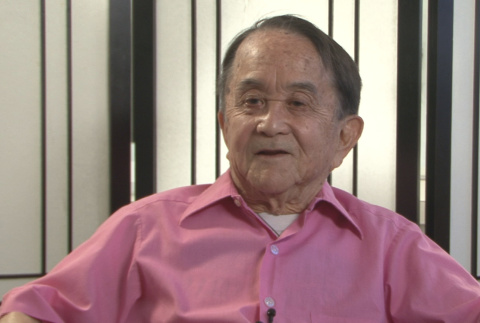
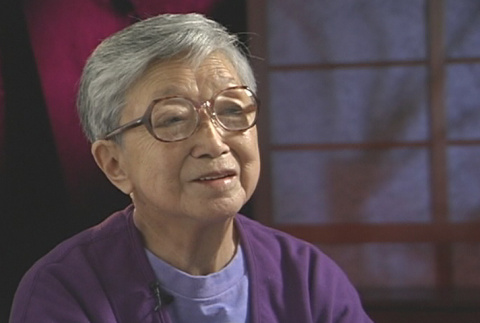
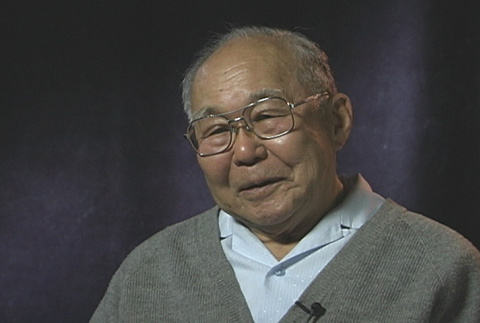
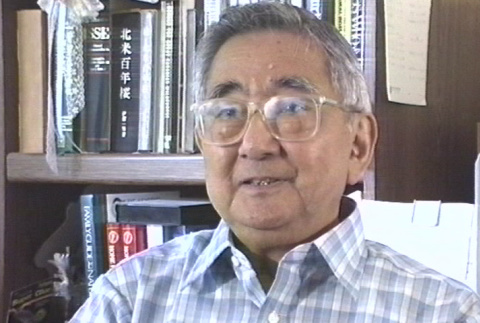
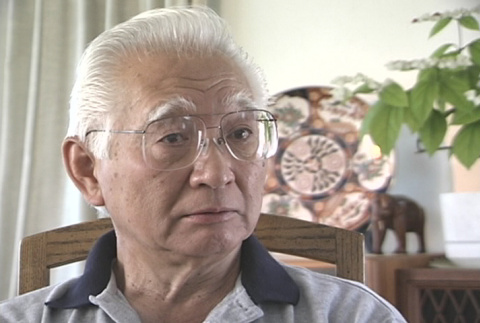
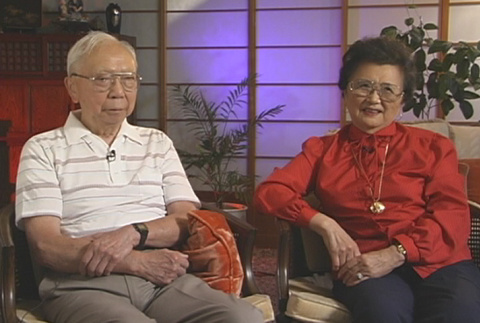
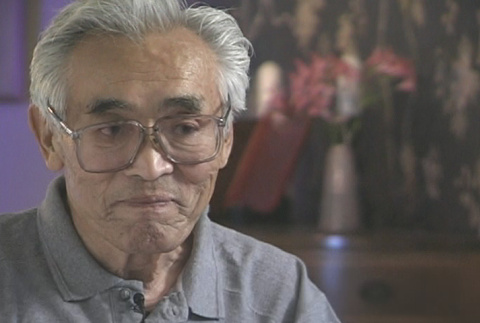
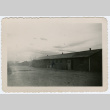
All of the camps were constructed according to the War Department's specifications, which included barbed-wire fences, guard towers, and armed guards around the perimeter. The camps were organized in "blocks" consisting of twelve to fourteen barracks, a mess hall, communal showers and toilets, laundry facilities, and a recreation hall. Each barracks was divided into four or six rooms with each room housing one family, no matter how large, and there was no running water. The furnishings that Japanese Americans found on their arrival were canvas cots, a potbellied stove, and a single bare light bulb. The thin walls offered little protection from the harsh weather, which ranged from 110 degrees in the summer to 25 degrees below zero on winter nights. The flimsy construction allowed no privacy and made normal family life difficult. Camp inmates improved their own living conditions by creating interior walls and partitions, constructing furniture from scrap lumber, and planting gardens.

World War II (277)
Concentration camps (1771)
Living conditions (1870)

Related articles from the Densho Encyclopedia :
Arts and crafts in camp, Community analysts, Manzanar Children's Village
Facilities
Format
Genre
Usage

Use <Ctrl> or (⌘) keys to select multiple terms

1870 items
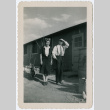
Two adults (ddr-densho-356-58)
img Two adults (ddr-densho-356-58)
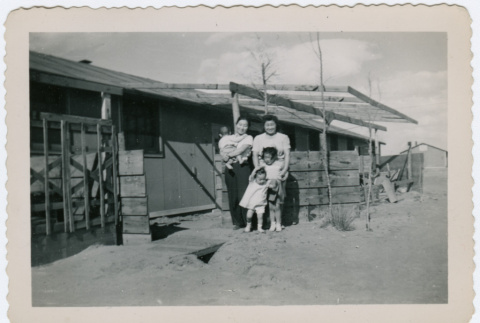
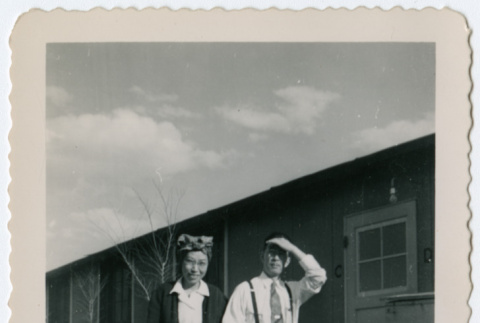
Photograph of two adults outside a barracks.
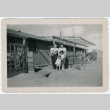
Family photo (ddr-densho-356-64)
img Family photo (ddr-densho-356-64)
Photograph of a family of five (two adult women and three children) outside a barrack.
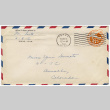
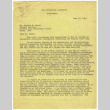
Letter to Yuri Domoto from Margaret Saito (ddr-densho-356-340)
doc Letter to Yuri Domoto from Margaret Saito (ddr-densho-356-340)
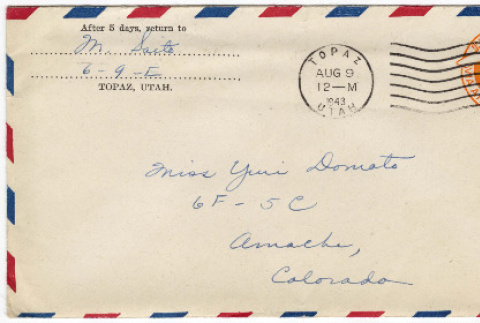
Letter to Yuriko Domoto Tsukada from Margaret Saito in which Margaret details her time in Tule Lake, her reason for transferring to Topaz and her desire to relocate to Philadelphia. Margaret also provides details about several mutual friends and her family, and asks about Yuri's. Item tied together with all objects between ddr-densho-356-321 and ddr-densho-356-413.
Letter from D.S. Myer to Charles Ernst answering questions regarding Crystal City (ddr-densho-356-980)
doc Letter from D.S. Myer to Charles Ernst answering questions regarding Crystal City (ddr-densho-356-980)
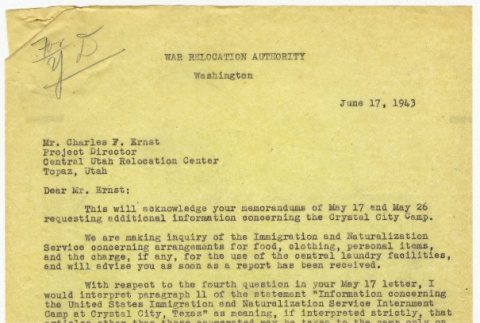
Letter from WRA Director D.S. Myer to Central Utah Relocation Center Director Charles F. Ernst responding to a series of memos requesting information about Crystal City Camp. Myer directs further questions to the officer in charge at Crystal City, advises that internees who transfer to Crystal City should not expect to be granted permanent leave until …
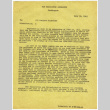
Memo to Project Directors from Leland Burrows (ddr-densho-356-981)
doc Memo to Project Directors from Leland Burrows (ddr-densho-356-981)
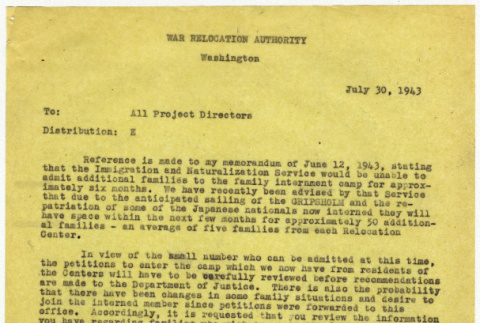
Memo from Leland Burrows, Acting Director to all Project Directors. The memo advises all camps that about 50 families will be approved for family reunification and transfer to Crystal City in the following months. Burrows details requests to camps to review and vet any possible families applying for reunification, what requirements they need to meet, and …
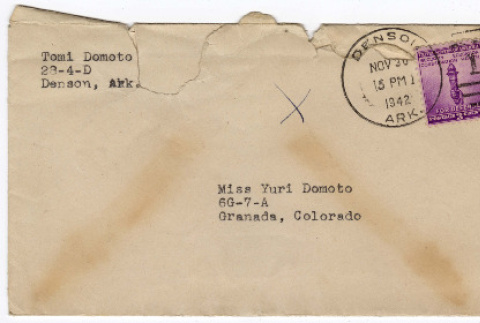
Letter to Yuri Domoto from Tomi Domoto (ddr-densho-356-300)
doc Letter to Yuri Domoto from Tomi Domoto (ddr-densho-356-300)
Letter to Yuriko Domoto Tsukada from her cousin Tomi Domoto in which discusses the first month at Jerome and general news about mutual friends. Item tied together with all objects between ddr-densho-356-277 and ddr-densho-356-320.
Louise Kashino Segment 15 (ddr-densho-1000-31-15)
vh Louise Kashino Segment 15 (ddr-densho-1000-31-15)
Minidoka concentration camp: adapting to conditions

For the first hour of this interview, an additional camera crew from KCTS Television was also present.
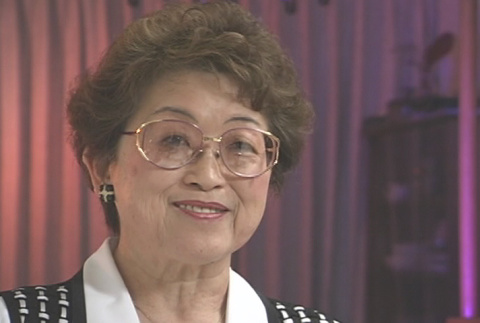
Nancy Kyoko Oda Segment 4 (ddr-densho-1000-463-4)
vh Nancy Kyoko Oda Segment 4 (ddr-densho-1000-463-4)
Older sisters traumatized by difficult living conditions in camp
Akio Hoshino Segment 9 (ddr-densho-1000-26-9)
vh Akio Hoshino Segment 9 (ddr-densho-1000-26-9)
Minidoka concentration camp: social life, work, impact of incarceration on families
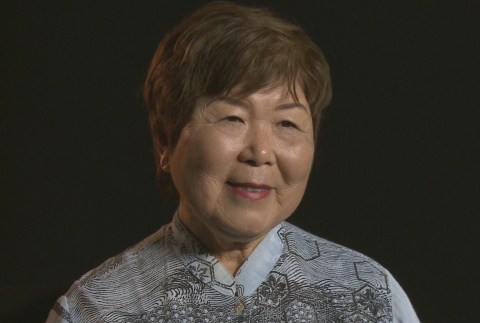
Kazumi Yoneyama Interview Segment 10 (ddr-densho-1000-412-10)
vh Kazumi Yoneyama Interview Segment 10 (ddr-densho-1000-412-10)
Coping with difficult living conditions in camp: fainting from the heat
Yukiko Miyake Segment 28 (ddr-densho-1000-49-28)
vh Yukiko Miyake Segment 28 (ddr-densho-1000-49-28)
More gossip at Minidoka concentration camp, marital affairs
Art Abe Interview Segment 21 (ddr-densho-1000-206-21)
vh Art Abe Interview Segment 21 (ddr-densho-1000-206-21)
Father perishes in the desert outside of Minidoka concentration camp
Jim Akutsu Segment 25 (ddr-densho-1000-2-25)
vh Jim Akutsu Segment 25 (ddr-densho-1000-2-25)
A growing anger over conditions in camp plants seeds of resistance

Interview was conducted over two days because of delays caused by technical difficulties.
Gene Akutsu Segment 11 (ddr-densho-1000-1-11)
vh Gene Akutsu Segment 11 (ddr-densho-1000-1-11)
Minidoka concentration camp: armed MPs, housing and camp layout; finishing school, drafted for military service, and mail censoring
Masao Watanabe Segment 17 (ddr-densho-1000-103-17)
vh Masao Watanabe Segment 17 (ddr-densho-1000-103-17)
Reaction upon moving to Minidoka: "they were treating us like dogs"

At the time this interview was taped, Mr. Watanabe was recovering from a recent series of cancer treatments.
Tomio Moriguchi Interview I Segment 7 (ddr-densho-1000-59-7)
vh Tomio Moriguchi Interview I Segment 7 (ddr-densho-1000-59-7)
Mother copes with raising several children in camp, including newborns
API