
Work and jobs
Both Issei and Nisei took jobs within the camps, at wages set not to exceed soldiers' pay: $12 per month for unskilled labor, $16 for skilled labor, and $19 for professional employees. WRA staff was paid much more for the same jobs. Though public opinion mandated such low pay, dissatisfied Japanese Americans objected to losing their right to make a decent living. They had to use their sparse income for necessities, such as warm clothing and shoes.
World War II
(283)
Concentration camps
(2384)
Work and jobs
(1550)
Related articles from the
Densho Encyclopedia :
Amache Silk Screen Shop
1550 items
1550 items
doc
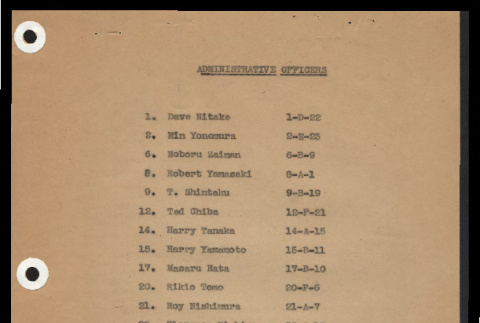
Heart Mountain administrative officers (ddr-csujad-55-265)
List of administrative officers at Heart Mountain incarceration camp. See this object in the California State Universities Japanese American Digitization project site: sac_jaac_0267
doc
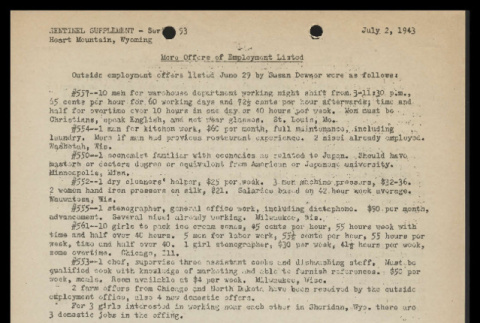
Sentinel supplement, series 93 (July 2, 1943) (ddr-csujad-55-1071)
News bulletin for incarcerees covering announcements, events, programs, policies, recreational activities, and jobs at Heart Mountain incarceration camp. Current issue includes information on employment, railroad jobs, improper use of official stationary, training courses, victory gardens, tax exemptions, camp recreation, and sports. See this object in the California State Universities Japanese American Digitization project site: sac_jaac_1073
doc
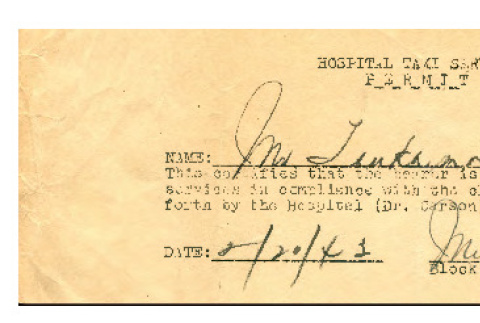
Hospital taxi service permit (ddr-csujad-55-1289)
Permit to provide hospital taxi services, belonging to M. Tsukamoto. See this object in the California State Universities Japanese American Digitization project site: sac_jaac_1291
doc
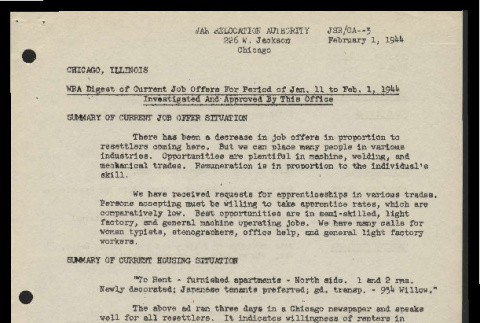
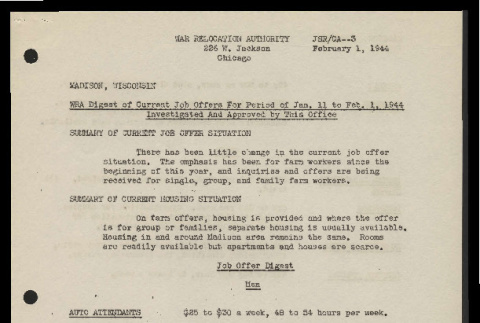
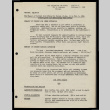
WRA digest of current job offers for period of Jan. 11 to Feb. 1, 1944, Chicago, Illinois (ddr-csujad-55-813)
Report on job vacancies for "resettlers" in the Chicago area. Includes summary of jobs and housing and a list of job titles and pay for males and females. See this object in the California State Universities Japanese American Digitization project site: sac_jaac_0815
img
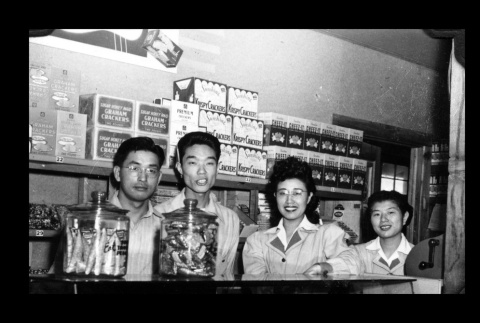
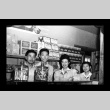
M. Sugihara, H. Uyeda, and N. Kawashima at the canteen, Amache Co-op (ddr-csujad-55-1555)
Black and white photograph of M. Sugihara, H. Uyeda, N. Kawashima and an incarceree at the Amache Consumer Enterprises canteen at Amache incarceration camp. From the Amache Co-op Souvenir Album, page 23. See also sac_jaac_1530 through sac_jaac_1589. See this object in the California State Universities Japanese American Digitization project site: sac_jaac_1557
img
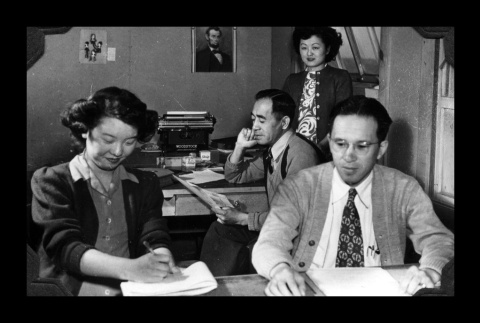
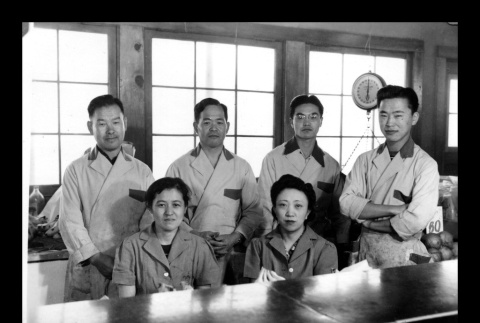
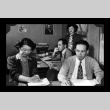
Office staff members, Amache Co-op (ddr-csujad-55-1543)
Black and white photograph of four staff members in the Amache Consumer Enterprises office at Amache incarceration camp. From Amache Co-op Souvenir Album, page 18. See also sac_jaac_1530 through sac_jaac_1589. See this object in the California State Universities Japanese American Digitization project site: sac_jaac_1545
img
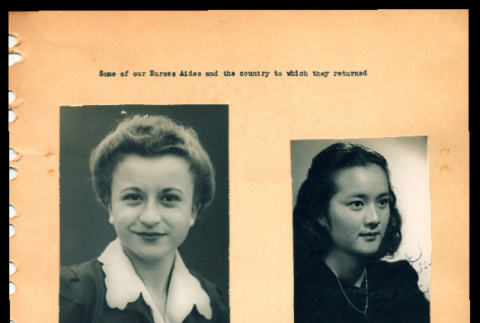
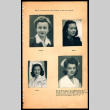
Some of our nurses aides and the country to which they returned (ddr-csujad-55-1403)
Black and white portrait photographs of four nurses aides listing which country or state they returned to after leaving the Crystal City Department of Justice Internment Camp. Title from capiton. From Mary F. Clark scrapbook, "Before I Forget, 1942-1947," page 64. See also sac_jaac_1334 through sac_jaac_1529. See this object in the California State Universities Japanese American …
img
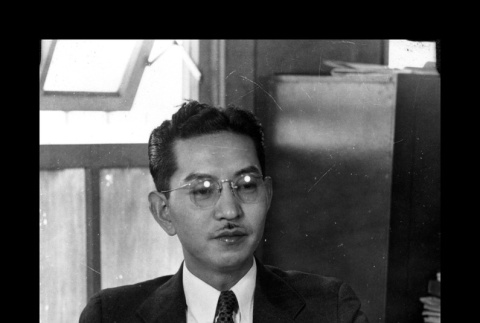
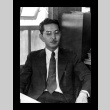
E. Tsuno, Personnel Manager, Amache Co-op (ddr-csujad-55-1536)
Black and white photographic portrait of E. Tsuno, Personnel Manager of Amache Consumer Enterprises at the Amache incarceration camp. From Amache Co-op Souvenir Album, page 5. See also sac_jaac_1530 through sac_jaac_1589. See this object in the California State Universities Japanese American Digitization project site: sac_jaac_1538
doc
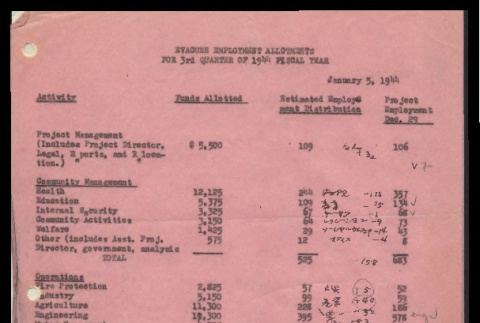
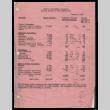
Evacuee employment allotments for 3rd Quarter of 1944 fiscal year (ddr-csujad-55-507)
List of camp divisions and activities, funds allotted, estimated employment distribution, and project employment for the 3rd quarter of the 1944 fiscal year. See this object in the California State Universities Japanese American Digitization project site: sac_jaac_0509
doc
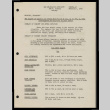
WRA digest of current job offers for period of Jan. 11 to Feb. 1, 1944, Madison, Wisconsin (ddr-csujad-55-818)
Report on job vacancies for "resettlers" in Madison, Wisconsin. Includes summary of jobs and housing and a list of job titles and pay for males and females. See this object in the California State Universities Japanese American Digitization project site: sac_jaac_0820
doc
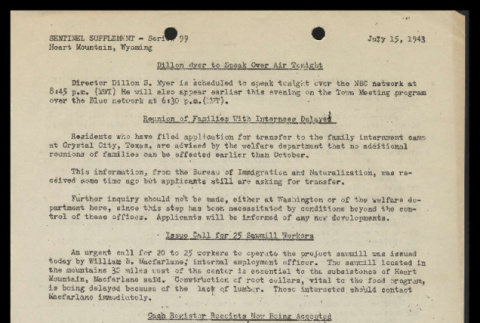
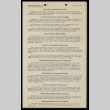
Sentinel supplement, series 99 (July 15, 1943) (ddr-csujad-55-1077)
News bulletin for incarcerees covering announcements, events, programs, policies, recreational activities, and jobs at Heart Mountain incarceration camp. Current issue includes information on family reunions, sawmill jobs, nurses aide classes, Heart Mountain charter, employment opportunities, summer playground schedule, a death announcement, report on Chicago street fight, and sports announcements. Includes section in Japanese. See this object …
doc
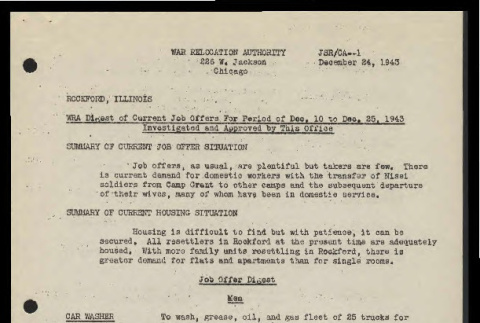
WRA digest of current job offers for period of Dec. 10 to Dec. 25, 1943, Rockford, Illinois (ddr-csujad-55-801)
Report on job vacancies for "resettlers" in Rockford, Illinois. Includes summary of jobs and housing and a list of job titles and pay for males and females. See this object in the California State Universities Japanese American Digitization project site: sac_jaac_0803
doc
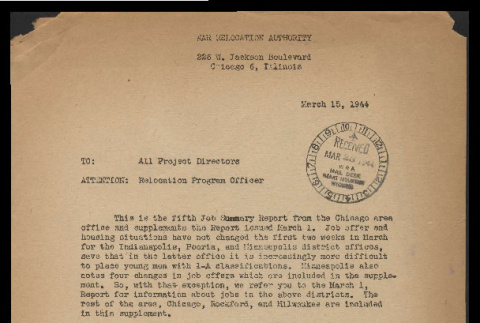
Memo from Vernon R. Kennedy, Relocation Supervisor, War Relocation Authority to all project directors, March 15, 1944 (ddr-csujad-55-980)
Memorandum of understanding from Vernon Kennedy to All Project Directors regarding employment opportunities and the Job Summary report from the Chicago area. See this object in the California State Universities Japanese American Digitization project site: sac_jaac_0982
img
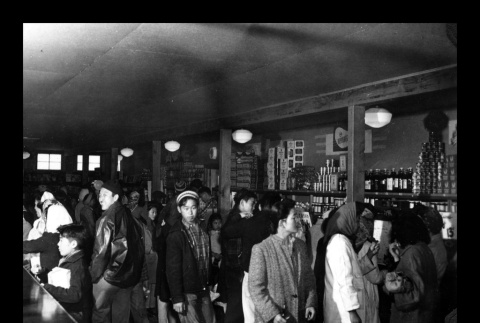
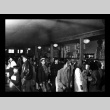
Canteen, Amache Co-op (ddr-csujad-55-1574)
Black and white candid photograph depicting a crowd of incarcerees in the Canteen at Amache incarceration camp. From the Amache Co-op Souvenir Album, page 33. See also sac_jaac_1530. See this object in the California State Universities Japanese American Digitization project site: sac_jaac_1576
doc
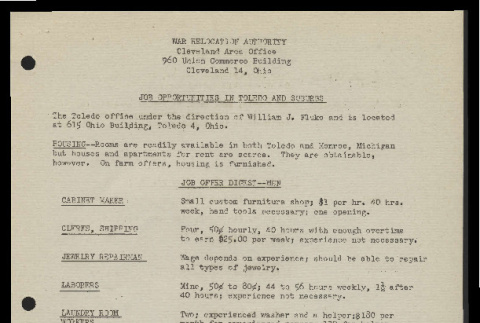
Job opportunities in Toledo and suburbs (ddr-csujad-55-826)
Report on job vacancies and opportunities for "resettlers" in Toledo Ohio. Includes summary of jobs, housing, and a list of job titles and pay for males and females. See this object in the California State Universities Japanese American Digitization project site: sac_jaac_0828
doc
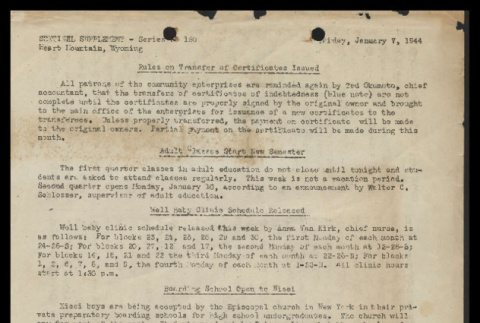
Sentinel supplement, series 160 (January 7, 1944) (ddr-csujad-55-1098)
News bulletin for incarcerees covering announcements, events, programs, policies, recreational activities, and jobs at Heart Mountain incarceration camp. Current issue includes information on certificate transfer, classes, Well Baby clinic schedule, boarding school, and job offers. Includes text in Japanese. See this object in the California State Universities Japanese American Digitization project site: sac_jaac_1100
img
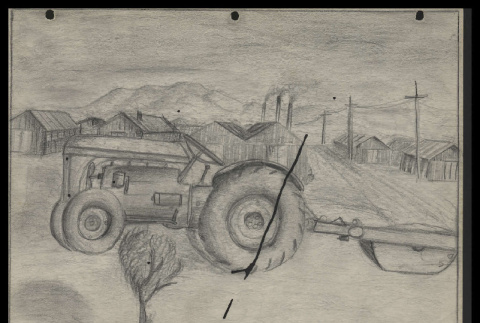
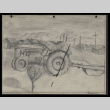
Pencil drawing of tractor and barracks in Poston (ddr-csujad-55-1895)
Pencil drawing depicting a tractor in front of barracks at Poston incarceration camp. See this object in the California State Universities Japanese American Digitization project site: sac_jaac_1898
doc
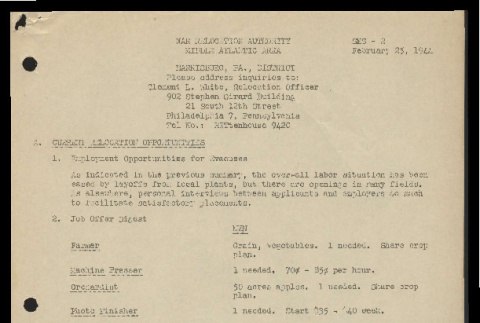
Current relocation opportunities; Current housing situation, Harrisburg, PA. District (ddr-csujad-55-824)
Report on job vacancies and opportunities for "resettlers" in Harrisburg, Pennsylvania. Includes summary of jobs, housing, and a list of job titles and pay for males and females. See this object in the California State Universities Japanese American Digitization project site: sac_jaac_0826
doc
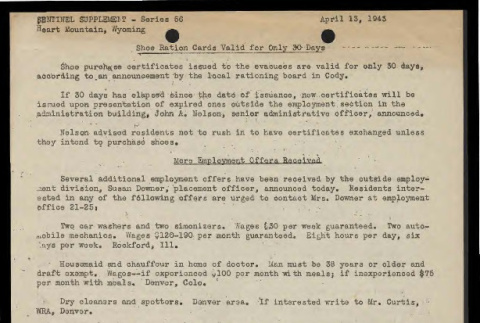
Sentinel supplement, series 56 (April 13, 1943) (ddr-csujad-55-1045)
News bulletin for incarcerees covering announcements, events, programs, policies, recreational activities, and jobs at Heart Mountain incarceration camp. Current issue includes information on rations, employment, unemployment compensation, a speech by the YMCA Secretary, classical music concert, boxing schedule, and sports. See this object in the California State Universities Japanese American Digitization project site: sac_jaac_1047
img
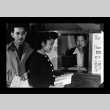
Henry Tsuno and Helen Akahoshi in the cashier office, Amache Co-op (ddr-csujad-55-1551)
Black and white photograph of Henry Tsuno and a Helen Akahoshi in the cashier office at Amache Consumer Enterprises, Amache incarceration camp. From the Amache Co-op Souvenir Album, page 21. See also sac_jaac_1530 through sac_jaac_1589. See this object in the California State Universities Japanese American Digitization project site: sac_jaac_1553
doc
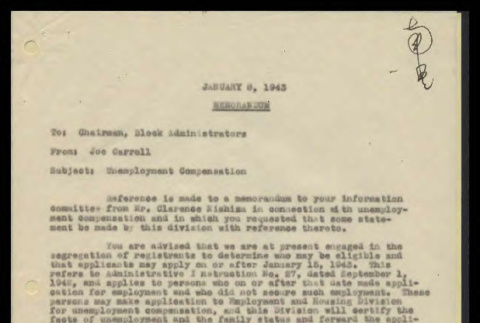
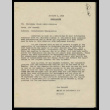
Memo from Joe Carroll, Chief of Employment and Housing, Heart Mountain, to Chairman, block administrators, January 8, 1943 (ddr-csujad-55-397)
Memorandum of understanding from Joe Carroll to Chairman, Block Administrators regarding unemployment compensation. See this object in the California State Universities Japanese American Digitization project site: sac_jaac_0399
doc
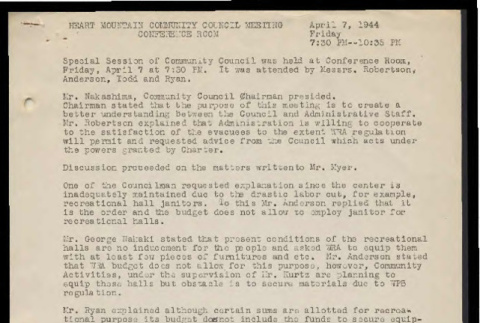
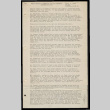
Minutes from the Heart Mountain Community Council meeting, special session, April 7, 1944 (ddr-csujad-55-549)
Minutes from the Heart Mountain Community Council meeting. Includes discussion on recreation, unemployment, and "trial relocation leave." See this object in the California State Universities Japanese American Digitization project site: sac_jaac_0551
img
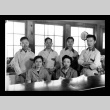
Mr. and Mrs. Nabeshima and H. Dairiki in the canteen, Amache Co-op (ddr-csujad-55-1557)
Black and white photograph of Mr. and Mrs. Nabeshima, H. Dairiki, and two incarcerees at the Amache Consumer Enterprises canteen at Amache incarceration camp. From the Amache Co-op Souvenir Album, page 23. See also see also sac_jaac_1530 through sac_jaac_1589. See this object in the California State Universities Japanese American Digitization project site: sac_jaac_1559
img
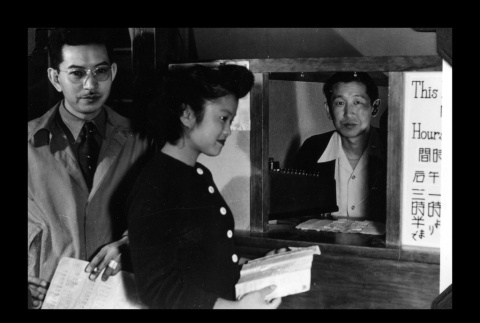
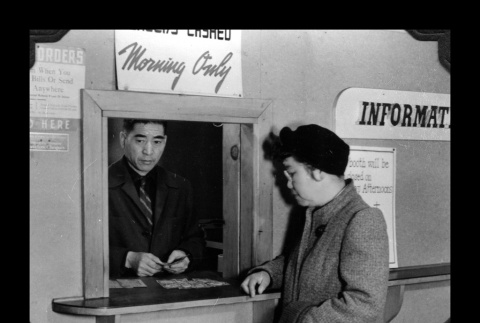
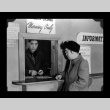
Kazuo Nikaido and incarceree at the cashier window, Amache Co-op (ddr-csujad-55-1550)
Black and white photograph of Kazuo Kikaido and a female internee at the cashier window at Amache Consumer Enterprises, Amache incarceration camp. From the Amache Co-op Souvenir Album, page 21. See also sac_jaac_1530 through sac_jaac_1589. See this object in the California State Universities Japanese American Digitization project site: sac_jaac_1552
img
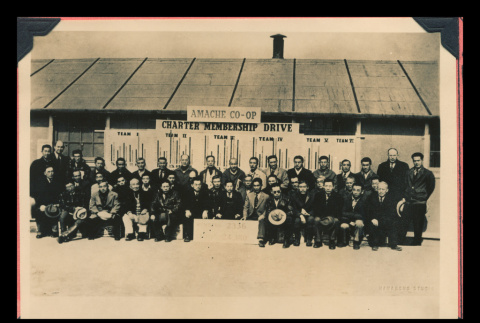
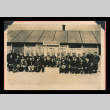
Membership Drive Committee, Amache Co-op (ddr-csujad-55-1538)
Sepia-toned photographic portrait of a group at the charter membership drive at Amache Consumer Enterprises at Amache incarceration camp. From Amache Co-op Souvenir Album, page 6. See also sac_jaac_1530 through sac_jaac_1589. See this object in the California State Universities Japanese American Digitization project site: sac_jaac_1540