Religion

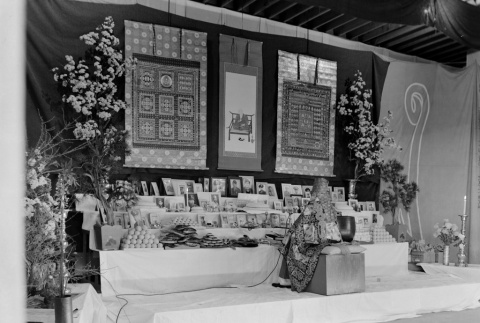
Japanese Americans used religion as one way to handle the stress of the incarceration experience. Church served as both a spiritual comfort and a place for community gatherings. On Sundays, Buddhist and Christian services and Sunday schools were held in the recreation halls. State Shintoism was another popular religion within the Japanese American community but was banned by the U.S. government on the grounds that it included "Emperor worship." Church services initially were given in both Japanese and English, but camp authorities later banned the use of Japanese at all group gatherings (although translation into Japanese was later permitted at some religious services).

World War II (283)
Concentration camps (2078)
Religion (282)

Related articles from the Densho Encyclopedia :
Paul M. Nagano
Facilities
Format
Genre
Usage

Use <Ctrl> or (⌘) keys to select multiple terms

282 items
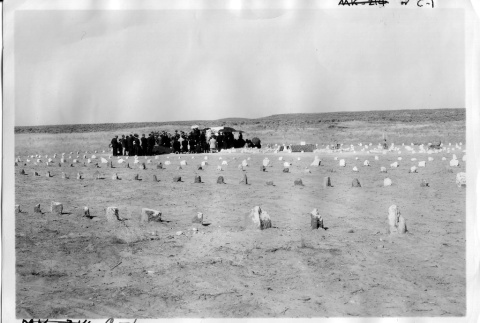
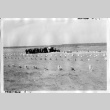
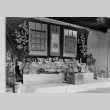
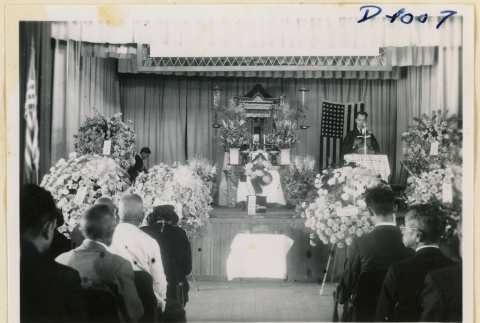
Funeral service (ddr-densho-37-675)
img Funeral service (ddr-densho-37-675)
Original WRA caption: Reverend L.H. Tibesar, Maryknoll missionary assigned to work with the Catholic group at the Minidoka Relocation Center, conducts a grave side service at the little cemetery cleared out of the sage land adjacent to Minidoka Relocation Center, Hunt, Idaho.
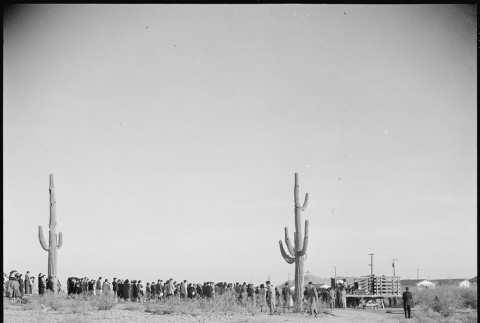
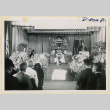
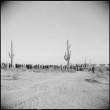
Thanksgiving day religious service (ddr-densho-37-788)
img Thanksgiving day religious service (ddr-densho-37-788)
Original WRA caption: Gila River Relocation Center, Rivers, Arizona. Sunrise Services (Christian) were held at this center Thanksgiving day.
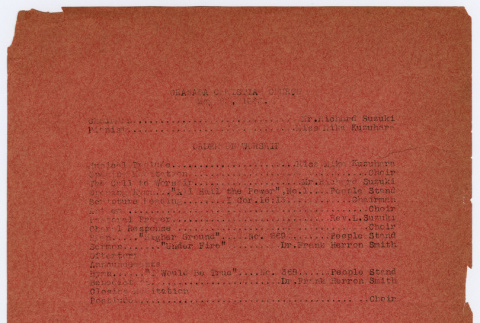
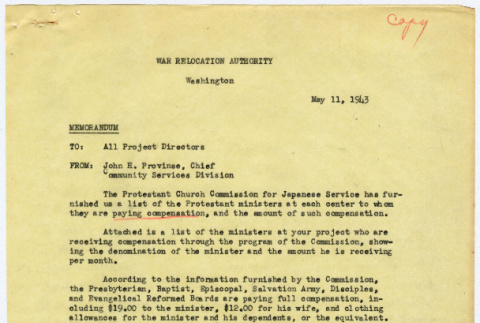
Memo regarding church ministers receiving salaries (ddr-densho-356-911)
doc Memo regarding church ministers receiving salaries (ddr-densho-356-911)
Memo from John H. Provinse regarding Christian Ministers receiving salaries from their national organizations. Included is a list of ministers at Amache who are receiving a salary and how much that salary is per month.
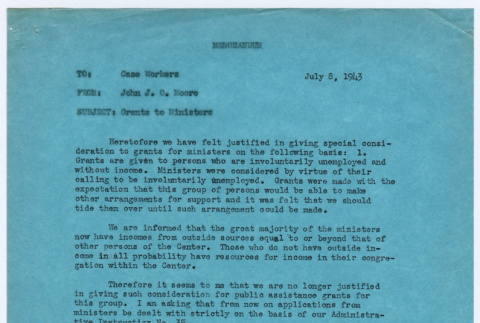
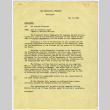
Memo regarding ending public assistance grants to ministers (ddr-densho-356-918)
doc Memo regarding ending public assistance grants to ministers (ddr-densho-356-918)
Memo from John J. O. Moore to caseworkers to inform them of the reason to end public assistance grants to ministers, and scrutinize visit requests and grants for unemployment due to enrollment in Japanese Language School.
API