
3106 items
3106 items
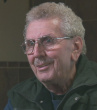
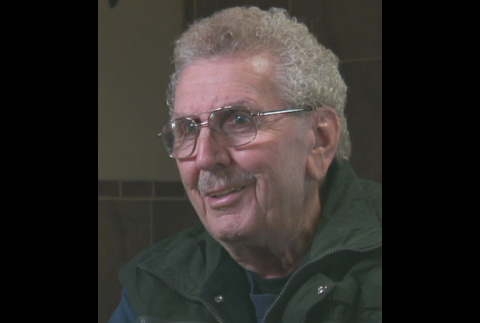
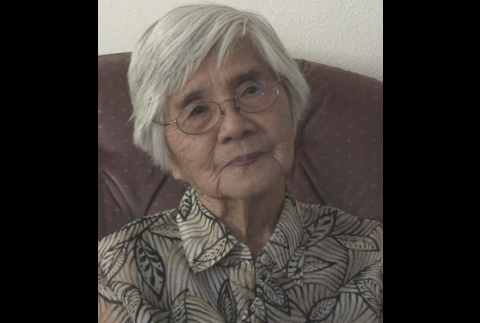
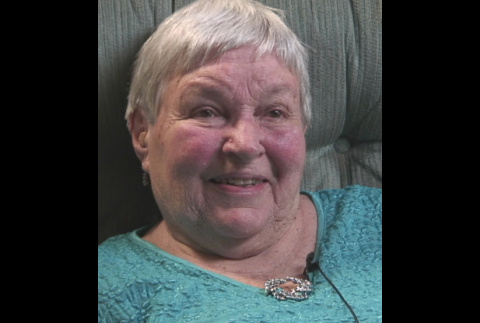
Narrator Russell Demo
White male. Born July 2, 1924, in San Francisco, California. Grew up in San Francisco before being inducted into the military following the bombing of Pearl Harbor. Assigned to service as a military policeman at the Manzanar concentration camp, California before serving overseas in Europe. After military service, returned to San Francisco.
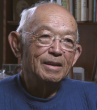
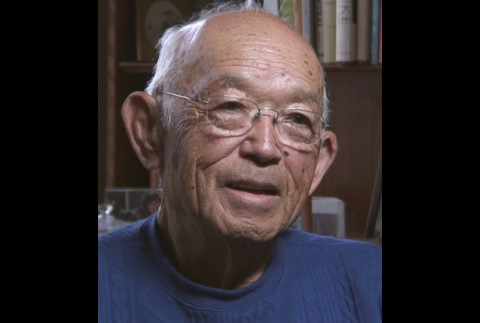
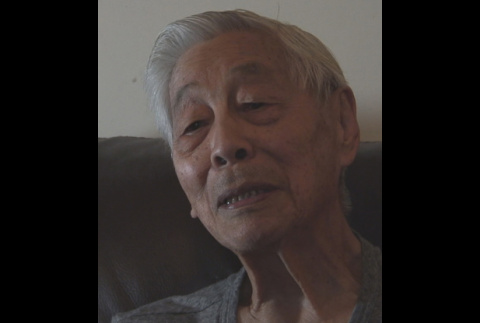
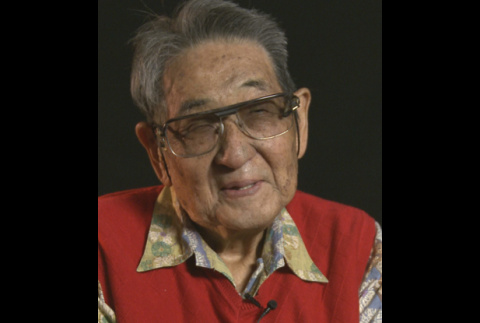
Narrator Tom Ikkanda
Nisei male. Born August 22, 1917, in Los Angeles, California. During World War II, removed to the Manzanar concentration camp, California. Worked for a reservoir maintenance crew in camp. Left camp for Reno, Nevada, finding work as an aviation mechanic. Later returned to Los Angeles, establishing a business as an auto mechanic.
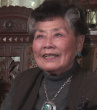
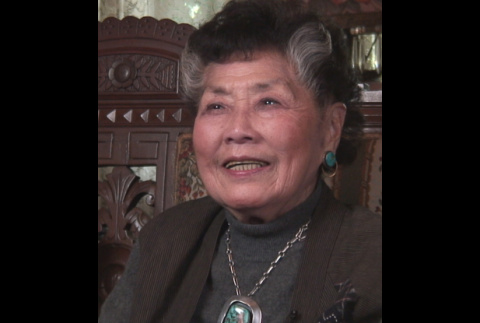
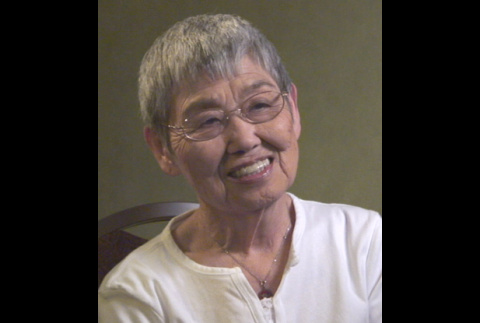
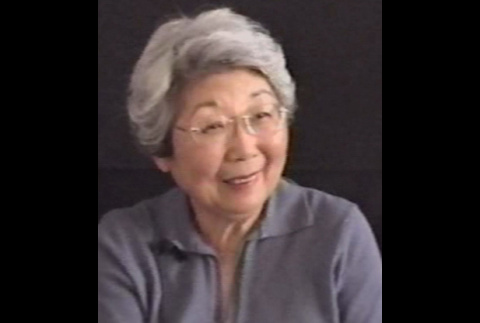
Narrator Sumiko Sakai Kozawa
Nisei female. Born January 10, 1916, in Los Angeles, California. Grew up in Los Feliz, California, where family ran a flower growing business. During World War II, removed to the Manzanar concentration camp, California, and worked in the camp's medical laboratory. After leaving camp, returned to Los Feliz and reestablished the flower shop.
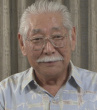
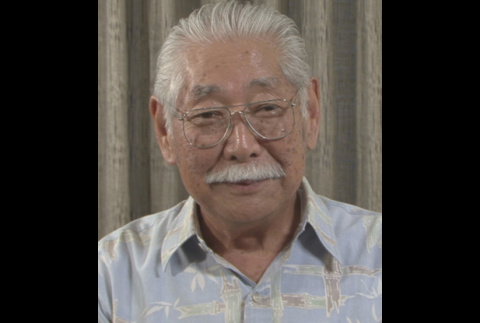
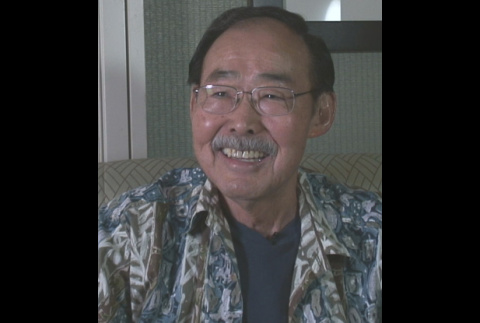
Narrator Mas Okui
Nisei male. Born October 4, 1931, in Los Angeles, California. During World War II, removed to the Manzanar concentration camp, California. After leaving camp, returned to the Los Angeles area. Was drafted into the military and served during the Korean War. Became a teacher, and is active in Japanese American community organizations.
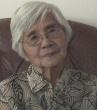
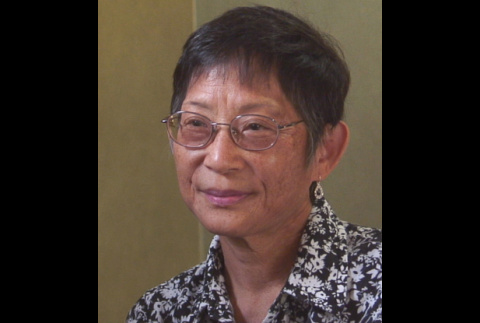
Narrator Mitsue Nishio
Kibei female. Born May 27, 1917, in Seattle, Washington. As a child, sent to Japan for education, and returned to the U.S. in the 1930s. Was married living in Glendale, California, when World War II started. During the war, was removed to the Manzanar concentration camp, California. After leaving camp, returned to California.
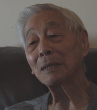
Narrator John Young
Chinese American male. Born May 22, 1923, in Los Angeles, California. Grew up in Los Angeles where father was an herbalist. In 1942, married a Japanese American woman and voluntarily joined her and her family in the Manzanar concentration camp, California. After leaving camp, drafted into the military and served in Europe.
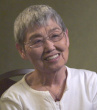
Narrator Shimako "Sally" Kitano
Nisei female. Born April 6, 1932, in Bainbridge Island, Washington. Grew up on Bainbridge, and was eight years old when Japan bombed Pearl Harbor on December 7, 1941. Removed with family to the Manzanar concentration camp, California. Before the war was over, moved to Chicago, Illinois. Returned to Bainbridge Island after World War II.
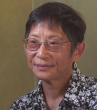
Narrator Annie Sakamoto
Nisei female. Born January 17, 1939, in Los Angeles, California. Given up for adoption after birth, and placed in the Shonien orphange in Los Angeles. After World War II broke out, removed to the Children's Village in Manzanar. Left camp to live with a foster mother in Los Angeles, eventually becoming a registered nurse.

Narrator Mary Blocher Smeltzer
White female. Born in 1915 in Texas. Grew up in La Verne, California, where family was active with the Church of the Brethren. During World War II, lived in the Manzanar concentration camp, California, and worked as a teacher there. Along with husband, established a hostel in Chicago, Illinois, for Japanese Americans leaving the camps.
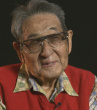
Narrator Wilbur Sato
Nisei male. Born April 26, 1929, in Pasadena, California. Grew up on Terminal Island, California. During World War II, removed to the Manzanar concentration camp, California. After leaving camp, family lived for a time in a hostel in Des Moines, Iowa, before returning to California. After the war, became an attorney and longtime community activist.
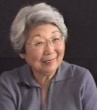
Narrator Grace K. Seto
Nisei female. Born September 23, 1935, in San Francisco, California. Grew up in California, where father worked as a bookkeeper. During World War II, removed to the Manzanar concentration camp, California. After leaving camp, moved with the family to a rural community in Maryland, then to Seabrook Farms, New Jersey, before eventually returning to California.
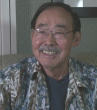
Narrator George H. Morishita
Nisei male. Born in Los Angeles, California. Grew up in the Los Angeles area. During World War II, was removed to the Manzanar concentration camp, California. After leaving camp, lived in Sawtelle, California, for a time before being drafted in the army and serving in Korea. Lived in Arizona and Nevada after the war.
doc
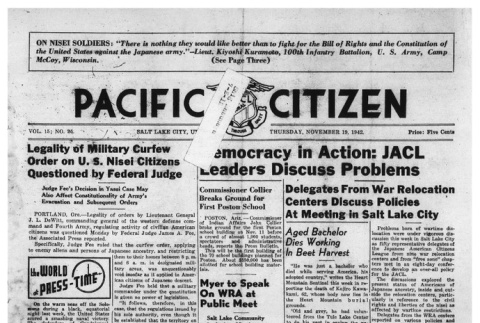
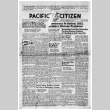
The Pacific Citizen, Vol. 15 No. 25 (November 19, 1942) (ddr-pc-14-24)
Selected article titles: "Legality of Military Curfew Order on U.S. Nisei Citizens Questioned by Federal Judge" (p. 1), "Democracy in Action: JACL Leaders Discuss Problems" (p. 1), "Yasui Prefers Soldier's Death To Life in Relocation Center" (p. 1), "Challenging Discrimination Will Help Win War, Declares Wirin" (p. 2), "U.S. Nisei Battalion Trains For War Combat Duty …
doc
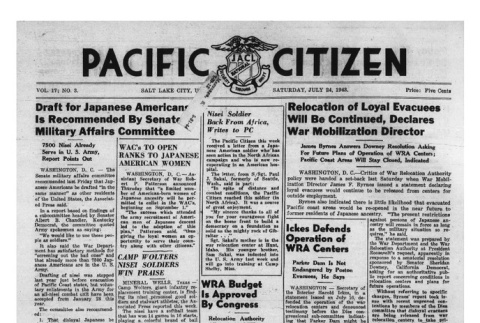
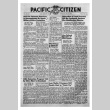
The Pacific Citizen, Vol. 17 No. 3 (July 24, 1943) (ddr-pc-15-28)
Selected article titles: "Draft for Japanese Americans Is Recommended By Senate Military Affairs Committee" (p. 1), "WAC's to Open Ranks to Japanese American Women" (p. 1), "Manzanar College Accredited By State" (p. 1), "Relocation of Loyal Evacuees Will Be Continued, Declares War Mobilization Director" (p. 1), "Late Shelby Volunteers Drill Doubly Hard to 'Catch Up'" (p. …
img
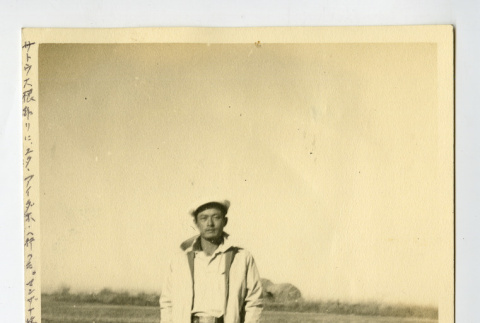
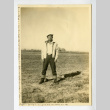
Tetsuo Larry Hashimoto (ddr-csujad-38-26)
Photographed is Tetsuo Larry Hashimoto. The caption reads: I went to Utah and Idaho to grow sugar beets. This is Mr. Larry Hashimoto who took the role of our group leader when we left the Manzanar camp. People say that he used to be a catcher of a college baseball team. [In Japanese]. A photo from …
doc
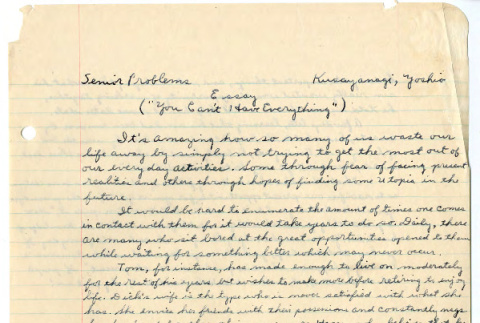
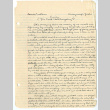
Essay: you can't have everything (ddr-csujad-48-28)
Essay by Yoshio Kusayanagi for Senior Problems class taught by Mr. Harry Bentley Wells, a teacher at Manzanar High School. Yoshio describes the need to try to get the most out of every day, and not waste away your life. He identifies the need to preserve through any hardship and give one's all to win past …
doc
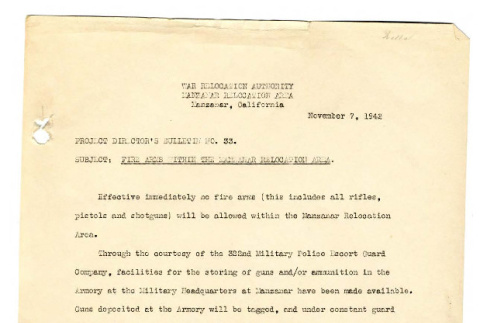
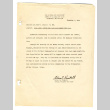
Project Director's bulletin, no. 33 (November 7, 1942) (ddr-csujad-48-135)
A bulletin from the acting project director, Solon T. Kimball, addressing the issue of fire arms within the "Manzanar Relocation Area." He indicates firearms will no longer be allowed within the boundaries of the area and that the 322nd Military Police Escort Guard Company will provide facilities for safely storing any guns and/or ammunition. Transcription is …
doc
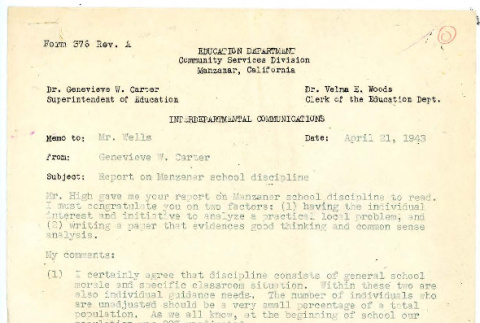
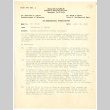
Interdepartmental communication from Dr. Genevieve W. Carter to Mr. Harry Bentley Wells, April 21, 1943 (ddr-csujad-48-80)
Interdepartmental communication addressing the suggestions of Harry Bentley Wells, a teacher at Manzanar High School, written by Dr. Genevieve W. Carter, Superintendent of Education. Carter responds to each suggestion and then provides two recommendations. She would like to have the rules come from a handbook developed by the students and establish more parent contact. Transcription is …
doc
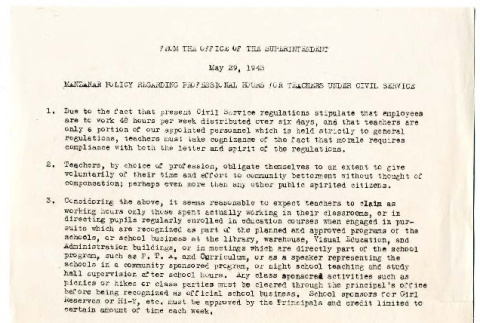
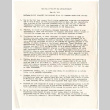
Memo from the Office of the Superintendent, May 29, 1943 (ddr-csujad-48-45)
Memo from the Office of the Superintendent about Manzanar policy regarding professional hours for teachers under civil service. The memo discusses the need to work 48 hours per week over six days and the tasks that may accomplish this such as supervising study hall and preparing lessons for the upcoming days. Transcription is found in item: …
img
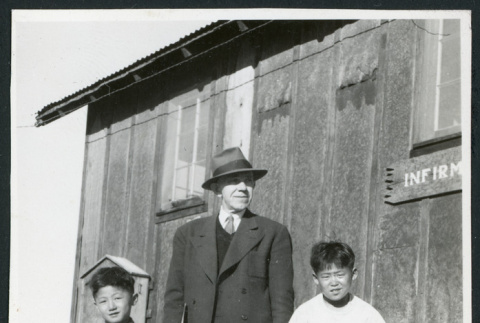
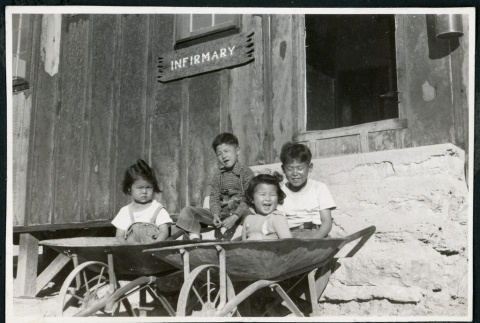
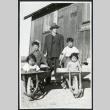
Photograph of B.R. Chamberlain, Ned and Harry Morioka and two other children posing in front of the infirmary at Cow Creek Camp in Death Valley (ddr-csujad-47-138)
Photograph of Albert R. Chamberlain, Ned and Harry Morioka and two other children posing in front of the infirmary at Cow Creek Camp in Death Valley National Park. Ned and Harry are holding the handles of two wheelbarrows which hold the other two children. Incarcerees were transferred to the former Civilian Conservation Camp after the Manzanar …
img
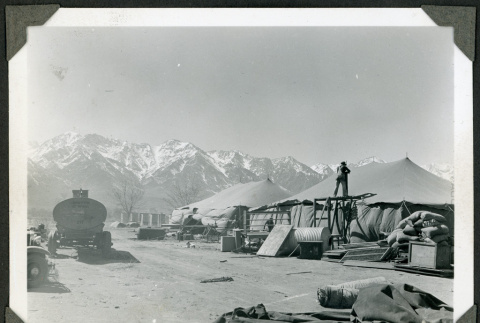
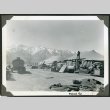
Quarters for the carpenters (ddr-csujad-47-23)
Photograph of two large tents at Manzanar with the Sierra Nevada in the background. A worker is standing on scaffolding in front of one tent. Equipment and materials are laid near the shelters with a water truck on the right side. Caption reads: Quarters for the carpenters. Title from caption, which was taken from the original …
img
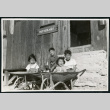
Photograph of Ned and Harry Morioka with two other children posing in front of the infirmary at Cow Creek Camp in Death Valley (ddr-csujad-47-137)
Photograph of Ned and Harry Morioka with two other children posing in front of the infirmary at Cow Creek Camp in Death Valley National Park. Ned and Harry are sitting on the steps and the other two children are in wheelbarrows. Incarcerees were transferred to the former Civilian Conservation Camp after the Manzanar Riot for their …
img
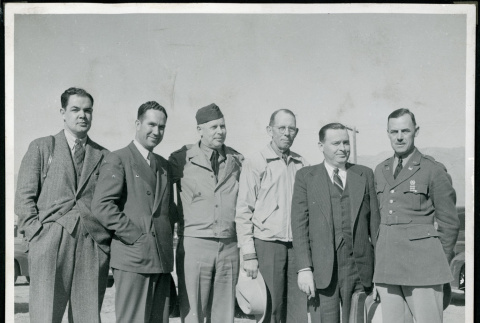
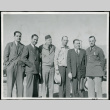
Picking the site (ddr-csujad-47-30)
Photograph of the Owens Valley Coordinating Committee picking the site for the Manzanar Incarceration Camp. From left to right: Wallace Howard (FBI), Rex Nicholson (WCCA), Col. McGill (U.S. Army), Ralph P. Merritt (Chairman, Owens Valley Coordinating Committee), Clayton E. Triggs (WCCA), and Col. Kelton (U.S. Army). Caption reads: Picking the site. Title from caption, which was …
img
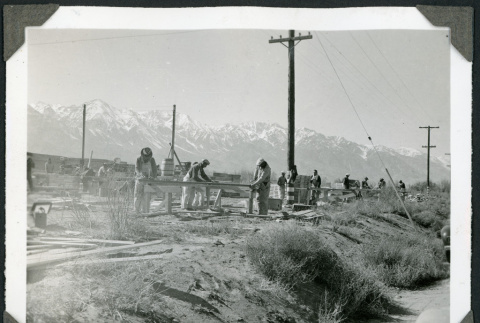
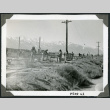
Homes for 10,000 people (ddr-csujad-47-35)
Photograph of men cutting and measuring lumber at a work table positioned below utility poles at Manzanar incarceration camp. There are scraps of wood near the workers on the ground, with empty pallets and a barrel. The Sierra Nevada are in the background. Caption reads: Homes for 10,000 people. Title from caption, which was taken from …
img
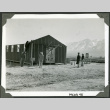
First building (ddr-csujad-47-21)
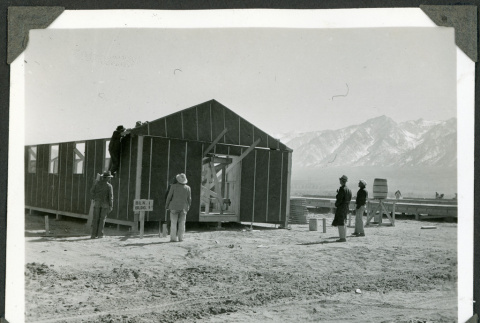
Photograph of the first buidling being constructed at Manzanar Incarceration camp. The outside framework and walls are up, roof is missing. Two men are working on the roofline, and four men are observing from the outside. Sign in front of barrack reads: Blk 1, Bldg 1. Caption reads: The First Building. Title from caption, which was …