Timber
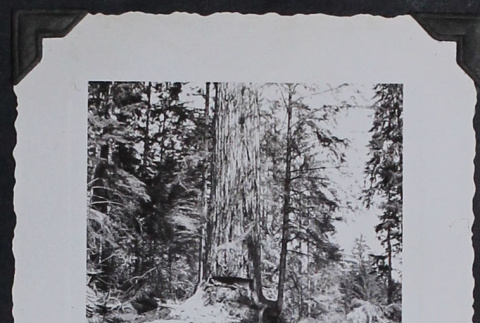
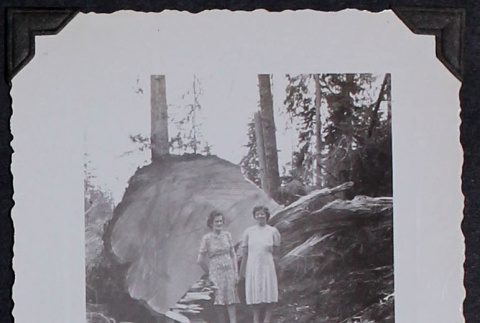
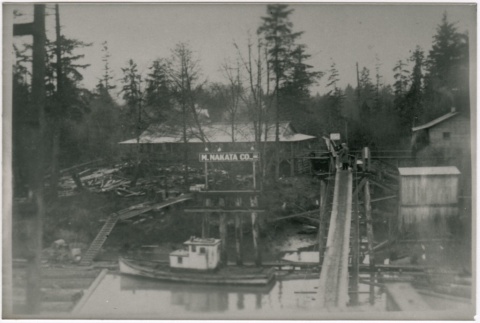
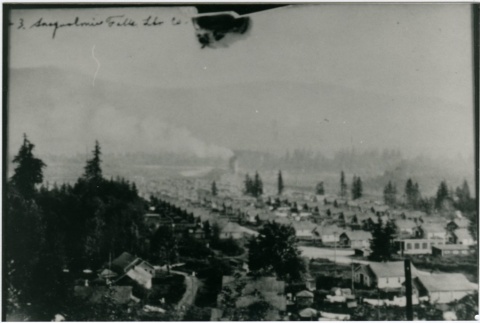
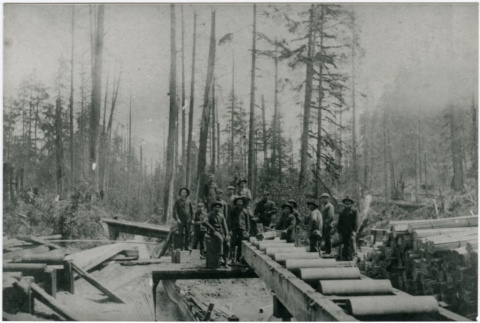
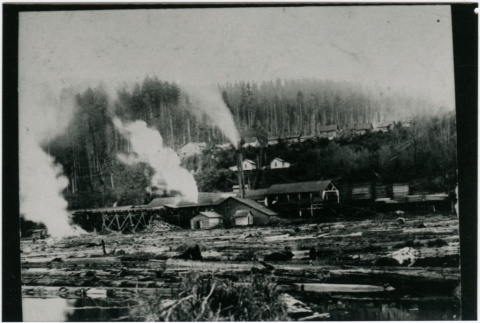
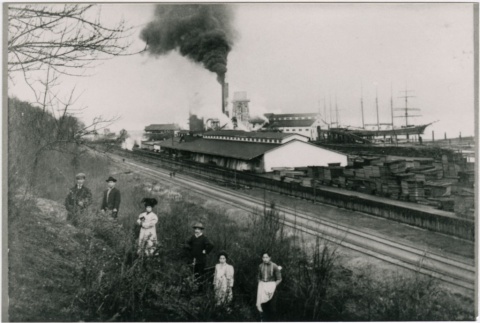
Japanese immigrants (Issei) replaced Chinese workers after the 1882 Chinese Exclusion Act went into effect. Laborers were recruited by contracting companies to cut timber and work in sawmills. In rare instances, Issei women joined their husbands, living among the other workers in segregated shantytowns.
Industry and employment
(593)
Timber
(170)
170 items

170 items
img
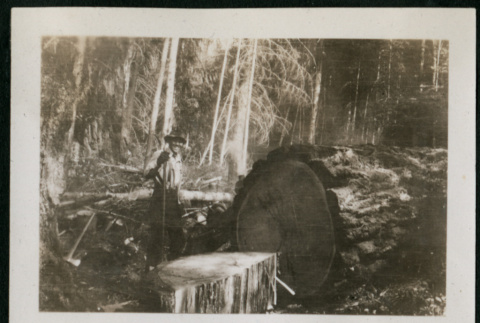
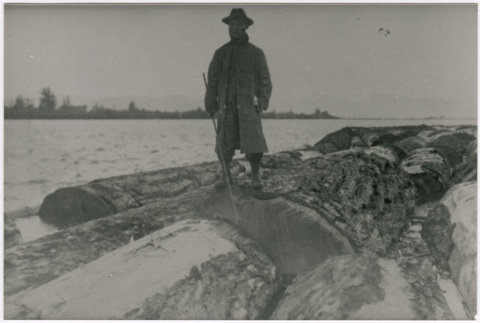
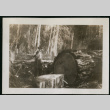
Man poses with felled tree (ddr-densho-359-716)
Caption in album is written in Japanese. Joe Kawamoto

img
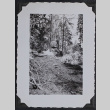
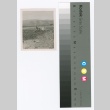
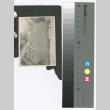
Men, woman, and child with piles of cleared lumber (ddr-densho-255-60)
Japanese American men, woman, and child with piles of lumber. Japanese caption on reverse.


img
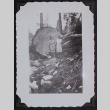
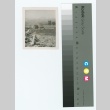
Men in cleared woodland (ddr-densho-255-59)
Three men standing in a cleared woodland area by piles of lumber. Japanese caption on reverse.
img
Men in cleared woodland (ddr-densho-255-61)
Three men standing in a cleared woodland area by piles of lumber. Japanese caption on reverse.
img
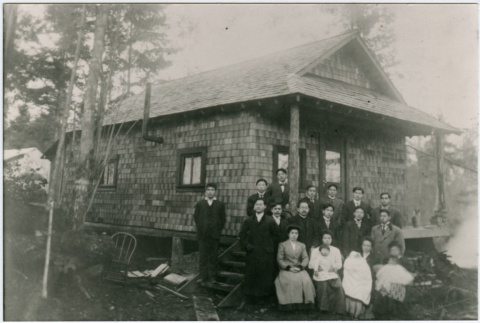
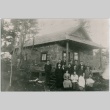
A group in front of a house (ddr-densho-353-33)
Shoichiro Katsuno at Pontiac (now the Windermere/Sand Point area) Written on back: "House built by Mr. Katsuno c.1913. Paid only for glass, nails, stovepipe, all the wood was free for clearing the land, knew how to make cedar shakes from work in sawmill earlier."
img
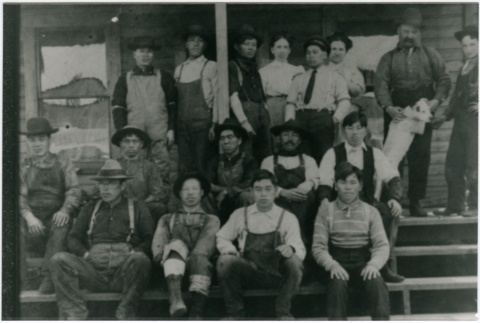
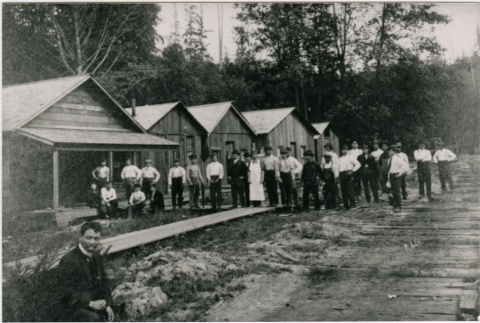
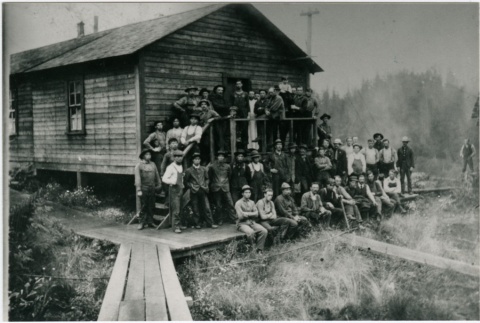
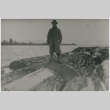
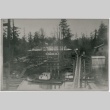
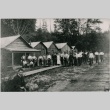
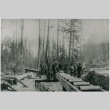
Sawmill workers (ddr-densho-353-23)
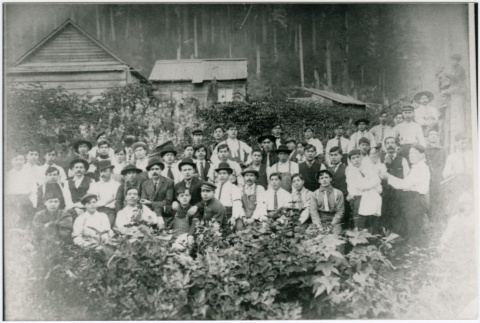
Mukilteo sawmill. Caption in album: "Workers in front of bunkhouses."
img
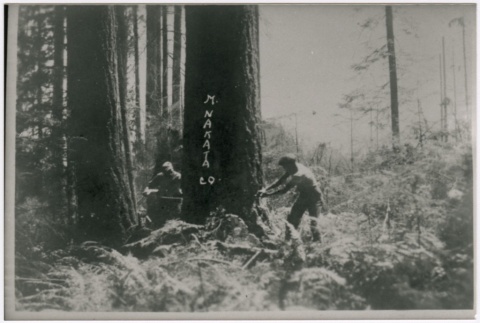
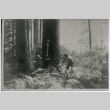
Two men cutting down a tree (ddr-densho-353-153)
Note on the back: "Cutting timber with a long saw." Near the Columbia River.
img
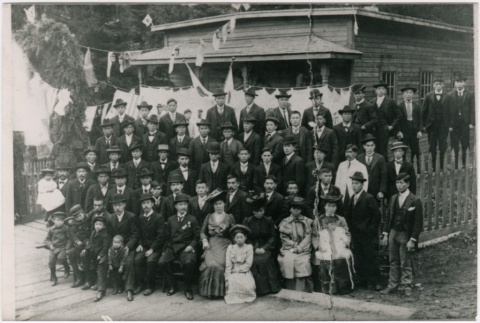
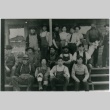
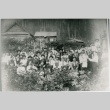
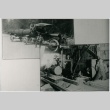
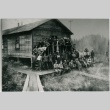
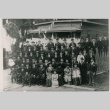
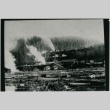
Group of men, women, and children (ddr-densho-353-21)
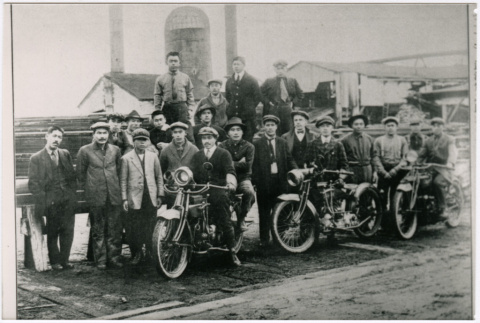
Sawmill workers in Port Blakely. Caption in album: "The sawmill drew many workers."
img
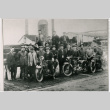
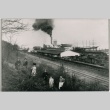
Men and women in front of sawmill (ddr-densho-353-22)
Mukilteo sawmill. Caption in album: "Japanese sawmill workers greet a new bride."