Timber
Japanese immigrants (Issei) replaced Chinese workers after the 1882 Chinese Exclusion Act went into effect. Laborers were recruited by contracting companies to cut timber and work in sawmills. In rare instances, Issei women joined their husbands, living among the other workers in segregated shantytowns.
Industry and employment
(593)
Timber
(170)
170 items


170 items
img
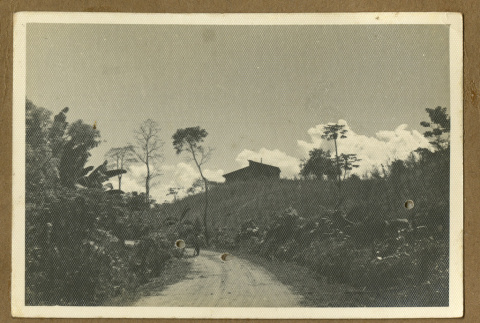
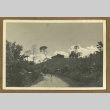
Road in a plantation (ddr-csujad-33-187)
Photographed is a road in a plantation in Peru. A photo from an album: Colonisation Japonaise au Perou (csudh_cjp_0001), page 29. See this object in the California State Universities Japanese American Digitization project site: cjp_01_29_188
img
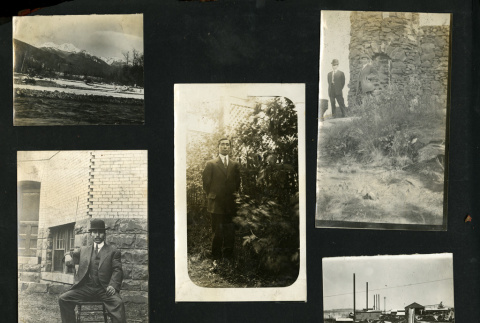
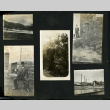
Japanese men in suits (ddr-csujad-25-2)
A page from an album containing Japanese family photographs. Five photographs are pasted on the page. The photographs appear to be taken in Washington in the early 1900s. Include Japanese men in suits. Also includes a photograph of a timber mill. See this object in the California State Universities Japanese American Digitization project site: jia_07_01_002
img
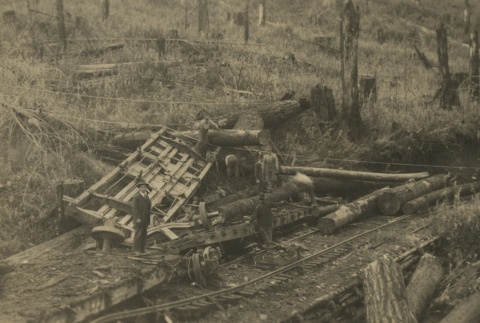
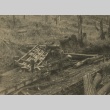
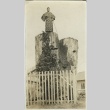
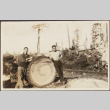
Logging crew (ddr-densho-124-30)
Raisuke Tamura (left) visits an issei logging crew at Selleck, Washington. Raisuke sold Japanese goods and food to the workers living in Selleck.
img
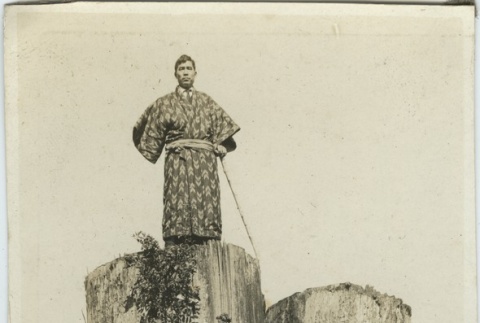
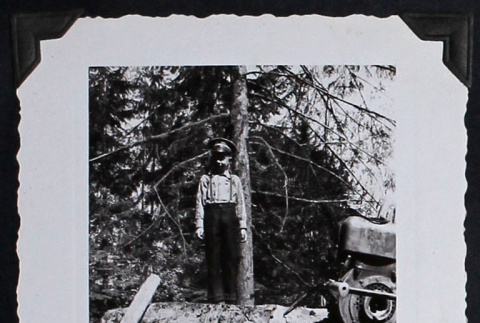
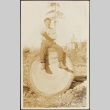
Issei man at Selleck camp (ddr-densho-124-14)
Raisuke Tamura standing on a tree stump at the Japanese camp in Selleck, Washington. This camp housed Japanese laborers who worked for the Pacific States Lumber Company. Raisuke sold Japanese goods and food to the people living in Selleck.
img
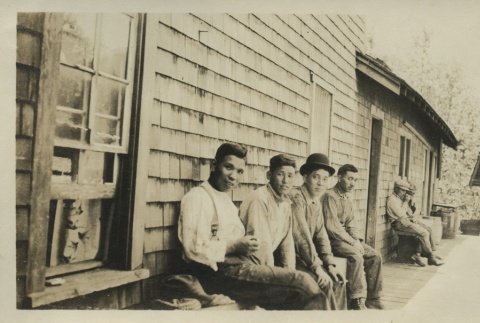
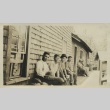
Issei workers at Selleck camp (ddr-densho-124-29)
These workers are sitting outside their housing at the Japanese camp in Selleck, Washington. Selleck was the site of the Pacific States Lumber Company.
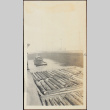
img
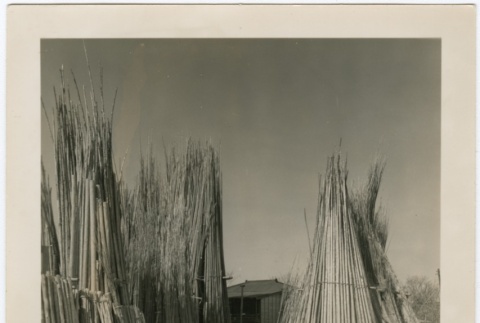
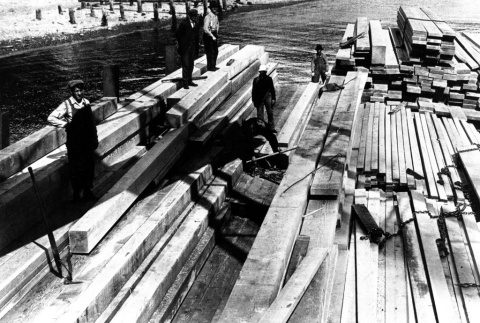
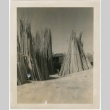
Lumber stacked (ddr-densho-299-13)
Caption on reverse: "FEC-49-1953. 25 March 49 / NRS Project: / Lumber yard showing precut lengths / of pine, oak, sugi, and stacked uncut / lengths of bamboo and sugi. / Photographer - Orzio / Photograph by U.S. Army."
doc
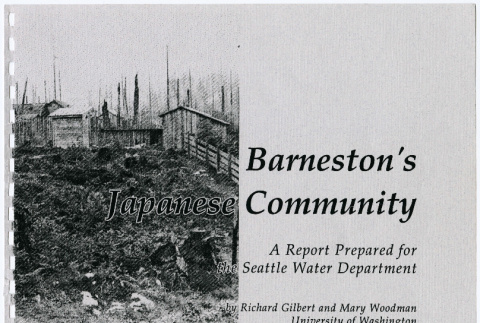
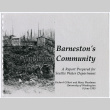
Barneston's Japanese Community (ddr-densho-381-175)
A report prepared for the Seattle Water Department that discusses the history of Japanese immigration and community in Barneston, Washington, including a transcript of Yoshi Hibiya's oral history.
img
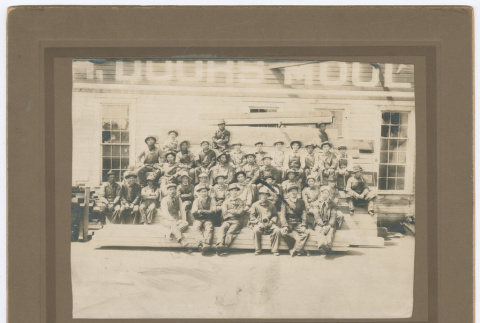
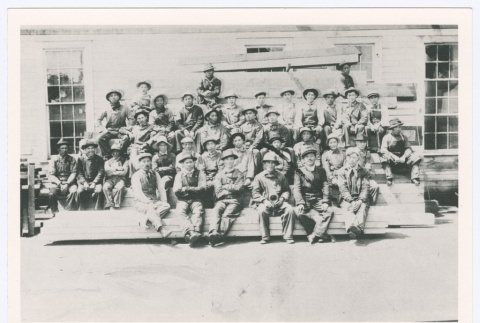
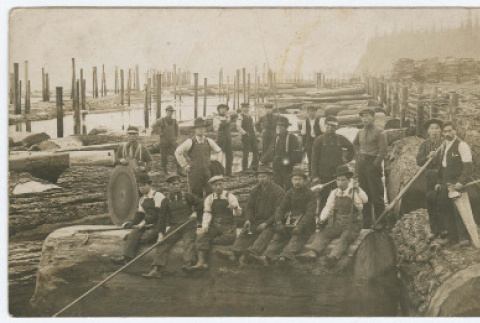
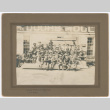
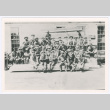
Large group of men outside sawmill (ddr-densho-383-379)
Kameki Inouye pictured in group. Written on mat frame: "Grandfather Inouye, sawmill".
img
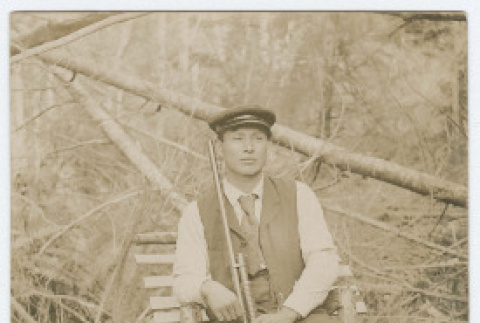
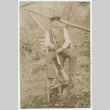
Postcard photograph of Tsunezo Tokuda with rifle. (ddr-densho-383-430)
Written on back of postcard: "Grandpa Tokuda. Between 1905-1910".
img
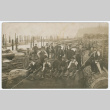
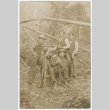
Postcard photograph of logging crew (ddr-densho-383-429)
Postcard from Tsunezo Tokuda to Clara Pokiswinski. Written on back of photograph: "J.T. [To] Miss Clara Pokiswinski, Mukilteo."
img
Postcard photograph of four men with rifles (ddr-densho-383-428)
Postcard from Tsunezo Tokuda to Clara Pokiswinski. Tsunezo Tokuda pictured second from left. Written on back of postcard: "How are you? [To] Miss Clara Pokiswinski, Mukilteo, Wash."
doc
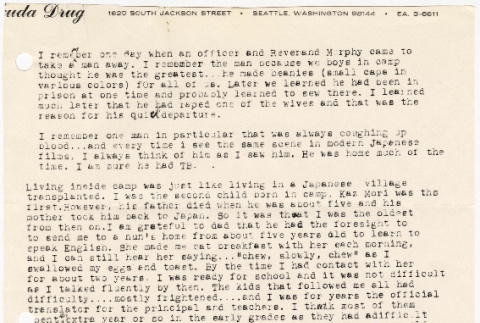
Memories of growing up in Mukilteo (ddr-densho-383-621)
Likely written by George Tokuda, signed "Dad"
img
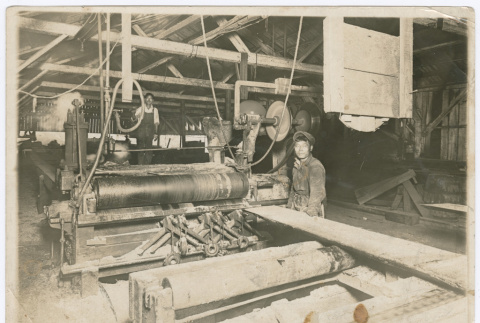
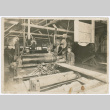
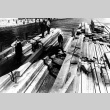
Port Blakely sawmill (ddr-densho-34-84)
Torazo "Slab Harry" Nakao (in the white hat) and his co-workers at the Port Blakely sawmill on Bainbridge Island, Washington. Port Blakely is located on the southeast end of Bainbridge Island, Washington.
img
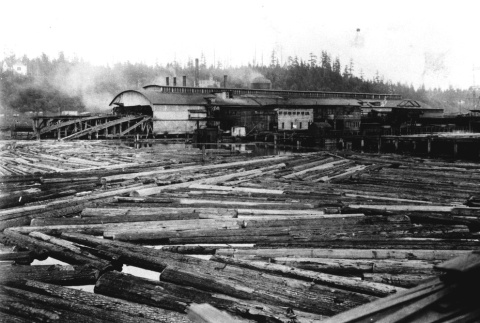
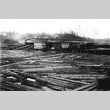
Port Blakely sawmill (ddr-densho-34-69)
This sawmill employed many Issei during the early 1900s. Port Blakely is located on the southeast end of Bainbridge Island, Washington.
img
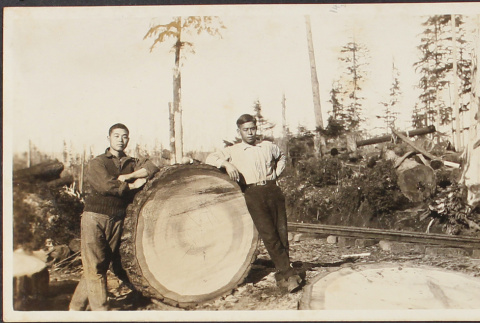
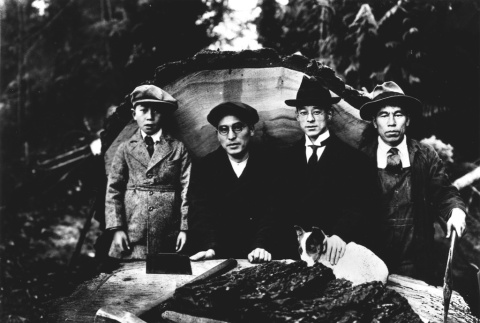
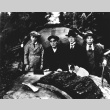
Three men and a boy standing next to a fallen tree (ddr-densho-34-26)
Left to right: unidentified boy, Kaichi Seko, unidentified Buddhist minister, and Zenkichi Harui.
img
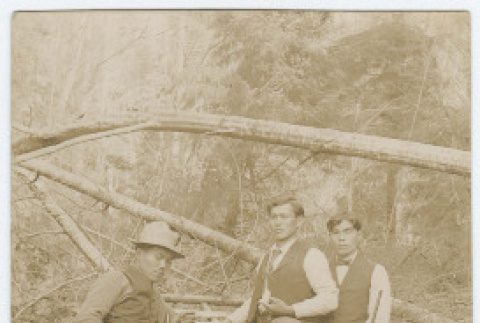
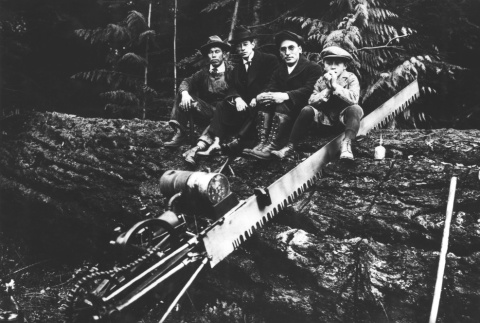
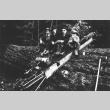
Three men and a boy sitting on a logged tree (ddr-densho-34-21)
Left to right: Zenkichi Harui, unidentified Buddhist minister, Kaichi Seko, and an unidentified boy on a logged tree. The saw was built by Mr. Harui. The area shown is the future site of Bainbridge Gardens.

doc
Japanese American Courier Vol. 13, No. 624 (January 1, 1940) (ddr-densho-96-659)
Selected article titles: "Citizenship Urged for Young People" (p. 1), "War Even in Our Own Boarders, Declares Seattle Council Women" (p. 2), "High Hope Held for Young Folk, Consul-General Satow Declares" (p. 3), "We Still Want Peace" (p. 4), "Better Cultural Relations" (p. 5); "Foreign Trade means High Rank In Civilization, Says Exporter" (p. 6); "Young …

doc
Japanese American Courier Vol. 14, No. 716 (October 3, 1941) (ddr-densho-96-751)
Selected article titles: "Community Aiding Local Chest Drive" (p. 1), "Weyerhaeuser to Support Nursery" (p. 2), "Canadian Officer Making Study of Japanese Youths" (p. 3), "Pink Tea" (p. 4), "Fourth Generation in Sight of Grocer" (p. 5), "Civic Leader Has High Praise For Young Japanese" (p. 6); "Out-of-town News" (p. 8)