442nd Regimental Combat Team

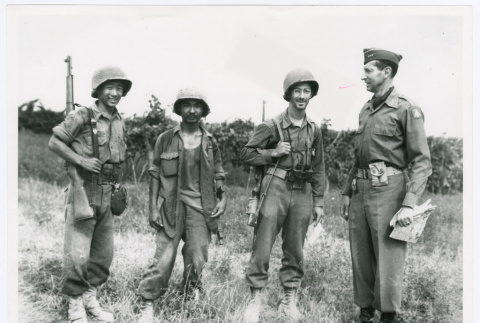
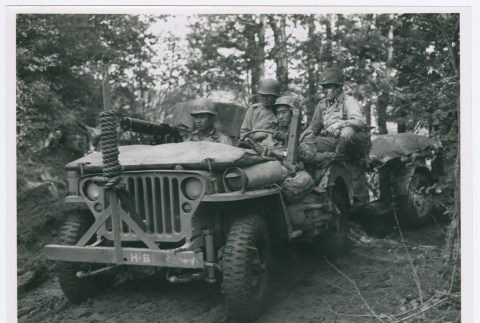
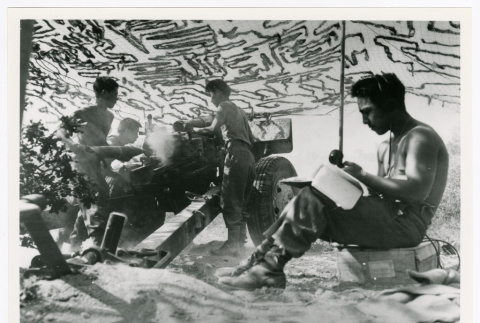
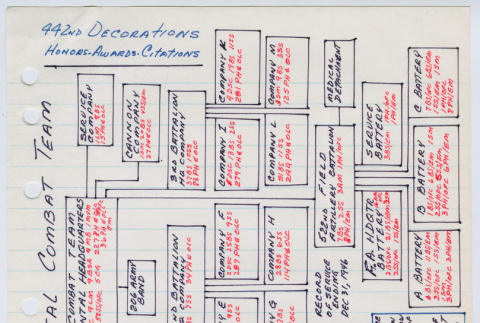
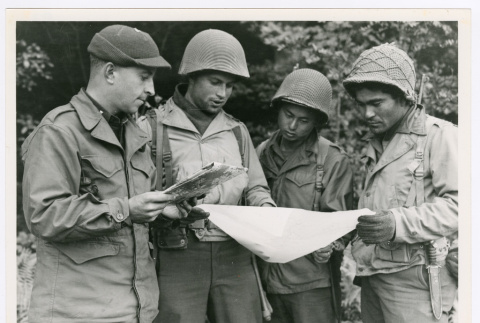
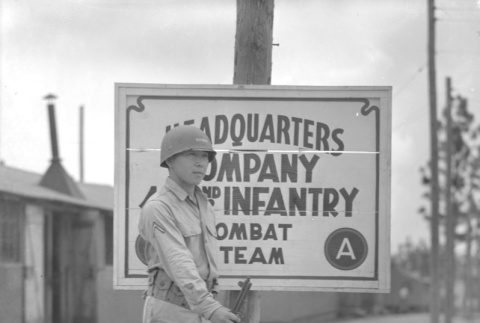
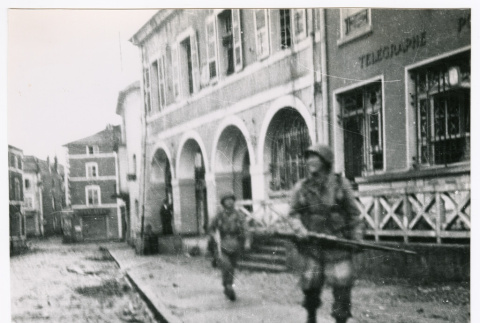
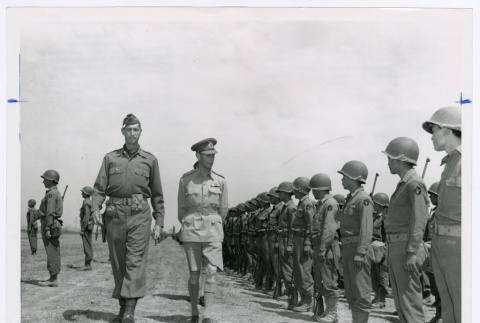
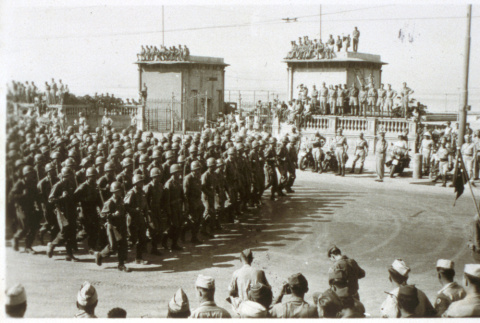
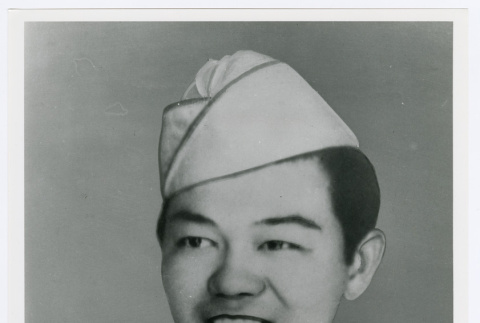
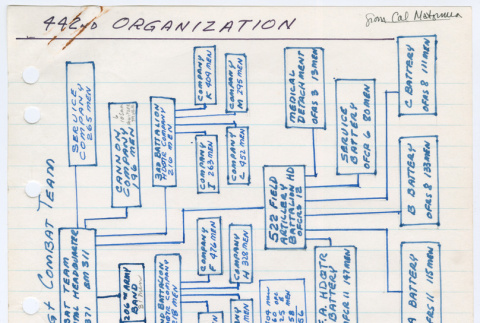
The 100th Infantry Battalion began as part of the Hawaii National Guard. On June 5, 1942, 1,432 men left Hawaii for training at Camp McCoy, Wisconsin, and later at Camp Shelby, Mississippi. The 100th shipped out to North Africa on August 23, 1943, and saw heavy action in Italy. Because of its heavy casualties and many honors, the 100th became known as the "Purple Heart Battalion." The 442nd Regimental Combat Team was initially formed in 1943 from Japanese American volunteers from Hawaii and the mainland. Perhaps not surprisingly, only about 1,250 Japanese Americans volunteered from the concentration camps. In Hawaii, where there was no mass removal, almost 10,000 volunteered. The 442nd arrived in Italy in June 1944 where the battle-tested 100th Infantry Battalion became its 1st Battalion. In seven major campaigns, the 442nd became the most decorated unit for its size and length of service; the unit suffered 9,476 casualties, more than 300 percent of its original strength.

World War II (277)
Military service (4131)
442nd Regimental Combat Team (3404)

Related articles from the Densho Encyclopedia :
442nd Regimental Combat Team, Mark W. Clark, Sadamitsu Neil Fujita, Go for Broke! (film), Stanley Hayami, Daniel Inouye, Mike Masaoka, Kazuo Masuda, Rescue of the Lost Battalion
Facilities
Format
Genre
Usage

Use <Ctrl> or (⌘) keys to select multiple terms

3404 items
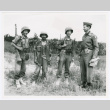
Group of soldiers drinking in field of tents (ddr-densho-474-242)
img Group of soldiers drinking in field of tents (ddr-densho-474-242)
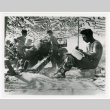
Caption on album page: Ghedi Airport, Brecia, Italy, May 1945. Here the 442nd Regt processed incoming surrendering German prisoners. The photo is labeled: Beer bust! Nick Yamashiro, Mike Nakashima, Shigato Tokifuji, Saburo Yamashita
Three men in uniform (ddr-densho-474-236)
img Three men in uniform (ddr-densho-474-236)
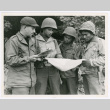
L to R: Isamu Ish Aoki, Hachiro Hashiguchi, and Roy Tadao Sugiura. The photo was taken in Milan, Italy in June 1945.
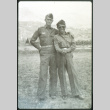
Two men in fatigues standing on beach (ddr-densho-474-240)
img Two men in fatigues standing on beach (ddr-densho-474-240)
Caption on album page: Piombino, Italy - August 1945. Photo caption: Toru Koga and "Doc" Takara at Follonica Beach
Six men relaxing on the beach, two in uniform (ddr-densho-474-244)
img Six men relaxing on the beach, two in uniform (ddr-densho-474-244)
Photo caption: "Sunshine" Nakashima, John Kobayashi, Jerry Yasuda, Kenmotsu, Masamitsu and Furukawa - Piombino Beach. Photo is from Hachiro Hashiguchi's WWII Album
William Kochiyama and Robert H. Foote walking through a Cornell university barn and driving around (ddr-densho-1007-1520)
av William Kochiyama and Robert H. Foote walking through a Cornell university barn and driving around (ddr-densho-1007-1520)
A few takes of Kochiyama and Foote walking through a barn. Rest of reel is Foote driving the two around. Conversation mostly focused on WWII. Original title: 25, II NY #4, 6-5-85
Interview with Kazuko Iijima, part 3 of 4 (ddr-densho-1007-1533)
av Interview with Kazuko Iijima, part 3 of 4 (ddr-densho-1007-1533)
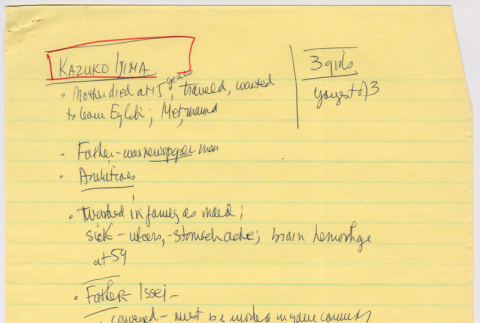
Iijima discusses the 442nd, mentions volunteers from Topaz and Fred Korematsu. Also discusses her husband, who she married in camp and who later joined the 442nd. Video starts at 0:56. Loni Ding can be heard asking questions behind the camera. Original title: 38, II NY #17, 6-85, Kazuko Iijima. Interview continues at ddr.densho.org/ddr-densho-1007-1534/
Speech: Bruyeres Liberation Anniversary (ddr-densho-1007-1848)
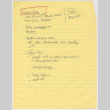
doc Speech: Bruyeres Liberation Anniversary (ddr-densho-1007-1848)
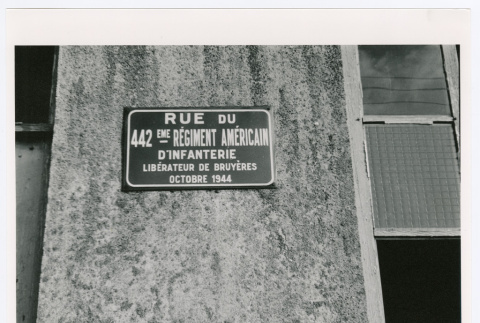
Draft of speech by a resident of Bruyeres, France, Dr. Collin, on the fortieth anniversary of the town's liberation. Dr. Collin delivered the speech to veterans of the 100th Infantry Battalion and the 442nd Regimental Combat Team who were the town's liberators.
Chet Tanaka Interview Transcript (ddr-densho-1007-1869)
doc Chet Tanaka Interview Transcript (ddr-densho-1007-1869)
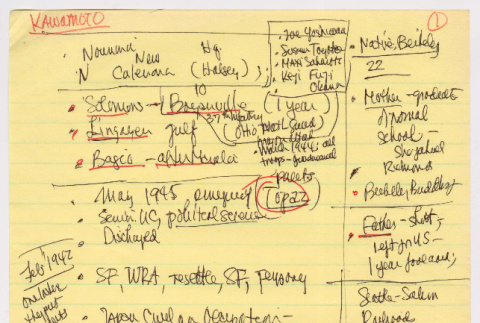
Eric Saul interview with Chet Tanaka, veteran of the 442nd Regimental Combat team, conducted on October 8, 1980. Tanaka describes his childhood in St. Louis, Missouri, his family's experience with discrimination after Pearl Harbor, his reaction to forced removal on Japanese Americans, and his military service during World War II.
API