
5022 items

5022 items
img
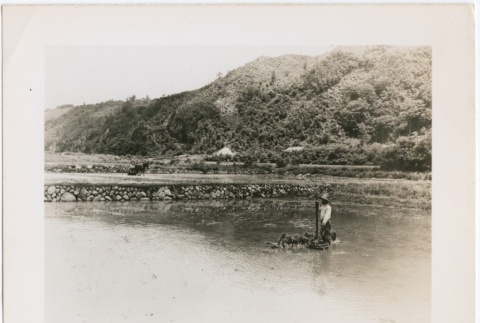
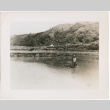
A farmer in his rice paddy (ddr-densho-299-15)
Caption on reverse: "FEC-47-77287. 14 July 47 / Japanese rice farming: / A Japanese farmer works in his / large rice paddy located near / Mount Fuji, Japan. Rice is first / planted in special beds of well / fertilized soil, and when it / reaches a certain size it is pulled / up and taken …
doc
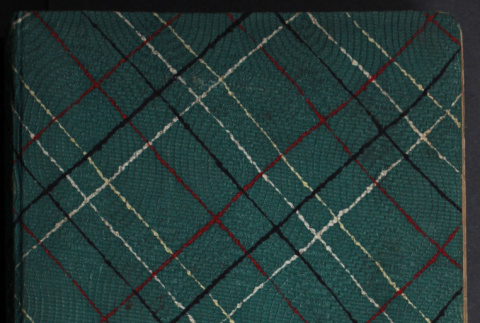
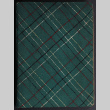
Plaid photograph album (ddr-densho-404-210)
A green plaid photograph album of Takeo Tagami's photograph. The album contains an assortment of photograph of Tokeo's and his companions' travel between the United States and Japan and other destinations, military service, snapshots of friends and family. Written on inside of front cover: on Heye Maru Jan. 23, 1940 Seattle. Back on Asama Maru April …

doc
Letter from Oregon Governor Sprague and rebuttal from Ichiro Hasegawa, Richard Higawa, and Ken Sekiguchi from Tule Lake (ddr-densho-423-156)
Letter sent to President Roosevelt and reprinted in the Oregon Journal, arguing that Japanese incarcerees should be forced to work on the sugar beet harvest or be deported to Japan. The detailed rebuttal from Hasegawa, Higawa and Sekiguchi gives exact numbers of available labor, problems with work conditions on the farms, hypocrisy of demanding the removal …
doc
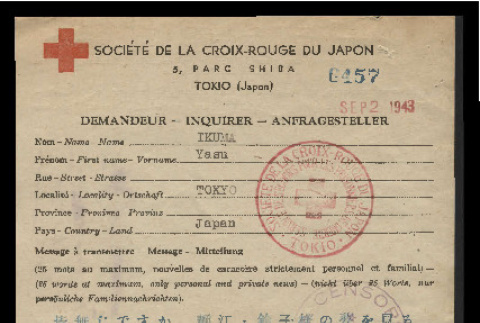
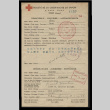
Letter from Yasu Ikuma to Shoji Nagumo, September 2, 1943 (ddr-csujad-55-892)
Letter from Yasu Ikuma in Tokyo, Japan to Shoji Nagumo in Los Angeles, California. It was sent via the Red Cross and forwarded to the Heart Mountain incarceration camp where Shoji Nagumo was incarcerated. See this object in the California State Universities Japanese American Digitization project site: sac_jaac_0894
doc
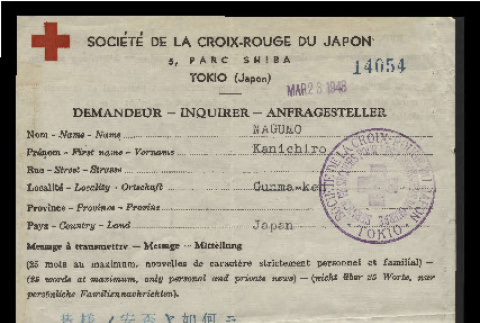
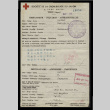
Letter from Kan'ichiro Nagumo to Shoji Nagumo, March 23, 1943 (ddr-csujad-55-890)
A message sent via the Red Cross from Kanichiro Nagumo in Gunma-ken, Japan, to Shoji Nagumo in Los Angeles, California, and forwarded to the Heart Mountain incarceraton. For English translation, see: sac_jaac_0893. See this object in the California State Universities Japanese American Digitization project site: sac_jaac_0892
img
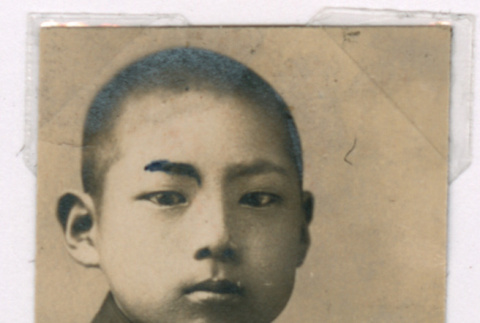
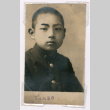
Takeo Isoshima (ddr-densho-477-18)
Portrait of Takeo Isoshima in a school uniform. The caption on the photo is "Takeo" in blue ink. The caption below the photo is "School Boy Takeo" in black ink. The caption at the top of the album page is "TAKEO'S EDUCATION: *Graduated from Kansai High School in Okayama, Japan *Wilson Business College (bookkeeping) Seattle, WA …
img
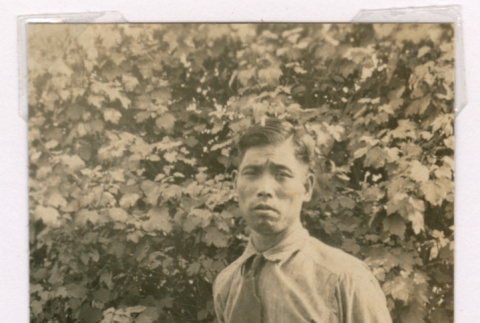
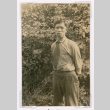
Fusata Isoshima (ddr-densho-477-13)
Photograph of a Fusata Isoshima standing in front of a tall bush. Caption below the photo is "Takeo's Father Fusata (1921)" written in black ink. Caption on bottom of page is "Takeo's Siblings: Sister Yukiko 1913 St. Marie, Idaho Takeo 1915 St. Marie, Idaho Brother Hiroo 1918 Okayama, Japan Sister Chizu 1925 White Fish, Montana Sister …
img
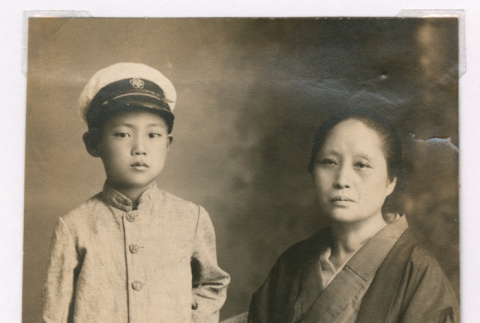
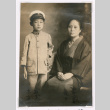
Portrait of Takeo Isoshima and Waki Makio (ddr-densho-477-12)
Portrait of Takeo Isoshima (left) with his grandmother Waki Makio (right). Caption below the photo is "Takeo his Grandmother Waki Makio" written in black ink. Caption on bottom of page is "Takeo's Siblings: Sister Yukiko 1913 St. Marie, Idaho Takeo 1915 St. Marie, Idaho Brother Hiroo 1918 Okayama, Japan Sister Chizu 1925 White Fish, Montana Sister …
img
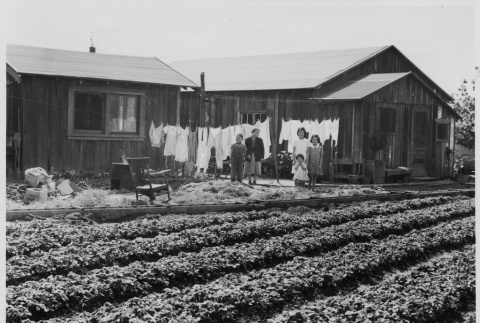
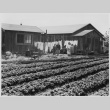
Japanese American family prior to mass removal (ddr-densho-151-86)
Original caption: Mountain View, California. This ranch house, seen across a strawberry bed, is typical in many California rural sections where residents of Japanese ancestry engaged in truck gardening. This was the home of eight children who were born in this country. The parents were born in Japan. This family, and other evacuees, will be housed …
doc
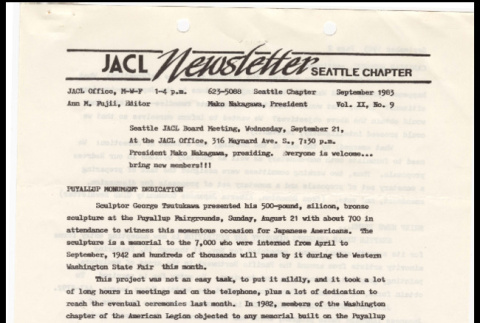
Seattle Chapter, JACL Reporter, Vol. XX, No. 9, September 1983 (ddr-sjacl-1-325)
Newsletter covering the following topics: Nice article on the Puyallup Memorial Ceremony. Gov Spellman, a big supporter of the Monument and Redress, ?Every week I receive letters asking if I remember Pearl Harbor,?All these letters reflect a common confusion, confusing the was between out country and Japan with the national deprivation of civil rights. The internment …
vh
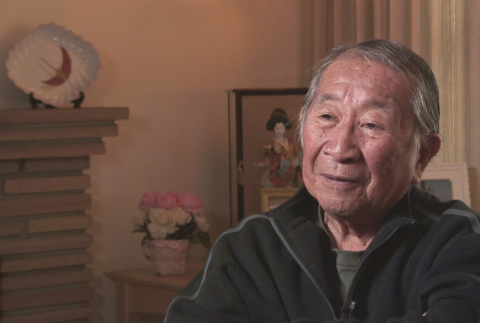
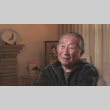
Takeshi Minato Interview (ddr-manz-1-57)
Nisei male. Born July 13, 1922, in Park City, Utah. Family moved several times prior to World War II, and was living in Terminal Island, California, when Japan bombed Pearl Harbor on December 7, 1941. Removed to the Manzanar concentration camp, California, during the war. After the war, lived and worked in Chicago, Illinois, and Seabrook, …
vh
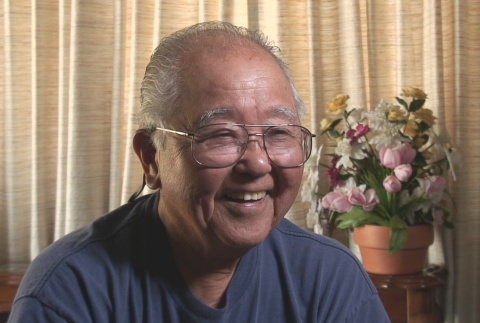
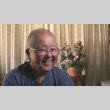
Yo Shibuya Interview (ddr-manz-1-98)
Nisei male. Born August 23, 1927, in Los Angeles, California. Went to Japan for a time as a child with family before returning to California. During World War II, removed to the Manzanar concentration camp, California. While in camp, learned the saxophone and played with the Jive Bombers band. After leaving camp, attended college and began …
doc
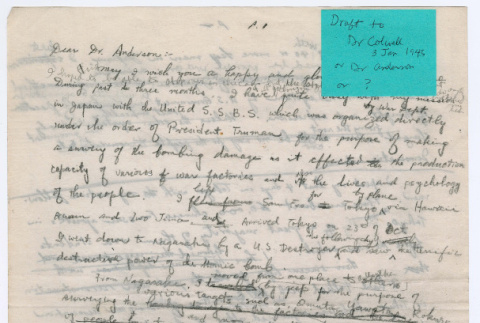
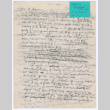
Letter from Ai Chih Tsai to Dr. Harrison Ray Anderson (ddr-densho-446-204)
Handwritten draft similar in content to letter to Dr. Colwell on January 3, 1946. ACS writes that he met many Formosans in Japan but they were not receiving sufficient rations from the Japanese or Formosans. Tsai writes that it will be a challenging transition for the young Formosans to transition to becoming Chinese citizens in Formosa …
vh
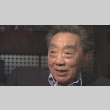
George Hara Interview (ddr-one-7-3)
Nisei male. Born January 12, 1925, in Portland, Oregon, where parents ran a hotel business. During World War II, removed to the Portland Assembly Center, Oregon, and the Minidoka concentration camp, Idaho. Left camp early to attend college in Ohio. Was drafted into the Military Intelligence Service and served in Japan during the U.S. occupation. Returned …
vh
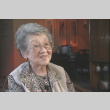
Mutsu Homma Interview (ddr-densho-1000-24)
Issei female. Born June 19, 1911, in Tono City, Iwate-ken, Japan. Immigrated to the United States in 1929. Incarcerated at the Santa Anita Assembly Center, California, and Amache concentration camp, Colorado. Father established and ministered the first Western-style Christian church in Tono City. Husband was assigned to the Santa Anita Assembly Center as the official head …
vh
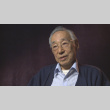
Hiro Nishimura Interview (ddr-densho-1000-237)
Nisei male. Born August 8, 1919, in Seattle, Washington. Grew up in Seattle, and was attending the University of Washington when Japan bombed Pearl Harbor on December 7, 1941. Drafted into the military a few months after the bombing, and then transferred to the Military Intelligence Service. Served as a linguist in Burma and India during …
vh
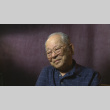
Frank Shinichiro Tanabe Interview (ddr-densho-1000-218)
Nisei male. Born on August 10, 1919, in Osaka, Japan. Attended college at the University of Washington before being removed to the Puyallup Assembly Center, Washington, and the Tule Lake concentration camp, California. Established Tule Lake's newspaper, the Tulean Dispatch. Transferred to the Minidoka concentration camp, Idaho, before resettling in Chicago. Drafted into the Military Intelligence …
vh
Gordon Yamada Interview (ddr-densho-1004-2)
Nisei male, born 1924. Served with the Military Intelligence Service during the postwar occupation of Japan.
(This material is based upon work assisted by a grant from the Department of the Interior, National Park Service. Any opinions, finding, and conclusions or recommendations expressed in this material are those of the author(s) and do not necessarily reflect …
doc
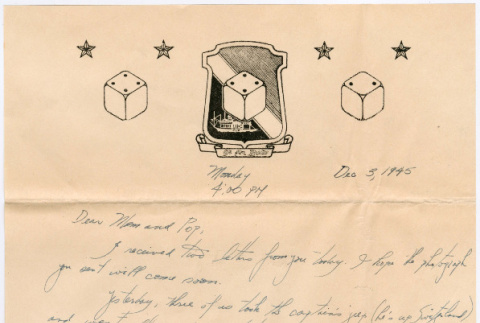
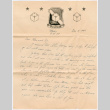
Letter from Tadashi Ishida to Mr. & Mrs. Y Ishida (ddr-densho-535-301)
He and friends took the captains jeep and traveled all over, visiting sites from their time in Italy; had lunch at an Italian restaurant; asks for magazines and candy; glad to hear so many friends are coming back to San Francisco; hopes his grandpa will be okay returning to Japan. Parents' note on envelope back: 304 …
av
Interview with Harry Fukuhara, part 4 of 5 (ddr-densho-1007-1700)
Fukuhara discusses the possibility of meeting his brother (who was in the Japanese army) on the battlefield, the mental struggles soldiers faced in Japan, and his thoughts on draft resisters. Loni Ding can be heard asking questions behind the camera. Original title: 215, II JA #39, Harry Fukuhara, Sun. Feb. 2. Interview continues at ddr.densho.org/ddr-densho-1007-1701/
av
Interview with Yukio Kawamoto, part 6 of 8 (ddr-densho-1007-1550)
Kawamoto discusses post-war occupation of Japan, work with the military tribunal & ATIS, working for the US government at home, and the decision to volunteer. Video starts at 0:50. Loni Ding can be heard asking questions behind the camera. Original title: II NY #34, 6-85, Kawamoto.. Interview continues at ddr.densho.org/ddr-densho-1007-1551/
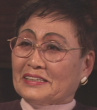
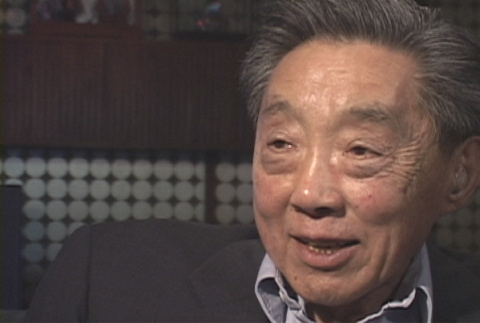
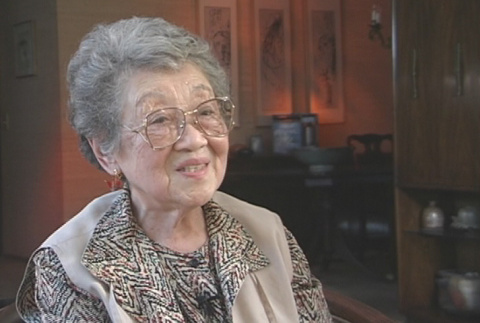
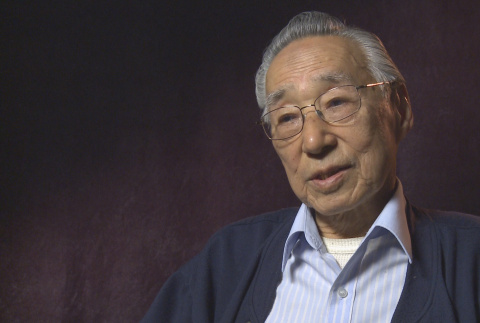
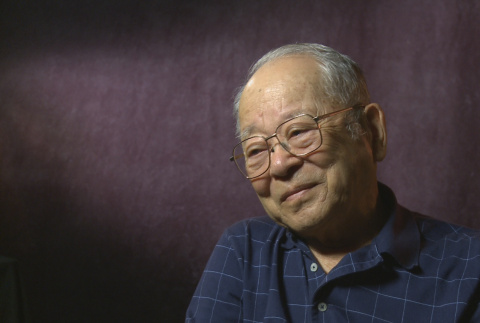
Narrator Kay Sweeney
Japanese female. Born 1922 in Kagoshima, Japan. During World War II, served as a nurse with the Japanese army in Jakarta and Japan. After the war, moved to the United States and lived in San Francisco before eventually settling in Portland, Oregon.
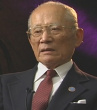
Narrator Takashi Matsui
Kibei male. Born January 20, 1917, in Hood River, Oregon. Lived in Seattle, Washington, before being taken to Japan by mother at the age of three. Completed elementary through high school in Japan. Returned to Seattle at seventeen years of age. Continued education in United States. Drafted in 1942 and was an instructor for the Military …
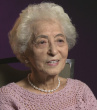
Narrator Toyoko Okumura
Nisei female. Born October 14, 1916, in Gardena, California. Following the bombing of Pearl Harbor, removed to the Santa Anita Assembly Center, California, and the Jerome concentration camp, Arkansas. In response to the so-called "loyalty questionnaire," transferred to Tule Lake segregation center with family, and expatriated to Japan. Worked in Japan for the U.S. government and …
Collection
Kinuta Uno Collection (ddr-densho-324)
The Kinuta Uno Collection consists of letters and documents regarding the Uno Family's life in Seattle, Washington pre-World War II through their removal and life in Pinedale Assembly Center, Tule Lake and Minidoka concentration camp. Pre-war topics include: family business dealings and Kinuta Uno's work with the Northwest American Japanese Association, Seattle Zairyudobo, and the Consulate …