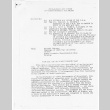
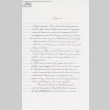
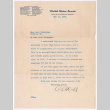
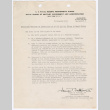
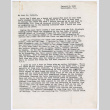
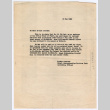
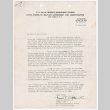
Correspondence from Shigeki Hiratsuka to Dorothy Nakamura regarding Hiratsuka's activism in gaining support for restitution payments to incarcerated non-Japanese individuals. Includes a copy of a letter from Hiratsuka to Jim Kolbe, member of the United States House of Representatives for Arizona's 5th congressional district covering the same issue. See this object in the California State Universities …
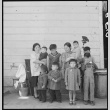
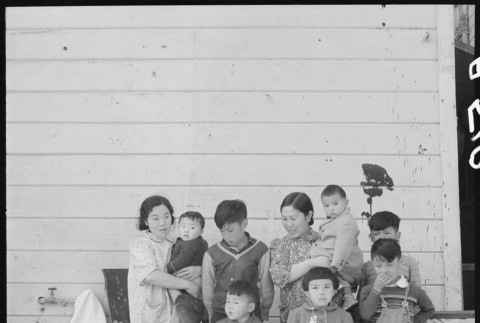
Original caption: San Francisco, California. Families of two Shinto priests who were interned on December 8, 1942, immediately upon declaration of war. The mother at right has nine American born children and has been in the United States ten years. The mother on the left has been in this country two years, and neither speak English. …
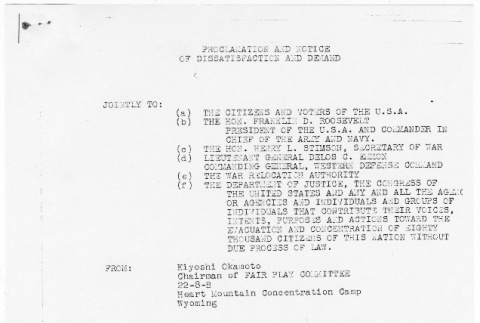
By Kiyoshi Okamoto, addressed to The citizens and voters of the U.S.A.; the Hon. Franklin D. Roosevelt; The Hon. Henry L. Stimson; Lieutenant General Delos C. Emmon; The War Relocation Authority; the Department of Justice, the Congress of the United States and any and all the agents or agencies and individuals and groups of individuals that …
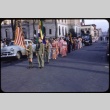
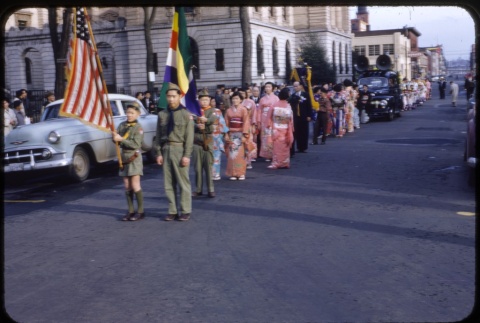
Color slide of procession in front of US Customs House in Northwest Portland. Procession led by a color guard of Boy Scouts, carrying the United States flag and the Buddhist flag. Women in kimonos or yukatas follow, then black vehicles with flowers on top, then the Chigo "children's" procession. From left to right: Kenneth "Kenny" Yasutome, …
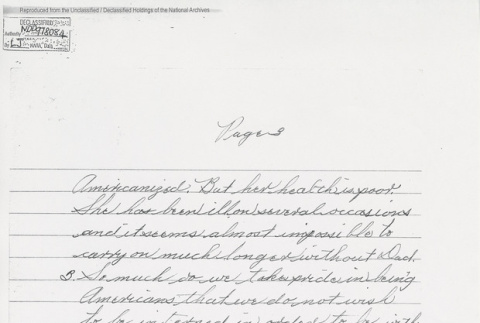
Photocopy of a declassified letter written by Keizaburo Koyama's son, William, to the United States Attorney Carl C. Donaugh asking him to release his father to the Minidoka War Relocation Center. William continues that his mom is in poor health and may not live much longer without being reunited with her husband. He does not wish …
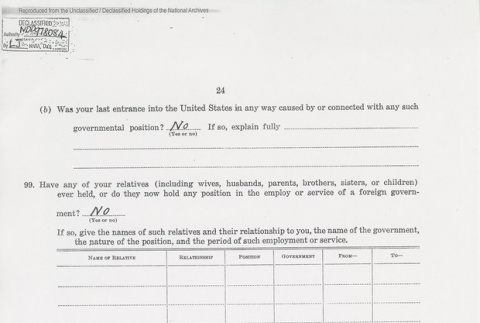
Photocopy of a declassified questionnaire used to determine if the person named is to be considered an enemy alien. This page covers questions 98b - 102b of 111. Koyama continues to answer "No" to all questions regarding his or family involvement in foreign governments or their military. He also states that he has never aided an …
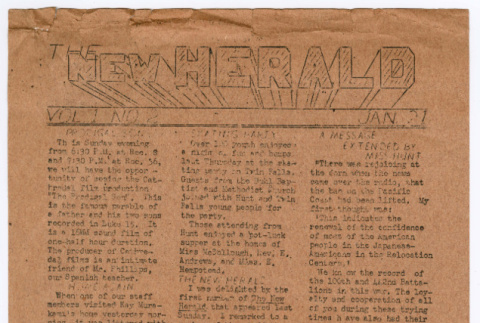
Selected article titles: "Prodigal son" (p. 1), "Home again" (p. 1), "Skating party" (p. 1), "The New Herald" (p. 1), "A message extended by Miss Hunt" (p. 1), "Getting our best into action" (p. 2),
Feelings about moving to the United States after marriage (Japanese language)
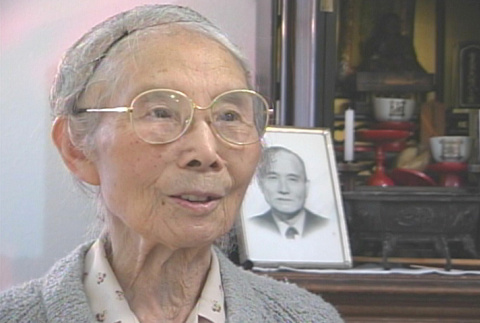
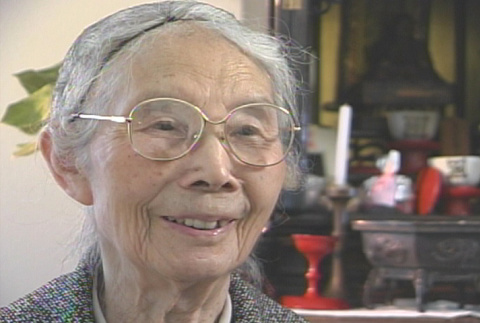
This interview was conducted in Japanese and was translated so as to convey Mrs. Terao's way of speaking as closely as possible. For example, there are instances in which she makes some grammatical errors. These mistakes are conveyed through similar grammatical errors in English in …
First hearing about the United States from an uncle who immigrated there (Japanese language)
This interview was conducted in Japanese and was translated so as to convey Mrs. Terao's way of speaking as closely as possible. For example, there are instances in which she makes some grammatical errors. These mistakes are conveyed through similar grammatical errors …
Saying goodbye to mother upon leaving Japan for the United States (Japanese language)
This interview was conducted in Japanese and was translated so as to convey Mrs. Terao's way of speaking as closely as possible. For example, there are instances in which she makes some grammatical errors. These mistakes are conveyed through similar grammatical errors in …
No regrets about immigrating permanently to the United States (Japanese language)
This interview was conducted in Japanese and was translated so as to convey Mrs. Terao's way of speaking as closely as possible. For example, there are instances in which she makes some grammatical errors. These mistakes are conveyed through similar grammatical errors in English in …
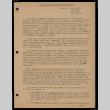
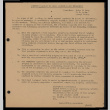
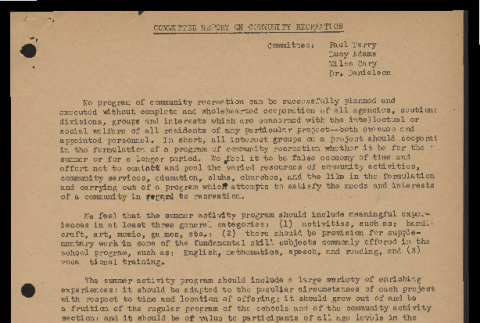
Report and recommendations on community recreation at Poston incarceration camp. See this object in the California State Universities Japanese American Digitization project site: sac_jaac_1727
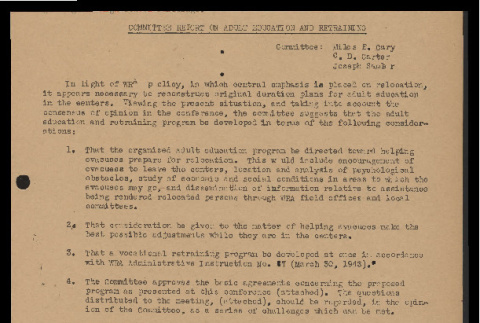
Report and recommendations on adult education and retraining including suggestions relative to vocational retraining and questions. See this object in the California State Universities Japanese American Digitization project site: sac_jaac_1732
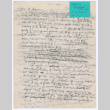
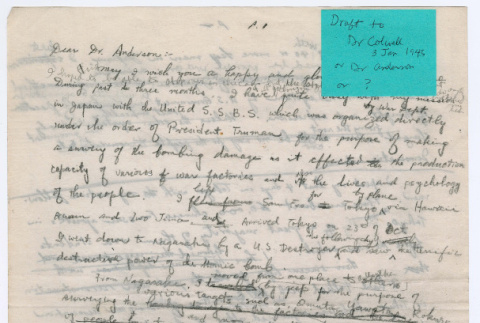
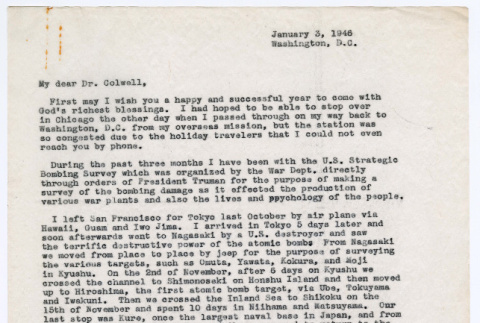
Handwritten draft similar in content to letter to Dr. Colwell on January 3, 1946. ACS writes that he met many Formosans in Japan but they were not receiving sufficient rations from the Japanese or Formosans. Tsai writes that it will be a challenging transition for the young Formosans to transition to becoming Chinese citizens in Formosa …
Description of USSBS travel and observations including the impact of the bombings in Japan. Tsai described need and his intention to help Formosans living in Japan receive relief, missionary work, and educational help. Tsai is interested in helping post-war Formosa.
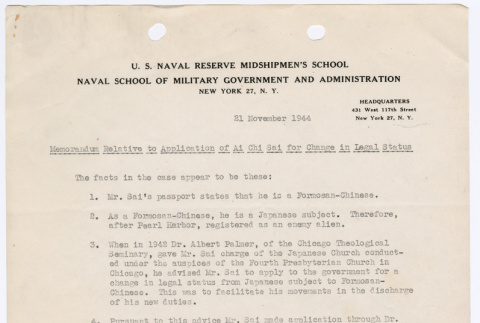
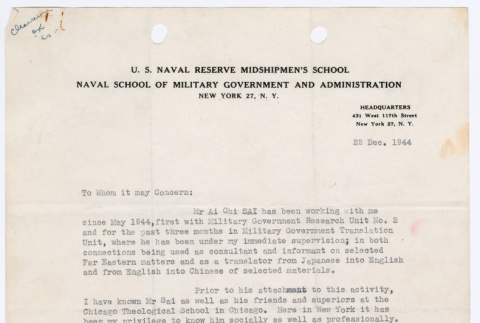
Letter to whom it may concern vouching for Tsai's expertise, aid to US Government, and personal qualities. Tsai has been working for Watkins since May 1944 as consultant and informant, and also as translator since Oct 1, 1944.
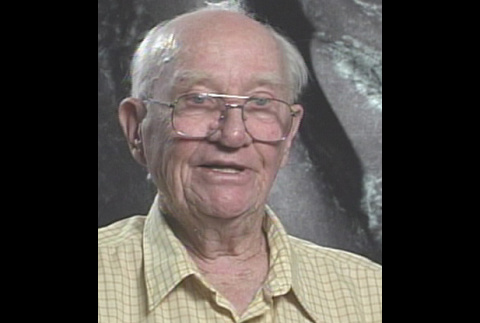
White male. Born 1913 in Karuizawa, Japan, to missionary parents. Attended Canadian school in Kobe, Japan, before coming to the United States with his older brother. He attended the University of Chicago School of Social Work, then volunteered to work for the War Relocation Authority (WRA). He later worked as a relocation officer in the concentration …
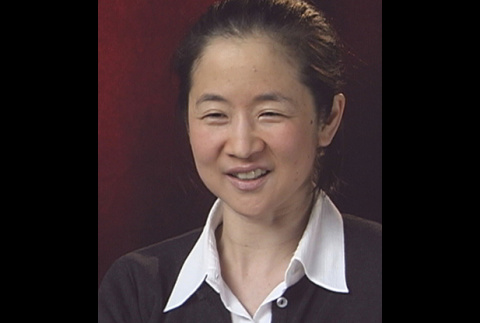
Sansei female. Born May 15, 1962, in Palo Alto, California. Mother was a Nisei who was incarcerated during World War II, and father was a Japanese immigrant who came to the United States in 1950. Grew up in Palo Alto, California, before studing art at Yale University. Later moved to New York, giving up art and …

![Letter from Sigeki Hiratsuka to Mrs. [Dorothy] Nakamura, July 2, 1991 (ddr-csujad-55-2065)](https://ddr.densho.org/media/cache/a5/d6/a5d60f4fc32569b3f52817b3be6799ff.jpg)


![Letter from Sigeki Hiratsuka to Mrs. [Dorothy] Nakamura, July 2, 1991 (ddr-csujad-55-2065)](https://ddr.densho.org/media/cache/57/bd/57bd1ccb19b7fd98b27ee3fc662af163.jpg)