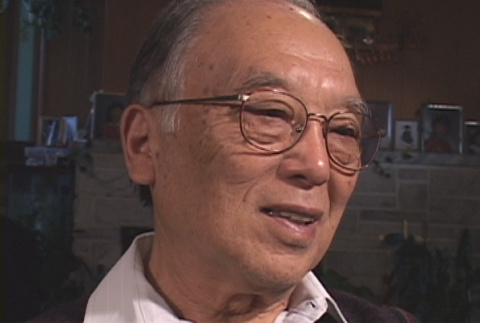
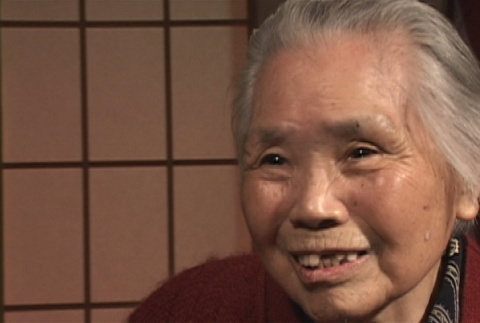
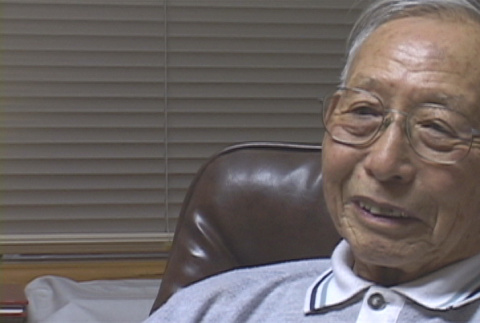
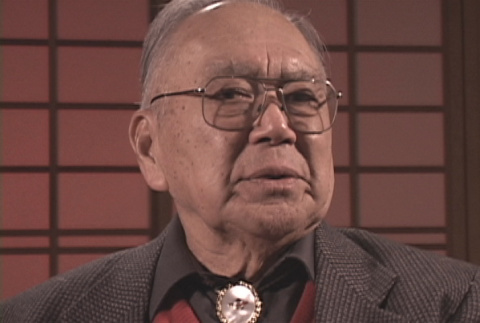
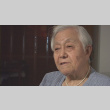
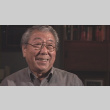
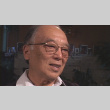
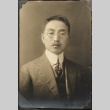
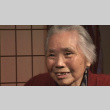
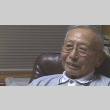
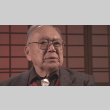
Nisei male. Born January 31, 1933, in Portland, Oregon. Grew up in Portland, where parents ran a general merchandise store. During World War II, removed to the Portland Assembly Center, Oregon, and the Minidoka concentration camp, Idaho. Left camp for the East Coast because parents wanted to repatriate to Japan. Did not secure a place on …
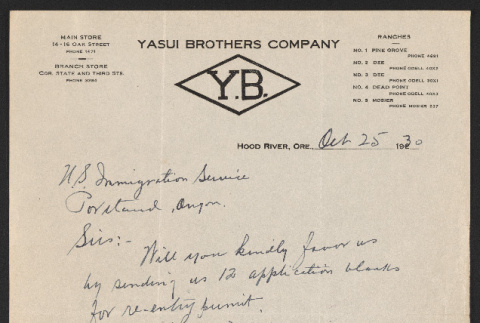
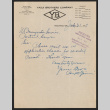
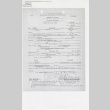
A handwritten letter from the Yasui Brothers Company to the U.S. Immigration Service in Portland, Oregon, dated October 25, 1930. The letter, signed on behalf of the company, requests twelve application blanks for reentry permits. The document features the company's letterhead with listings of multiple ranch locations and telephone numbers. A purple ink stamp indicates it …
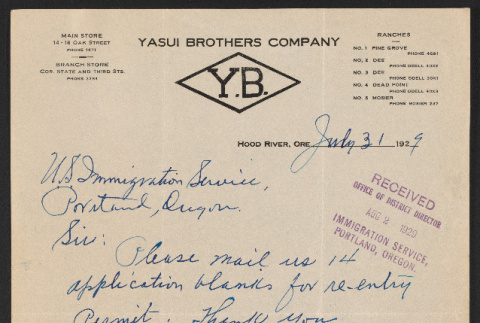
A handwritten letter from the Yasui Brothers Company to the U.S. Immigration Service in Portland, Oregon, dated July 31, 1929. The letter, signed on behalf of the company, requests fourteen application blanks for reentry permits. The document features the company's letterhead with listings of multiple ranch locations and telephone numbers. A purple ink stamp indicates it …
A typed itinerary detailing Minoru Yasui's trip to Portland on January 14, 1984. Minoru lists his flight times from Denver to Portland, his stay with Homer Yasui, and meetings on January 16 at the U.S. District Court for Oregon with Judge Robert E. Belloni and attorneys Peggy Nagae and Don Willner. It concludes with his return …
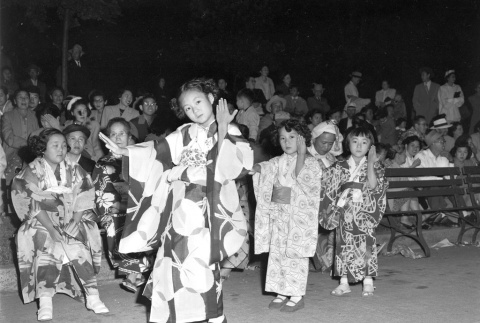
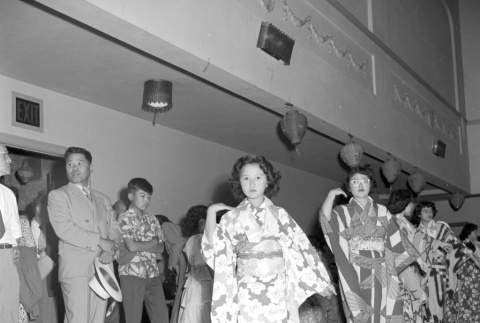
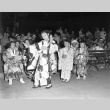
Black and white photographic negative of three young Obon dancers posing for camera in front of large crowd. Obon dancers from left to right: Jeanne Tanaka, Toshiko (Maekawa) Okino, and Eileen Tanaka. Crowd: first sitting from the left is Joyce (Tanaka) Fedler, first from the right sitting on bench is Joe Ikata. Obon is an annual …
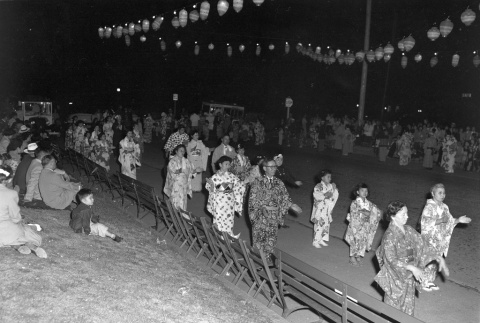
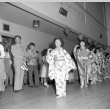
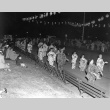
Black and white photographic negative of Obon dancers in two lines dancing before a crowd. Obon dancers from right to left, left line: unidentified, Helen Hachiya, Sumi Hachiya, and Arthur Ojiro “Art” Sasaki. Obon dancers from right to left, right line: Betty Nakashimada, and Aki (Shiraishi) Dong, remaining dancers unidentified. Obon is an annual event hosted …
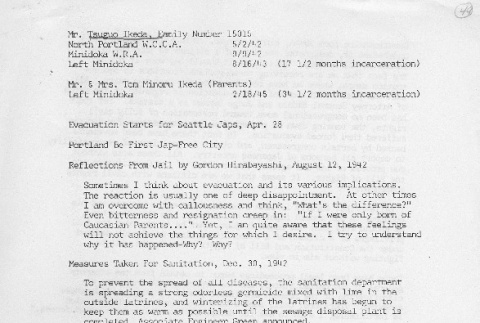
Written testimony of Tsuguo Ikeda. Incarcerated in the North Portland Assembly Center, Oregon, and the Minidoka concentration camp, Idaho. This testimony was presented at the CWRIC hearing in Seattle, Washington, on Wednesday, September 9, 1981, in the section titled "Documents Illustrating Camp Experiences and Attitudes."
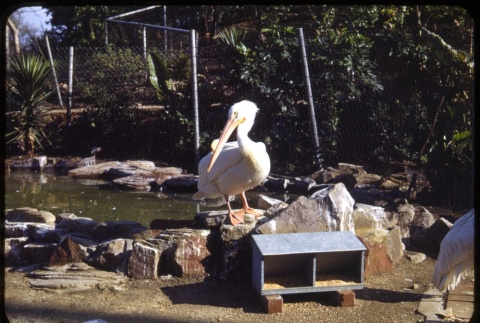
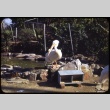
Color slide of a pelican perched on a rock. Image was most likely at the Portland Zoo in Washington Park (later moved to its current location from what is now the Japanese Gardans and renamed Oregon Zoo). According to donor processed on June 14, 1964.
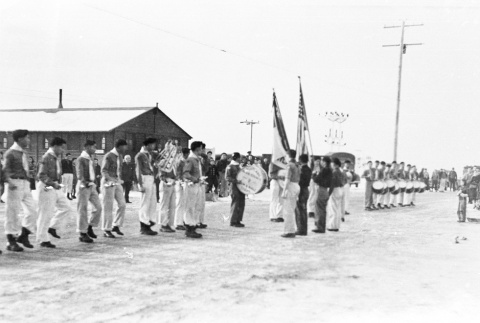
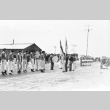
Original WRA caption: The Hunt District Boy Scouts Drum and Bugle Corps, parading in the administration area. This Drum and Bugle Corps, before evacuation was in Troop 123, Portland, Oregon. There are five troops in the Hunt District of the Snake River Area council.
Sent to the Portland Assembly Center, Oregon, with two children
This material is based upon work assisted by a grant from the Department of the Interior, National Park Service. Any opinions, finding, and conclusions or recommendations expressed in this material are those of the author(s) and do not necessarily reflect the views of the Department of …
FBI search of home and first arriving at Portland Assembly Center, Oregon
This material is based upon work assisted by a grant from the Department of the Interior, National Park Service. Any opinions, finding, and conclusions or recommendations expressed in this material are those of the author(s) and do not necessarily reflect the views of the …
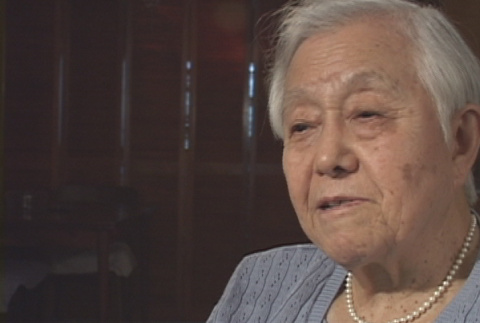
Nisei female. Born March 8, 1925, in Portland, Oregon. Lost mother at an early age and helped to take care of the family. During World War II, removed to the Portland Assembly Center, Oregon, and the Minidoka concentration camp, Idaho. After leaving camp, worked for a War Relocation Authority office helping to return confiscated property to …
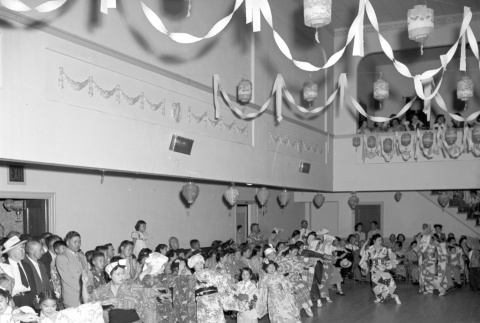
Black and white photographic negative of Obon dancers rehearsing an Odori folk dance inside Norse Hall in Northeast Portland. Dancers from left to right: Patricia “Pat” (Ikata) Iboshi, Marjory "Marge" (Ando) Smith, unidentified, unidentified, unidentified, Toshiko (Maekawa) Okino, Susan Shizuko (Yoshida) Kurimoto, and Nobuko Yoshida. Obon is an annual event hosted by the Oregon Buddhist Church …
Black and white photographic negative of Obon dancers practicing an Odori folk dance inside Norse Hall in Northeast Portland. Second dancer from the left is identified as Atsuko "Alice" (Matsumoto) Ando. Young boy and third standing audience member from the left is identified as Eddie Tamiyasu. Obon is an annual event hosted by the Oregon Buddhist …
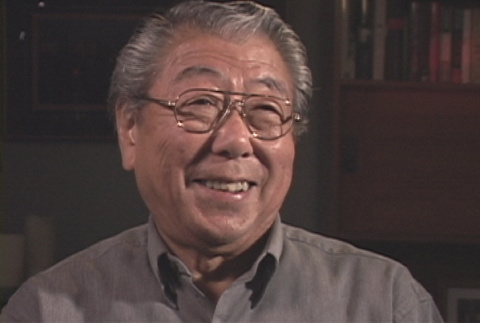
Nisei male. Born April 9, 1915, in Troutdale, Oregon. Grew up in several areas in Oregon where parents ran a farm. Started a grocery business before World War II. During the war, removed to the Portland Assembly Center, Oregon, and the Minidoka concentration camp, Idaho. After leaving camp, returned to Oregon and reestablished grocery business.
Nisei male. Born in Portland, Oregon. Grew up in Oregon, where parents ran a farm. In 1941, volunteered for the army and served as a medic during World War II. After military discharge, returned to Oregon and continued farming.
Nisei female. Born December 20, 1924, in Portland, Oregon. Incarcerated at the Portland Assembly Center, Oregon, and Minidoka concentration camp, Idaho. Resettled first in Denver, Colorado and later in Chicago, Illinois. Former witness chair for Chicago area hearings of the Commission on Wartime Relocation and Internment of Civilians (CWRIC) and former chairperson of the JACL Chicago …
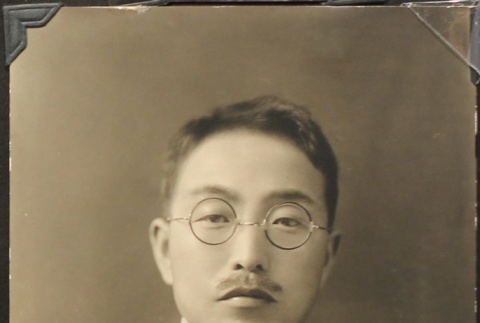
Caption by Homer Yasui: "Portrait of Daiichi Takeoka as a young man. This man was a highly influential in the Portland and in the Oregon Japanese communities. His oldest son, Kay, says that his father graduated from the University of Oregon law school in 1912...Daiichi Takeoka took a lead role in fighting discriminatory laws such as …
Issei female. Born March 14, 1906, in Japan, where family owned and operated a silkworm business. At age fifteen, immigrated to the United States to join father who was already there. Lived in Milwaukie, Oregon, before the war, and married and had six children. Husband passed away before World War II. During the war, removed to …
Nisei male. Grew up in Milwaukie, Oregon, where parents ran a farm. During World War II, removed to the Portland Assembly Center, Oregon, and the Minidoka concentration camp, Idaho. After leaving camp, returned to Oregon and resumed farming.
(This material is based upon work assisted by a grant from the Department of the Interior, National Park …
Nisei male. Born in Portland, Oregon. Grew up in Oregon, where parents ran a farm. In 1941, volunteered for the army and served as a medic during World War II. After military discharge, returned to Oregon and continued farming.
(This material is based upon work assisted by a grant from the Department of the Interior, National …
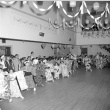
Black and white photographic negative of Obon dancers in a partial circle, a crowd encloses the dancers. Obon dancers right to left outer circle: Yoshino Fujii, Tamuro Miura, unidentified, Nobuko Yoshida, and Loretta (Fujii) Kaneko. Obon dancers right to left inner circle: fourth in Jimmy Yoshida, Patricia “Pat” (Ikata) Iboshi, Joe Shiraishi, and Yoneko (Aono) Sugimura. …
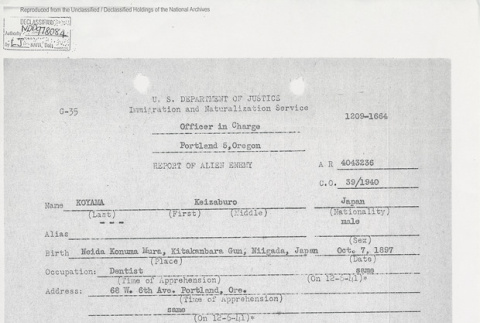
Photocopy of a declassified report on the status of Keizaburo Koyama. Koyama's status has changed from "Parolee" to "Alien enemy proceedings terminated" and he is currently residing at 219 W. Burnside, Portland 9, Oregon. The form lists his occupation as "Dentist" and that he is not deportable.
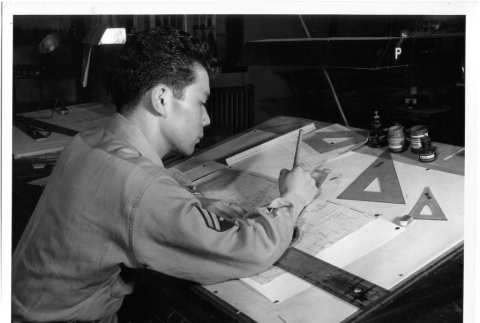
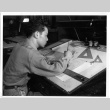
Original caption: Tec 5 George Fuyasho of Portland, Oregon, a Nisei Japanese draftsman for the Allied translator and interpreter section, General Headquarters, Allied Forces in the Pacific, prepares sketches and maps necessary for the production of documents, Floor plans and blueprints. Tokyo, Japan. 9-3-46.
Nisei male. Born July 31, 1926, in Kelton, Utah. Grew up in Kelton, where father worked for the railroad. After the bombing of Pearl Harbor, father was fired from the railroad. Mr. Yagi was drafted into the military during World War II. Eventually moved to Portland, Oregon.