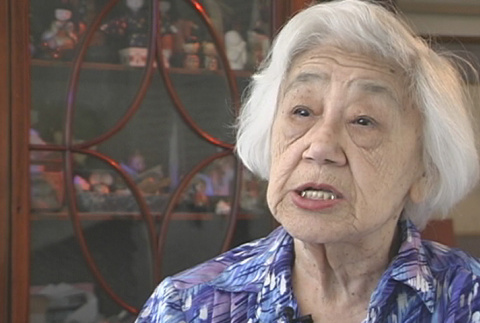
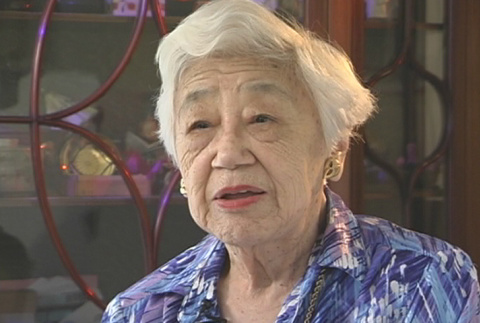
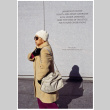
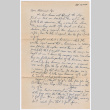
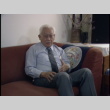
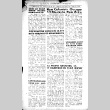
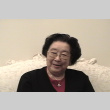
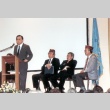
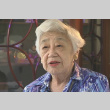
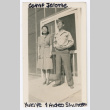
Caption on webpage: "Pictures from the later life of Meriko Maida, 1973-2012 / From Richmond to Sacramento / Meriko lived for many years in Richmond, California with her younger sister Junko and brother-in-law Shoichi Kimura. She later lived in various configurations with her other sister, Asako Tokuno. On some occasions, she visited both Seattle and Washington, …
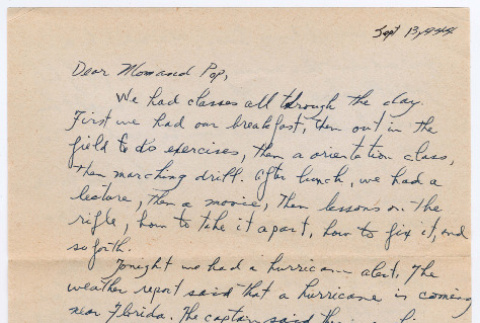
Mentions that there's a hurricane headed for Florida, but since camp is 300 miles away from the tip of FL, Tad isn't worried. Lessons are pretty easy for Tad since he learned a lot of the same stuff in ROTC. In camp, Tad says that "we have our serious moments and our funny ones" and that …
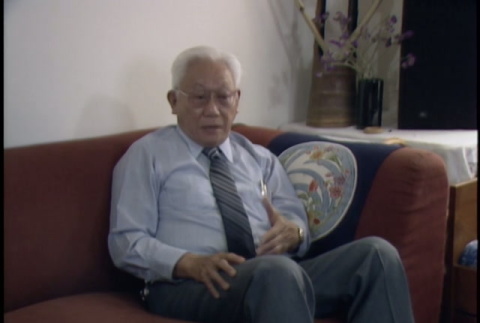
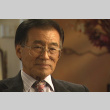
Ariyasu discusses military language school, his medical issues after the service, his life before the military, an argument he had with his peers over whether their section leader was qualified, and his service in New Caledonia. Video starts at 0:24. Loni Ding can be heard asking questions behind the camera. Original title: 84, II LA #25, …
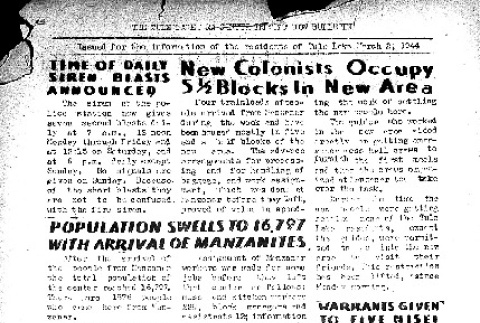
Selected article titles: "Time of Daily Siren Blasts Announced" (p. 1), "Population Swells to 16,797 with Arrival of Manzanites" (p. 1), "Cameraman Here from Life Mag." (p. 1), "New Colonists Occupy 5 1/2 Blocks in New Area" (p. 1), "Warrants Given to Five Nisei Granada Boys" (p. 1), "Internees to Send Shoyu to Families and Friends" …
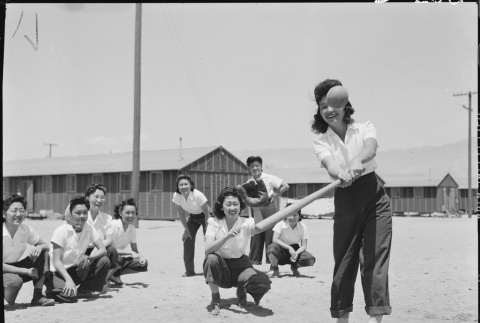
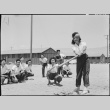
Original WRA caption: "Manzanar, California. [Unreadable] life goes between work hours for Japanese evacuees living at the Manzanar relocation center. Maye Noma crouches behind the plate as [unreadable] goes to bat in a practice game between members of a Los Angeles softball team which came intact to camp." Part of the WRA caption was covered by …
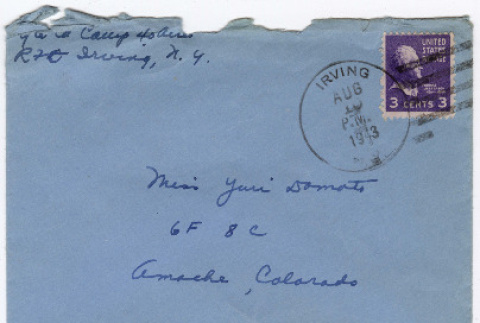
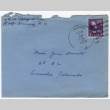
Two letters to Yuriko Domoto Tsukada mailed together, one from her niece Kayoko Riusaki and one from her sister Sonoko Domoto Riusaki. In the first letter Kayoko tells about joining the girl scouts, a cancelled scouting trip, and preparations on starting the 5th grade. In the second letter Sonoko writes about life in Gila River, being …
Not feeling too affected by resister status later in life
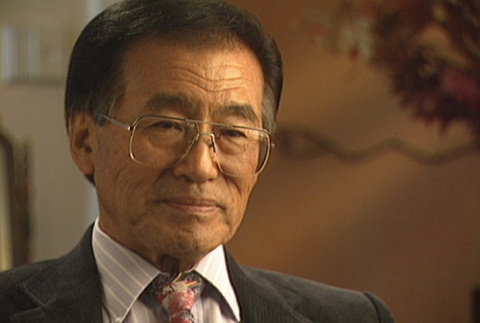
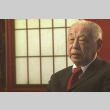
This interview was conducted by sisters Emiko and Chizuko Omori for their 1999 documentary, Rabbit in the Moon, about the Japanese American resisters of conscience in the World War II incarceration camps. As a result, the interviews in this collection are typically not life histories, …
Experiencing ostracism from the Japanese American community postwar; reflections on life
This interview was conducted by sisters Emiko and Chizuko Omori for their 1999 documentary, Rabbit in the Moon, about the Japanese American resisters of conscience in the World War II incarceration camps. As a result, the interviews in this collection are typically not life …
Thoughts on postwar life, feelings about the U.S. government: "I forgive them"
This interview was conducted by sisters Emiko and Chizuko Omori for their 1999 documentary, Rabbit in the Moon, about the Japanese American resisters of conscience in the World War II incarceration camps. As a result, the interviews in this collection are typically not …
Life in Manzanar concentration camp, California: lack of privacy, "dreadful food"
This interview was conducted by sisters Emiko and Chizuko Omori for their 1999 documentary, Rabbit in the Moon, about the Japanese American resisters of conscience in the World War II incarceration camps. As a result, the interviews in this collection are typically not life …
Postwar life: "I was bent on becoming as assimilated as possible"
This interview was conducted by sisters Emiko and Chizuko Omori for their 1999 documentary, Rabbit in the Moon, about the Japanese American resisters of conscience in the World War II incarceration camps. As a result, the interviews in this collection are typically not life …
Introduction to journalism, and starting up a Nisei magazine, Current Life
This interview was conducted by filmmaker Frank Abe for his 2000 documentary, Conscience and the Constitution, about the World War II resisters of conscience at the Heart Mountain incarceration camp. As a result, the interviews in this collection are typically not life histories, instead …
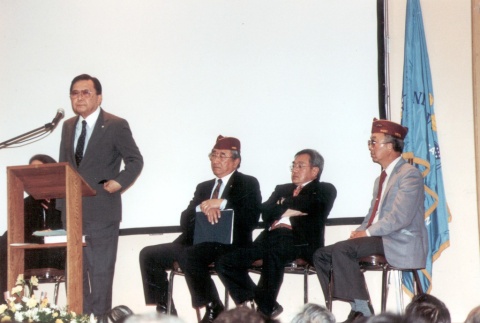
The Yanagihara collection contains materials from the pre-War, War, and post-War years. The pre-War photographs show life for the Yanagihara family. The Wartime photographs show life at Minidoka concentration camp in Hunt Idaho. The post-War photographs include events such as the redress movement and the memorial to Japanese American soldiers at the Nisei Veterans Hall in …
References are made to several of Nobu Suzuki's personal papers, which are currently available for public perusal at the University of Washington's Manuscripts and University Archives.
References are made to several of Nobu Suzuki's personal papers, which are currently available for public perusal at the University of Washington's Manuscripts and University Archives.
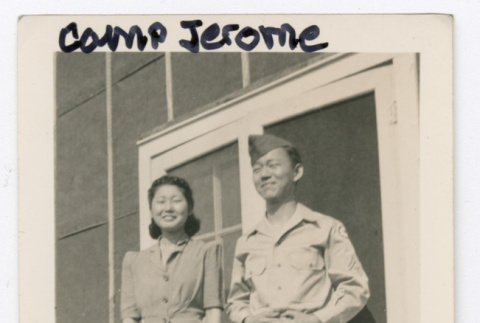
The Shimose Family collection consists of photographs documenting life at the Jerome concentration camp as well as military training service during WWII.
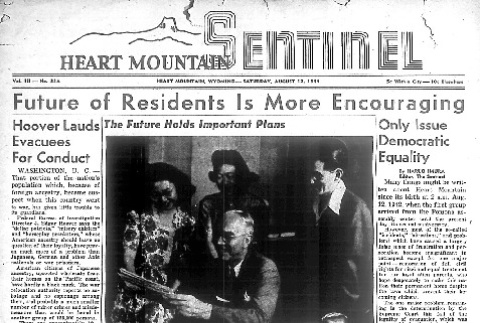
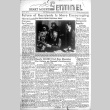
Selected article titles: "Future of Residents is More Encouraging; Only Issue Democratic Equality" (p. 1), "Hoover Lauds Evacuees for Conduct" (p. 1), "The Future Holds More Important Plans" (p. 1), "Christmas Comes -- Even Behind Barbed Wire" (p. 3), "Editorial: Biennial Balance" (p. 4), "Two Year Chronology of Heart Mountain Life Illustrates Drab and Colorful Aspects" …
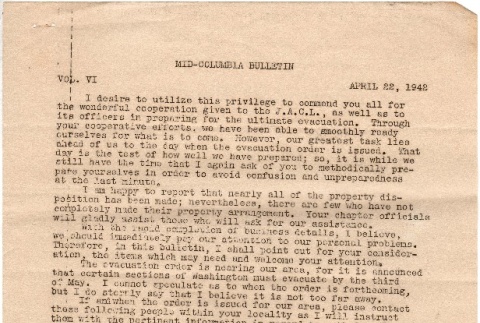
Mid-Columbia Bulletin newsletter. Vol. VI, April 22, 1942. Written by the J.A.C.L. (Japanese American Citizens League). Covers preparations for the incarceration of the Japanese American community, including packing, property sales, personal documents (e.g. wills, letters of recommendations, etc.), financial concerns, and other information regarding the evacuation order. Includes a description about what life at the Assembly …
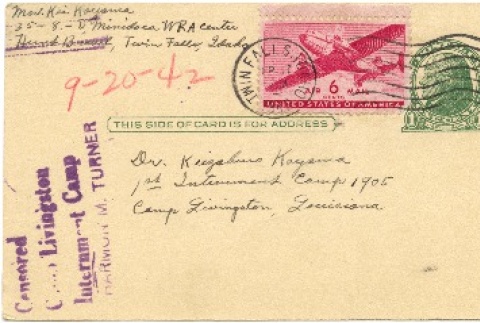
Front of postcard addressed to Dr. Keizaburo Koyama at Camp Livingston from his wife, Teru Koyama, at Minidoka. Postmarked Sep 17, 1942, over a six cent airmail stamp. To the left of the postmark “9-20-42” is written in red pencil. On the lower left corner is a purple "Censored" stamp. The message on the back is …
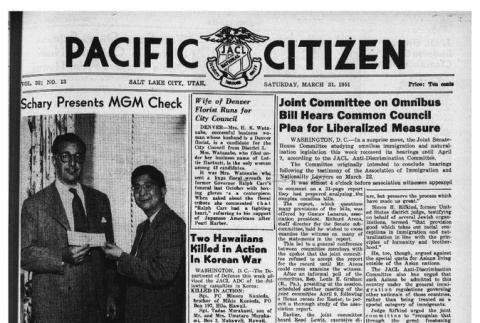
Selected article titles: "Joint Committee on Omnibus Bill Hears Common Council Plea for Liberalized Measure" (p. 1), "JACL Groups Endorse Slum Clearance Plan" (p. 2), "West Coast Express Interest in Obtaining Nisei Office Workers From Hawaii" (p. 2), "Federal Judge Recognizes U.S. Citizenship of Nisei Strandee" (p. 2), "Diary of Relocation Camp Life Will Be Edited …