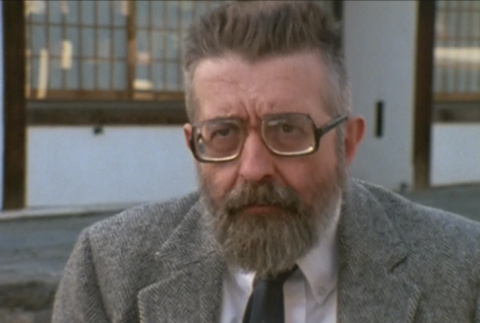
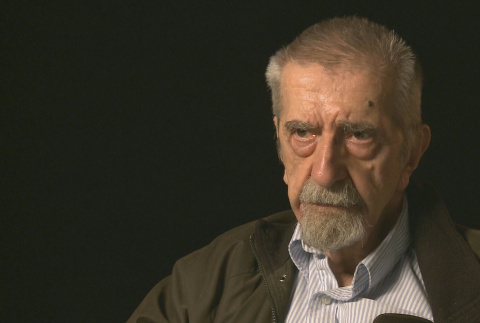
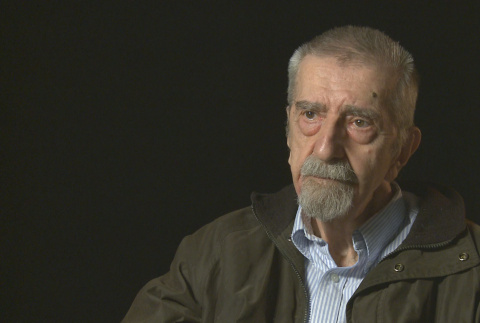
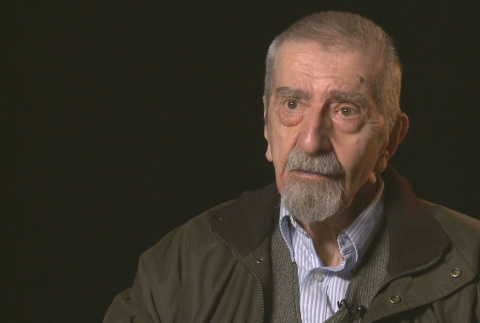
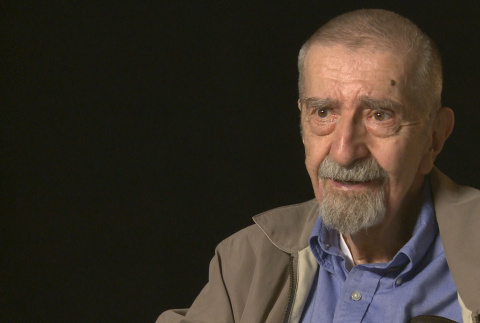
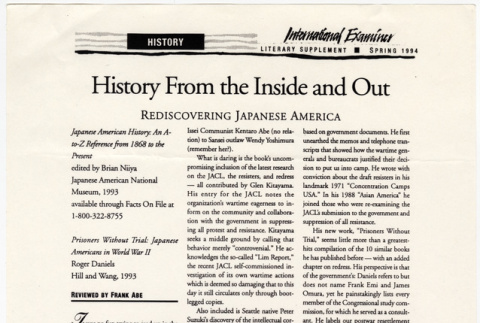
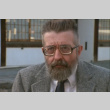
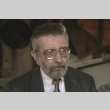
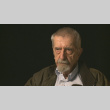
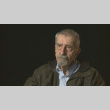
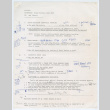
Caucasian male. Born December 1, 1927, in New York City, New York. Charles Phelps Taft Professor Emeritus of History, University of Cincinnati. Served as a consultant to the Commission on Wartime Relocation and Internment of Civilians from 1981 to 1983. Has researched and written numerous books about the Japanese American experience, including Prisoners Without Trial: Japanese …
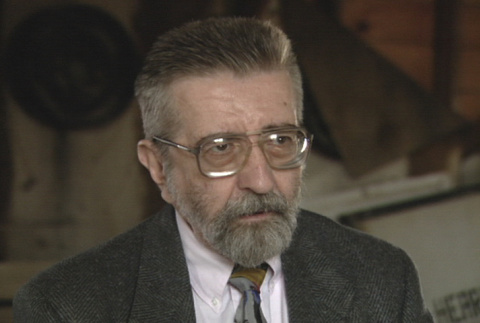
White male. Born December 1, 1927, in New York City, New York. Charles Phelps Taft Professor Emeritus of History, University of Cincinnati. Served as a consultant to the Commission on Wartime Relocation and Internment of Civilians from 1981 to 1983. Has researched and written numerous books about the Japanese American experience, including Prisoners Without Trial: Japanese …
Caucasian male. Born December 1, 1927, in New York City, New York. Charles Phelps Taft Professor Emeritus of History, University of Cincinnati. Served as a consultant to the Commission on Wartime Relocation and Internment of Civilians from 1981 to 1983. Has researched and written numerous books about the Japanese American experience, including Prisoners Without Trial: Japanese …
Caucasian male. Born December 1, 1927, in New York City, New York. Charles Phelps Taft Professor Emeritus of History, University of Cincinnati. Served as a consultant to the Commission on Wartime Relocation and Internment of Civilians from 1981 to 1983. Has researched and written numerous books about the Japanese American experience, including Prisoners Without Trial: Japanese …
Caucasian male. Born December 1, 1927, in New York City, New York. Charles Phelps Taft Professor Emeritus of History, University of Cincinnati. Served as a consultant to the Commission on Wartime Relocation and Internment of Civilians from 1981 to 1983. Has researched and written numerous books about the Japanese American experience, including Prisoners Without Trial: Japanese …
Caucasian male. Born December 1, 1927, in New York City, New York. Charles Phelps Taft Professor Emeritus of History, University of Cincinnati. Served as a consultant to the Commission on Wartime Relocation and Internment of Civilians from 1981 to 1983. Has researched and written numerous books about the Japanese American experience, including Prisoners Without Trial: Japanese …
Volume 6 divides into six sections. Description about this volume reads directly from the book as follows: Section 1 presents archival documents from June 1942 that show the first major modifications of relocation policies and depict the resistance by Western Defense Command to any amelioration of the condition of the Japanese Americans. Section 2 contains selected …
Volume 8 divides into five sections. Description about this volume reads directly from the book as follows: Part 1 features archival documents from 1944 and 1945 that depict the winding down of the relocation program. Part 2 features selected pages of a Congressional Record from February 23, 1944 and June 23, 1944 that resulted in the …
Volume 5 divides into two sections. Description about this volume reads directly from the book as follows: The first half of volume 5 includes archival documents from May 1942 which show the Army making California and the other West Coast areas "free" of Japanese, as first the Assembly Centers and then the Relocation Centers began to …
Volume 1 divides into three sections. Description about this volume reads directly from the book as follows: The first section contains archival documents regarding pre-Pearl Harbor materials that deal largely with discussion between the War and the Justice Departments over responsibilities for enemy aliens in case of war and with internal Army documents about construction of …
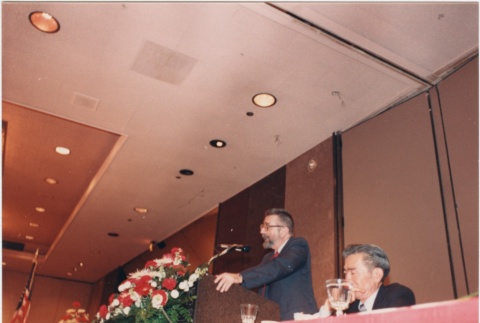
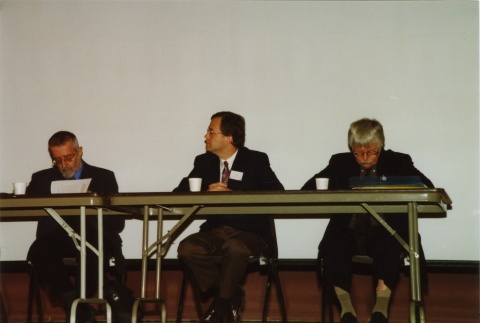
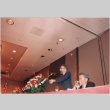
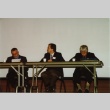
"The Nikkei Experience in the Pacific Northwest" conference at the University of Washington. (L to R): Roger Daniels, Eric Muller, and Art Hansen speaking on a panel.
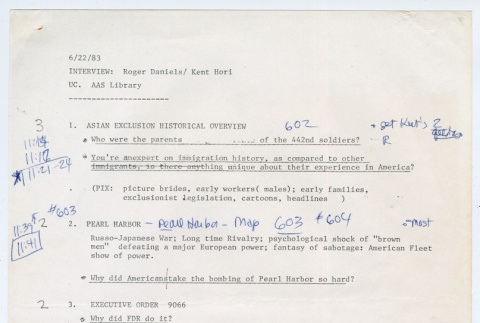
Daniels discusses what may have happened if the Japanese American community resisted evacuation en masse, how Japanese Americans were placed under 4C (enemy alien, undraftable) status and the military's eventual interest in Japanese Americans (particularly Kibei) for intelligence work, the importance of the 100th Battalion and the 442nd Regimental Combat Team, the loyalty questionnaire, the persecution …
Daniels discusses the reaction to Pearl Harbor, anti-Japanese sentiment and hysteria, the decision to incarcerate, reactions to EO 9066, James Omura's testimony against internment (and reads a letter Omura wrote), the treatment of German and Italian Americans during the war, the process of evacuation, and resistance to evacuation. Part 1 of this interview is not in …
Volume 2 divides into two sections. Description about this volume reads directly from the book as follows: The first section features archival documents that show chiefly how the decision to relocate the West Coast Japanese evolved from conflicting views both outside and inside the executive branch. The second section features reports of the Anti-Axis Committee, Los …
Description about this volume reads directly from the book as follows: Volume 9 contains archival documents from June 1942 to November 1945 which show how some within the military and government establishments were considering the use of Japanese American manpower and special skills. The use of this manpower, as De Witt and his key subordinates correctly …
Volume 3 divides into 4 sections. Description about this volume reads directly from the book as follows: Section 1 contains archival documents from February 20, 1942 to March 19, 1942 regarding the basic decision of how to remove more than 100,000 human beings which was delegated to General De Witt and his staff. Section 2 contains …
Volume 7 divides into three sections. Description about this volume reads directly from the book as follows: The first section containing archival documents from 1943 depict the continuing resistance of General De Witt and his subordinates to the "liberalization" of policies toward Japanese Americans. This section also contains the White House response to the congressional criticism …
Discussion of the Japanese American immigrant experience (audio only)
This interview is audio-only. It contains raw footage used by Steven Okazaki in his 1985 film Unfinished Business.
This material is based upon work assisted by a grant from the Department of the Interior, National Park Service. Any opinions, finding, and conclusions or recommendations expressed in …
Changes within the Japanese American community leading up to redress (audio only)
This interview is audio-only. It contains raw footage used by Steven Okazaki in his 1985 film Unfinished Business.
This material is based upon work assisted by a grant from the Department of the Interior, National Park Service. Any opinions, finding, and conclusions or …
Physical and psychological effects of camp on Japanese Americans (audio only)
This interview is audio-only. It contains raw footage used by Steven Okazaki in his 1985 film Unfinished Business.
This material is based upon work assisted by a grant from the Department of the Interior, National Park Service. Any opinions, finding, and conclusions or recommendations …