
5890 items

5890 items
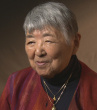
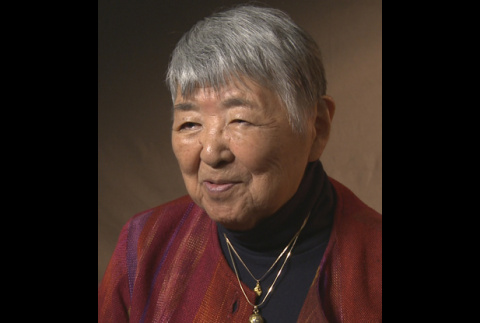
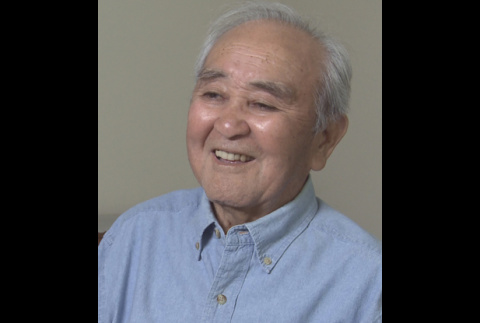
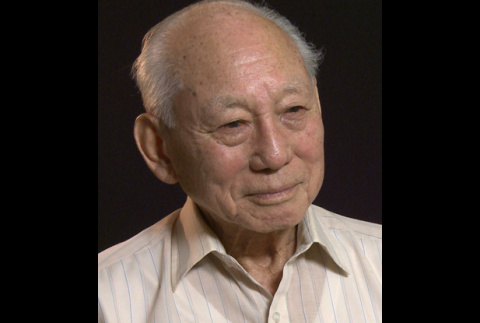
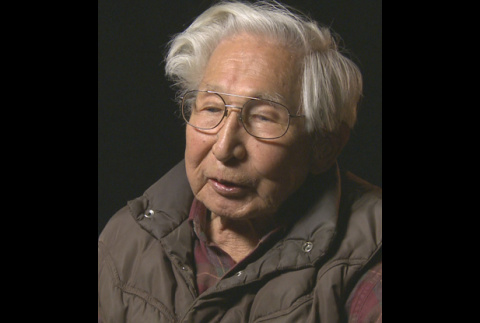
Narrator Aya Uenishi Medrud
Nisei female. Born April 9, 1925, in Malden, Washington. Grew up in Seattle, Washington, before being removed with family to the Puyallup Assembly Center, Washington, and the Minidoka concentration camp, Idaho. From Minidoka, relocated with family to Utica, New York. Worked in Japan for the U.S. Army of Occupation, and for the Tokyo General Army Hospital …
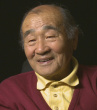
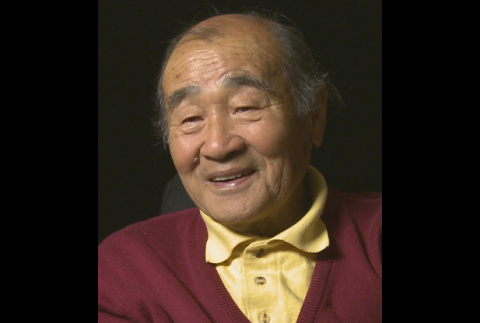
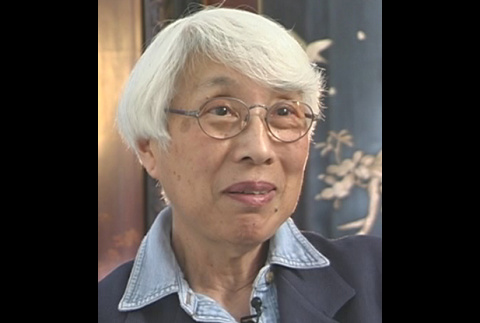
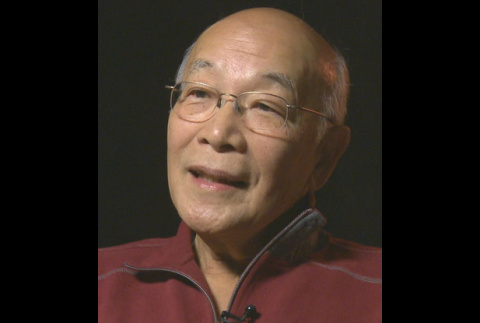
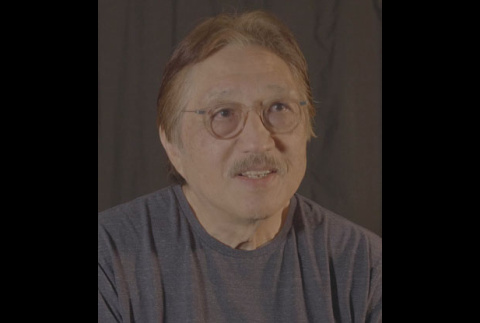
Narrator Charles Oihe Hamasaki
Nisei male. Born October 7, 1922, in Japan, while parents were visiting family. Came to the U.S. at three months old, and grew up in Terminal Island, California. After the bombing of Pearl Harbor, picked up along with Issei father and taken to Fort Lincoln (Bismarck), North Dakota. Transferred from Fort Lincoln to the Santa Anita …
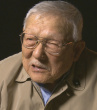
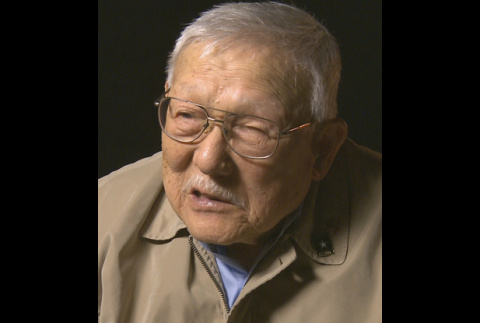
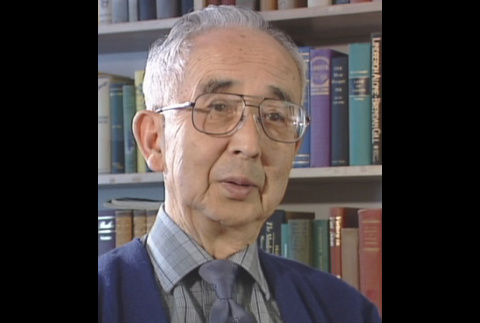
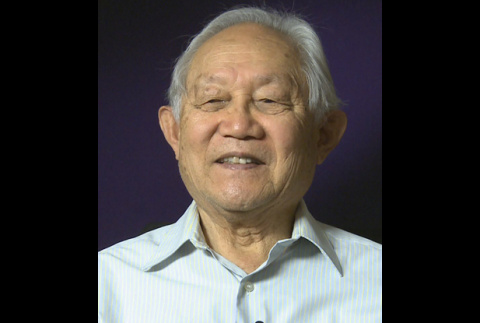
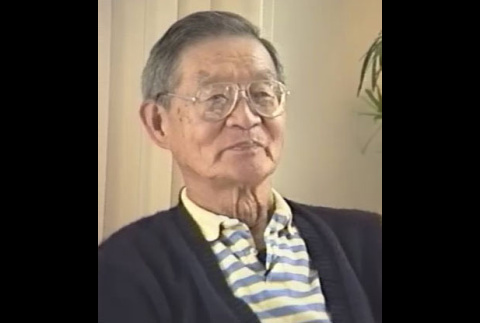
Narrator Kiwamu "Kiyo" Tsuchida
Nisei male. Born February 2, 1923, in Auburn, Washington. Grew up in Auburn, where father worked for the Great Northern Railroad and the family also ran a farm. During World War II, removed to the Pinedale Assembly Center and Tule Lake concentration camp, Oregon. Family then transferred to the Topaz concentration camp, Utah. Kiwamu left camp …
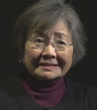
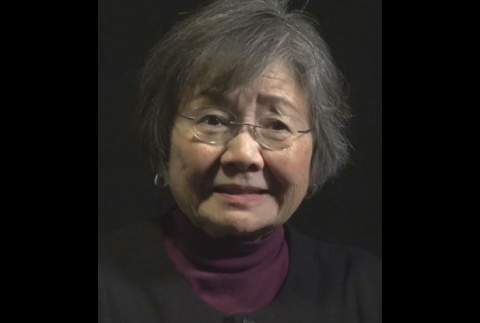
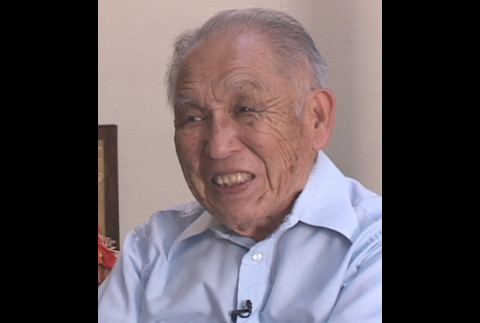
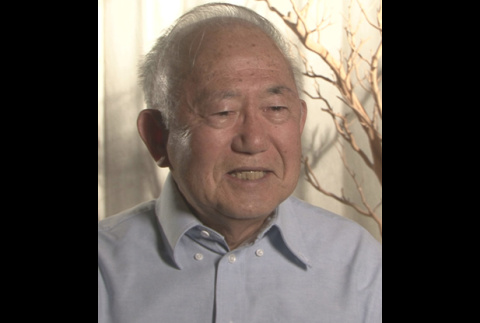
Narrator Fumino Tsuchiya-Knox
Sansei female. Born February 20, 1945, at the Manzanar concentration camp, California. Prior to the war, her father, an Issei, was a curator at the Harding Museum in Chicago. After the bombing of Pearl Harbor, her parents decided to volunteer to go early to Manzanar to help set up the camp. After leaving Manzanar, the family …
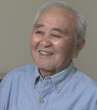
Narrator Giro Nakagawa
Nisei male. Born March 13, 1921, in Seattle, Washington. Grew up in Kent, Washington, where parents ran a farm. In the 1930s, moved to South Bend, Washington, to work for the New Washington Oyster Company. During World War II, removed to the Pinedale Assembly Center, California, and soon left to work on farms in Utah for …
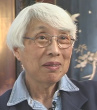
Narrator Chizuko Norton
Nisei female. Born July 3, 1924, in Seattle, Washington. Spent prewar childhood in Japan; Bellevue, Washington; and Kirkland, Washington. Incarcerated at Pinedale Assembly Center, California, and Tule Lake concentration camp, California. Returned to Seattle after the war, obtained master's degree from the University of Washington in the field of social work. Founded Seattle's first alternative school …
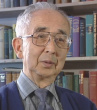
Narrator Shosuke Sasaki
Issei male. Born March 26, 1912, in Yamaguchi-ken, Japan. Immigrated to United States in 1919. Lived in Pomeroy, Washington, and Seattle, Washington, before World War II. Incarcerated at the Puyallup Assembly Center, Washington and the Minidoka concentration camp, Idaho. Resettled in New York. As a member of the Newspaper Guild, led effort to eliminate pejorative use …
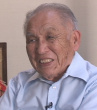
Narrator James Yamazaki
Nisei male. Born July 6, 1916. Grew up in the Los Angeles area, where father was a Buddhist minister. Attended medical school before World War II. During the war, served in the U.S. Army as a doctor with the 106th Infantry Division in Europe. Captured during the Battle of the Bulge and was held in several …
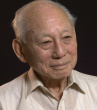
Narrator Yoshimi Matsuura
Nisei male. Born May 3, 1918, in Fowler, California. Grew up in Fowler, eventually running family's farm prior to World War II. After the bombing of Pearl Harbor, married and was removed to the Gila River concentration camp, Arizona. Left camp for Minneapolis, Minnesota, to join the National Youth Administration (NYA) for training. Upon arrival, was …
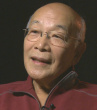
Narrator Kaz T. Tanemura
Male, Issei-han. Born April 27, 1928, in Japan. As an infant, came to the U.S. where parents had previously immigrated. Family ran a hotel in Seattle's Pioneer Square neighborhood. After the bombing of Pearl Harbor, removed to the Puyallup Assembly Center, Washington, and the Minidoka concentration camp, Idaho. After the war, returned to Seattle, finished high …
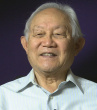
Narrator Frank H. Hirata
Kibei-Nisei male. Born November 19, 1925, in Spokane, Washington. At the age of ten, went to Japan with grandfather. During World War II, was conscripted into the Japanese army, and was still in training when the war ended. After the war, continued education, graduating from Kyoto University with a law degree. Got married in 1957 and …
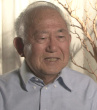
Narrator Yukio Kawaratani
Nisei male. Born May 30, 1031, in San Juan Capistrano, California. Grew up in various places in California. During World War II, was removed with family to the Poston concentration camp, Arizona. While in Poston, family signed "no-no" on the so-called "loyalty questionnaire" and was transferred to Tule Lake. Father and two older brothers renounced their …
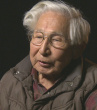
Narrator Warren Koichi Suzuki
Nisei male. Born February 27, 1921, in Seattle, Washington. At age ten, was sent to Japan to live and attend school. Returned to Seattle prior to World War II. During the war, was removed to the Puyallup Assembly Center, Washington, and the Minidoka concentration camp, Idaho. Answered "no-no" on the so-called "loyalty questionnaire" and was transferred …
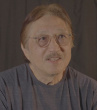
Narrator Mike Murase
Sansei male. Born January 25, 1947, in Tsuyama, Okayama, Japan. Moved to the U.S. with family at age nine and grew up in Los Angeles, California. Graduated from UCLA and was involved in a number of civil rights movements and organizations. One of the founders of Gidra, the groundbreaking Asian American publication. Worked for both of …
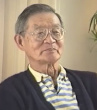
Narrator Hiroshi Uyehara
Nisei male. Born January 1, 1916, in Oakland, California. Grew up in the Los Angeles area where father started a fish cake factory. Attended UCLA and UC Berkeley and then worked as an electrical draftsman for the Department of Water and Power for the City of Los Angeles. After Japan bombed Pearl Harbor on December 7, …

Narrator George Oye
Kibei male. Born 1915 in Florin, California. From age seven to seventeen, lived in Japan when the family decided to move there. Returned to the United States in 1932 and attended school. Accepted into the California civil services, but was fired after World War II began. During the war, removed to the Fresno Assembly Center, California, …
doc
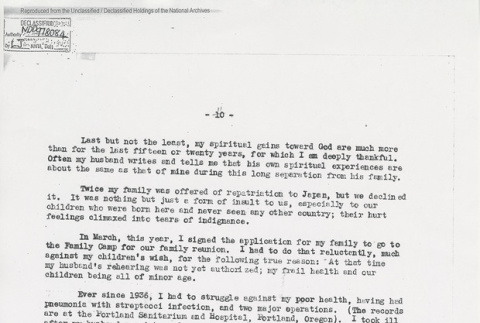
Typed and notarized letter from Teru Koyama to Edward J. Ennis, Director, Enemy Alien Control Unit. Page 11 of 13. (ddr-one-5-238)
Photocopy of a typed letter from Teru Koyama to Edward J. Ennis concerning the rehearing of Keizaburo Koyama's case. Mrs. Koyama then goes on about her faith and that of her husband's. In both of their cases, they say that their incarceration has helped them to become better Christians. She also talks about her declining health …
doc
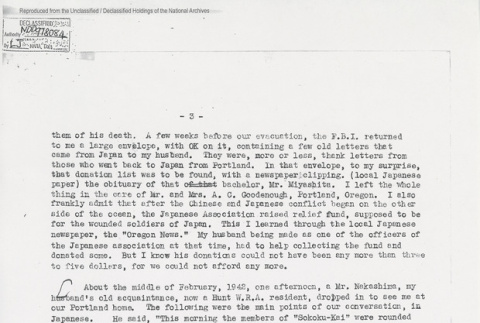
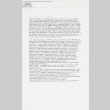
Typed and notarized letter from Teru Koyama to Edward J. Ennis, Director, Enemy Alien Control Unit. Page 3 of 13. (ddr-one-5-230)
Photocopy of a typed letter from Teru Koyama to Edward J. Ennis concerning the rehearing of Keizaburo Koyama's case. On the third page, Teru continues to explain her husband's involvement in the Nihonjin-Kai. She said before she was interned, she received a stack of letters addressed to her husband that the FBI had confiscated and later …
doc
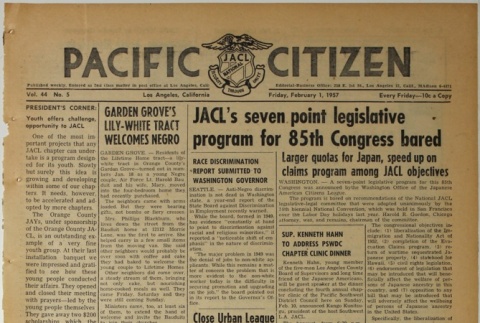
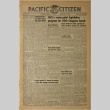
Pacific Citizen, Vol. 44, No. 5 (February 1, 1957) (ddr-pc-29-5)
Selected article titles: "JACL's seven point legislative program for 85th Congress bard Larger quotas for Japan, speed up on claims program among JACL objectives" (p. 1); "Race Discrimination report submitted to Washington Governor" (p.1); "Protest against Dr. Sammy Lee moving to Santa Ana change to welcome signs" (p. 1); "Nisei killed in air crash over school" …
doc
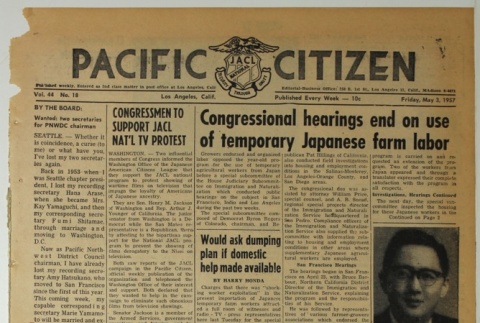
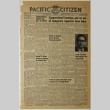
Pacific Citizen, Vol. 44, No. 18 (May 3, 1957) (ddr-pc-29-18)
Select article titles: "Congressional hearings end on use of temporary Japanese farm labor" (p. 1); "Congressmen to support JACL Nat'l TV protest" (p. 1); "Active Chicagoan Mike Hagiwara dies unexpectedly" (p. 1); "Denver TV stations promis no showing of anti-Nisei films" (p. 1); "Parents of grade school pupils urged to protest use of 'Firelight Reader'" (p. …
doc
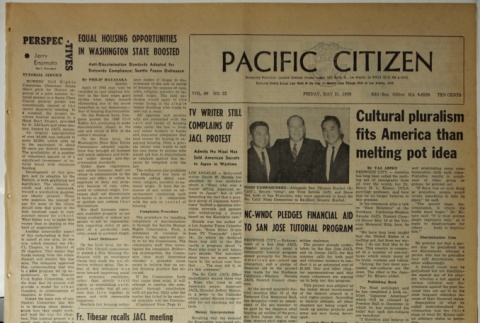
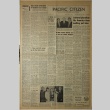
Pacific Citizen, Vol. 66, No. 22 (May 31, 1968) (ddr-pc-40-22)
Selected article titles: "Equal housing opportunities in Washington state boosted" (p. 1), "Fr. Tibesar recalls JACL meeting day after Pearl Harbor incident" (p. 1), "TV writer still complains of JACL protest. Admits no Nisei has sold American secrets to Japan in wartime" (p. 1), "Cultural pluralism fits America than melting pot idea" (p. 1), "Inouye warns …
doc
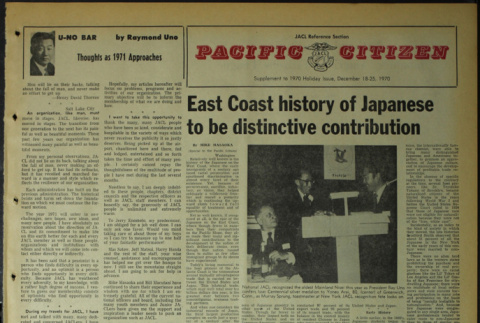
Pacific Citizen, Vol. 71, No. 25 (December 18, 1970) (ddr-pc-42-50)
Selected article titles: "East Coast history of Japanese to be distinctive contribution" (p. 1), "National Constitution Japanese American Citizens League" (p. 2), "JACL chapter presidents" (p. 4), "JACL Bowling Tournament Champions" (p. 7), "The JACL Story: For Better Americans in a Greater America" (p. 9), "Heart Mountain WRA Camp residents sound off before a Dies Committee …
doc
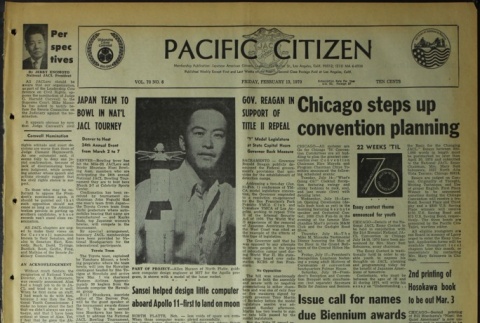
Pacific Citizen, Vol. 70, No. 6 (February 13, 1970) (ddr-pc-42-6)
Selected article titles: "Japan team to bowl in nat'l JACL tourney" (p. 1), "Sansei helped design little computer aboard Apollo 11-first to land on moon" (p. 1), "Gov. Reagan in Support of Title II Repeal" (p. 1), "Japanese and Indian claims methods against U.S. compared" (p. 1), "Chicago steps up convention planning" (p. 1), "Issue call …
img
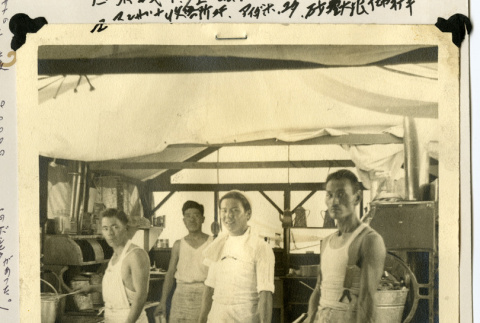
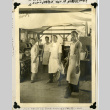
Mess hall at Civilian Conservation Corps Camp (ddr-csujad-38-21)
Photographed is a mess hall at Civilian Conservation Corps Camp, Rupert, Idaho. Includes George Nobuo Naohara. The caption reads: The mess hall of C.C.C. Camp [Civilian Conservation Corps Camp] was well furnished with good kitchen appliances and tools. I was raised in Japan and did not know how to operate or use them, but I was …
doc
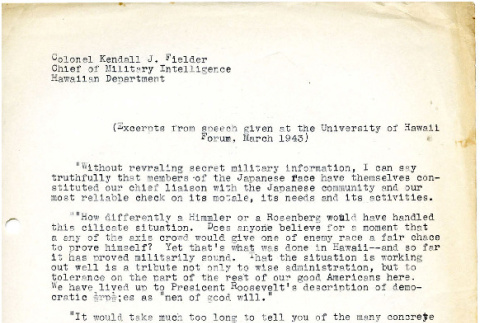
Excerpts from speech given at the University of Hawaii Forum, March 1943 (ddr-csujad-19-3)
Excerpts from speech given at the University of Hawaii Forum, March 1943. The document presents three quoted passages from the speech, one concerning the role of people of "the Japanese race" in serving as liaisons who can provide the most reliable check on the morale, needs, and activities of "the Japanese community"; one comparing the United …