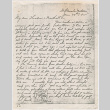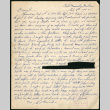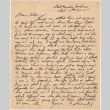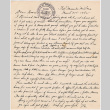
Department of Justice camps

More than 5,500 Japanese immigrants (Issei) were arrested by the FBI following the attack on Pearl Harbor. Most were sent first to temporary Immigration and Naturalization Service (INS) detention stations and then transferred to Department of Justice (DOJ) internment camps, where they waited to appear before the Alien Enemy Hearing Board. These hearings determined whether the Issei would remain in the internment camps or be "released" to the War Relocation Authority (WRA) concentration camps. After the hearings, most of the Issei were sent to U.S. Army internment camps. The U.S. Army, charged with detaining military prisoners of war (POWs), then returned the Issei internees to DOJ control. The DOJ camps also interned Italian and German nationals and Japanese Latin Americans. Most of the DOJ internment camps held only men who had been separated from their families, but three camps housed single women and families. The camps were run by the INS, part of the Department of Justice.

World War II (277)
Department of Justice camps (416)

Related articles from the Densho Encyclopedia :
Crystal City (detention facility), Fort Lincoln (Bismarck) (detention facility), Fort Missoula (detention facility), Fort Stanton (detention facility), J. Edgar Hoover, Kenedy (detention facility), Kooskia (detention facility), Old Raton (detention facility), Santa Fe (detention facility), Seagoville (detention facility), Sites of incarceration
Facilities
Format
Genre
Usage

Use <Ctrl> or (⌘) keys to select multiple terms

416 items
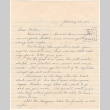
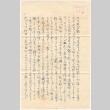
Letter to Kinuta Uno at Fort Missoula (ddr-densho-324-2)
doc Letter to Kinuta Uno at Fort Missoula (ddr-densho-324-2)
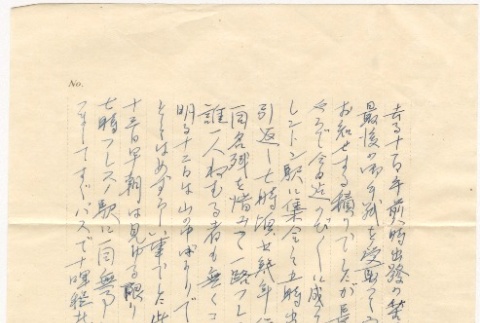
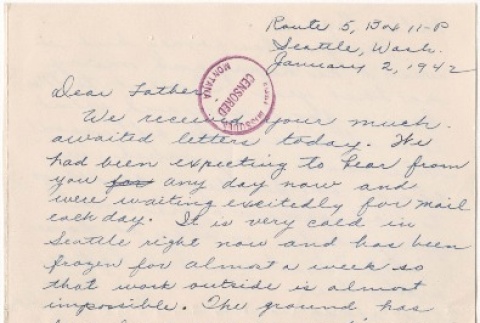
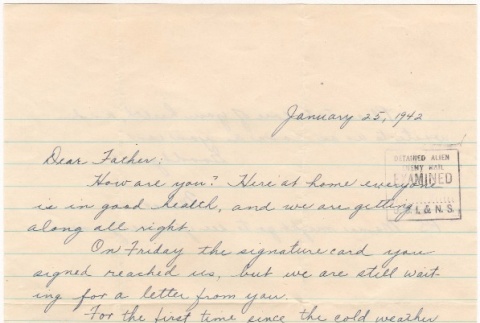
Correspondence from Kinuta Uno's daughter discussing gardening and the start date for his trial.
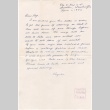
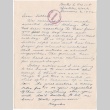
Letter to Kinuta Uno at Fort Missoula (ddr-densho-324-7)
doc Letter to Kinuta Uno at Fort Missoula (ddr-densho-324-7)
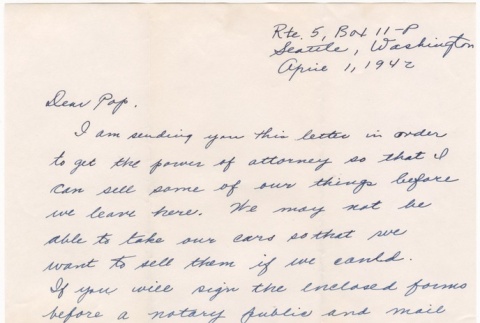
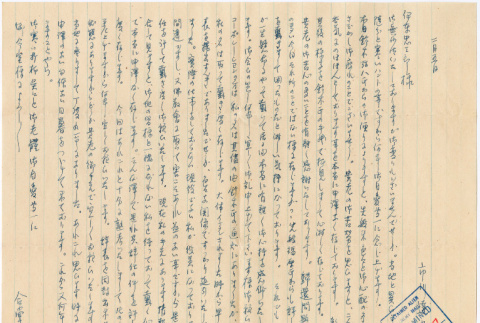
Correspondence from Kinuta Uno's daughter requesting power of attorney to sell their belongings before being removed.
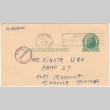
Postcard send to Kinuta Uno at Fort Missoula (ddr-densho-324-21)
doc Postcard send to Kinuta Uno at Fort Missoula (ddr-densho-324-21)
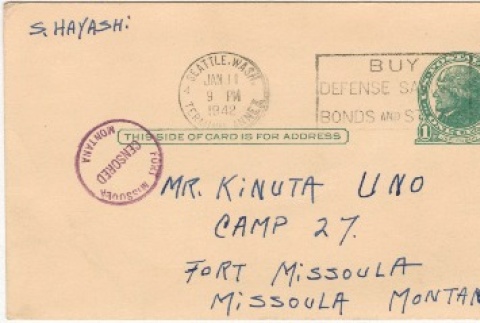
Correspondence from S. Hayashi updating Kinuta Uno on his family.
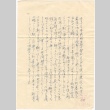
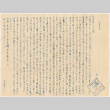
Letter to Kinuta Uno at Fort Missoula (ddr-densho-324-16)
doc Letter to Kinuta Uno at Fort Missoula (ddr-densho-324-16)
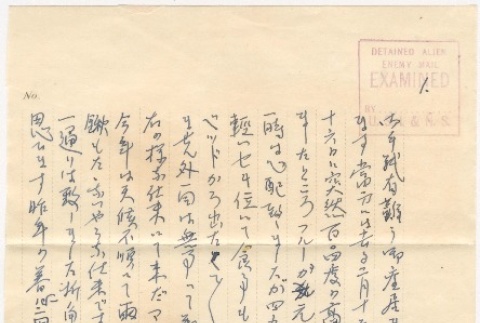
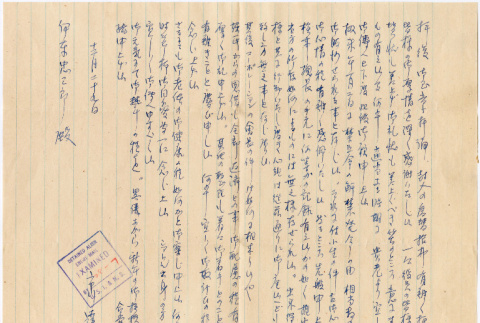
Correspondence from Kinuta Uno's daughters regarding daily life.
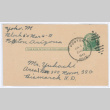
Postcard to Yuhachi Miyagi from Akiko Miyagi (ddr-densho-416-2)
doc Postcard to Yuhachi Miyagi from Akiko Miyagi (ddr-densho-416-2)
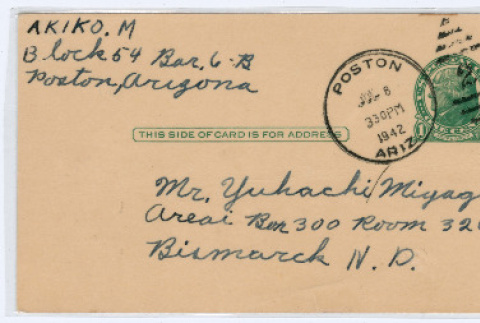
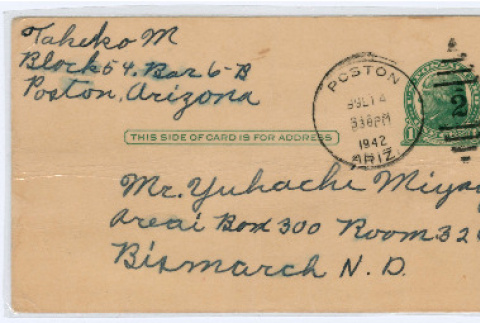
Postcard to Yuhachi Miyagi from his daughter Akiko Miyagi. Akiko tells about a sandstorm on July 3rd, how her younger brother Donald can now say "goodbye" and how the tempature in Arizona is very hot. Per donor, this letter was written by the older sister Takeko (aged 9) for Akiko (aged 3).
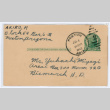
Postcard to Yuhachi Miyagi from Takeko Miyagi (ddr-densho-416-3)
doc Postcard to Yuhachi Miyagi from Takeko Miyagi (ddr-densho-416-3)
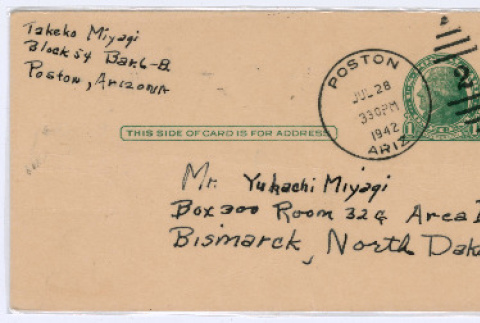
Postcard to Yuhachi Miyagi from his daughter Takeko Miyagi. Takeko writes about how her brother just turned 7 months old, how she hopes her father enjoyed the postcards from her younger sisters Akiko and Yoko, and tells him about going to school.
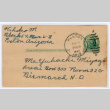
Postcard to Yuhachi Miyagi from Takeko Miyagi (ddr-densho-416-4)
doc Postcard to Yuhachi Miyagi from Takeko Miyagi (ddr-densho-416-4)
Postcard to Yuhachi Miyagi from his daughter Takeko Miyagi. Takeko writes about receiving candy from Yuhachi, how her sister, Akiko, was excited about the last telegram they received from him, and a watermelon the family bought.
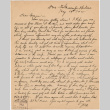
Postcard to Yuhachi Miyagi from Yoko Miyagi (ddr-densho-416-1)
doc Postcard to Yuhachi Miyagi from Yoko Miyagi (ddr-densho-416-1)
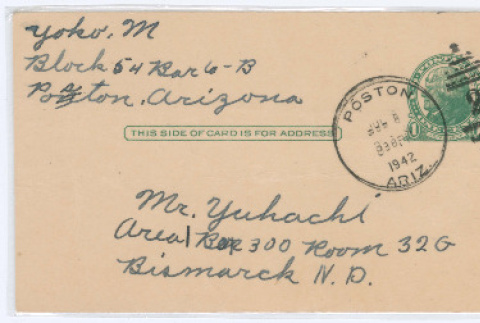
Postcard to Yuhachi Miyagi from his daughter Yoko Miyagi. Yoko writes about how her sister Akiko misses him and wants him to join the family soon. Yoko also writes about her her brother Donald stood up for the first time on July 1st. Per donor, this letter was written by the older sister Takeko (aged 9) …
Letter from Chimata Sumida to Grace Sumida Nagai (ddr-densho-379-22)
doc Letter from Chimata Sumida to Grace Sumida Nagai (ddr-densho-379-22)
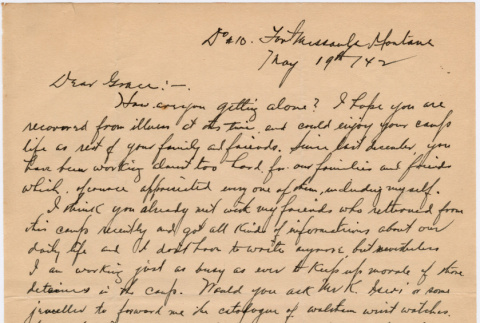
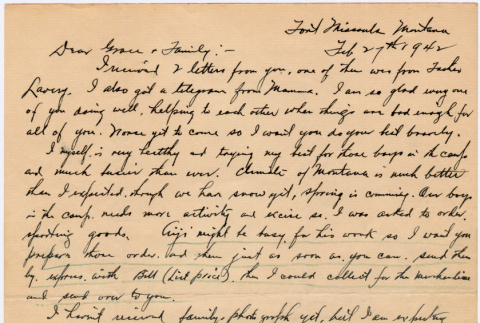
Letter asks for help purchasing watches and used golf clubs for other internees. Chimata Sumida states that since some of the internees have returned to Los Angeles and filled the family in on news at Ft. Missoula, he no longer needs to let them know the daily news.
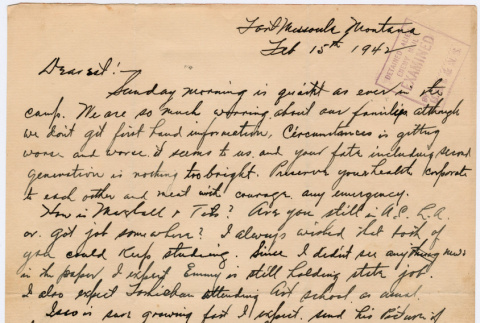
Letter from Chimata Sumida to Theodore and Marshall Sumida (ddr-densho-379-36)
doc Letter from Chimata Sumida to Theodore and Marshall Sumida (ddr-densho-379-36)
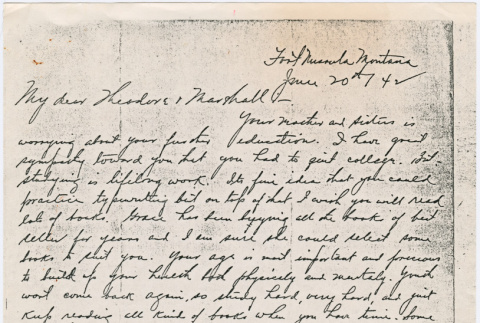
Letter gives fatherly advice regarding future education, and stresses importance of reading all kinds of books. Chimata Sumida writes that he spoke to members of the "Hearing Board from southern California" about "plan and methods of future education" for assembly camp internees.
Letter from Chimata Sumida to his family (ddr-densho-379-1)
doc Letter from Chimata Sumida to his family (ddr-densho-379-1)
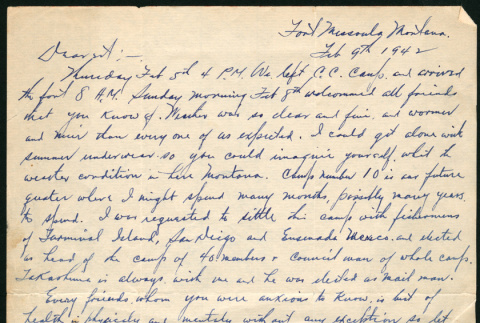
First letter from Chimata Sumida to his wife, Masako Sumida, after arriving at Ft. Missoula Internment Camp from Tuna Canyon.
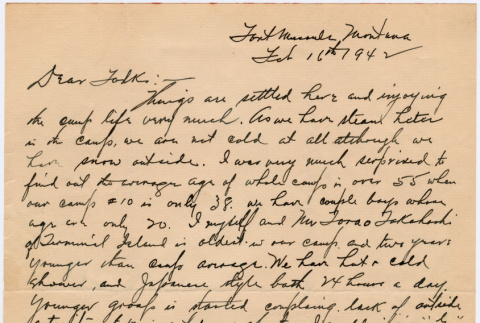
Letter from Chimata Sumida to Sumida Family (ddr-densho-379-5)
doc Letter from Chimata Sumida to Sumida Family (ddr-densho-379-5)
Letter describes life in the Ft. Missoula internment camp. He states that the overall age of men in camp is over 55. The Japanese Camp's average age is 38.
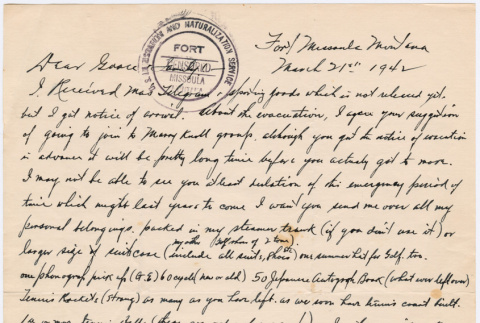
Letter from Chimata Sumida to Grace Sumida and Family (ddr-densho-379-12)
doc Letter from Chimata Sumida to Grace Sumida and Family (ddr-densho-379-12)
Letter requests the family sends all of his personal belongings since he might not be able to see them during the "duration of this emergency period of time which might last years." He requested tennis equipment be sent because they would soon have a tennis court at Ft. Missoula.
Chimata Sumida Department of Justice Case File (ddr-densho-379-750)
doc Chimata Sumida Department of Justice Case File (ddr-densho-379-750)
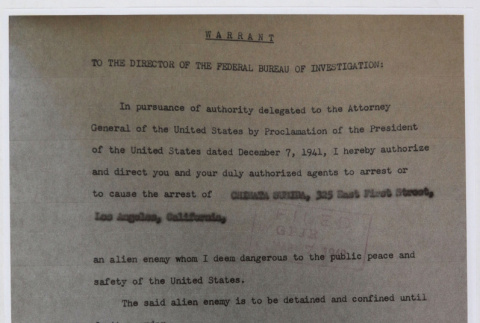
Chimata Sumida's Department of Justice File includes the warrant for his arrest on January 19, 1942; a FBI investigation report that focused on Sumida's store and the inclusion of a stock of radios with short-wave capabilities; Sumida's Alien Enemy Questionnaire; and a transcript of his hearing for parole from Fort Missoula. Chimata Sumida's hearing for parole …
Letter from Chimata Sumida to his family (ddr-densho-379-3)
doc Letter from Chimata Sumida to his family (ddr-densho-379-3)
Second letter from Chimata Sumida describing life in the internment camp. He mentions status of their family friends in the camp. He also mentions the Alien hearings and that no prisoner had his case resolved to date.
Letter from Chimata Sumida to Sumida Family (ddr-densho-379-8)
doc Letter from Chimata Sumida to Sumida Family (ddr-densho-379-8)
Letter describes camp life. He mentions that the camp regulations limit sending 3 letters a week, not more than 24 lines a letter. He also requested sporting good items be sent to him because the internees need more exercise.
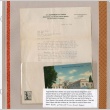
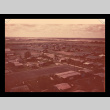
Buildings at Crystal City Department of Justice Internment Camp (ddr-csujad-55-1507)
img Buildings at Crystal City Department of Justice Internment Camp (ddr-csujad-55-1507)
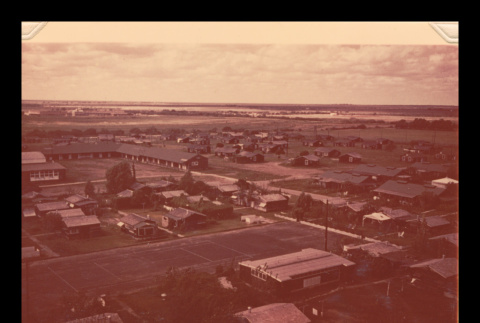
Aerial color photograph of buildings at Crystal City Department of Justice Internment Camp. From the Mary F. Clark scrapbook,"Before I Forget, 1942-1947," page 140. See also sac_jaac_1334 through sac_jaac_1529. See this object in the California State Universities Japanese American Digitization project site: sac_jaac_1509
API