
Work and jobs
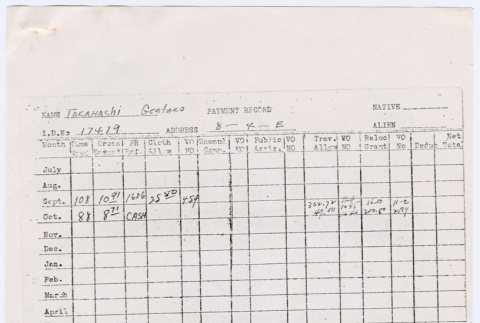
Both Issei and Nisei took jobs within the camps, at wages set not to exceed soldiers' pay: $12 per month for unskilled labor, $16 for skilled labor, and $19 for professional employees. WRA staff was paid much more for the same jobs. Though public opinion mandated such low pay, dissatisfied Japanese Americans objected to losing their right to make a decent living. They had to use their sparse income for necessities, such as warm clothing and shoes.
World War II
(283)
Concentration camps
(2384)
Work and jobs
(1550)
Related articles from the
Densho Encyclopedia :
Amache Silk Screen Shop
1550 items
1550 items
img
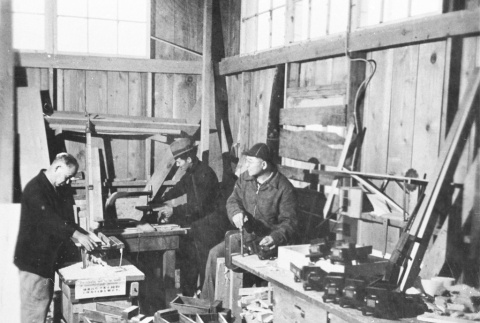
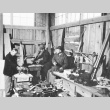
Japanese Americans working in a wood shop (ddr-densho-39-41)
Original museum description: Photograph, snapshot size, black and white glossy of three men working at a wood shop at the Minidoka, Idaho camp. They are making wooden trucks. (Info from original museum description)
img
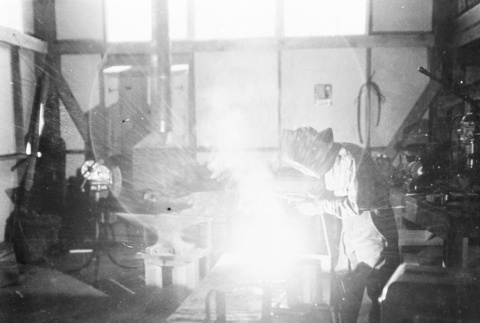
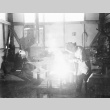
Japanese American welding (ddr-densho-39-7)
Original museum description: Photograph, black and white glossy taken at Minidoka internment camp. Shows man welding in a shop. Information attached to the back says it is an adult education class in welding. (Info from original museum description)
img
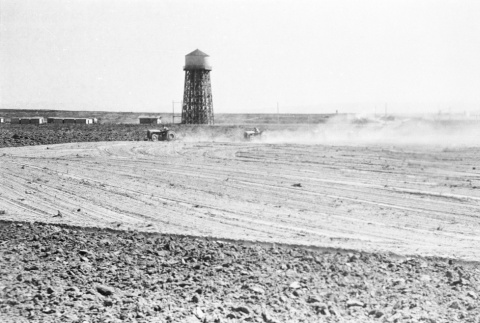
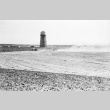
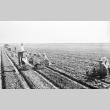
Camp farm field (ddr-densho-39-33)
Original museum description: Photograph, black and white glossy of a field outside Minidoka internment camp being plowed by two Fordson-Ferguson tractors, chicken farm is on left and landmark water tower in center. (Info from original museum description)
img
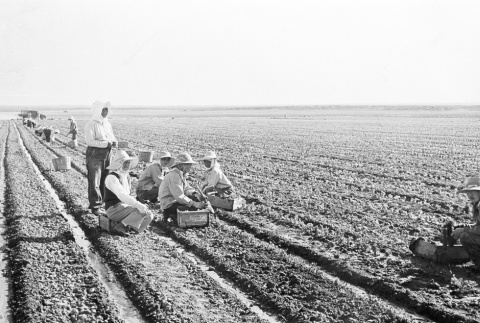
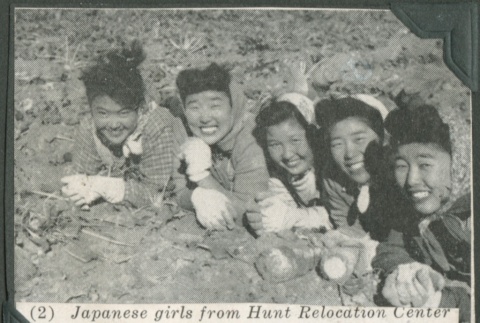
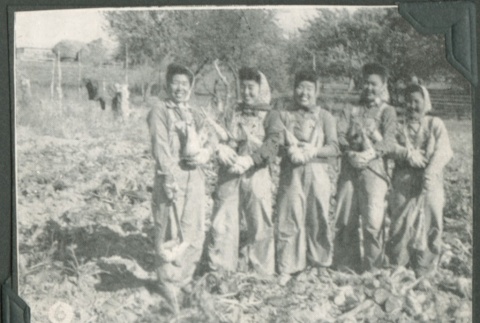
Japanese Americans working on a farm (ddr-densho-39-12)
Original museum description: Photograph, black and white glossy of a farm on the outskirts of the Minidoka internment camp. Workers are all women, five of whom are on the left side with one standing and two women squatting on the right. Other women are working in the back. (Info from original museum description) Japanese Americans raised …
doc
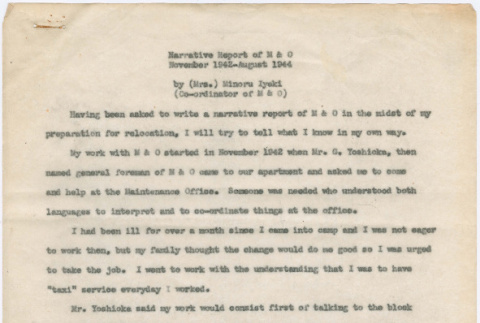
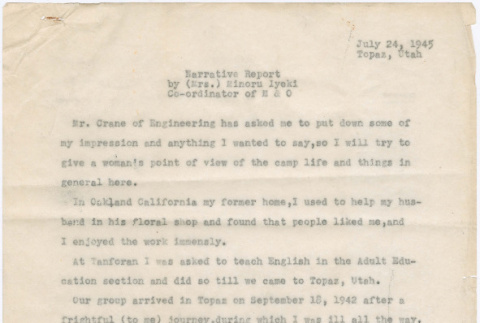
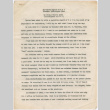
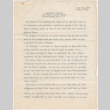
Narrative report of M & O (ddr-densho-392-53)
"Narrative Report of M & O / November 1942-August 1944 / by (Mrs.) Minoru Iyeki (Co-ordinator of M & O)."
img
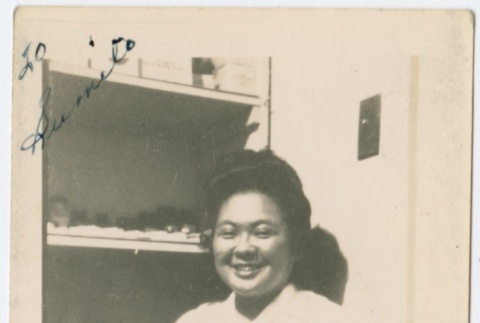
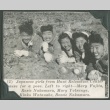
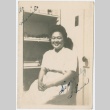
Nisei woman (ddr-densho-325-174)
Hisa Nimura in her hospital aide uniform. The handwritten inscription on the front of the photograph reads "To Sumito Sincerely Hisa". Written on the back of the photograph "July 1944).
doc
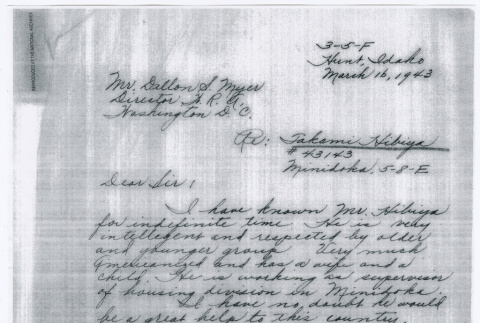
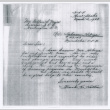
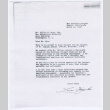
Takami Hibiya reference letter (ddr-densho-381-142)
A reference letter from Frank H. Hattori to Dillon S. Myer about Takami Hibiya. Hattori mentions Takami's work in the housing division at Minidoka and states that he is "very much Americanized."
doc
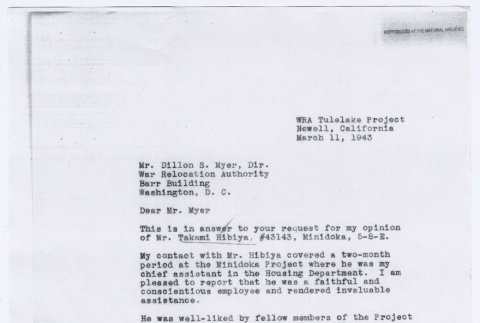
Takami Hibiya reference letter (ddr-densho-381-141)
A reference letter from Lorne Huycke to Dillon S. Meyer for Takami Hibiya. Huycke speaks about his contact with Takami at the Minidoka Project, where they worked together in the Housing Department.
doc
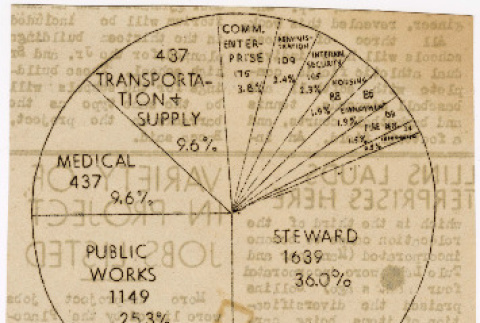
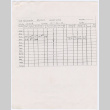
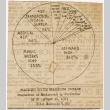
Clipping from Placement Office Statistics Division (ddr-densho-383-489)
Showing comparison of employment by divisions as of January 16, 1943, probably from Minidoka Irrigator
doc
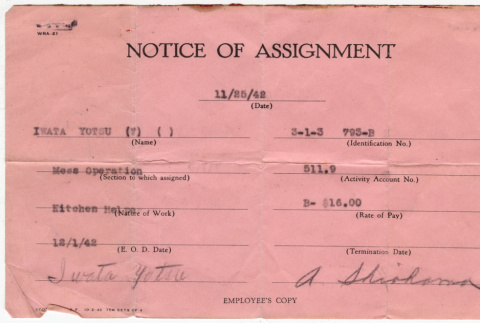
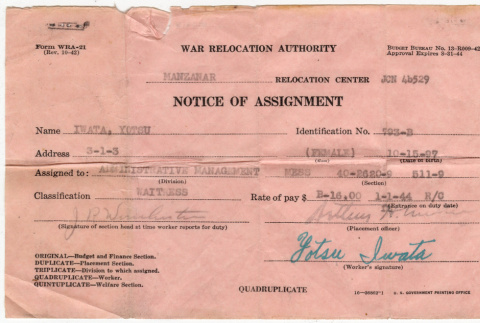
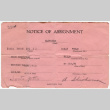
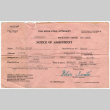
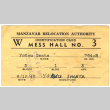
Notice of Assignment (ddr-densho-387-4)
Notice of Assignment for Yotsu Iwata to work as waitress
img
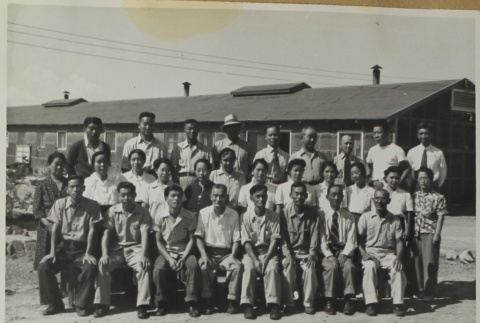
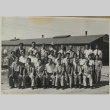
Employees in the Manzanar Housing Department (ddr-densho-420-31)
Caption on reverse: "Housing department / 1943."
img
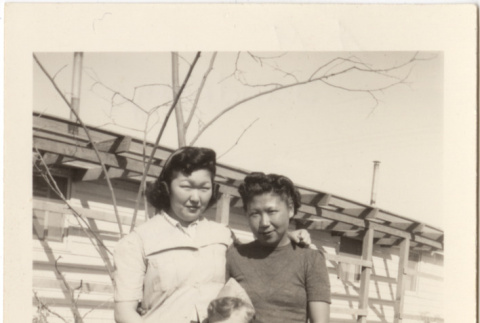
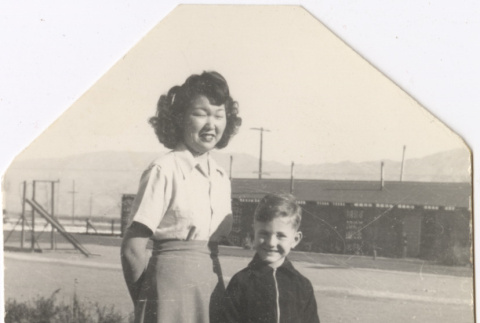
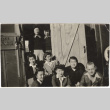
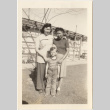
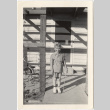
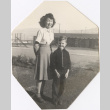
Masa Ogawa and Sandy Sandridge (ddr-densho-420-3)
Masa Ogawa nannied for Sandy Sandridge whose mother was Gladys Sandridge, a teacher living on site at Manzanar concentration camp.
img
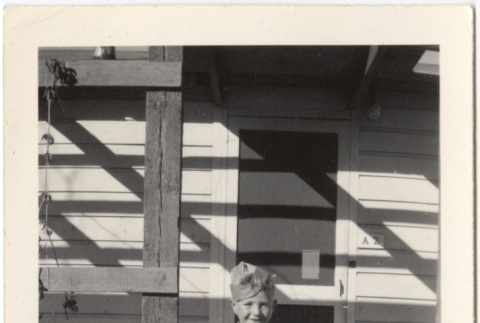
Sandy Sandridge (ddr-densho-420-2)
Masa Ogawa nannied for Sandy Sandridge whose mother was Gladys Sandridge, a teacher living on site at Manzanar concentration camp.
img
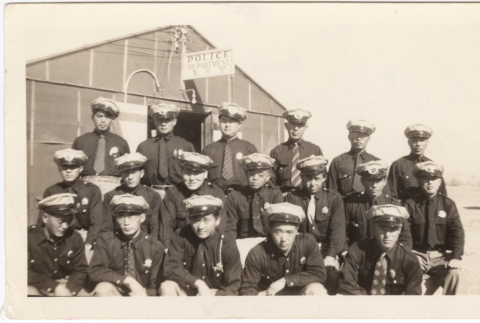
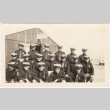
Police department at Manzanar (ddr-densho-420-21)
Caption on reverse: "March, 22, 1943 To Masa / from / Joe Tami / Manzanar California / Police Dept. / Look."
img
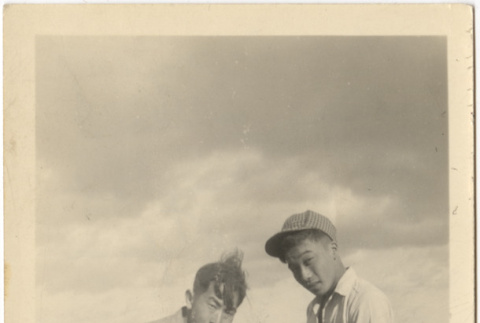
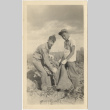
Two men harvesting potatoes near Minidoka (ddr-densho-420-8)
Masa Ogawa's cousin. Caption on reverse: "Here is myself / taken while I / was working at / the local farm / nearby the camp / in 1943 or 44. / Don't I look / a mess huh? / Well I will send / you a better one / soon. / Roy / P.S. me without …
img
Masa Ogawa and Sandy Sandridge (ddr-densho-420-1)
Masa Ogawa nannied for Sandy Sandridge whose mother was Gladys Sandridge, a teacher living on site at Manzanar concentration camp.
img
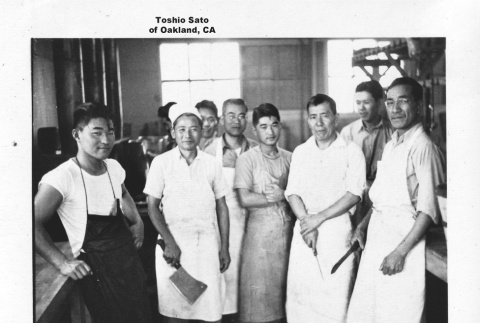
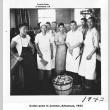
Group of cooks inside camp kitchen (ddr-ajah-6-225)
Caption below photo: Cooks pose in Jerome, Arkansas, 1943
doc
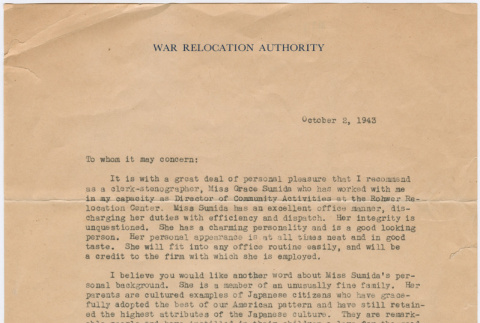
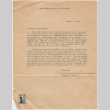
Letter of recommendation by Margaret Sorenson for Grace Sumida (ddr-densho-379-394)
Margaret Sorensen, Director of Community Activities, writes a letter of recommedation for Grace Sumida as a clerk-stenographer.