
Japanese language schools
Each day, after public school ended, Nisei (second-generation) children attended Japanese language schools for an hour's instruction in Japanese language and culture. Issei (first-generation) parents wanted their children to learn Japanese to help them succeed in the community and if they ever moved to Japan. The Nisei were moderately interested at best, and language acquisition was spotty. Japanese language schools were considered suspect after the attack on Pearl Harbor, and their principals were among the first arrested.
Education
(369)
Japanese language schools
(240)
Related articles from the
Densho Encyclopedia :
Japanese language schools,
Takie Okumura

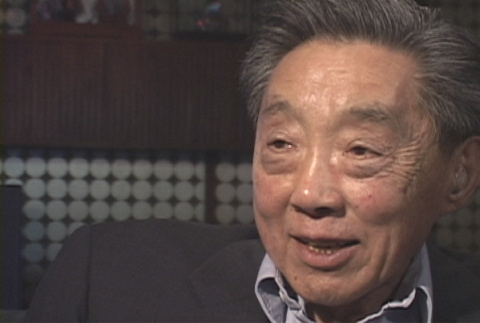
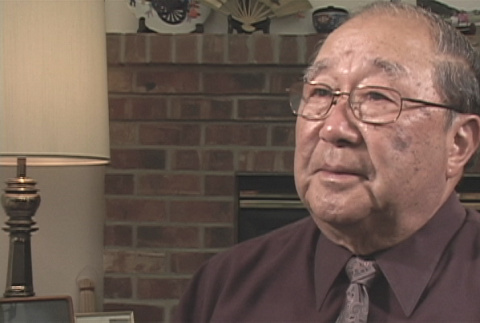

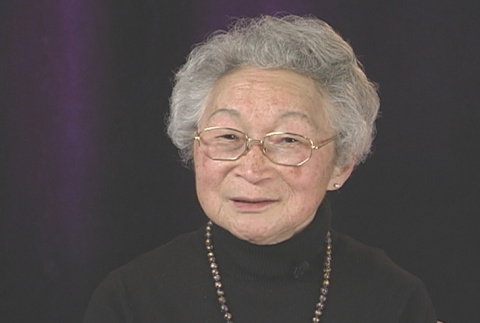
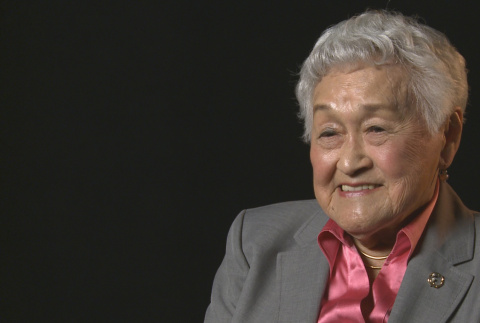
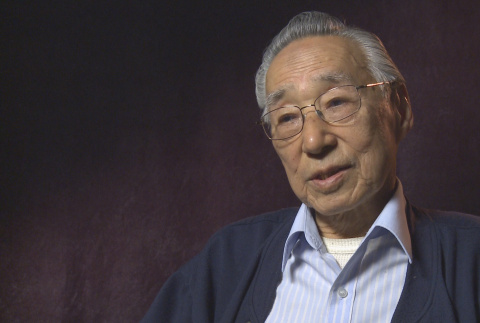



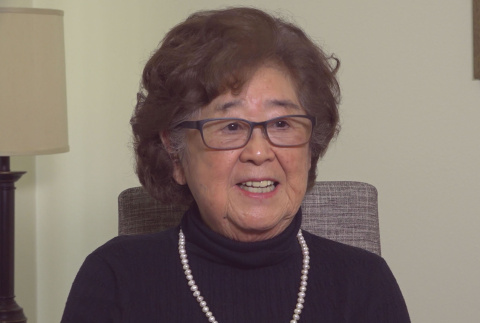
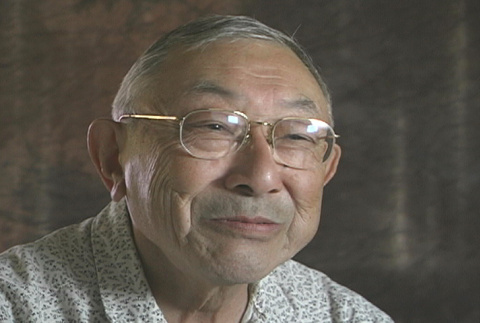


This interview was conducted by the Japanese American Museum of San Jose, and is part of a project entitled "Lasting Stories: The Resettlement of San Jose Japantown," a collaborative project between the Japanese American Museum of San Jose and Densho.


This material is based upon work assisted by a grant from the Department of the Interior, National Park Service. Any opinions, finding, and conclusions or recommendations expressed in this material are those of the author(s) and do not necessarily reflect the views of the Department of the Interior.

This material is based upon work assisted by a grant from the Department of the Interior, National Park Service. Any opinions, finding, and conclusions or recommendations expressed in this material are those of the author(s) and do not necessarily reflect the views of the Department of the Interior.

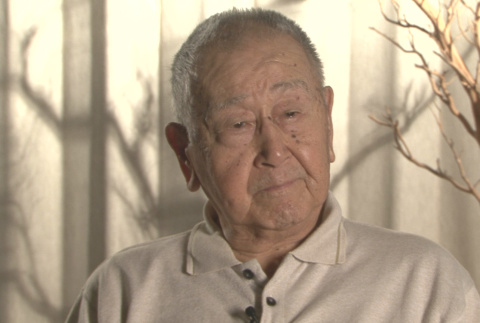
This interview was conducted by sisters Emiko and Chizuko Omori for their 1999 documentary, Rabbit in the Moon, about the Japanese American resisters of conscience in the World War II incarceration camps. As a result, the interviews in this …





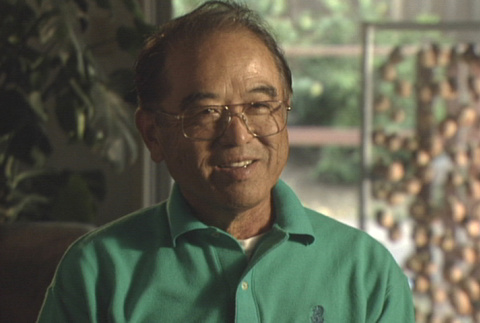
This interview was conducted as part of a project to capture stories of the Japanese American community of Spokane, Washington. Densho worked in collaboration with the Northwest Museum of Arts and Culture.

This material is based upon work assisted by a grant from the Department of the Interior, National Park Service. Any opinions, finding, and conclusions or recommendations expressed in this material are those of the author(s) and do not necessarily reflect the views of the Department of the Interior.