
Documentaries
Arts and literature
(32)
Performing arts
(236)
Film
(347)
Documentaries
(746)
Related articles from the
Densho Encyclopedia :
None,
None,
Manzanar Committee,
None,
OWI/WRA documentaries
746 items
746 items
doc
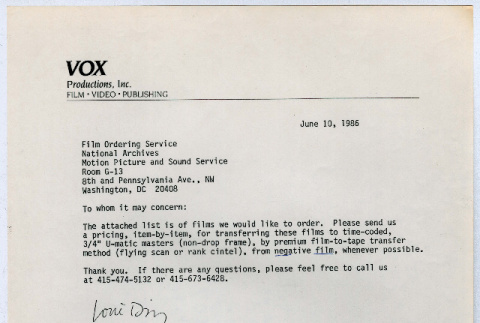
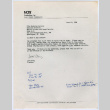
National Archives film order (ddr-densho-1007-1117)
Letter included. Materials ordered for Color of Honor.
av
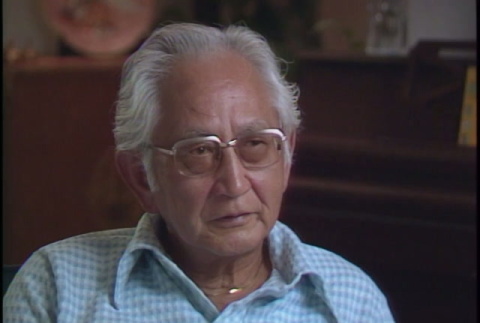
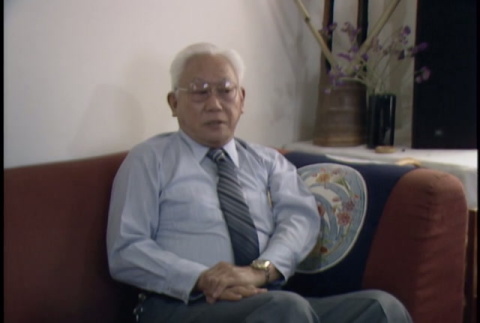
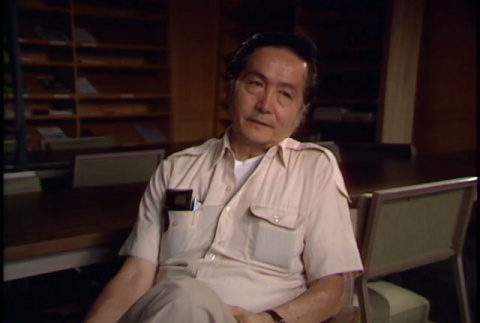
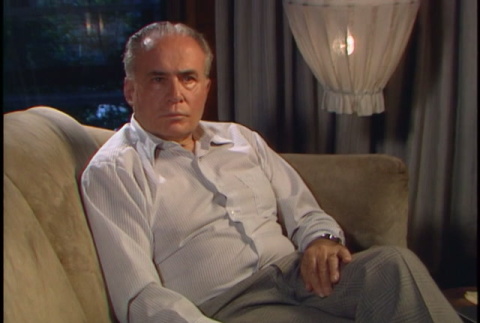
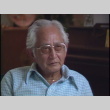
Interview with Harry Fukuhara, part 6 of 6 (ddr-densho-1007-1637)
Fukuhara discusses the reasons why some Nisei did not join the military, why he volunteered, his feelings on incarceration, and discrimination he faced in the US. Loni Ding can be heard asking questions behind the camera. Video ends at 20:00. Original title: 123, II SJ #29, 8-17-85, Harry's House SJ
av
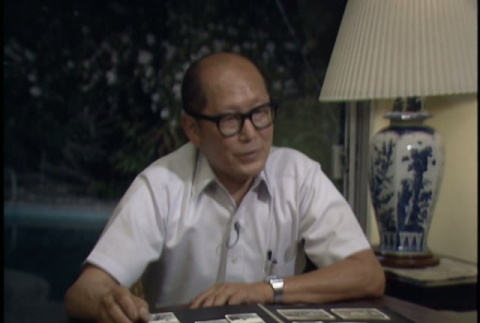
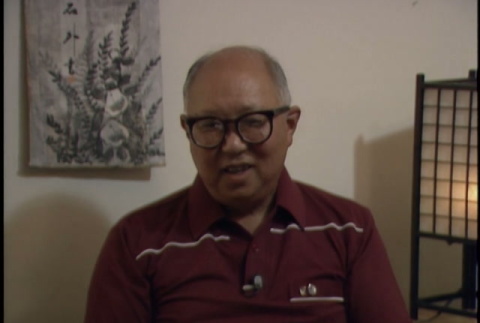
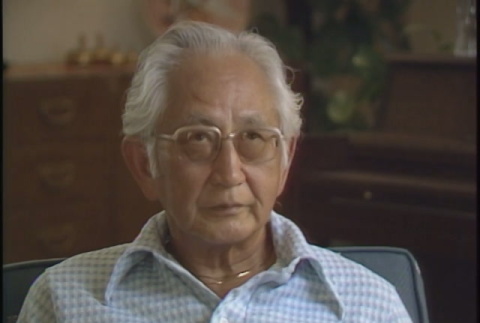
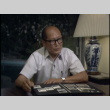
Interview with Yosh Nakayama, part 4 of 4 (ddr-densho-1007-1588)
Nakayama discusses his experiences with Japanese locals, his worst memories of camp, his difficulty finding a job after the war, his work translating letters in Japan, his time learning judo in camp and in Japan, and his thoughts on why judo is important for Japanese-American youth. Video starts at 0:29. Loni Ding can be heard asking …
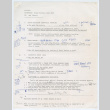
doc
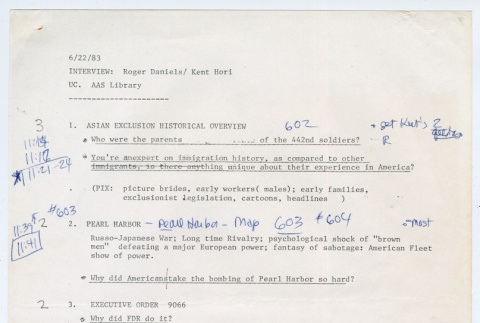
Roger Daniels/Kent Hori interview questions, annotated (ddr-densho-1007-878)
Used for the film Color of Honor.
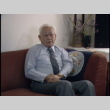
av
Interview with Jim Ariyasu, part 4 of 5 (ddr-densho-1007-1599)
Ariyasu discusses his service in New Caledonia, Fiji, the Solomon Islands, and the Philippines, receiving a Bronze Star medal, and the difficulty of receiving an actual rank in the military. Loni Ding can be heard asking questions behind the camera. Original title: 85, II LA #26, 7-24-85, Ariyasu Interview V. Interview continues at ddr.densho.org/ddr-densho-1007-1600/
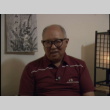
av
Interview with Harry Akune, part 4 of 4; balcony conversation (ddr-densho-1007-1603)
Akune discusses a combat jump he performed on Corregidor Island, his time with the 503rd Infantry Regiment, receiving a parachutist badge, and returning from the war. Video starts at 0:30, interview ends at 17:31. Loni Ding can be heard asking questions behind the camera. Rest of tape is footage of Harry and Ken Akune, George Kanegai, …
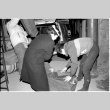
av
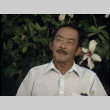
Interview with Nobuo Yamashita, part 3 of 5 (ddr-densho-1007-1778)
Yamashita discusses why his parents didn't want him to go to college, joining his family's produce business, meeting his wife in Manzanar, his service in the Philippines, interrogating prisoners of war, seeing American prisoners who came out of Santo Tomas, the selfishness of weathy Japanese people in Korea, and not getting any promotions or furlough in …
img
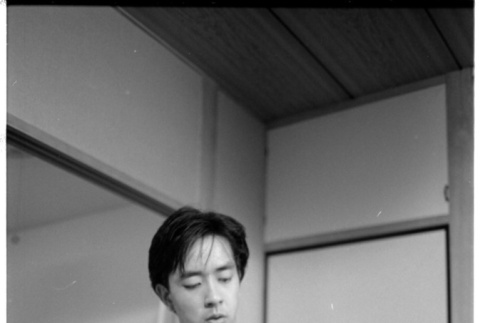
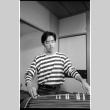
Brian Yamakoshi playing koto (ddr-densho-1007-1310)
Negative. Taken during filming for The Color of Honor.
img
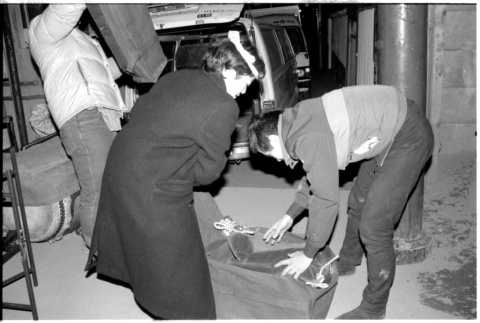
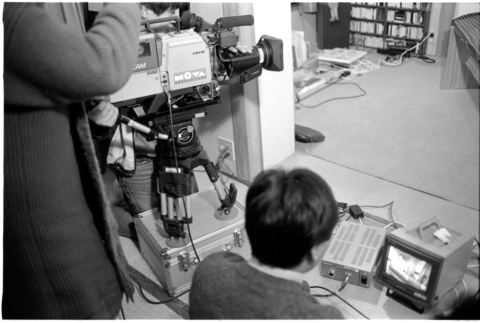
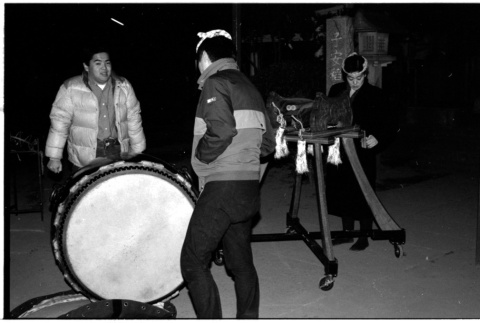
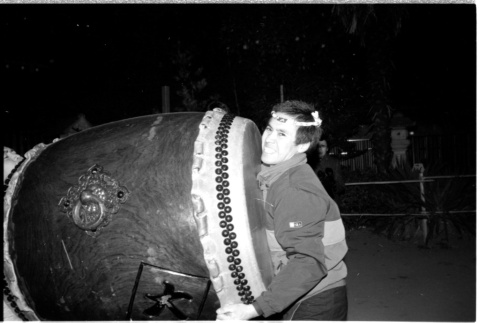
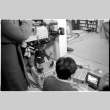
Filming behind the scenes (ddr-densho-1007-1315)
Negative. Taken during filming for The Color of Honor.
av
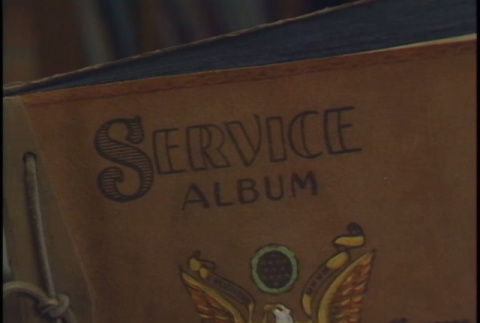
Tanaka family b-roll, part 7 of 7 (ddr-densho-1007-1646)
Stills from photo albums of the Tanaka family, particularly from a service album of photos from Camp Roberts. Linked to Walter Tanaka, who was interviewed for The Color of Honor. Video starts at 0:46. Loni Ding can be heard narrating the photos and directing the camera. Original title: 131, II SJ #38, 8-18-85, Tanaka Album
img
Frank S. Emi with Loni Ding and crew member (ddr-densho-1007-1161)
Negative. This interview appears in Color of Honor.
av
Interview with William Kochiyama, part 3 of 3 (ddr-densho-1007-1524)
Kochiyama discusses relations between Hawaiian and mainland recruits at Camp Shelby. Also talks about experiences with racism and activism in the 1950s and onward. Loni Ding can be heard asking questions behind the camera. Video starts at 0:56. Original title: 29, II NY #8, 6-5-85, Bill Kochyama Interview
av
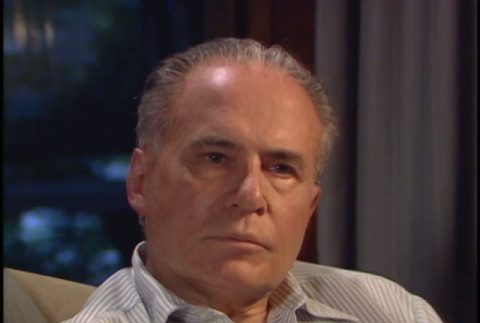
Interview with Manny Goldberg, part 4 of 6 (ddr-densho-1007-1565)
Goldberg discusses the United States' engagement on Iwo Jima, army distrust of Nisei personnel, trying to capture Tadamichi Kuribayashi, and working with prisoners of war on Iwo Jima. Video starts at 0:52. Loni Ding can be heard asking questions behind the camera. Original title: 62, II NY #49, 6-85, Goldberg. Interview continues at ddr.densho.org/ddr-densho-1007-1566/
av
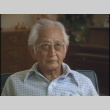
Interview with Harry Fukuhara, part 4 of 6 (ddr-densho-1007-1635)
Fukuhara discusses the danger of being mistaken for a Japanese soldier and his experiences interrogating Japanese prisoners of war. Video starts at 0:49. Loni Ding can be heard asking questions behind the camera. Original title: 120, II SJ #26, 8-17-85, Fukuhara, Harry's house, 8/17/18, reel #26. Interview continues at ddr.densho.org/ddr-densho-1007-1636/
av
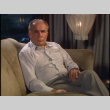
Interview with Manny Goldberg, part 3 of 6 (ddr-densho-1007-1564)
Goldberg discusses his service in Saipan and Iwo Jima, particularly extracting Japanese soldiers from caves. Video starts at 0:52. Loni Ding can be heard asking questions behind the camera. Original title: II NY, #48, 6-85, Goldberg. Interview continues at ddr.densho.org/ddr-densho-1007-1565/
doc
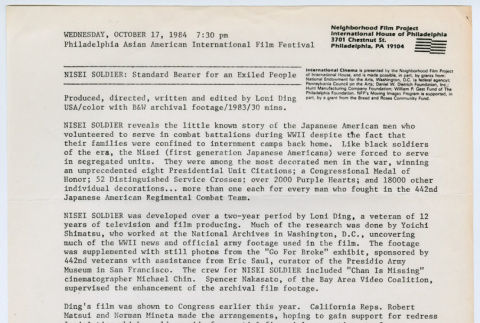
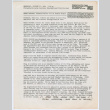
Nisei Soldier description for the Philadelphia Asian American International Film Festival (ddr-densho-1007-1018)
Mentions that Nisei Soldier was Loni Ding's 10th production to be aired on PBS.
av
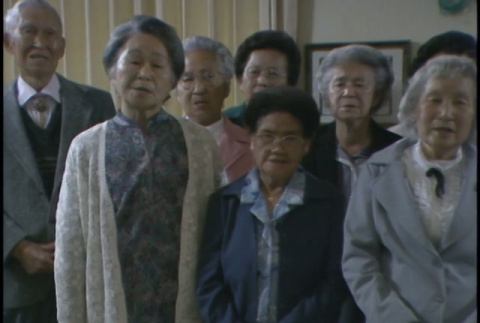
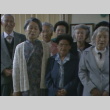
Watsonville Issei Singers performing (ddr-densho-1007-1658)
Recording of a performance by the Watsonville Issei Singers. Video starts at 0:27. Original title: 143, II MON #10, 9-9-85, Watsonville Issei chorus, group songs, My Country, God Bless, etc.
av
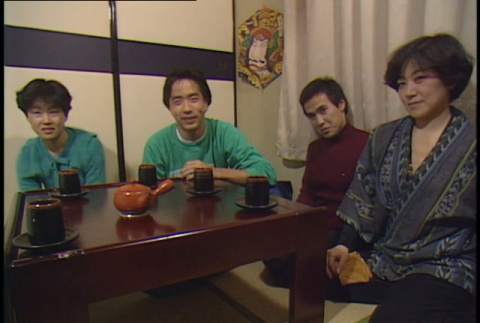
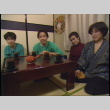
Interview with Akiko, Brian Yamakoshi, Kenny and Chizuko, part 4 of 4 (ddr-densho-1007-1720)
Akiko and Brian Yamakoshi discuss the differences between Japanese Americans and Japanese nationals. Chizuko discusses the unique opportunity afforded to Sansei to pursue Japanese arts and culture. Interview ends around 10:30; rest of tape is reaction shots. Original title: 227, II JA #59, Brian Yamakoshi, Fri. Feb. 7
img
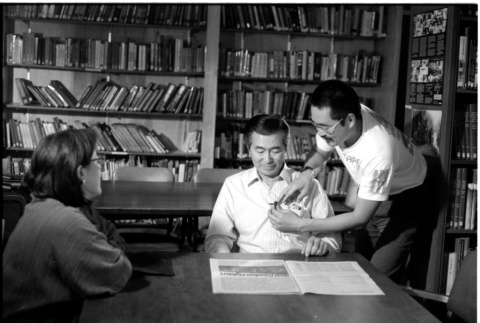
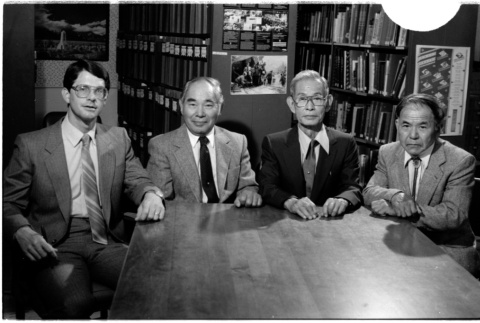
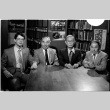
Paul Minerich, Tim Nomiyama, Masao Kataoka, and Kenjiro Hayakawa at table (ddr-densho-1007-1139)
Negative. Names listed from left to right. Taken during interviews for The Color of Honor at UCLA.