
5022 items
![Letter from Masao Okine to Mr. and Mrs. S. Okine, March 30, 1946, [in Japanese] (ddr-csujad-5-189)](https://ddr.densho.org/media/cache/97/a7/97a7ecb6e729e62e3283e2b837f24216.jpg)
![Letter from Natsue Okine to Seiichi Okine, May 6, 1948 [in Japanese] (ddr-csujad-5-253)](https://ddr.densho.org/media/cache/01/08/01088e6fd730f39de57c4bbc8fdb8ee8.jpg)
5022 items
doc
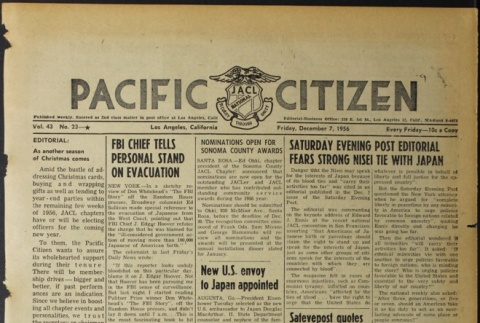
Pacific Citizen, Vol. 43, No. 23 (December 7, 1956) (ddr-pc-28-49)
Selected article titles: "FBI chief tells personal stand on evacuation" (p. 1), "Saturday evening post editorial fears strong Nisei tie with Japan" (p. 1), "Delegate-elect Burns names Nisei to be administrative ass't in D.C." (p. 1), "Evacuation claims award procedure explained by gov't" (p. 1), "100th Infantry veterans urge immediate statehood for Hawaii" (p. 2), "Telling …
![Letter from Masao Okine to Mr. and Mrs. S. Okine, March 30, 1946, [in Japanese] (ddr-csujad-5-189)](https://ddr.densho.org/media/cache/ea/f6/eaf62b8dd1fa4b1e717edbd30dfe0e4a.jpg)
doc
Letter from Masao Okine to Mr. and Mrs. S. Okine, March 30, 1946, [in Japanese] (ddr-csujad-5-189)
A letter from Masao Okine to his parents, Seiichi and Tomeyo Okine. He writes from Japan where he is stationed as a Nisei soldier. In the letter, he writes about his duties in Japan, driving a truck. He also writes about the illness of his brother, Makoto, who is also stationed in Italy as a Nisei …
![Letter from Natsue Okine to Seiichi Okine, May 6, 1948 [in Japanese] (ddr-csujad-5-253)](https://ddr.densho.org/media/cache/45/b1/45b17e68147b77389a401f415174e37b.jpg)
doc
Letter from Natsue Okine to Seiichi Okine, May 6, 1948 [in Japanese] (ddr-csujad-5-253)
A letter from Natue Okine in Itsukaichi, Hiroshima, Japan to her uncle and aunt, Seiichi and Tomeyo Okine. She writes that they are going to start harvesting wheat soon in Japan. She thanks for the cloth that Tomeyo sent to her and informs her that she has made her clothes by using it. In the letter, …
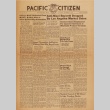
doc
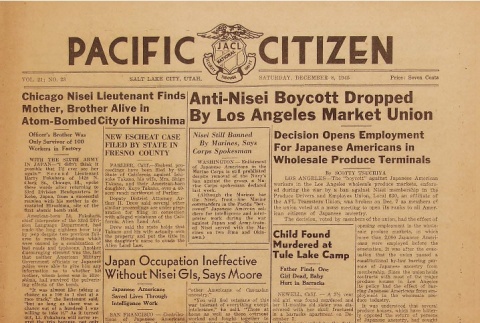
Pacific Citizen Vol. 21 No. 23 (ddr-densho-121-4)
Selected article titles: "Chicago Nisei Lieutenant Finds Mother, Brother Alive in Atom-Bombed City of Hiroshima" (p. 1), "New Escheat Case Filed by State in Fresno County" (p. 1), "Japan Occupation Ineffective Without Nisei GIs, Says Moore" (p. 1), "Aged Evacuee Hangs Self at Tule Lake Center" (p. 1), "Anti-Nisei Boycott Dropped By Los Angeles Market Union" …
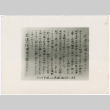
img
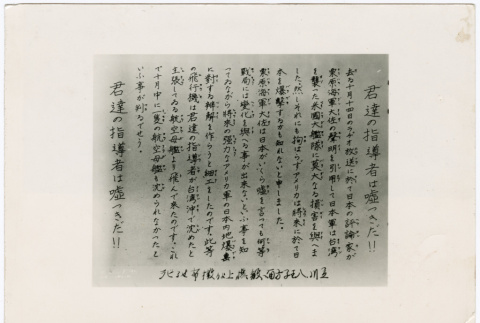
Leaflet dropped by enemy planes in Tachikawa city and Hachioji (ddr-densho-381-113)
Caption: Leaflet dropped by enemy planes picked up in the vicinity of Tachikawa city and Hachioji. (Tachikawa,Hachioji homen e tekiki jo yori sampu seru bira) Your leaders are prevaricators On the broadcasting network on the 14th a Japanese critic quoted Lt. Kurihara (SG) declaration that the Japanese forces caused enormous damages in the U.S. task force …
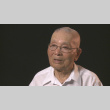
vh
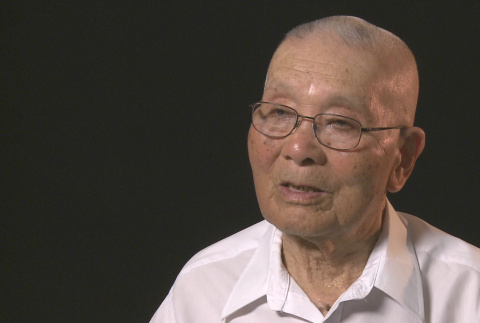
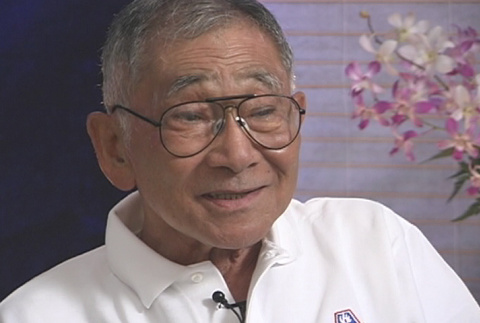
Hikaru Morohoshi Interview (ddr-densho-1000-303)
Kibei Nisei male. Born October 4, 1915, in Stockton, California. As a young child, sent to Japan to live with grandparents and attend school. Returned to California at age eighteen, and drafted into the U.S. military. Discharged from the army after Japan bombed Pearl Harbor. Removed to the Tanforan Assembly Center, Washington, and the Topaz concentration …
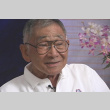
vh
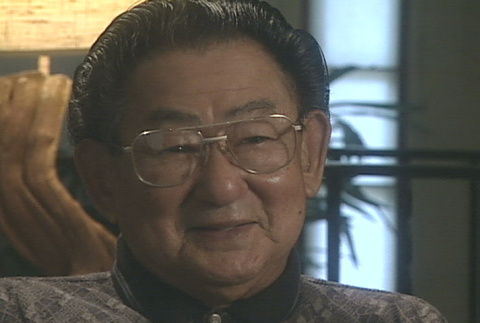
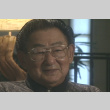
Rudy Tokiwa Interview II (ddr-densho-1000-92)
Nisei male. Born July 7, 1925, near San Jose. Grew up in Salinas, California, until he went to Japan at the age of thirteen. Studied in Japan until about 1939. Incarcerated at the Salinas Assembly Center, California, and Poston concentration camp, Arizona. Volunteered out of camp to serve in the U.S. military. Fought in Europe as …
vh
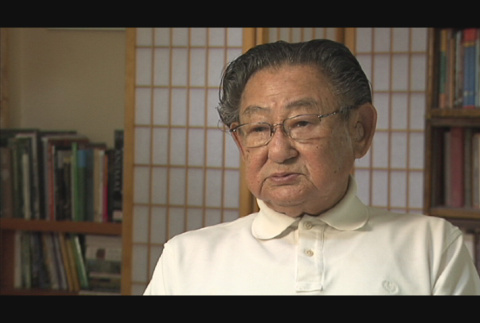
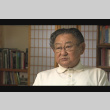
Grant Hirabayashi Interview (ddr-densho-1004-11)
Kibei male. Born November 9, 1919, in Thomas, Washington. Went to Japan at age twelve, attended school, and returned to the U.S. as a high school student. Enlisted in the army just prior to the bombing of Pearl Harbor, and was eventually recruited for the Military Intelligence Service. Selected as one of fourteen Japanese Americans to …
vh
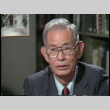
Grant Hirabayashi Interview (ddr-densho-1001-41)
Kibei male. Born November 9, 1919, in Thomas, Washington. Went to Japan at age twelve, attended school, and returned to the U.S. as a high school student. Enlisted in the army just prior to the bombing of Pearl Harbor, and was eventually recruited for the Military Intelligence Service. Selected as one of fourteen Japanese Americans to …
av
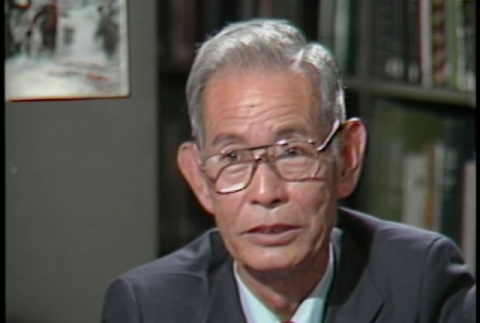
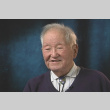
Interview with Paul Minerich, Tim Nomiyama, Masao Kataoka, and Kenjiro Hayakawa, part 3 of 8 (ddr-densho-1007-1800)
From left to right: Minerich, Nomiyama, Kataoka, Hayakawa. Kataoka discusses being a soldier when evacuation started, the interment of his wife, and the relationship between Kibei and Nisei soldiers. Kataoka and Nomiyama discuss how they met. Nomiyama discusses when he decided to refuse to serve, being called a traitor when he left Japan, returning to the …
vh
Roy H. Matsumoto Interview Segment 43 (ddr-densho-1000-153-43)
Jobs in camp
Although Mr. Matsumoto does not identify himself as a Kibei (American-born person of Japanese ancestry sent to Japan for formal education and socialization when young and later returned to the U.S.), some of his life experiences are similar to those who do identify themselves as such.
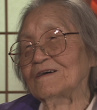
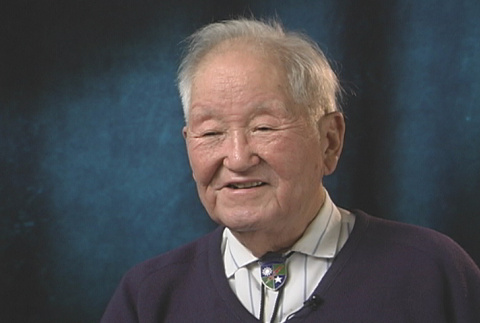
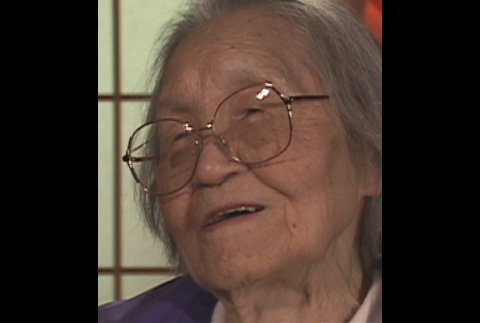
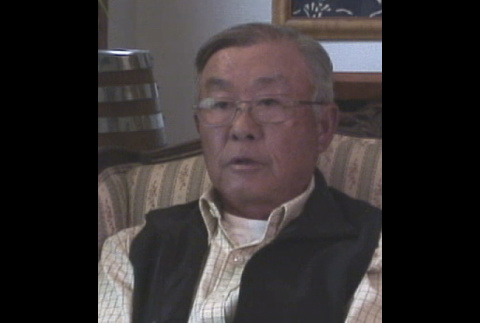
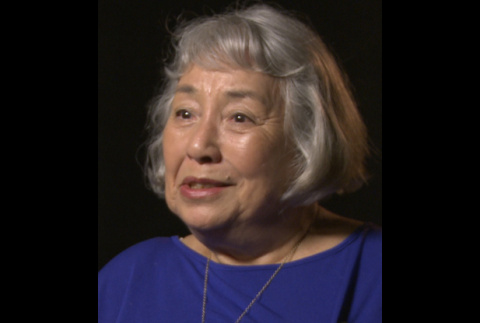
Narrator Rin Miura
Issei female. Born October 4, 1901, in Fukuda, Japan. Grew up in Japan and immigrated to the U.S. after marrying. Settled in Portland, and during World War II was removed to the Portland assembly center, Oregon, and the Minidoka concentration camp, Idaho. After the war, returned to Portland.
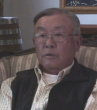
Narrator Minoru Yamaguchi
Nisei male. Born 1940 in Spreckels, California. Soon after Minoru was born, father decided to move the family to Japan. Lived in Japan during World War II, returning to the U.S. in the 1960s. Went to school in Chicago for a time before eventually settling in Southern California.
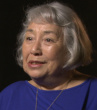
Narrator Tsuchino Forrester
Shin-Issei female. Born March 30, 1931 in Kasuga, Fukuoka, Japan. Grew up in Kasuga where parents ran a farm. Graduated from a girl's high school during the U.S. occupation of Japan. Met future husband, a U.S. serviceman, and immigrated to the United States as a "war bride."
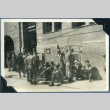
img
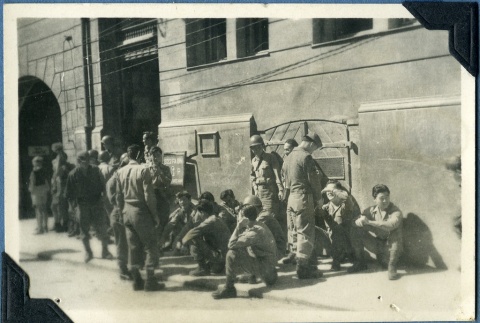
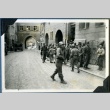
Volunteers for the Military Intelligence Service (ddr-densho-22-77)
Caption in album: "Volunteers please / Just prior to V-J day came a survey of Volunteers was made for the Camp Savage (later Fort Snelling) language school for men to ship to go to school and on to Japan to fight. Here the two above photos show as the volunteers were made ready to leave for …
img
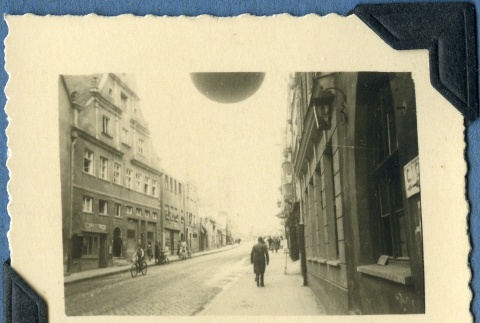
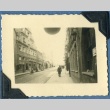
View down a street in Germany (ddr-densho-22-78)
Caption in album: "Volunteers please / Just prior to V-J day came a survey of Volunteers was made for the Camp Savage (later Fort Snelling) language school for men to ship to go to school and on to Japan to fight. Here the two above photos show as the volunteers were made ready to leave for …
img
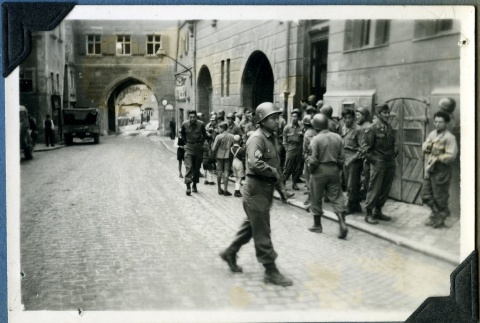
Volunteers for the Military Intelligence Service (ddr-densho-22-79)
Caption in album: "Volunteers please / Just prior to V-J day came a survey of Volunteers was made for the Camp Savage (later Fort Snelling) language school for men to ship to go to school and on to Japan to fight. Here the two above photos show as the volunteers were made ready to leave for …
img
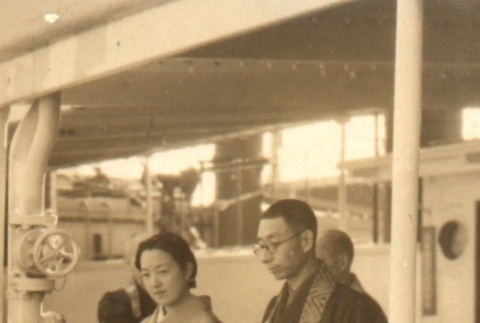
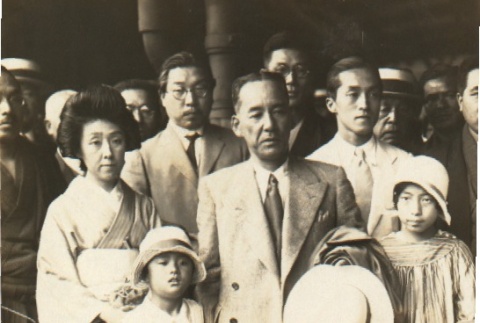
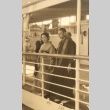
Kocho Otani with his wife (ddr-njpa-4-1890)
Caption on reverse [translation]: "Otani, head of Higashi Honganji. Otani, who is the head of Higashi Honganji, left Yokohama to console and encourage Japanese who live in the southern region of Japan called Nanpo Kyoei prefecture. He used the Yamashiro Maru to get to the region and is accompanied by Tomoko, Otani's wife. Mr. and Mrs. …
img
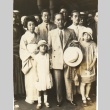
Suiun Komuro at Tokyo Station with wife and daughters (ddr-njpa-4-497)
Caption on reverse [translation]: "Komuro returns. The painter Komuro came back to Japan from Europe by the ship Asama Maru at 10 a.m. on July 9th. The ship entered Yokohama port, then he took a train from there, arriving in Tokyo Station at 10 p.m. The photo is Mr. Komura with his wife and daughters, who …
img
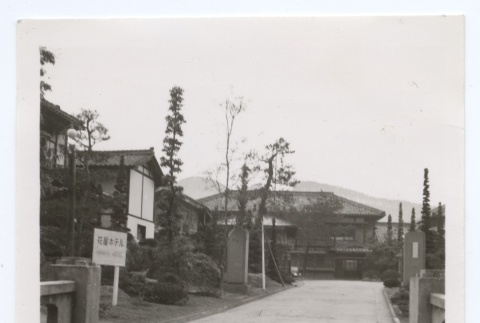
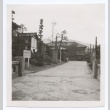
Hanaya Hotel (ddr-one-2-171)
Black and white photographic print of paved road and Hanaya Hotel in Ueda. Donor took this trip with friend Olinda Saito. Olinda was a Japanese citizen whose father was Japanese consul in Sao Paolo, Brazil, before WWII. He returned to Japan before WWII began. Donor met Olinda when Olinda began working as librarian at Detachment S, …
img
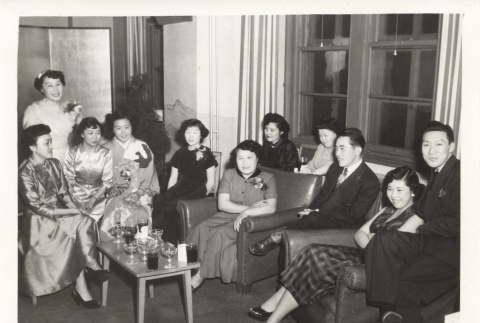
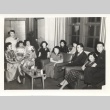
Wedding Reception of Olinda Saito and Sgt. Raymond Funakoshi (ddr-one-2-58)
Black and white photographic print of wedding reception for Olinda Saito and Sgt. Raymond Funakoshi at the American Club in Tokyo, Japan. From left: Tami Okamura, Olinda Saito (bride, standing), Shiuko Sakai, Aki Saito, unidentified, Yoshi Saito, unidentified, Heidi Okihara, remaining individuals unidentified. Shiuko Sakai, the donor, organized this wedding party for Olinda Saito, with whom …
img
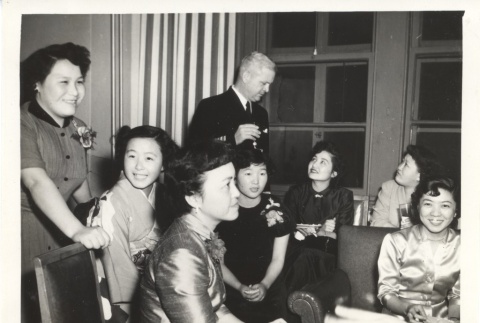
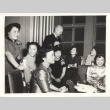
Wedding Reception of Olinda Saito and Sgt. Raymond Funakoshi (ddr-one-2-57)
Black and white photographic print of wedding reception for Olinda Saito and Sgt. Raymond Funakoshi at the American Club in Tokyo, Japan. From left: Yoshi Saito, Aki Saito, Tami Okamura (foreground, seated), Capt. Pearce (background, standing), unidentified, unidentified, Heidi Okihara, and Shiuko Sakai . Shiuko Sakai, the donor, organized this wedding party for Olinda Saito, with …
img
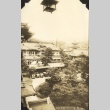
Fujiya Hotel (ddr-one-2-118)
Black and white photographic print of the Main Building and Dining Room exteriors at the Fujiya Hotel Miyanoshita Spa. Printed in the lower right corner: "'Main Building and Dinning Room'/Fujiya Hotel Miyanoshia Spa, Japan." According to the donor, the Fujiya Hotel was a resort hotel that the U.S. military commandeered for “R and R” (rest and …
img
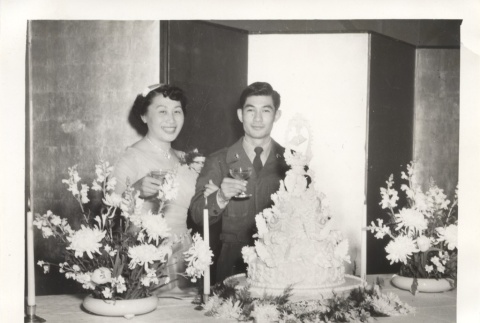
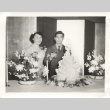
Wedding Reception of Olinda Saito and Sgt. Raymond Funakoshi (ddr-one-2-51)
Black and white photographic print of wedding reception for Olinda Saito (bride, on left) and Raymond Funakoshi (groom, on right) at the American Club in Tokyo, Japan. The couple stand behind a table with cake, flower arrangements and candles, and hold glasses in their right hands. Shiuko Sakai, the donor, organized this wedding party for Olinda …
img
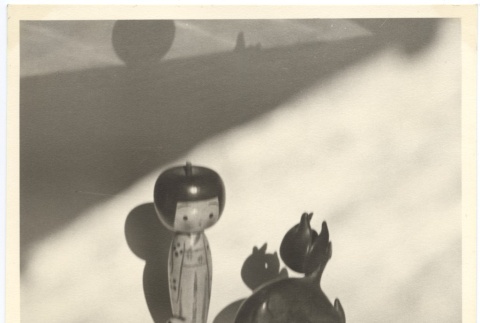
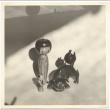
Kokeshi Dolls and Temple Dog Figure (ddr-one-2-48)
Black and white photographic print of a grouping of figurines: a large wooden Kokeshi doll, a small wooden Kokeshi doll and a metal Temple dog figure. According to the Donor, during the war people in Japan surrendered metals for the war cause; during the post-war occupation a U.S. army officer retrieved the temple dog figure from …