
3285 items







3285 items
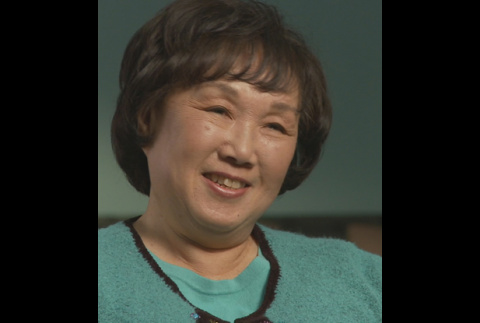
Narrator Sally Sudo
Nisei female. Born December 1, 1935, in Seattle, Washington. During World War II, removed with family to the Puyallup Assembly Center, Washington, and the Minidoka concentration camp, Idaho. After leaving camp, resettled in Minneapolis, Minnesota. Spent many years raising a family and teaching in Japan before eventually returning to Minnesota.
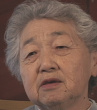
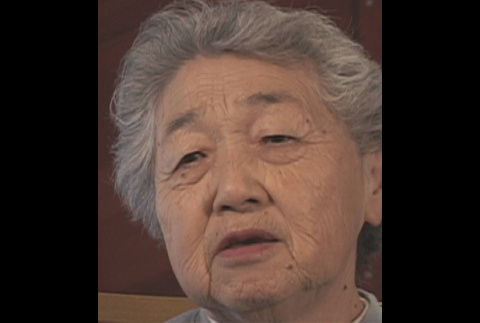
Narrator Shizuko "Suzie" Sakai
Nisei female. Born April 14, 1922, in Yakima, Washington, and grew up in Central Washington state. During World War II, removed to the Portland Assembly Center, Oregon, and the Heart Mountain concentration camp, Wyoming. Left camp to attend college in Kansas and North Carolina. Eventually returned to the West Coast.
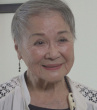
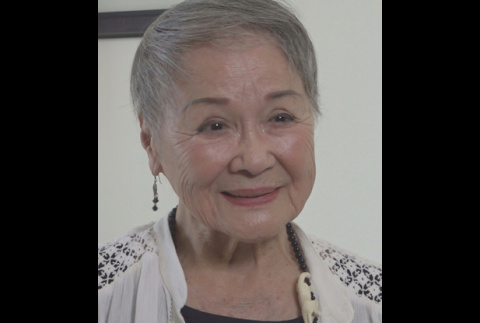
Narrator Takae Tanino Walts
Nisei female. Born August 4, 1930, in Bellevue, Washington. Grew up in Bellevue, where parents ran a farm. During World War II, removed to the Pinedale Assembly Center and Tule Lake concentration camp, California. After leaving camp, returned to Seattle, Washington, and eventually established a career as a flight attendant.
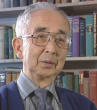
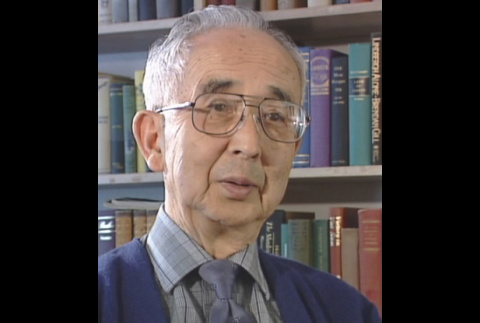
Narrator Shosuke Sasaki
Issei male. Born March 26, 1912, in Yamaguchi-ken, Japan. Immigrated to United States in 1919. Lived in Pomeroy, Washington, and Seattle, Washington, before World War II. Incarcerated at the Puyallup Assembly Center, Washington and the Minidoka concentration camp, Idaho. Resettled in New York. As a member of the Newspaper Guild, led effort to eliminate pejorative use …

Narrator Seiko Edamatsu
Nisei female. Born July 18, 1919, in Seattle, Washington. Spent childhood in Seattle's Nihonmachi (Japantown) where parents ran the U.S. Hotel. Attended Bailey Gatzert Grade School and Washington Junior High School before moving to North Seattle with older siblings to operate a produce stand. Graduated from Roosevelt High School in 1937 and worked as a waitress …
Narrator David Sakura
Sansei male. Born March 28, 1936, in Seattle, Washington. Grew up in Eatonville, Washington, where father worked for a lumber company. During World War II, removed with family to the Puyallup Assembly Center, Washington, and the Minidoka concentration camp, Idaho. Father served in the U.S. Army during the war. After leaving camp, lived in public housing …

doc
News clippings regarding the incarceration of Japanese Americans, F.C. 17, October-November, 1943 (ddr-csujad-55-759)
Collection of newspaper clippings covering Japanese Americans during World War II. Topics include incarceration camps, Japanese American soldiers, race, prejudice, work, and other commentary. See this object in the California State Universities Japanese American Digitization project site: sac_jaac_0761

Narrator Marian A. Ohashi
Nisei female. Born July 16, 1929, in Seattle, Washington. Grew up in the Fremont neighborhood of Seattle, where parents ran a dry cleaning business. During World War II, removed to the Puyallup Assembly Center, Washington, and the Minidoka concentration camp, Idaho. After leaving camp, returned to Seattle while still a high school student.

Narrator Mary Haruka Nakamura
Nisei female. Born March 21, 1924, in O'Brien, Washington. Grew up in the Auburn/Kent area of Washington, where parents ran a farm and then a grocery store. During World War II, removed to the Pinedale Assembly Center, California, and the Tule Lake concentration camp, California. After leaving camp, settled in Ontario, Oregon.

Collection
Bain Collection (ddr-densho-2)
The Bain collection, 1920s-1940s, focuses on the daily and recreational activities of the Nishimura and Yorita families, originally from Seattle, Washington. This collection contains several photographs of farming, fishing, and swimming. The majority of the collection focuses on the incarceration of the two families at Minidoka, Idaho, and Tule Lake, California. Many photographs document their jewelry-making …

Narrator George Morihiro
Nisei male. Born September 19, 1924, in Tacoma, Washington, and spent childhood in Fife, Washington. Following the bombing of Pearl Harbor, removed to the Puyallup Assembly Center and Minidoka concentration camp, Idaho. Drafted into the army in 1944 and joined the 442nd Regimental Combat Team in Europe. Awarded the Purple Heart for actions in the Battle …

Narrator Don Maeda
Nisei male. Born November 28, 1924, in Seattle, Washington. Grew up in Seattle prior to World War II. During the war, removed to the Puyallup Assembly Center, Washington, and the Minidoka concentration camp, Idaho. Drafted into the military while in camp and received a deferrment in order to help relocate family. Resettled in St. Paul, Minnesota.

Narrator Ami Kinoshita
Nisei female. Born October 3, 1919, in Enumclaw, Washington. Family moved to Nahcotta, Washington, and ran an oyster farm. Married prior to World War II and lived on husband's family's farm in Gresham, Oregon. During the war, removed to the Portland Assembly Center, Oregon, and the Minidoka concentration camp, Idaho. After leaving camp, returned to Gresham.
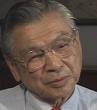
Narrator Toshio Inahara
Nisei male. Born January 9, 1921, in Seattle, Washington. Grew up in Tacoma, Washington, where father ran a Japanese confectionery. In the early 1930s, moved with family to Oregon. During World War II, family took advantage of the "voluntary evacuation" period and moved to Ontario, Oregon. Attended medical school and established a prominent career as a …

Narrator George Tsugawa
Nisei male. Born June 20, 1921, in Everett, Washington. Grew up primarily in Hillsboro, Oregon, where family ran a produce business and farm. During World War II, removed with family to the Portland Assembly Center, Oregon, and the Minidoka concentration camp, Idaho. After leaving camp, returned to Oregon and eventually moved to Woodland, Washington, establishing a …
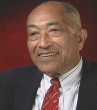
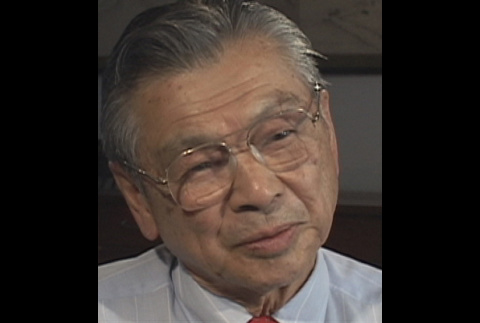
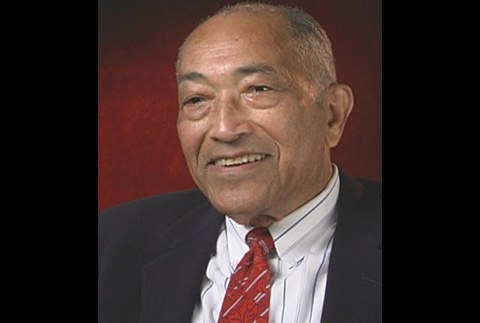
Narrator Charles Z. Smith
Born February 23, 1927, in Lakeland, Florida. Left home at age fourteen to live under the educational supervision of Dr. William H. Gray, Jr., attended Florida A & M, and graduated with a degree in business administration from Temple University. Graduated from University of Washington Law School in 1955, then served as law clerk for Supreme …

img
Workers in a cornfield (ddr-densho-46-4)
The Nakashima farm was largely self-sufficient at its peak. Kamezo Nakashima grew corn for the family's consumption as well as for the dairy cows. This image shows workers preparing the cornstalks as feed. The stalks were chopped into small pieces and then placed in the farm silo (behind the tractor). The Nakashima children stomped down the …

doc
Letter written on behalf of Dr. Koyama by Alice G. Nichols (ddr-one-5-119)
Photocopy of a declassified letter written by Alice G. Nichols on behalf of Dr. Koyama. In the letter, Alice states that Dr. Koyama's wife lived with her for four or five years in Seattle, Washington and that she was proud to be "Americanized." She adds that Dr. Koyama was a frequent visitor to her home and …

img
The staff of the Minidoka Irrigator (ddr-densho-10-3)
The staff of the Minidoka Irrigator, the weekly newspaper of the Minidoka concentration camp, outside the paper's office. The Minidoka Irrigator, a weekly paper, ran from September 10, 1942, through July 28, 1945, and contained news about the camp and of the war when Nisei began enlisting. Japanese Americans with a background in journalism worked on …

doc
Population and ecology (ddr-csujad-26-24)
Comparison of Tule Lake incarceree population statistics collected by the Division of Housing and Employment to the 1940 US Census statistics of Japanese Americans from California, Oregon and Washington. Examines how expelled communities disbursed at Tule Lake via housing records, age and gender distribution, religious affiliation, and the number of births at Tule Lake up to …

img
Attorney General Dick Thornburgh presents three elderly Japanese-Americans with redress checks (ddr-csujad-52-15)
The caption above the photograph reads, "WASHINGTON, Oct. 9--ON BENDED KNEE--Attorney General Dick Thonburgh [Thornburgh] crouches on bended knee to present $20,000 checks to three elderly Japanese-Americans interned during World War II, during a ceremony at the Justice Department Tuesday. Accepting the checks are, from left: Kisa Iseri, Ontario, Ore., Hau Dairiki, Sacramento, Calif., and Mamoru …
img
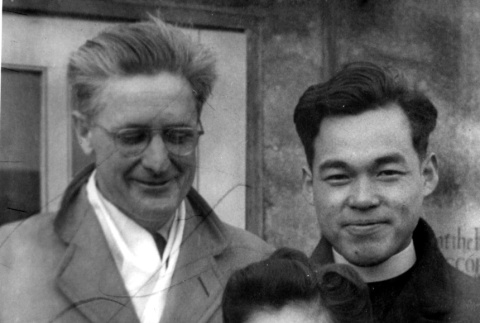
Peace activist and internees (ddr-densho-13-45)
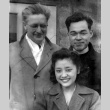
Floyd Schmoe, a pacifist and supporter of the Japanese American community, with Yoshi Asaba and Father Joe Kitagawa at the Minidoka concentration camp, Idaho. Father Kitagawa was the Episcopal minister at Minidoka. Floyd Schmoe was born in 1895 and is a peace activist and Quaker from Seattle, Washington. Schmoe was a strong supporter of the Japanese …

doc
Weekly Press Review No. 15 (ddr-densho-156-327)
Original summary excerpt: WRA and Japanese-American matters received more press attention this week than in any previous week since the inauguration of the "Press Review". Primarily responsible for the increase in volune was the heavy use throughout the nation of wire service dispatches on General DeWitt's testimony before a House Naval Affairs Subcommittee and the employment …

doc
Weekly Press Review No. 33 (ddr-densho-156-345)
Original summary excerpt: The Dies committee was the greatest source of news this week, with thirty new items and three editorials. The majority report of the subcommittee received considerable attention with varying degrees of stress laid upon the release of 23 alleged subversives and "negligence" of WRA. Two papers headlined the fact that Rep. Costello's report …

doc
Weekly Press Review No. 26 (ddr-densho-156-338)
Original summary excerpt: Dies Committee Washington hearings held the spotlight this week, clippings mounting from 285 received last week to 325. Coverage was given front page space in nearly all West Coast papers, but was less prominently placed in the East. Witnesses Tokie Slocum, Paul Yozo Abe, Joe Kanazawa, and Mike Masaoka were followed by WRA …