
248 items



248 items
doc
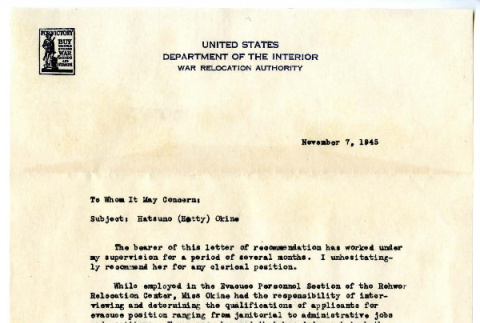
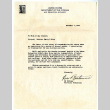
Letter from Ed Bethune, Personnel Technician, United States Department of the Interior War Relocation Authority, November 7, 1945 (ddr-csujad-5-101)
A recommendation letter for Hatsuno Hotty Okine written by Ed Bethune, United States Department of the Interior War Relocation Authority, who is her supervisor when she is employed in "the Evacuee Personnel Section of the Rohwer Relocation Center." See this object in the California State Universities Japanese American Digitization project site: oki_01_31_001
doc
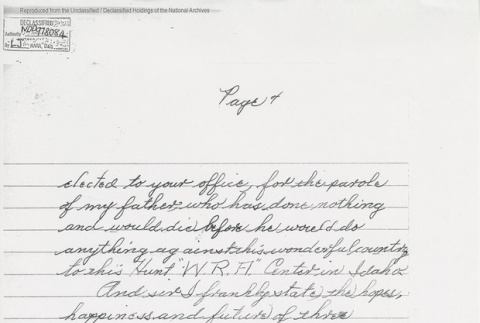
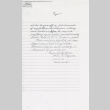
Letter from William K. Koyama from the Minidoka Concentration Camp to the United States Attorney Carl C. Donaugh asking him to parole his father, Keizaburo Koyama. Page 4 of 4. (ddr-one-5-168)
Photocopy of a declassified letter written by Keizaburo Koyama's son, William, to the United States Attorney Carl C. Donaugh asking him to release his father to the Minidoka War Relocation Center. William ends his letter appealing to the honor of the Attorney General and asks that he parole his father as he "would die before he …
img
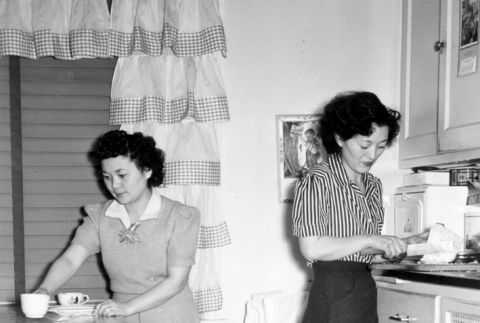
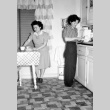
WRA resettlement image (ddr-densho-7-1)
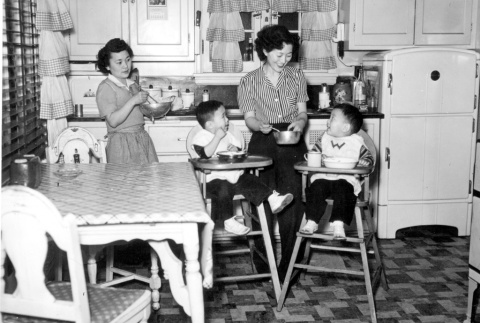
Original WRA caption: Mrs. George Isoda (left) and Mrs. Masumi Kaneko (right) are preparing supper for their husbands in the kitchen of their large Milwaukee home. The Isodas lived in Los Angeles and came to Milwaukee from the Granada Relocation Center. The Kanekos were from Seattle, and lived at the Hunt Relocation Center before coming to …
Collection
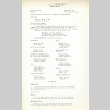
CSU Northridge Heart Mountain Relocation Center Collection (ddr-csujad-45)
The Heart Mountain Relocation Center was built during the summer of 1942 and received its first contingent of Japanese Americans on August 12, 1942. It is located in Park County, northwestern Wyoming. The collection contains Community Camp Council meeting minutes, camp laws, correspondence, the case of People of Heart Mountain vs. Tom Yamada, and other documents.
img
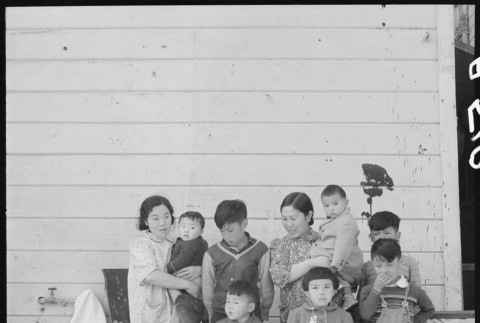
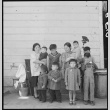
Two fatherless families awaiting mass removal (ddr-densho-151-112)
Original caption: San Francisco, California. Families of two Shinto priests who were interned on December 8, 1942, immediately upon declaration of war. The mother at right has nine American born children and has been in the United States ten years. The mother on the left has been in this country two years, and neither speak English. …
img
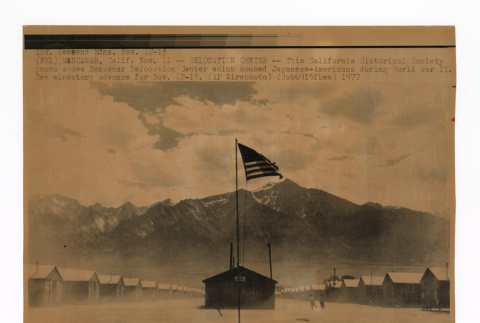
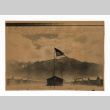
Two children running between the barracks at Manzanar (ddr-csujad-52-18)
Two children appear to be running in an otherwise empty area at Manzanar. One can see barracks on either side of the image and a building in the center of the photo, behind a flagpole with the United States flag. Caption above the image reads, "MANZANAR, Clif. Nov. 11 -- RELOCATION CENTER -- This California Historical …
doc
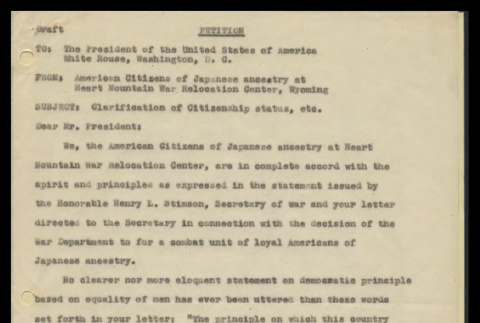
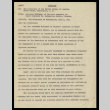
Draft petition from the American Citizens of Japanese ancestry at Heart Mountain War Relocation Center to The President of the United States of America, February 18, 1943 (ddr-csujad-55-425)
Draft of a petition from the American Citizens of Japanese Ancestry at Heart Mountain incarceration camp to the President of the United States regarding restoration of citizenship privileges and requests for curtailment of anti-Japanese propaganda. See this object in the California State Universities Japanese American Digitization project site: sac_jaac_0427
img
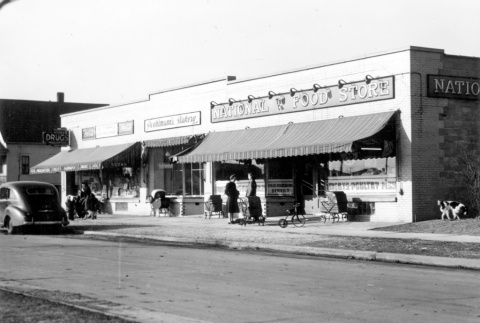
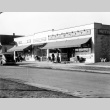
WRA resettlement image (ddr-densho-7-3)
Original WRA caption: Mrs. George Isoda and Mrs. Masumi Kaneko patronize this well-stocked shopping center. This shopping center in the Shorewood district in Milwaukee is a short walk from the home of the Isodas and the Kanekos. Not only is this an excellent shopping center, but it is a meeting place for the young wives of …
doc
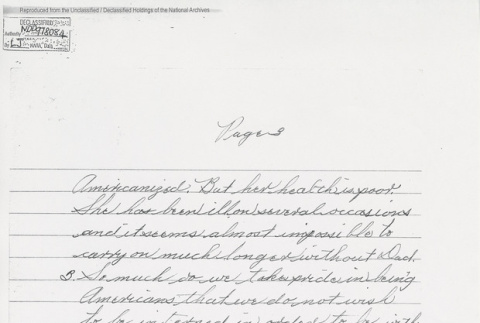
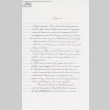
Letter from William K. Koyama from the Minidoka Concentration Camp to the United States Attorney Carl C. Donaugh asking him to parole his father, Keizaburo Koyama. Page 3 of 4. (ddr-one-5-167)
Photocopy of a declassified letter written by Keizaburo Koyama's son, William, to the United States Attorney Carl C. Donaugh asking him to release his father to the Minidoka War Relocation Center. William continues that his mom is in poor health and may not live much longer without being reunited with her husband. He does not wish …
img
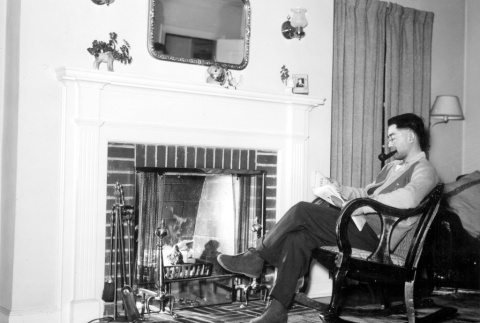
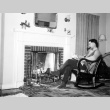
WRA resettlement image (ddr-densho-7-8)
Original WRA caption: Every man likes to put on his slippers, light up his favorite pipe, and read the evening paper before the fireplace. Mr. George Isoda is no exception. After a hard day's work as a Milwaukee auto mechanic, Mr. Isoda likes to relax in the large living room of the home which he shares …
img
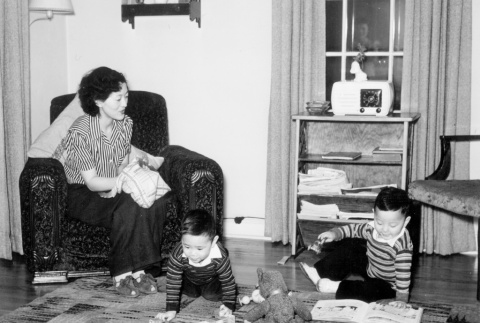
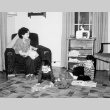
WRA resettlement image (ddr-densho-7-7)
Original WRA caption: Here is a corner view of the spacious living room in the home of the Kaneko and the Isoda families who have resettled in Milwaukee. Mrs. Tei Kaneko is opening her knitting bag while on the floor (left to right) are Robin Isoda, 2-1/2 -year-old son of Mr. and Mrs. Georg[e] Isoda, and …

av
The Japanese American (ddr-densho-1024-19)
Traces the relationship between the United States and Japan from Commodore Perry's mission in 1854 to the era of World War II, when Japanese Americans were declared enemy aliens and shipped to relocation camps. Shows how Japanese Americans have overcome early discrimination to become one of the most successful ethnic groups. From the collection of the …
img
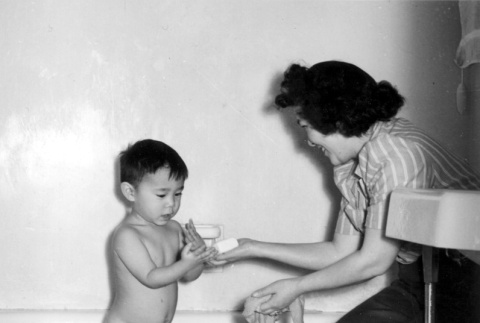
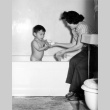
WRA resettlement image (ddr-densho-7-10)
Original WRA caption: "It's good to have a private bath of your own again," says Mrs. George Isoda as [she] gives her 2-1/2-year-old son Robin his daily bath. "After the community showers at the relocation centers, there's nothing quite so good as to be able to come home to your own warm tub and all the …
img
WRA resettlement image (ddr-densho-7-12)
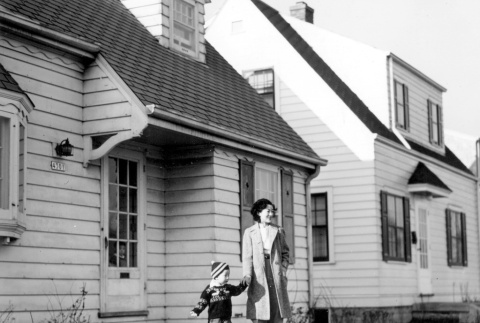
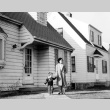
Original WRA caption: When Mrs. Masumi Kaneko goes shopping, she likes to take her young 2-1/2-year-old son, Wayne, to the store with her. Here Mrs. Kaneko, comfortably dressed in a sport coat and slacks, is leaving her Milwaukee home to visit the nearby shopping center. The Kanekos live at 4301 with another Nisei family, Mr. and …
img
WRA resettlement image (ddr-densho-7-9)
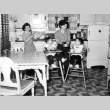
Original WRA caption: It's suppertime for the kiddies and in their well-furnished, well-stocked kitchen Mrs. George Isoda, left, and Mrs. Masumi Kaneko, right, are preparing the evening meal for their children. With a pair of "ohashis", Mrs. Isoda is preparing a vegetable dish for her 2-1/2 -year-old son, Robin, on the left, while Mrs. Kaneko is …
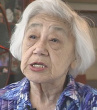
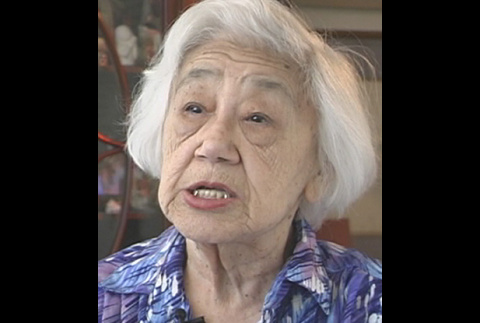
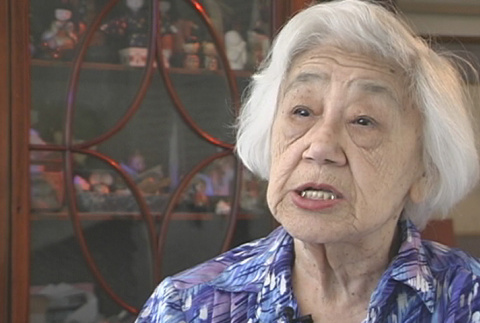
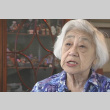
Narrator Nobu Suzuki
Nisei female. November 25, 1909, in Seattle, Washington. Father established one of the largest oyster companies in the United States prior to World War II. Graduated from Garfield High School, the University of Washington, and then the Pacific School of Religion where she earned a master's degree in religious education. At the outbreak of WWII, assisted …
vh
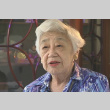
Nobu Suzuki Interview I (ddr-densho-1000-84)
Nisei female. Born November 25, 1909, in Seattle, Washington. Father established one of the largest oyster companies in the United States prior to World War II. Graduated from Garfield High School, the University of Washington, and then the Pacific School of Religion where she earned a master's degree in religious education. At the outbreak of WWII, …
vh
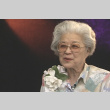
Nobu Suzuki Interview II (ddr-densho-1000-87)
Nisei female. Born November 25, 1909, in Seattle, Washington. Father established one of the largest oyster companies in the United States prior to World War II. Graduated from Garfield High School, the University of Washington, and then the Pacific School of Religion where she earned a master's degree in religious education. At the outbreak of WWII, …
vh
Aiko Herzig-Yoshinaga Interview I (ddr-densho-1000-16)
Nisei female. Born August 5, 1924, in Sacramento, California. Grew up in Sacramento and Los Angeles. During World War II, removed to the Manzanar concentration camp, California, and transferred to the Jerome concentration camp, Arkansas. Washington representative and researcher for National Council for Japanese American Redress (NCJAR) and primary archival researcher for the Commission on Wartime …

Narrator Keiko Shinmoto
Keiko Shinmoto's father migrated from Hiroshima to Portland, Oregon, where his brother was an owner of a grocery store. After returning to Hiroshima to see his ailing father, Keiko's father found it impossible to return to America as his mother hid his passport to keep him in Japan. Shortly, Keiko's mother joined him in Hiroshima, also …
Collection
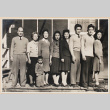
Sumida Family Collection (ddr-densho-379)
The Sumida Family Collection contains material about Chimata and Masako Murakami Sumida and their six children, Alice Yuriko Endo, Grace Rayko Nagai, Emmy Ito, Marshall Masaru Sumida, Theodore Tetsuro Sumida, Marjorie Yohko Matsumoto, and their families. Before World War II, Chimata Sumida owned a music store located in Los Angeles’ Japanese Town that sold music, instruments, …

vh
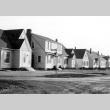
Keiko Shinmoto Interview (ddr-densho-1021-3)
Keiko Shinmoto's father migrated from Hiroshima to Portland, Oregon, where his brother was an owner of a grocery store. After returning to Hiroshima to see his ailing father, Keiko's father found it impossible to return to America as his mother hid his passport to keep him in Japan. Shortly, Keiko's mother joined him in Hiroshima, also …
img
WRA resettlement image (ddr-densho-7-6)
Original WRA caption: "Here is a corner view of the spacious living room in the home of the Kaneko and Isoda families who have resettled in Milwaukee. Mrs. Tei Kaneko is opening her knitting bag while on the floor (left to right) are Robin Isoda, 2-1/2, son of Mr. and Mrs. Georg[e] Isoda, and Wayne Kaneko, …