
261 items
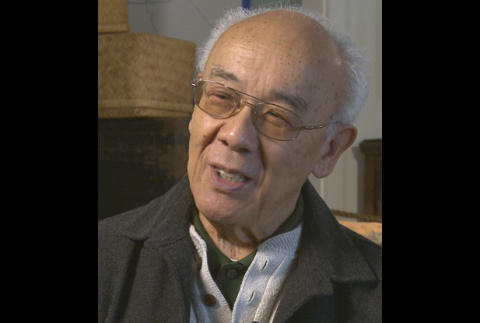
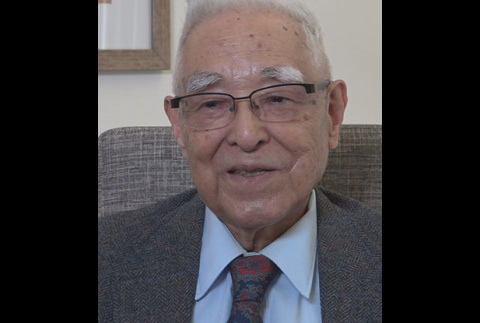
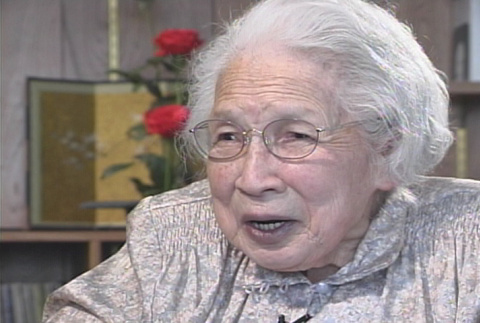
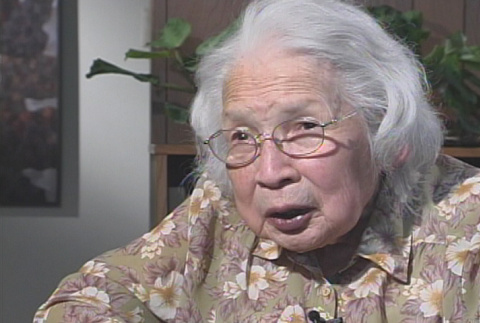
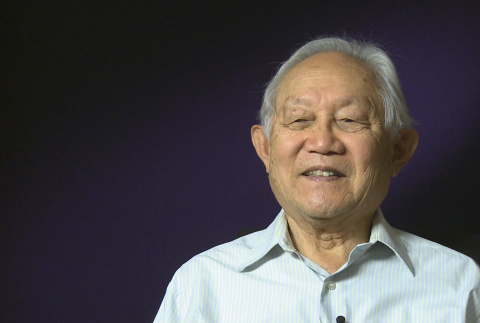
261 items
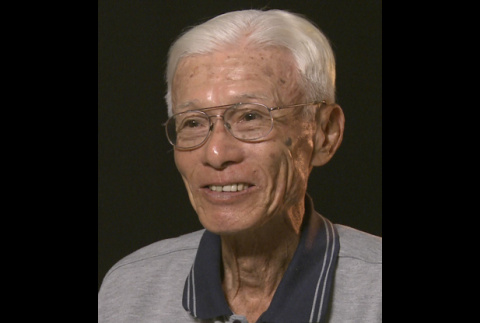
Narrator Izumi Hirano
Kibei male. Born February 25, 1929, in Hilo, Hawaii. At the age of four, moved to Japan, where family operated a farm. Attended school in Japan during World War II. Was in school in Hiroshima when the United States dropped the atomic bomb in 1945. Survived the bombing along with mother and brother. In 1949, returned …
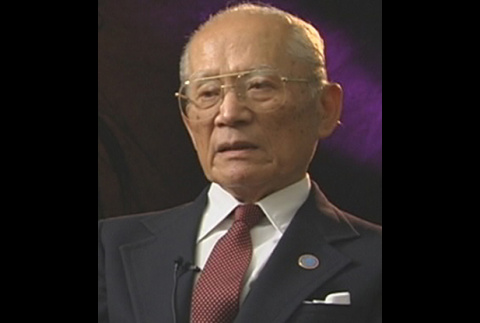
Narrator Takashi Matsui
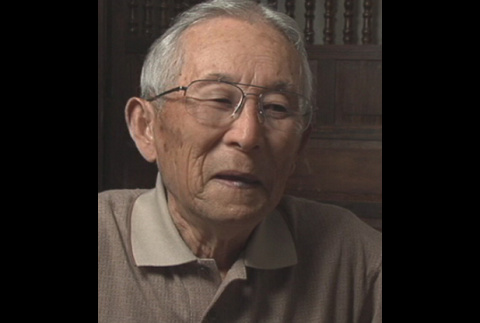
Kibei male. Born January 20, 1917, in Hood River, Oregon. Lived in Seattle, Washington, before being taken to Japan by mother at the age of three. Completed elementary through high school in Japan. Returned to Seattle at seventeen years of age. Continued education in United States. Drafted in 1942 and was an instructor for the Military …
vh
Shosuke Sasaki Interview Segment 1 (ddr-densho-1002-2-1)
Family background: born in Japan; father's unorthodox arrival in the United States
This interview was conducted by sisters Emiko and Chizuko Omori for their 1999 documentary, Rabbit in the Moon, about the Japanese American resisters of conscience in the World War II incarceration camps. As a result, the interviews in this collection are typically not …
Narrator Charles Olds
White male. Born 1913 in Karuizawa, Japan, to missionary parents. Attended Canadian school in Kobe, Japan, before coming to the United States with his older brother. He attended the University of Chicago School of Social Work, then volunteered to work for the War Relocation Authority (WRA). He later worked as a relocation officer in the concentration …
Narrator Hiroshi Terry Terakawa
Nisei male. Born January 3, 1929, in Kyoto, Japan. Came to United States as a young child with parents. Moved frequently as a child due to father's role as a Buddhist minister, living in places like Walnut Grove and Marysville, California. During World War II, was living in Salt Lake City. Drafted into the army and …
Narrator Susumu Nakanishi
Shin-Issei male. Born September 10, 1926, in Hyogo, Japan. Grew up in Japan, where parents farmed. During World War II, exempted from the draft due to higher education status. Attended Doshisha University in Kyoto, learning English from an influential missionary. Moved to the United States and attended Lehigh University in Pennsylvania, then studied at the University …
vh
Yasashi Ichikawa Interview I (ddr-densho-1000-111)
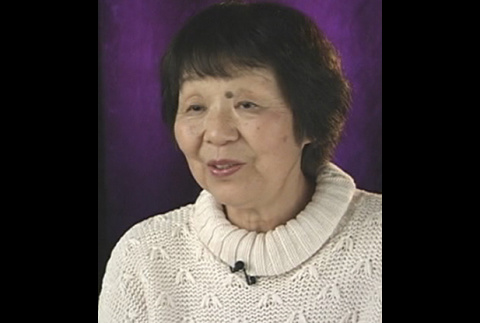
Issei female. Born 1907 in Shimonoseki, Japan. Attended school in Japan, and was encouraged by father to study English. Married a Buddhist minister and immigrated to the United States. Lived in Fresno, California, then returned to Japan for two years. Moved to Seattle, Washington, where husband was a minister at the Seattle Buddhist Temple. During World …
vh
Yasashi Ichikawa Interview II (ddr-densho-1000-112)
Issei female. Born 1907 in Shimonoseki, Japan. Attended school in Japan, and was encouraged by father to study English. Married a Buddhist minister and immigrated to the United States. Lived in Fresno, California, then returned to Japan for two years. Moved to Seattle, Washington, where husband was a minister at the Seattle Buddhist Temple. During World …
vh
Peggy S. Furukawa Interview (ddr-densho-1000-399)
Nisei female. Born March 30, 1928, in San Jose, California. Prior to World War II, sent by father to live in Japan with relatives. Remained in Japan during the war, attending school and working in an airplane parts factory to support the Japanese war effort. Eventually returned to the United States and San Jose.
(This material …
vh
George Fugami Interview (ddr-densho-1000-7)
Kibei male. Born August 1, 1915, in Portland, Oregon. Sent with siblings to be educated in Japan when ten years old. Returned to the United States in 1935. During World War II, was incarcerated at the Portland Assembly Center, Oregon, and Minidoka concentration camp, Idaho. Active in Seattle's postwar Japanese American community as a member and …
Narrator Ayame Tsutakawa
Kibei female. Born May 23, 1924, in the Hollywood area of Los Angeles, California. Sent to Japan to live with a relative when thirteen months old. Returned to United States and mother when twelve years old. Incarcerated at Sacramento Assembly Center and Tule Lake concentration camp, both in California. Resettled in Sacramento, California. Married George Tsutakawa, …
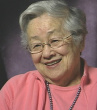
Narrator Kajiko Hashisaki
Nisei female. Born March 27, 1924, and raised in Seattle, Washington. After the bombing of Pearl Harbor, was removed to the Puyallup Assembly Center, Washington, and the Minidoka concentration camp, Idaho. Left Minidoka in 1943 to attend school in St. Paul, Minnesota. Married in 1945, and lived in Japan for sixteen months before returning to the …
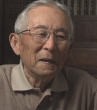
Narrator Tadashi Sakuma
Nisei male. Born May 20, 1913, in Hiroshima, Japan, and immigrated to the United States at the age of eleven. Lived on Bainbridge Island, Washington. During World War II, removed to the Manzanar concentration camp, California, later transferring to the Minidoka concentration camp, Idaho. After leaving camp, lived in Moses Lake, Washington, for a time before …
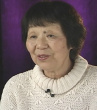
Narrator Hiroko Nakashima
Kibei female. Born 1927 in Spokane, Washington. Went to Japan at the age of twelve with her mother and sister to visit relatives and gain a "Japanese education." Was in Japan when World War II broke out, remaining there for the duration of the war. Returned to the United States soon after the war ended, married …
doc
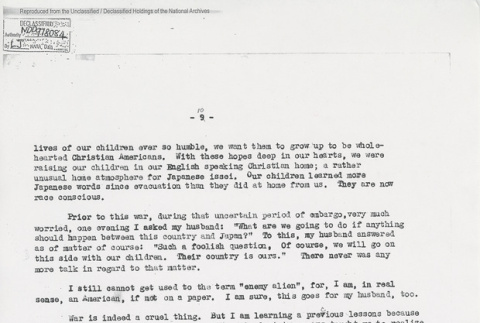
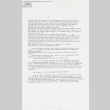
Typed and notarized letter from Teru Koyama to Edward J. Ennis, Director, Enemy Alien Control Unit. Page 10 of 13. (ddr-one-5-237)
Photocopy of a typed letter from Teru Koyama to Edward J. Ennis concerning the rehearing of Keizaburo Koyama's case. Mrs. Koyama notes that it is very unusual for Issei parents to raise their kids in an American-style environment, but she doesn't regret the decision to do so. While she was worried about war between the United …
doc
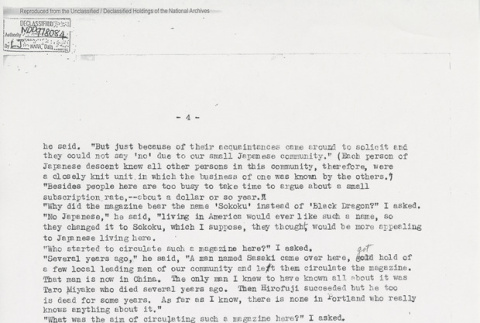
Typed and notarized letter from Teru Koyama to Edward J. Ennis, Director, Enemy Alien Control Unit. Page 4 of 13. (ddr-one-5-231)
Photocopy of a typed letter from Teru Koyama to Edward J. Ennis concerning the rehearing of Keizaburo Koyama's case. On the forth page, Mrs. Koyama asks her husband's acquaintance why Dr. Koyama would even subscribe to such a newsletter. He answered that it was because the Japanese community in Portland is small and very tightknit and …
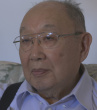
Narrator Kanji Sahara
Issei male. Born April 4, 1934, in Hiroshima, Japan, while mother and older siblings were visiting Japan for an extended period. Came to the United States at a few months old, and grew up in the Uptown area of Los Angeles, California. During World War II, removed to the Santa Anita Assembly Center, California, and the …
vh
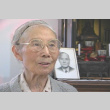
Asano Terao Interview I Segment 27 (ddr-densho-1000-108-27)
Saying goodbye to mother upon leaving Japan for the United States (Japanese language)
This interview was conducted in Japanese and was translated so as to convey Mrs. Terao's way of speaking as closely as possible. For example, there are instances in which she makes some grammatical errors. These mistakes are conveyed through similar grammatical errors in …
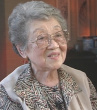
Narrator Mutsu Homma
Issei female. Born June 19, 1911, in Tono City, Iwate-ken, Japan. Immigrated to the United States in 1929. Incarcerated at the Santa Anita Assembly Center, California, and Amache concentration camp, Colorado. Father established and ministered the first Western-style Christian church in Tono City. Husband was assigned to the Santa Anita Assembly Center as the official head …
doc
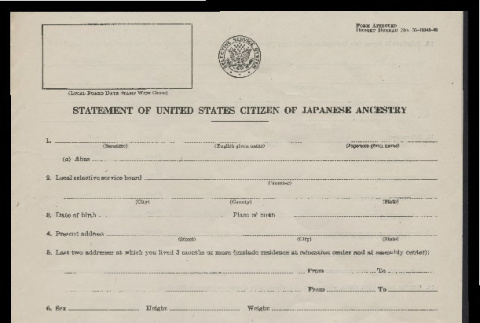
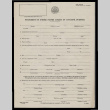
Statement of United States citizen of Japanese ancestry, Form DSS 304A (ddr-csujad-55-184)
Questionnaire distributed to male U.S. citizens of Japanese ancestry over the age of 17, commonly known as the, "loyalty questionnaire." Individuals were required to supply information regarding place of birth; date of birth; places of residence; height; weight; hair color; eye color; voter status (when and where he first registered); if married, his wife's ancestry; the …
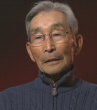
Narrator Jimmie S. Matsuda
Nisei male. Born June 16, 1927, in Hood River, Oregon. Grew up in Hood River, where parents ran a farm. At the age of thirteen, went to Japan with family for a vacation and ended up staying there. Attended school in Japan and then was trained in the Japanese air force as a kamikaze pilot. Instead …
vh
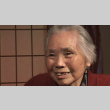
Chiyo Endo Interview (ddr-one-7-10)
Issei female. Born March 14, 1906, in Japan, where family owned and operated a silkworm business. At age fifteen, immigrated to the United States to join father who was already there. Lived in Milwaukie, Oregon, before the war, and married and had six children. Husband passed away before World War II. During the war, removed to …
vh
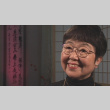
Michiko Kornhauser Interview (ddr-one-7-25)
Shin-Issei female. Born July 21, 1936, in Sasebo, Japan. Was a child in Okayama during World War II. After the war, immigrated to the United States and lived and worked in various places including Honoulu, Hawaii, and Portland, Oregon.
(This material is based upon work assisted by a grant from the Department of the Interior, National …
vh
Shosuke Sasaki Interview (ddr-densho-1000-78)
Issei male. Born March 26, 1912, in Yamaguchi ken, Japan. Immigrated to United States in 1919. Lived in Pomeroy, Washington, and Seattle, Washington, before World War II. Incarcerated at the Puyallup Assembly Center, Washington and the Minidoka concentration camp, Idaho. Resettled in New York. As a member of the Newspaper Guild, led effort to eliminate pejorative …
vh
Frank H. Hirata Interview (ddr-densho-1000-271)
Kibei-Nisei male. Born November 19, 1925, in Spokane, Washington. At the age of ten, went to Japan with grandfather. During World War II, was conscripted into the Japanese army, and was still in training when the war ended. After the war, continued education, graduating from Kyoto University with a law degree. Got married in 1957 and …