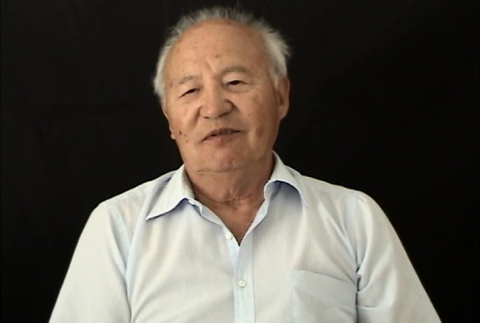
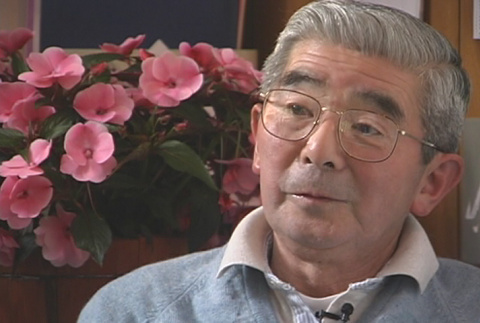
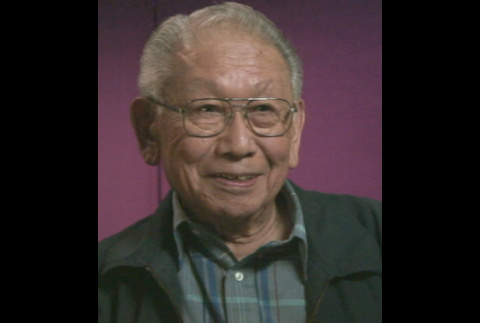
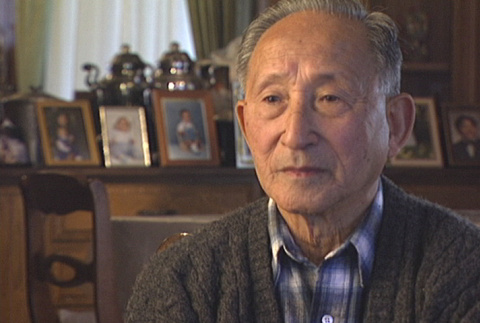
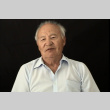
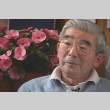
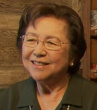
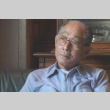
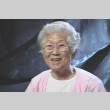
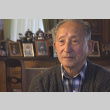
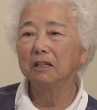
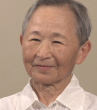
Nisei male. Born 1924 in Tacoma, Washington. Grew up in Tacoma, where father worked for a produce business. After the bombing of Pearl Harbor, removed to the Pinedale Assembly Center, California, and the Tule Lake concentration camp, California. Left camp temporarily to work harvesting sugar beets for a sugar company. Drafted into the army in 1945. …
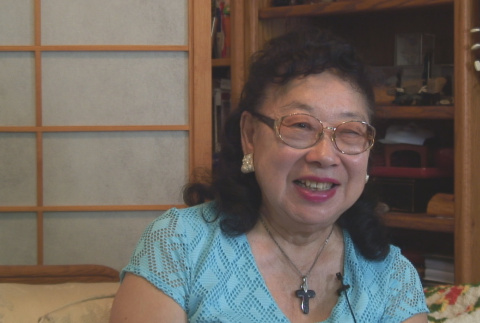
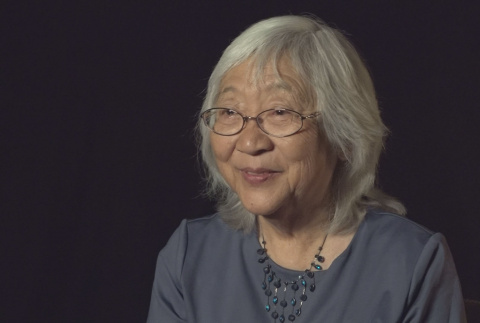
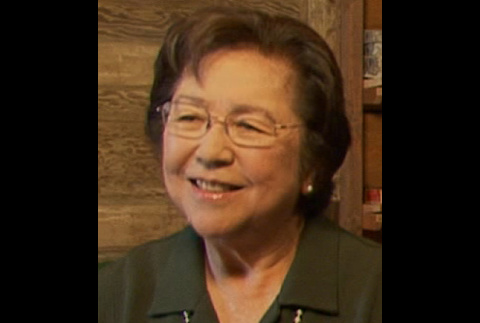
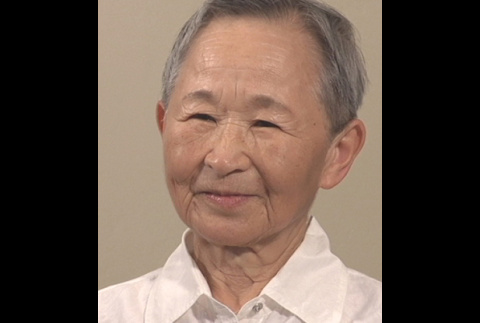
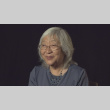
Sansei female. Born April 2, 1937, in Auburn, California. Grew up in Loomis, California. During World War II, removed to the Marysville Assembly Center, California, and the Tule Lake concentration camp, California. Transferred to the Topaz concentration camp, Utah. After leaving camp, lived and attended school in Nebraska for a few years before returning to Loomis. …
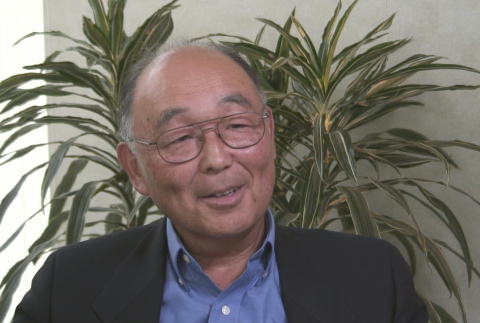
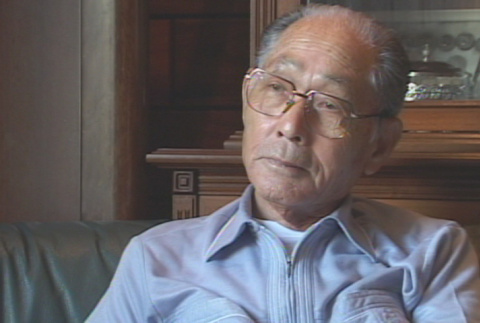
Kibei male. Born March 3, 1942, in Los Angeles, California. At only a few months of age, removed to the Manzanar and Tule Lake concentration camps, California. Expatriated to Japan with family during World War II. Grew up in Japan before returning to Los Angeles for high school. Later studied accounting, and became one of the …
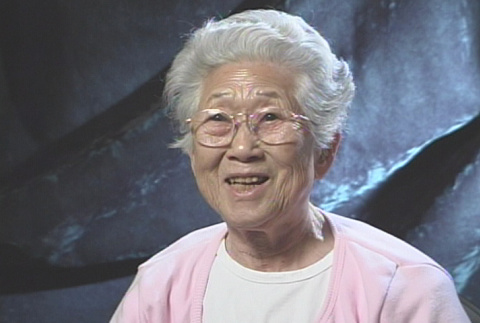
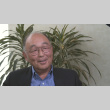
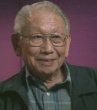
Nisei male. Born September 12, 1923, in Thomas, Washington. Grew up in small town of Thomas, where family was part of the White River Valley farming corporation. During World War II, removed to the Pinedale Assembly Center and Tule Lake concentration camp, California. After leaving camp, moved to Chicago and managed a large estate farm. Eventually …
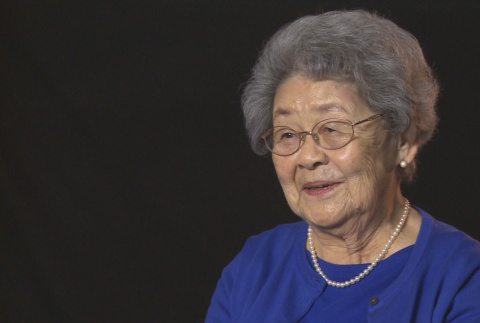
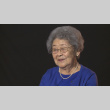
Nisei female. Born January 18, 1925, in Seattle, Washington. Grew up in the South Park area, south of Seattle, where parents ran a farm. During World War II, removed to the Pinedale Assembly Center, California, and the Tule Lake concentration camp, California. After leaving camp, lived and worked in Ontario, Oregon, for a time, before living …
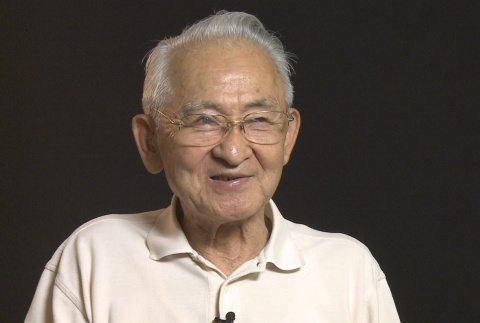
Nisei male. Born July 31, 1921, in Seattle, Washington. Raised in Raymond, Washington. Incarcerated at Tule Lake concentration camp, California, and Heart Mountain concentration camp, Wyoming; he worked on the staff of both camp newspapers, the Tulean Dispatch and the Heart Mountain Sentinel, respectively. Resettled in Seattle after the war and entered the greenhouse business. He …
Sansei female. Born November 20, 1941, in Tacoma, Washington, where parents ran a restaurant. Spent early years at the Tule Lake concentration camp, California, where family was held. After leaving camp, moved to Seattle, Washington. Became an accomplished violinist, performing at an early age. Studied music at the University of Washington, then went on to become …
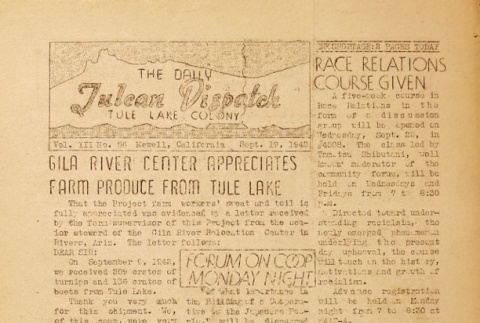
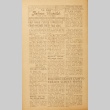
Selected article titles: "Gila River Center Appreciates Farm Produce From Tule Lake" (p. 1), "Race Relations Course Given" (p. 1), "Forum On Co-op Monday Night" (p. 1), "Project Area is Varied" (p. 1), "Workers May Get Pay Before Going" (p. 1), "Buddhist 'Oshoko' at Sunday Service" (p. 1), "New Course Will Probe Family Ties" (p. 1), …
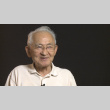
Nisei male. Born February 1, 1924, in Florin, California. Grew up in Florin, where family operated a farm. During World War II, was removed to the Marysville Assembly Center and Tule Lake concentration camp, California. Left camp and settled in Chicago, Illinois.
Nisei female. Born January 18, 1925, in Sacramento, California. Grew up in the small communities of Clarksburg and Courtland before the war. During World War II, removed to the Tule Lake concentration camp, California. After leaving camp, returned to the Sacramento area.
Nisei female. Born 1932 in Sacramento, California. Grew up in the small town of Penryn, California, where mother was a barber. During World War II, removed to the Marysville Assembly Center and Tule Lake concentration camp, California. After leaving camp, returned to Penryn.
Going on a hunger strike while in the Tule Lake stockade (Japanese language)
This interview was conducted in Japanese. The transcript is a translation of the original interview. This material is based upon work assisted by a grant from the Department of the Interior, National Park Service. Any opinions, finding, and conclusions or recommendations expressed in …
Charged with being "disloyal" and segregated to Tule Lake (Japanese language)
This interview was conducted in Japanese. The transcript is a translation of the original interview. This material is based upon work assisted by a grant from the Department of the Interior, National Park Service. Any opinions, finding, and conclusions or recommendations expressed in this material …
Origins of the November 4, 1943, conflict at Tule Lake (Japanese language)
This interview was conducted in Japanese. The transcript is a translation of the original interview. This material is based upon work assisted by a grant from the Department of the Interior, National Park Service. Any opinions, finding, and conclusions or recommendations expressed in this …
Demanding that the American flag be removed upon arrival at Tule Lake (Japanese language)
This interview was conducted in Japanese. The transcript is a translation of the original interview. This material is based upon work assisted by a grant from the Department of the Interior, National Park Service. Any opinions, finding, and conclusions or recommendations expressed …
Feeling patriotic towards Japan while being held in the Tule Lake stockade (Japanese language)
This interview was conducted in Japanese. The transcript is a translation of the original interview. This material is based upon work assisted by a grant from the Department of the Interior, National Park Service. Any opinions, finding, and conclusions or recommendations expressed …
Establishing rules and structure for the youth groups in Tule Lake (Japanese language)
This interview was conducted in Japanese. The transcript is a translation of the original interview. This material is based upon work assisted by a grant from the Department of the Interior, National Park Service. Any opinions, finding, and conclusions or recommendations expressed in …
Representing the delegation to meet with the Tule Lake project director (Japanese language)
This interview was conducted in Japanese. The transcript is a translation of the original interview. This material is based upon work assisted by a grant from the Department of the Interior, National Park Service. Any opinions, finding, and conclusions or recommendations expressed in …
Confined in the Tule Lake stockade without receiving medical treatment (Japanese language)
This interview was conducted in Japanese. The transcript is a translation of the original interview. This material is based upon work assisted by a grant from the Department of the Interior, National Park Service. Any opinions, finding, and conclusions or recommendations expressed in this …
Being beaten up by War Relocation Authority personnel in Tule Lake (Japanese language)
This interview was conducted in Japanese. The transcript is a translation of the original interview. This material is based upon work assisted by a grant from the Department of the Interior, National Park Service. Any opinions, finding, and conclusions or recommendations expressed in …
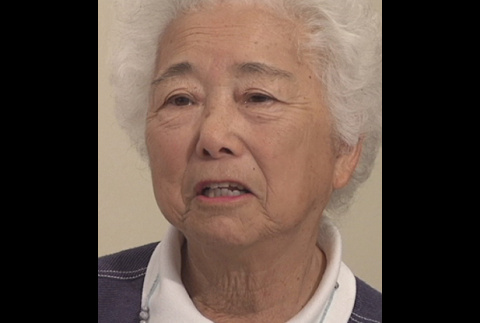
First impressions of Tule Lake concentration camp, finding ways to pass the time (Japanese language)
This interview was conducted in Japanese. It was translated so as to convey Mrs. Terasaki's way of speaking as closely as possible. For example, there are instances in which she makes some grammatical errors. These mistakes are conveyed through similar grammatical …
Answering "no-no" on the so-called "loyalty questionnaire," and being taken to the stockade in Tule Lake concentration camp
This interview was conducted by sisters Emiko and Chizuko Omori for their 1999 documentary, Rabbit in the Moon, about the Japanese American resisters of conscience in the World War II incarceration camps. As a result, the interviews …
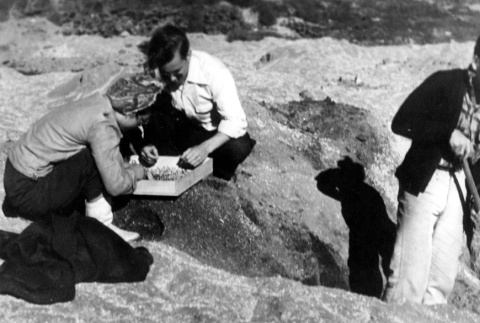
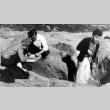
Jimmie Yorita (right) digs for shells used by people in camp to make jewelry. His sister, Patsy (left), and Neal Frost, son of one of the camp's teachers, sift the dirt. Tule Lake was drained in the early 1900s. The camp was located on the old lake bed, where camp inmates found shells for making jewelry …
Nisei female. Born April 29, 1925, in Clarksburg, California. Grew up in the communities of Clarksburg and Courtland before the war. During World War II, removed to the Marysville Assembly Center and Tule Lake concentration camp, California. After leaving camp, returned to the Clarksburg area.
Nisei female. Born March 28, 1928, in Clarksburg, California. Grew up in the Sacramento area prewar. During World War II, was removed with family to the Tule Lake concentration camp, California. After leaving camp, worked in Utah and Los Angeles before eventually returning to Sacramento.