
1098 items

1098 items
doc
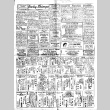
Rocky Shimpo Vol. 12, No. 94 (August 6, 1945) (ddr-densho-148-181)
Selected article titles: "Cozzens Praises Pratt's Statement"; "YMCA Worker on West Coast for Survey Work"; "On the Other Hand"; "Technical Sergeant Released from Ft. Logan"; "Responsibility"; "Investigate Shot"; "Returnee Unable to Get Re-Established: Suicide"; "Tule Lake Fire Fighters Give a Demonstration"; "Returnee News"; "Union Metes Out Punishment to 5"; "Masaoka Speaks at Conclave"; "California Girls Fete …
doc
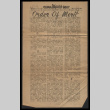
Tulean dispatch daily supplement (ddr-csujad-55-2398)
Supplement to the Tulean dispatch daily listing the names of individuals at Tule Lake incarceration camp who have received the Order of Merit. Also includes articles on the Merit Board Committee, commendation from Director Coverley, and selection procedures. See this object in the California State Universities Japanese American Digitization project site: sac_jaac_2504
vh
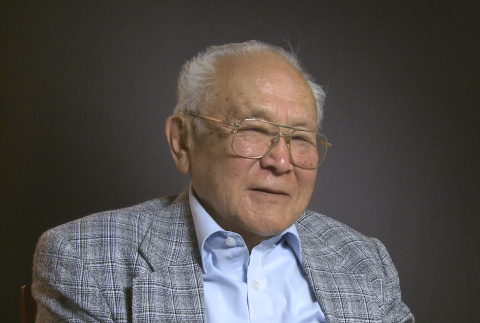
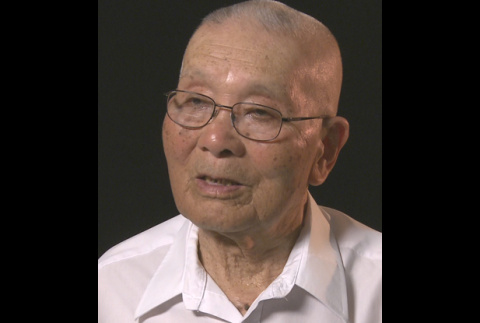
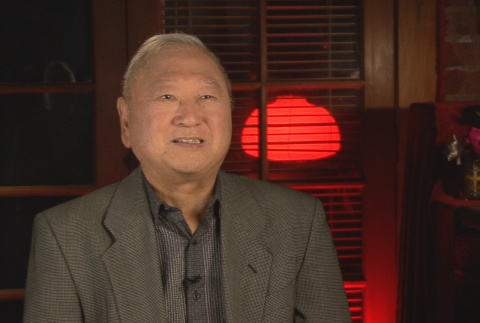
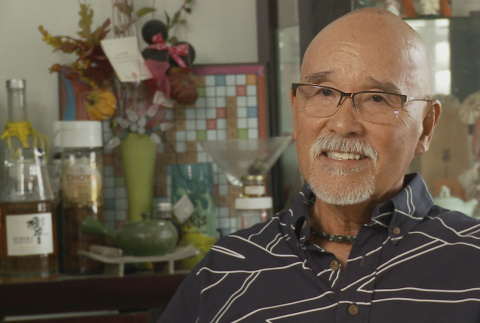
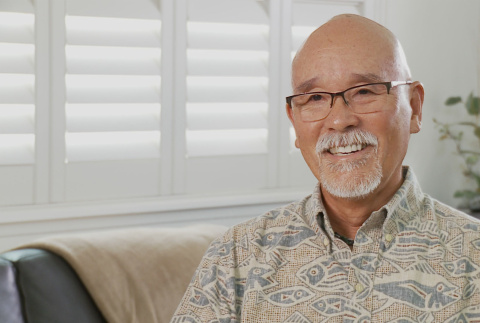
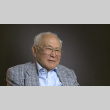
George M. Yoshino Interview (ddr-densho-1014-8)
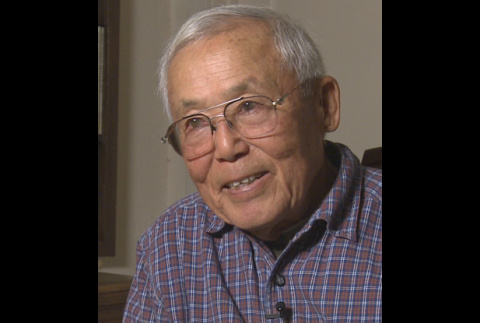
Nisei male. Born February 25, 1921, in Bellevue, Washington. Grew up in Bellevue, where parents operated a farm. During World War II, removed to the Pinedale Assembly Center and Tule Lake concentration camp, California. While in camp, obtained temporary leave to work for a railroad company. Volunteered for the military, and served with the Military Intelligence …
img
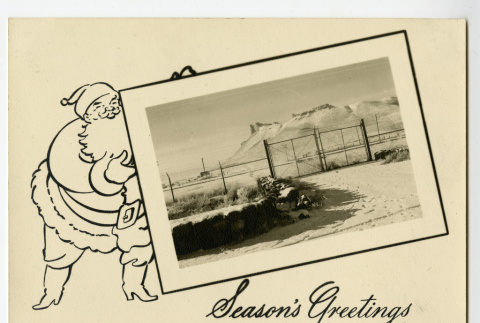
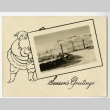
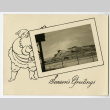
Holiday greeting card (ddr-csujad-3-17)
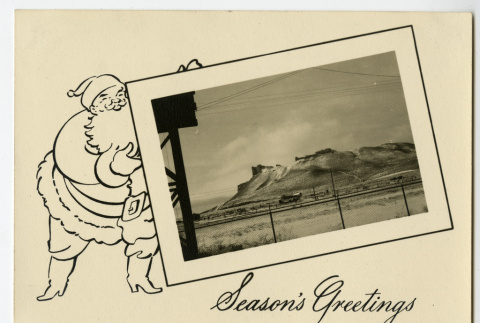
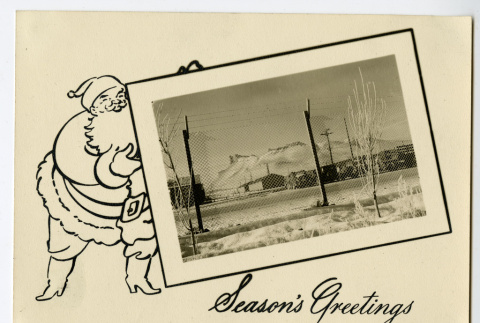
Christmas card of Santa Claus presenting a landscape photo of the Tule Lake incarceration camp featuring a barbed wire fence, snow covered path to a gate leading outside camp to a railroad crossing, and a hillside. Card reads "Season's greetings." See this object in the California State Universities Japanese American Digitization project site: tos_01_001_018
img
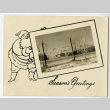
Holiday greeting card (ddr-csujad-3-16)
Christmas card of Santa Claus presenting a photo of the Tule Lake incarceration camp featuring a barbed wire fence, what appears to be a section of a guard tower, and a distant hillside. Card reads "Season's greetings." See this object in the California State Universities Japanese American Digitization project site: tos_01_001_017
img
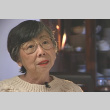
Holiday greeting card (ddr-csujad-3-18)
Christmas card featuring Santa Claus presenting a landscape photo of the Tule Lake incarceration camp from outside a barbed wire fence looking in on buildings in camp with a hill in the distance. Card reads "Season's greetings." See this object in the California State Universities Japanese American Digitization project site: tos_01_001_019
vh
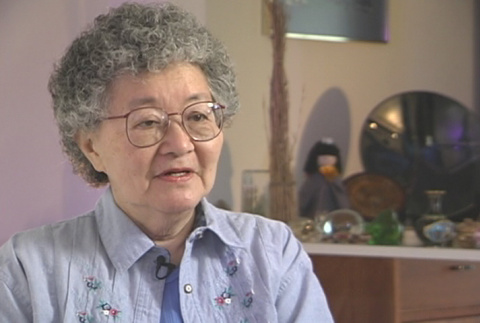
Sarah Sato Interview (ddr-densho-1000-81)
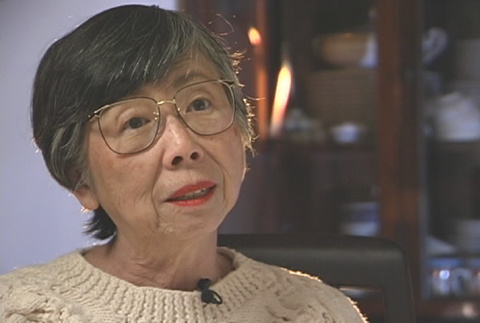
Sansei female. (Mother and father born in Hawaii.) Born February 1925 in Peru. Spent prewar childhood in Peru and Hawaii. Father picked up by the FBI and detained after bombing of Pearl Harbor. Was incarcerated at Jerome concentration camp, Arkansas, and Tule Lake concentration camp, California. Renounced citizenship in order to stay with parents, and was …
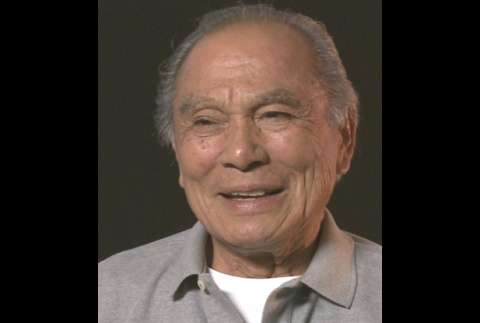
Narrator Jim M. Tanimoto
Nisei male. Born June 3, 1923, in Marysville, California. Grew up in Marysville, California, eventually moving to Gridley, California. After the bombing of Pearl Harbor on December 7, 1941, removed with family to the Tule Lake concentration camp, California. Refused to sign the so-called "loyalty questionnaire," and was removed with most other young men in Tule …
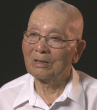
Narrator Hikaru Morohoshi
Kibei Nisei male. Born October 4, 1915, in Stockton, California. As a young child, sent to Japan to live with grandparents and attend school. Returned to California at age eighteen, and drafted into the U.S. military. Discharged from the army after Japan bombed Pearl Harbor. Removed to the Tanforan Assembly Center, Washington, and the Topaz concentration …
img
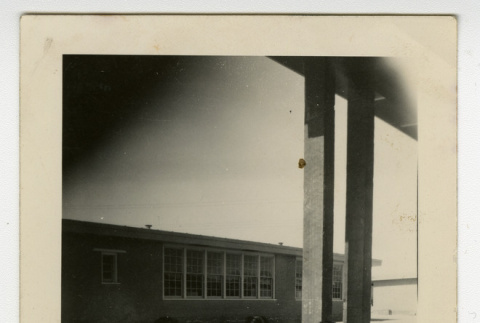
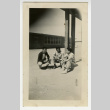
Nisei men sitting outside with building in the background (ddr-csujad-44-6)
A photograph of three young Nisei men incarcerated at Tule Lake, California. Two of them are crouching on the ground and the third young man is sitting on the edge sidewalk outside a building. They are positioned in a half circle facing each other. Another building with several windows is in the background. See this object …
img
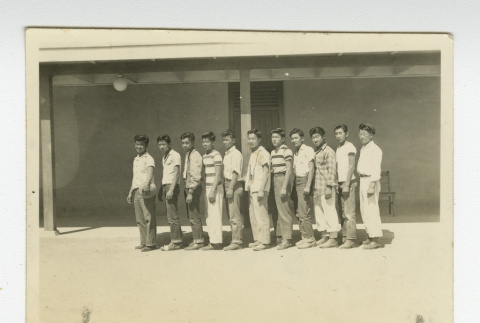
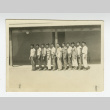
Nisei men's basketball team standing in front of barrack (ddr-csujad-44-21)
A photograph of eleven young Nisei men standing in a row in front of a barrack at Tule Lake, California. They are presumably basketball team members and standing shortest to tallest from left to right. The young man on the far left at the front of the row in holding a basketball at his side. See …
img
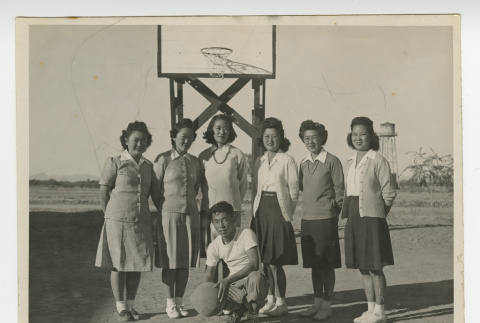
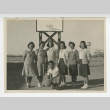
Basketball team (ddr-csujad-44-9)
A photograph of six young Nisei women and one young Nisei man incarcerated at Tule Lake, California. The woman are standing in a row in front of a basketball goal. The young man is kneeling in front of them holding a basketball. They are presumably basketball team members. Photo inscription on back: "Otis." See this object …
img
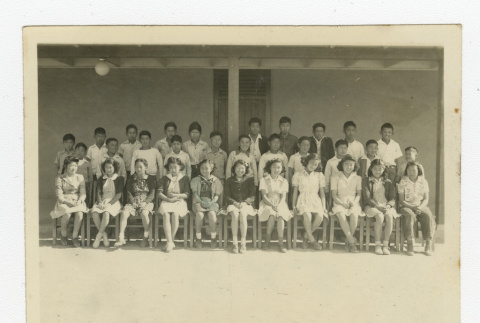
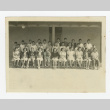
Group of Nisei 7th graders outside a barrack (ddr-csujad-44-30)
A large group photograph of boys and girls who are Nisei 7th graders incarcerated at Tule Lake, California. The group of children is posing in three rows outside a barrack. The boys in the back two rows are standing. The girls in the front row are seated in chairs. Photo inscription on back: "7th." See this …
img
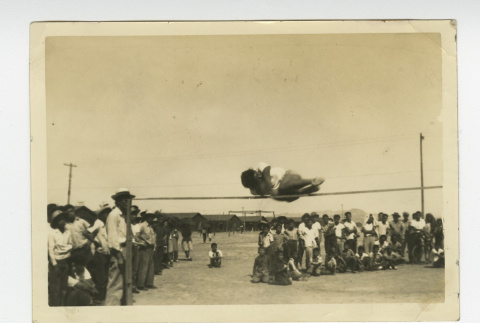
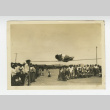
Mid-air jumping over raised horizontal bar (ddr-csujad-44-14)
A photograph of an incarceree in mid-air as they jump over a raised horizontal bar at Tule Lake, California. The person is just above the bar with their hands and feet tucked in. Spectators are crowded in the background and to the side of the bar. Barracks are in the far background. See this object in …
img
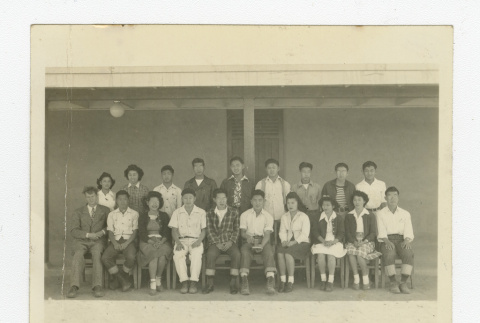
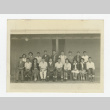
S.B. Council outside a barrack (ddr-csujad-44-36)
A photograph of Nisei students incarcerated at Tule Lake, California with their teacher. They are presumably student board council members. They are posing for the photo in two rows in front of a barrack. The back row is standing and the front row is seated in chairs. Photo inscription on back: "S.B. Council." Title from inscription. …
img
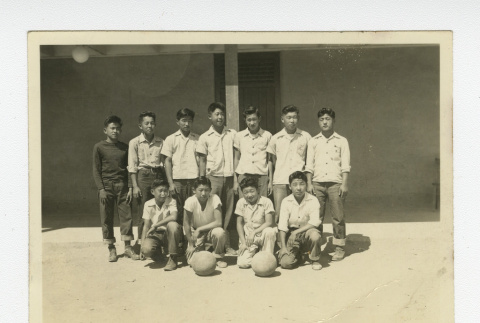
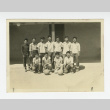
Nisei men's basketball team (ddr-csujad-44-23)
A group photograph of eleven young Nisei men posing outside in front of a barrack at Tule Lake, California. They are presumably basketball team members. The men are in two rows. The back row is standing and the front row is kneeling. There are two basketballs on the ground in front of the group. See this …
vh
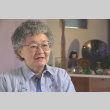
Rae Takekawa Interview (ddr-densho-1000-89)
Sansei female. Born August 27, 1927, in Bellevue, Washington. Raised on the family farm in Bellevue, Washington, prior to World War II. Was incarcerated at the Pinedale Assembly Center, California, and Tule Lake concentration camp, California. Was released early to harvest sugar beets in Chinook, Montana. At the onset of World War II, her father was …
vh
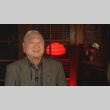
Roy Doi Interview (ddr-densho-1011-5)
Nisei male. Born March 26, 1933, in Sacramento, California. Grew up in Sacramento where father was a migrant farm laborer. During World War II, removed to the Marysville Assembly Center, California, and the Tule Lake concentration camp, California. Transferred with family to the Heart Mountain concentration camp, Wyoming. Returned to California after the war.
(This material …
Narrator Richard E. Yamashiro
Nisei male. Born February 13, 1929, in Seattle, Washington. Grew up in Hollywood, California, and was living there when Japan bombed Pearl Harbor in 1941. Removed to the Manzanar concentration camp, California. Parents signed "no-no" on the so-called "loyalty questionnaire" and the family was transferred to the Tule Lake concentration camp, California, then designated as a …

av
Edwin (Ed) Sasaki oral history interview (ddr-csujad-9-1)
Oral history interview of Edwin (Ed) Sasaki, a professor of the Psychology Department, conducted by the Public History Institute at California State University, Bakersfield. Professor Sasaki was born in Sacramento, California, in November 1940 and grew up in Weiser, Idaho. He recollects his family's experiences during the World War II, being arrested as a suspect and …
vh
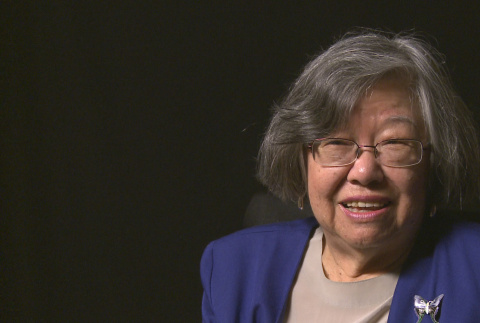
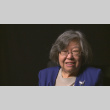
Betty Tanakatsubo Interview (ddr-densho-1000-343)
Nisei female. Born June 15, 1925, in Sacramento, California. During World War II, removed to the Sacramento Assembly Center, California, and the Tule Lake concentration camp, California. Transferred to the Granada (Amache) concentration camp, Colorado. Left camp for Cleveland, Ohio, and worked for the War Relocation Authority. Eventually settled in Chicago, Illinois.
(This material is based …
vh
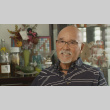
Jeff Furumura Interview I (ddr-densho-1000-533)
Sansei male. Born November 23, 1950, in Los Angeles, California. During World War II, father was in a tuberculosis sanitarium, then was taken to the Tule Lake concentration camp, California, and mother was sent to the Santa Anita Assembly Center, California, and the Jerome concentration camp, Arkansas. Parents met in Chicago, Illinois, after leaving the camps. …
vh
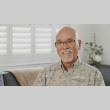
Jeff Furumura Interview II (ddr-densho-1000-539)
Sansei male. Born November 23, 1950, in Los Angeles, California. During World War II, father was in a tuberculosis sanitarium, then was taken to the Tule Lake concentration camp, California, and mother was sent to the Santa Anita Assembly Center, California, and the Jerome concentration camp, Arkansas. Parents met in Chicago, Illinois, after leaving the camps. …
doc
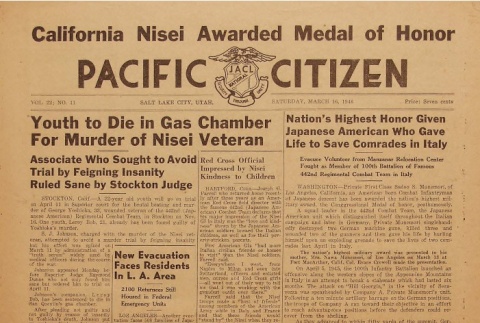
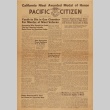
Pacific Citizen Vol. 22 No. 11 (ddr-densho-121-16)
Selected article titles: "California Nisei Awarded Medal of Honor. Nation's Highest Honor Given Japanese American Who Gave Life to Save Comrades in Italy" (p. 1), "Youth to Die in Gas Chamber for Murder of Nisei Veteran" (p. 1), "New Evacuation Faces Residents in L.A. Area" (p. 1), "California Seeks Confiscation of Farm Property" (p. 1), "Tule …
doc
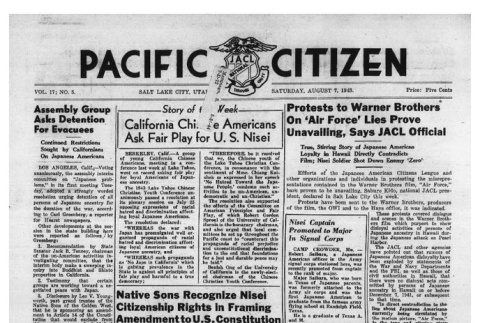
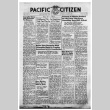
The Pacific Citizen, Vol. 17 No. 5 (August 7, 1943) (ddr-pc-15-30)
Selected article titles: "California Chinese Americans Ask Fair Play for U.S. Nisei" (p. 1), "Leupp Not Prison Or Concentration Camp, Says Best" (p. 1), "Plan Exchange of U.S., Japan Nationals Soon. Repatriation Ship Will Take 1500 Persons To Porguguese India" (p. 1), "Evacuee Property Problems Considered by Dillon Myer During Los Angeles Visit" (p. 2), "Evacuees …