
1098 items





1098 items

img
Washroom foundation (ddr-densho-35-18)
This is a foundation from an old washroom. The Japanese Americans in camp did not have private washrooms, showers, toilets, or laundries. Each block, made up of approximately twelve barracks, shared such facilities.

img
Interior of barracks (ddr-densho-35-16)
These barracks are one of two owned by a local farmer. The interior appears to have been untouched since World War II.

img
Boiler-room foundation (?) (ddr-densho-35-20)
This is believed to be the foundation of an old boiler room. The barracks apartments did not have running water. If a Japanese American wanted water, he or she would have to go to a communal facility such as the washroom. The boiler heated the water for the washroom, shower, and laundry.


img
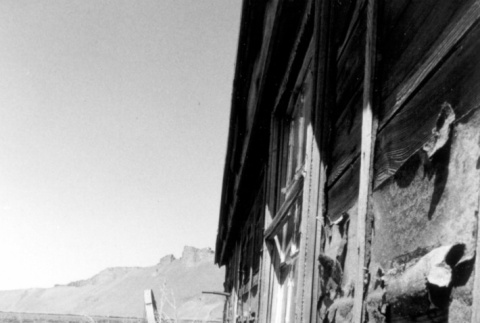
Exterior of barracks (ddr-densho-35-42)
Local farmers currently own several barracks from the Tule Lake concentration camp. Some barracks have been made into homes, while others, like the one shown here, have been converted into storage areas.

img
Guard tower foundation (?) (ddr-densho-35-3)
This foundation remnant, presumably from a guard tower, is located outside the barbed-wire fence surrounding the stockade.

img
Board with apartment number (?) (ddr-densho-35-23)
The Tule Lake Museum, located on the town's fairgrounds, contains a display of artifacts from the Tule Lake concentration camp. This wooden marker is from a barracks apartment.

img
Artifacts (ddr-densho-35-24)
The Tule Lake Museum, located on the local fairgrounds, houses a display of artifacts from the Tule Lake concentration camp. The chair was probably handcrafted by a camp inmate.

img
Exterior of barracks (ddr-densho-35-43)
Local farmers currently own several barracks from the Tule Lake concentration camp. Some barracks have been made into homes, while others, like the one shown here, have been converted into storage areas.
img
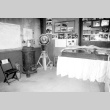
Artifacts (ddr-densho-35-22)
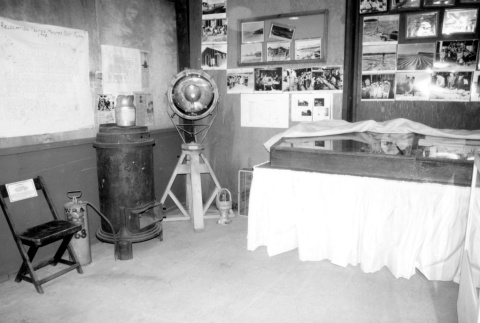
The Tule Lake Museum is located on the local fairgrounds and contains a display of artifacts from the Tule Lake concentration camp. The large searchlight is from a camp guard tower. Coal-burning stoves such as this one, presumably from barracks apartment, were the main source of heat for the Japanese Americans. To the left of the …
img
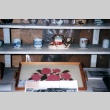
Artifacts (ddr-densho-35-40)
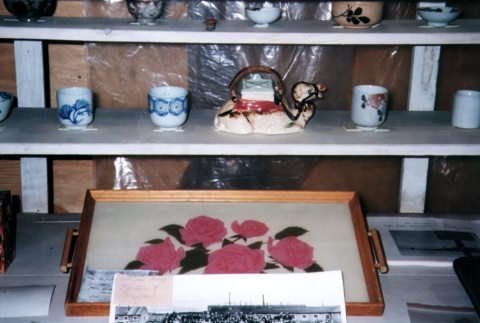
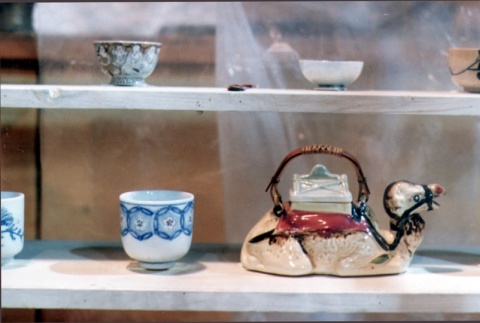
The Tule Lake Museum, located on the local fairgrounds, houses a display of artifacts from the Tule Lake concentration camp. Shown here are a variety of tea and sake cups, a teapot, and a bunka (Japanese embroidery) picture. The photo below is a panoramic view of the camp.
img
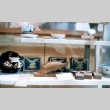
Artifacts (ddr-densho-35-41)
The Tule Lake Museum, located on the local fairgrounds, houses a display of artifacts that belonged to Japanese Americans from the Tule Lake concentration camp.
img
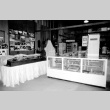
Artifacts (ddr-densho-35-21)
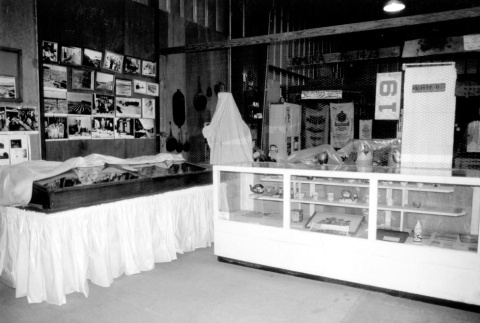
The Tule Lake Museum is located on the Tule Lake Fairgrounds and houses a display of artifacts from the Tule Lake concentration camp. This is a view of the Tule Lake concentration camp exhibit. The cases primarily contain pottery and artwork that belonged to the camp inmates.
img
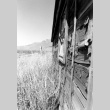
Barracks and Castle Rock (ddr-densho-35-44)
A rock formation that the camp inmates called "Castle Rock" can be seen in the background. After obtaining permission to go through the gates, Japanese Americans could climb to the top of the formation.
img
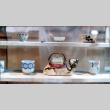
Artifacts, Tule Lake concentration camp (ddr-densho-35-39)
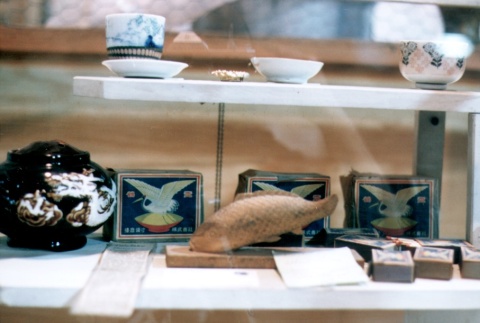
The Tule Lake Museum displays artifacts from the Tule Lake concentration camp. The teapot, tea cups, and sake cups belonged to the camp inmates.
img
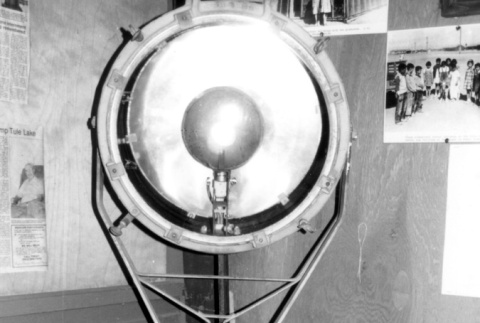
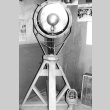
Guard tower searchlight (ddr-densho-35-26)
The Tule Lake Museum, located on the town's fairgrounds, displays artifacts from the Tule Lake concentration camp. Shown here is a searchlight from a guard tower.
doc
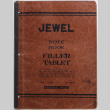
Takeharu Inouye Diary (ddr-densho-365-2)
In the second diary he kept in the camp at Tule Lake, Takeharu Inouye recounts his struggles with education and the boredom resulting from few recreational opportunities. Though he participated in several baseball games with his classmates, Takeharu spent the majority of his free time attending the movie showings that occurred daily or weekly throughout the …

doc
W.R.A. Tule Lake Project nametag (ddr-densho-365-18)
Takeharu Inouye's nametag and number badge for work as a farm laborer at the Tule Lake concentration camp. Inouye worked in farm operations, primarily on a mechanical harvester, until the injuries and deaths of several laborers led to the strikes at Tule Lake, and the termination of their employment.
doc
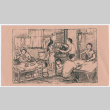
Through the Windows at Tule Lake (ddr-densho-365-7)
Through the Windows at Tule Lake was an event consisting of performances and readings during the 1994 Tule Lake Pilgrimage. Performers included Barbara Muramoto, the Shizen Youth Dance Theatre, Bill Marutani, Aya Ogawa, and David Hirota. The event focused on experiences at Tule Lake across generations, including for young people interned in the camp. The program …
doc
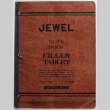
Takeharu Inouye Diary (ddr-densho-365-1)
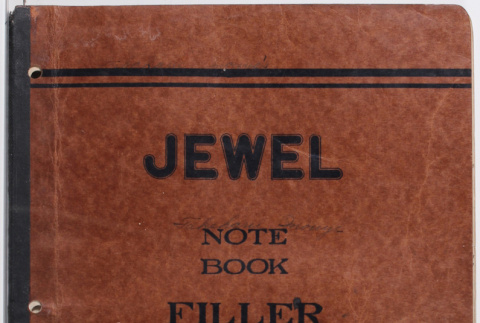
Takeharu Inouye's first diary documents his family's forced move to the Sacramento Assembly Center, followed by their move to the Tule Lake concentration camp. Since his mother, Miyoe Inouye, was a teacher, thirteen-year-old Takeharu's diary focuses on his classes in the Japanese and American schools at Tule Lake. His struggles with his schoolwork, as well as …

doc
Takeharu Inouye Diary (ddr-densho-365-3)
In the final diary that Takeharu Inouye kept during his internment at Tule Lake, he includes descriptions of the movies he went to see daily, which served as his primary form of recreation. Takeharu also describes his feelings over succeeding and failing in his high school classes, since his friends would cheat off of his work, …


