The establishment of the Greater Pasadena Area Chapter of the Japanese American Citizens League
This material is based upon work assisted by a grant from the Department of the Interior, National Park Service. Any opinions, finding, and conclusions or recommendations expressed in this material are those of the author(s) and do not necessarily reflect the views …
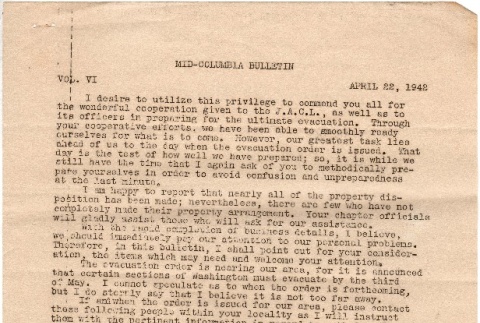
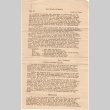
Mid-Columbia Bulletin newsletter. Vol. VI, April 22, 1942. Written by the J.A.C.L. (Japanese American Citizens League). Covers preparations for the incarceration of the Japanese American community, including packing, property sales, personal documents (e.g. wills, letters of recommendations, etc.), financial concerns, and other information regarding the evacuation order. Includes a description about what life at the Assembly …
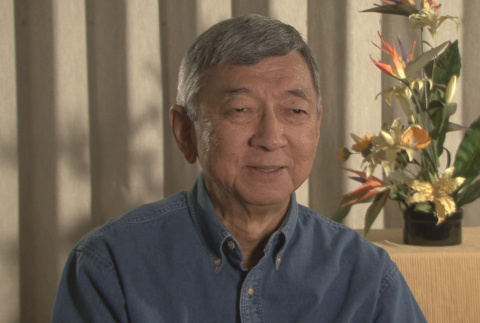
Being asked to serve on the national board of the Japanese American Citizens League
This material is based upon work assisted by a grant from the Department of the Interior, National Park Service. Any opinions, finding, and conclusions or recommendations expressed in this material are those of the author(s) and do not necessarily reflect the views …
Attending a meeting of the Japanese American Citizens League: "we took the policy of cooperation"
This material is based upon work assisted by a grant from the Department of the Interior, National Park Service. Any opinions, finding, and conclusions or recommendations expressed in this material are those of the author(s) and do not necessarily reflect the …
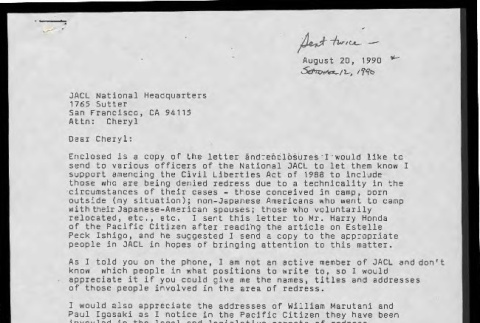
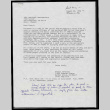
Correspondence from Sharon Tanihara to Cheryl at the Japanese American Citizens League National Headquarters regarding Tanihara's argument about her eligibility for redress payments, a request for names and addresses of JACL officers, and a rough draft of a letter to JACL officers about amendments to the Civil Liberties Act of 1988. See this object in the …
Feeling "betrayed" by the Japanese American Citizens League
This interview was conducted by filmmaker Frank Abe for his 2000 documentary, Conscience and the Constitution, about the World War II resisters of conscience at the Heart Mountain incarceration camp. As a result, the interviews in this collection are typically not life histories, instead primarily focusing on …
Opinion of the Japanese American Citizens League and Mike Masaoka
This interview was conducted by filmmaker Frank Abe for his 2000 documentary, Conscience and the Constitution, about the World War II resisters of conscience at the Heart Mountain incarceration camp. As a result, the interviews in this collection are typically not life histories, instead primarily …
Thoughts on Mike Masaoka and the Japanese American Citizens League
This interview was conducted by filmmaker Frank Abe for his 2000 documentary, Conscience and the Constitution, about the World War II resisters of conscience at the Heart Mountain incarceration camp. As a result, the interviews in this collection are typically not life histories, instead primarily …
Accusations of disloyalty by the Japanese American Citizens League
This interview was conducted by filmmaker Frank Abe for his 2000 documentary, Conscience and the Constitution, about the World War II resisters of conscience at the Heart Mountain incarceration camp. As a result, the interviews in this collection are typically not life histories, instead primarily focusing …
History and role of the Japanese American Citizens League
This interview was conducted by filmmaker Frank Abe for his 2000 documentary, Conscience and the Constitution, about the World War II resisters of conscience at the Heart Mountain incarceration camp. As a result, the interviews in this collection are typically not life histories, instead primarily focusing …
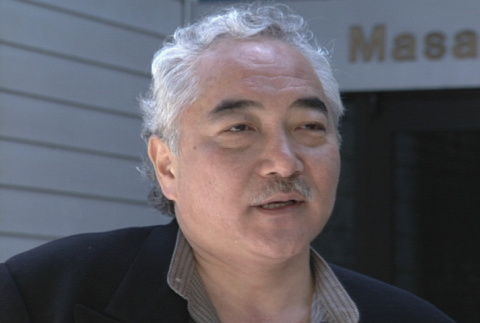
Sansei male. Was National Director for the Japanese American Citizens League in 1994 and 1995.
(This interview was conducted by filmmaker Frank Abe for his 2000 documentary, Conscience and the Constitution, about the World War II resisters of conscience at the Heart Mountain incarceration camp. As a result, the interviews in this collection are typically …
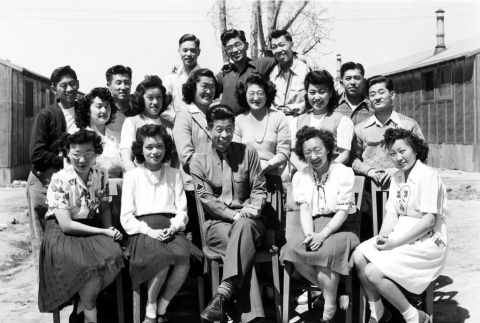
The Kinoshita collection (1940s, 1970s, and 1980s-1990s) contains photographs from the Minidoka concentration camp, Idaho. Several photographs show the staff of the Minidoka Irrigator, the camp's newspaper. The collection also documents the redress movement from its inception, and includes photographs from various Japanese American Citizens League conventions. Densho interviewed collection donor Cherry Kinoshita in 1997.
Japanese American community response to the Japanese American Citizens League (audio only)
This interview is audio-only. It contains raw footage used by Steven Okazaki in his 1985 film Unfinished Business.
This material is based upon work assisted by a grant from the Department of the Interior, National Park Service. Any opinions, finding, and conclusions or …
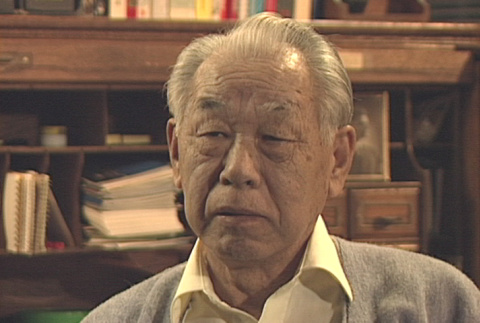
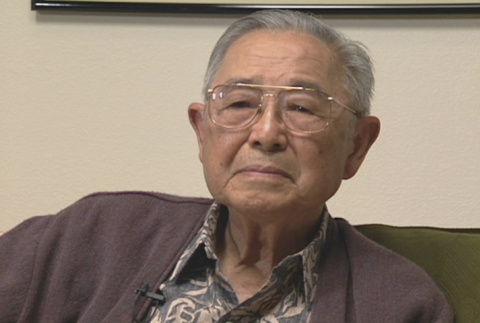
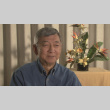
Sansei male. Born November 13, 1944, in Reno, Nevada, where parents had resettled after leaving the concentration camps in Topaz, Utah, and Rohwer, Arkansas, during World War II. Grew up in East Los Angeles. Involved in a number of community social service organizations in Los Angeles, such as Oriental Concern and the Asian American Drug Abuse …
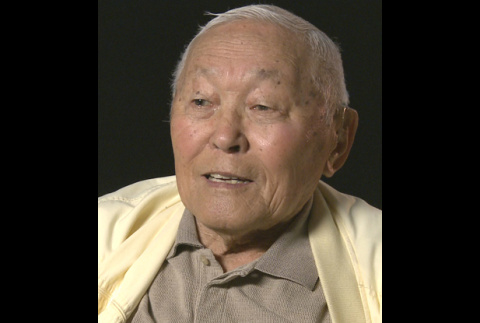
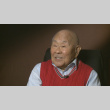
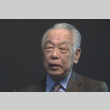
Nisei male. Born March 31, 1923, in Kent, Washington. During World War II, was incarcerated at the Pinedale Assembly Center, California, and Tule Lake concentration camp, California. After leaving camp to attend college in South Dakota, was drafted into the U.S. Army and served with the Military Intelligence Service during the postwar occupation of Japan. After …
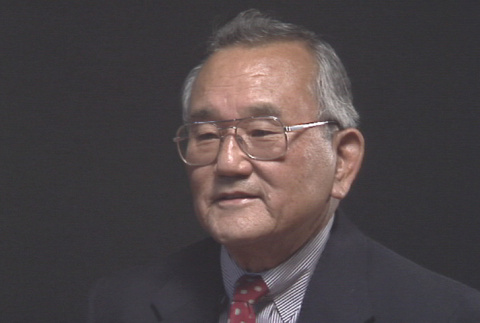
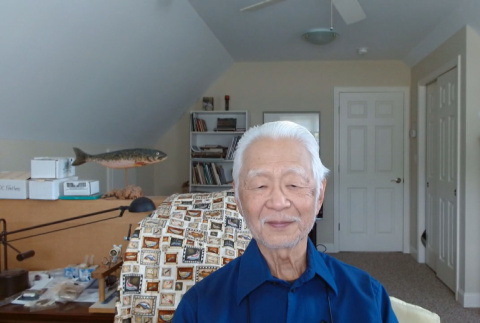
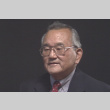
Nisei male. Born February 10, 1931, in Westport, Oregon. Grew up in Portland, Oregon. During World War II, removed to the Minidoka concentration camp, Idaho. After leaving camp, returned to Oregon for high school and college and went to medical school, eventually becoming a successful opthalmologist. Served in leadership positions with the Japanese American Citizens League …
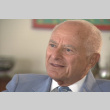
Nisei male. Born April 2, 1918, in San Francisco, California. Grew up in San Jose, California, where father ran a farm. Was an active member of the Japanese American Citizens League and helped to run the San Jose office after Japan bombed Pearl Harbor in 1941. During World War II, removed to the Santa Anita Assembly …
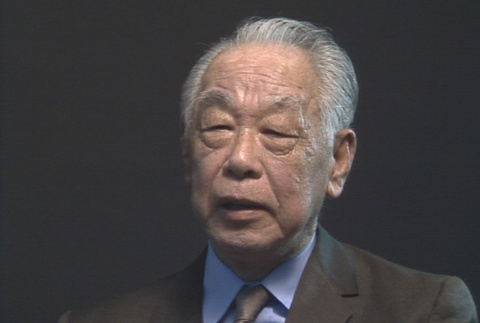
Kibei male. Born August 1, 1915, in Portland, Oregon. Sent with siblings to be educated in Japan when ten years old. Returned to the United States in 1935. During World War II, was incarcerated at the Portland Assembly Center, Oregon, and Minidoka concentration camp, Idaho. Active in Seattle's postwar Japanese American community as a member and …
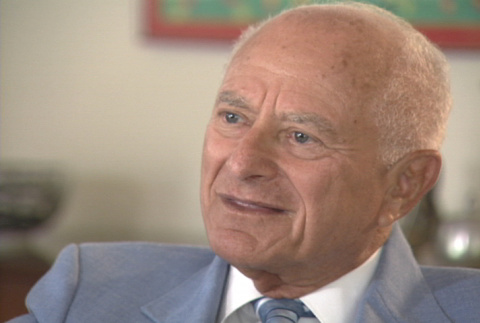
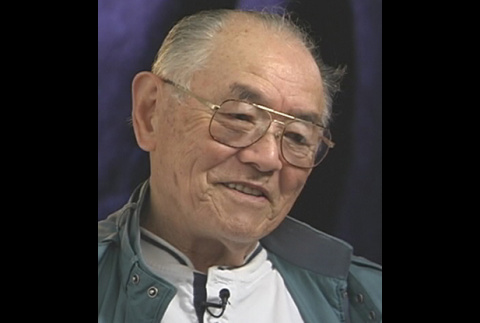
Oral history with Nisei farmer/businessman from pioneering Orange County, California family gives prewar biographical information with emphasis on Japanese Americans in Orange County. Discusses World War II forced removal, experiences in the 442nd Regimental Combat Team, and the role of the Japanese American Citizens League before and after World War II. This oral history was conducted …
Sansei male. Born March 28, 1936, in Seattle, Washington. Grew up in Eatonville, Washington, where father worked for a lumber company. During World War II, removed with family to the Puyallup Assembly Center, Washington, and the Minidoka concentration camp, Idaho. Father served in the U.S. Army during the war. After leaving camp, lived in public housing …
Sansei male. Born March 28, 1936, in Seattle, Washington. Grew up in Eatonville, Washington, where father worked for a lumber company. During World War II, removed with family to the Puyallup Assembly Center, Washington, and the Minidoka concentration camp, Idaho. Father served in the U.S. Army during the war. After leaving camp, lived in public housing …
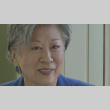
Namiye Fukuzawa was born on June 30, 1925, in Los Angeles, California. Namiye's father was a vegetable hauler and her mother was a housewife living in Gardena, California. During World War II, Namiye and her family relocated to Logan, Utah. After the war they moved back to Gardena, California. This interview is part of the South …
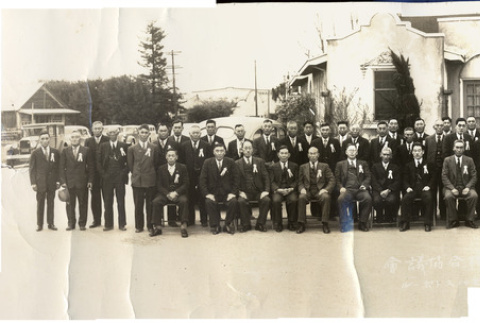
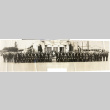
Panoramic photo of attendants of the 22nd Federation of Kumamoto Kaigai Kyokai Conference. It is taken in front of Sebastopol Chamber of Commerce building. The original image is housed with the Sonoma County Japanese American Citizens League (JACL), and was borrowed for digitization courtesy of the JACL. This image belongs to a group of images related …
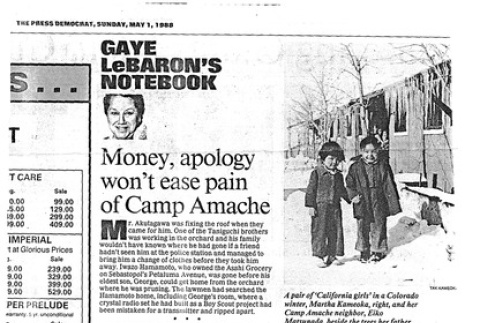
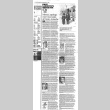
Gaye Lebaron's article titled: Money, apology won't ease pain of Camp Amache. Published in "The press Democrat" on Sunday May 1, 1988. The original image is housed with the Sonoma County Japanese American Citizens League (JACL), and was borrowed for digitization courtesy of the JACL. This image belongs to a group of images related to the …
Large group in front of Enmanji Buddhist Temple doors in Sebastopol, California. It is taken to commemorate the Jodo Shinshu Otani family's visit. The original image is housed with the Sonoma County Japanese American Citizens League (JACL), and was borrowed for digitization courtesy of the JACL. This image belongs to a group of images related to …

![Otani family's visit, [Enmanji Buddhist Temple] (ddr-csujad-56-318)](https://ddr.densho.org/media/cache/34/20/34206c0c4b573c44b2d899a5538356f1.jpg)
![Otani family's visit, [Enmanji Buddhist Temple] (ddr-csujad-56-318)](https://ddr.densho.org/media/cache/ff/bc/ffbc8bee4f3ced3988a834799eca5655.jpg)