
988 items
![Haruhara Saiho Gakko doso kyuyu shusai Kason Biyoin Incho Yanagimura Masaji-joshi kangeikai kinen [= Commemorative photograph of a welcoming party for Ms. Masaji Yanagimura, Carson Beauty Salon Manager, hosted by Haruhara Sewing School Alumni] (ddr-csujad-25-335)](https://ddr.densho.org/media/cache/f1/ef/f1efd21659837e64863b88803267ea93.jpg)
988 items
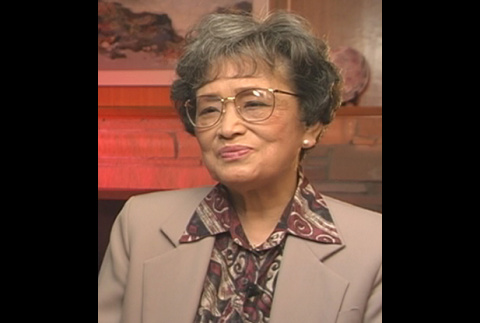
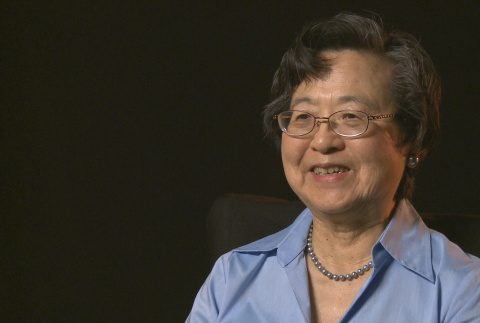
Narrator Cherry Kinoshita
Nisei female. Born October 13, 1923, in Seattle, Washington, and grew up in the Green Lake area. Incarcerated at the Puyallup Assembly Center, Washington, and Minidoka concentration camp, Idaho. Active in National and Seattle Chapter Japanese American Citizens League politics, especially during the drive for redress in the 1970s and 1980s.
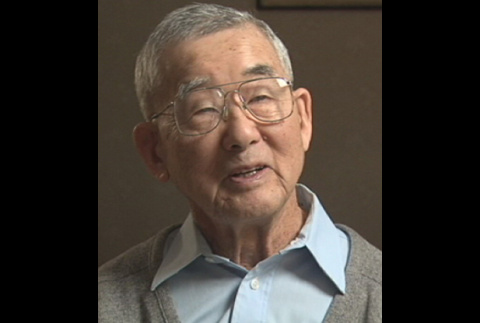
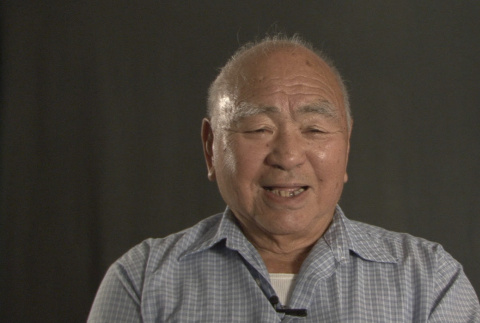
Narrator Nob Koura
Nisei male. Born April 10, 1920, in Seattle, Washington. Moved from Seattle to Bainbridge Island, Washington, at age five. During World War II, removed to the Manzanar concentration camp, California. Volunteered for the military and served in Europe. After the war, eventually returned to Bainbridge Island and reestablished family's farm.
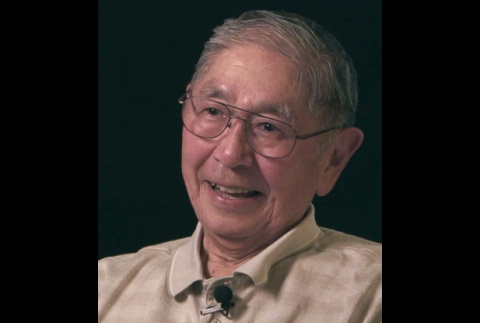
Narrator Katsumi Okamoto
Nisei male. Born July 5, 1926, in Seattle, Washington. Grew up in Seattle, where parents owned and operated a grocery store. Following the bombing of Pearl Harbor, removed to Puyallup Assembly Center, Washington, and Minidoka concentration camp, Idaho. Served in Japan with the Military Intelligence Service following World War II.
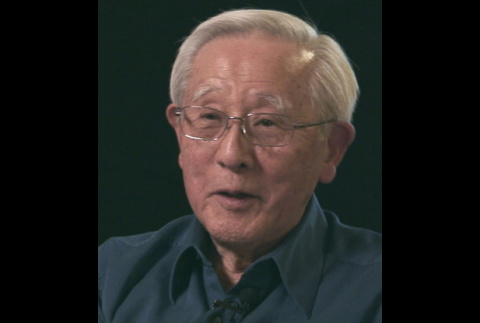
Narrator Shig Kaseguma
Nisei male. Born June 4, 1921, in Seattle, Washington. Following the bombing of Pearl Harbor, removed to the Puyallup Assembly Center, Washington, and the Minidoka concentration camp, Idaho. Left camp to attend college in Cincinnati before being drafted. Served in Japan with the Military Intelligence Service, and eventually returned to Seattle.
Collection
Uyeda Groves Collection (ddr-densho-113)
The Uyeda Groves collection, 1900s-1950s, features photographs of the Uyeda family, who resided in Hiroshima, Japan, Rock Springs, Wyoming and Seattle, Washington. The collection also includes photographs of Minidoka concentration camp and Seattle's postwar Issei community. The collection donor, Fumiko Uyeda Groves, was interviewed by Densho in 1998.
Narrator Misa (Oiye) Mihara
Sansei female. Born November 20, 1941, in Tacoma, Washington, where parents ran a restaurant. Spent early years at the Tule Lake concentration camp, California, where family was held. After leaving camp, moved to Seattle, Washington. Became an accomplished violinist, performing at an early age. Studied music at the University of Washington, then went on to become …
Narrator Shosuke Sasaki
Issei male. Born March 26, 1912, in Yamaguchi-ken, Japan. Immigrated to United States in 1919. Lived in Pomeroy, Washington, and Seattle, Washington, before World War II. Incarcerated at the Puyallup Assembly Center, Washington and the Minidoka concentration camp, Idaho. Resettled in New York. As a member of the Newspaper Guild, led effort to eliminate pejorative use …
img
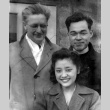
Peace activist and internees (ddr-densho-13-45)
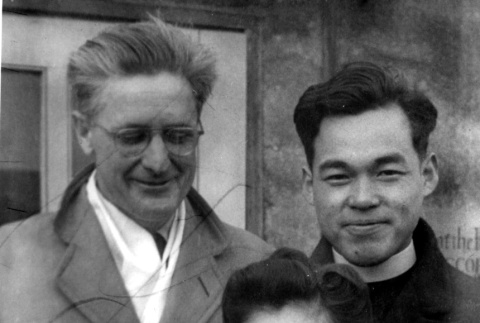
Floyd Schmoe, a pacifist and supporter of the Japanese American community, with Yoshi Asaba and Father Joe Kitagawa at the Minidoka concentration camp, Idaho. Father Kitagawa was the Episcopal minister at Minidoka. Floyd Schmoe was born in 1895 and is a peace activist and Quaker from Seattle, Washington. Schmoe was a strong supporter of the Japanese …
vh
Marion Tsutakawa Kanemoto Interview (ddr-densho-1000-148)
Nisei female. Born December 30, 1927, in Seattle, Washington. Lived in Japan for fifteen months as a child, before returning to Seattle to attend junior high school. After the bombing of Pearl Harbor, father was picked up by the FBI and taken to the Department of Justice camp at Missoula, Montana. Removed to the Puyallup Assembly …
Collection
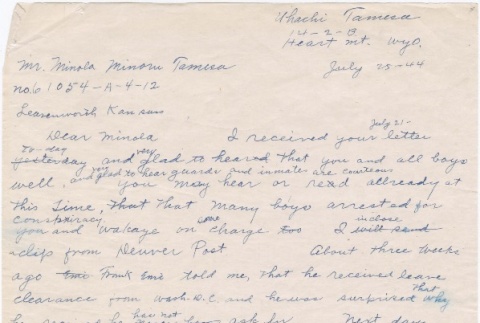
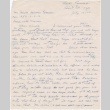
Min & Uhachi Tamesa Collection (ddr-densho-333)
The Min & Uhachi Tamesa Collection consists of correspondence, photographs, documents, and ephemera related to the lives of Uhachi Tamesa and his son Min Tamesa. Much of the collection documents Min's life as a draft resister, his imprisonment at Leavenworth Penitentiary, and Uhachi's support of his son during that period. Also, found in the collection are …
vh
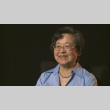
Margaret Junko Morita Hiratsuka Interview (ddr-densho-1000-342)
Nisei female. Born July 22, 1928, in Seattle, Washington. Father ran a prominent hotel which was frequently patronized by visiting Japanese dignitaries. Father was picked up by the FBI on December 7, 1941. During the war, removed with family to the Puyallup Assembly Center, Washington, and the Minidoka concentration camp, Idaho. After leaving camp, moved to …
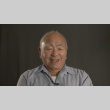
vh
Roy Nakagawa Interview (ddr-densho-1000-358)
Nisei male. Born December 28, 1916, in Missoula, Montana. Spent early part of childhood in Montana, where parents ran a farm. Moved with family to Seattle, Washington, finished school, and attended the University of Washington. Moved to the Los Angeles area for work. During World War II, removed to the Poston concentration camp, Arizona. After leaving …
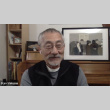
Collection
Seattle JACL Oral History Collection (ddr-sjacl-2)
In September 2021, the Seattle Chapter of Japanese American Citizens League (JACL) celebrated its 100th Anniversary. This collection of interviews is a part of Seattle JACL's project to document and pass on its history and legacy. Underwritten by grants from the National JACL Legacy Fund and the Robert Chinn Foundation, teams of Seattle JACL members and …
Narrator Mits Takahashi
Nisei male. Born October 22, 1924, in Seattle, Washington. Grew up in Seattle, where father was a prominent member of the Japanese Gardeners Association. During World War II, removed to the Puyallup Assembly Center, Washington, and the Minidoka concentration camp, Idaho. Drafted into the army, and served in Italy with the 442nd Regimental Combat Team. Received …
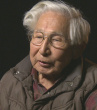
Narrator Warren Koichi Suzuki
Nisei male. Born February 27, 1921, in Seattle, Washington. At age ten, was sent to Japan to live and attend school. Returned to Seattle prior to World War II. During the war, was removed to the Puyallup Assembly Center, Washington, and the Minidoka concentration camp, Idaho. Answered "no-no" on the so-called "loyalty questionnaire" and was transferred …
doc
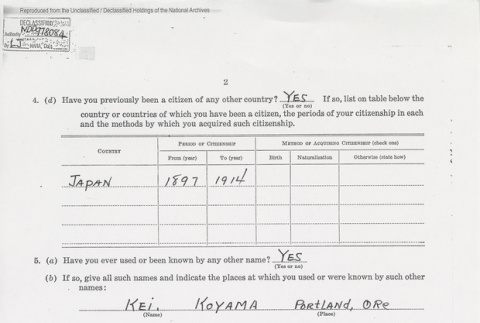
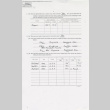
U.S. Department of Justice Alien Enemy Questionnaire page 2 of 26. (ddr-one-5-121)
Photocopy of a declassified questionnaire used to determine if the person named is to be considered an enemy alien. This page covers questions 4 - 6a of 111. Dr. Koyama lists his names as "Kei, Koyama," Ken Koyäma," "Ken Keizaburo Koyama," and "Dr. Kei Koyama." He lists his time in the United States as living in …
doc
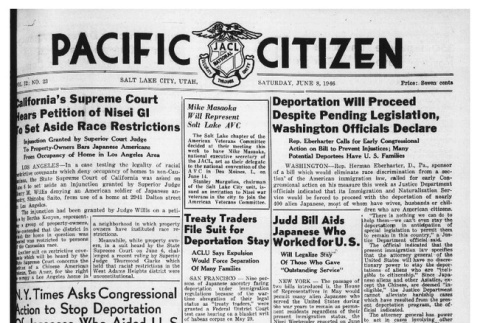
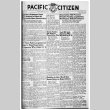
The Pacific Citizen, Vol. 22 No. 23 (June 8, 1946) (ddr-pc-18-23)
Selected article titles: "California Supreme Court Hears Petition of Nisei GI To Set Aside Race Restrictions" (p. 1), "Deportation Will Proceed Despite Pending Legislation, Washington Officials Declare" (p. 1), "WRA Director Defends Agency Against Charge Evacuees 'Dumped' Into Winona Camp. Answers Inefficiency Statement Made by L.A. County Officials" (p. 2), "Evacuee Property in Seattle Will Be …
img
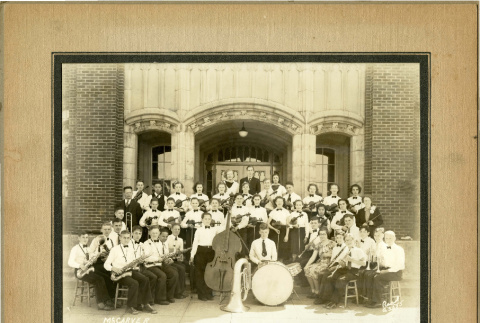
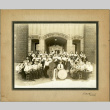
McCarver R (ddr-csujad-25-348)
A group photograph of music performers of Morton Matthew McCarver Middle School in Tacoma, Seattle. The photograph is taken by A. B. Read Photo Studio in Tacoma, Washington in front of the school building in June 1937. Inscription reads: Read a3555. See this object in the California State Universities Japanese American Digitization project site: jia_12_010
![Haruhara Saiho Gakko doso kyuyu shusai Kason Biyoin Incho Yanagimura Masaji-joshi kangeikai kinen [= Commemorative photograph of a welcoming party for Ms. Masaji Yanagimura, Carson Beauty Salon Manager, hosted by Haruhara Sewing School Alumni] (ddr-csujad-25-335)](https://ddr.densho.org/media/cache/9c/60/9c607bbce6c548a86b03c26476e9a80b.jpg)
img
Haruhara Saiho Gakko doso kyuyu shusai Kason Biyoin Incho Yanagimura Masaji-joshi kangeikai kinen [= Commemorative photograph of a welcoming party for Ms. Masaji Yanagimura, Carson Beauty Salon Manager, hosted by Haruhara Sewing School Alumni] (ddr-csujad-25-335)
A group photograph of the attendees of the welcoming party for Ms. Yanagimura Masaji, Carson Beauty Salon manager, held by Haruhara Sewing School alumni on October 21, 1934. The photograph is taken by "Takano Studio," a photo studio in Seattle, Washington. See this object in the California State Universities Japanese American Digitization project site: jia_11_01_005
img
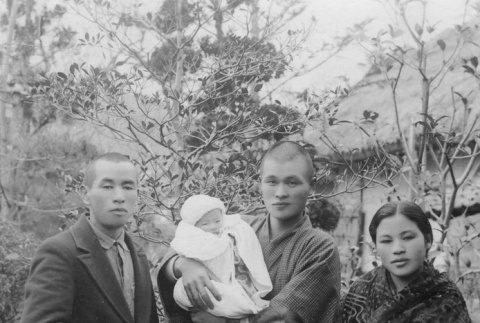
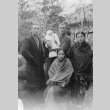
Family photograph (ddr-densho-154-1)
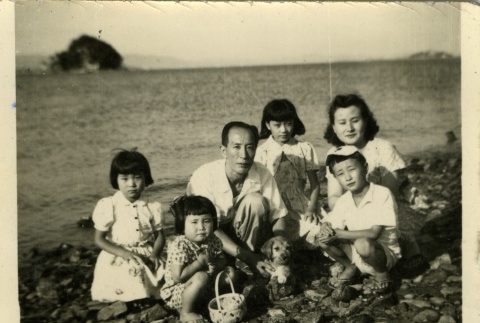
Photo donor's aunt, Masako Nakagawa, pictured with husband Masato, holding their infant daughter Seiko. Also in the photograph are Masako's uncle and aunt, the Yamasakis. Masako was born in Seattle, Washington, but was sent back to Japan at a young age and never returned to the U.S. She died of disease in Hiroshima during World War …
doc
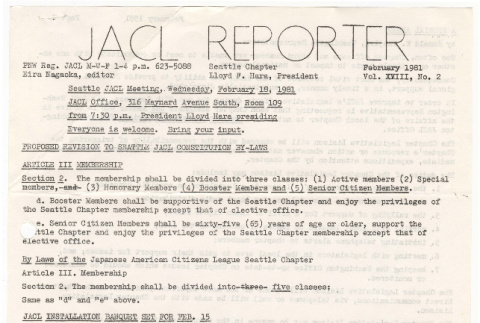
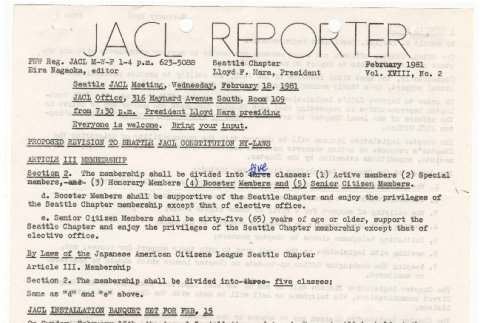
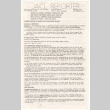
Seattle Chapter, JACL Reporter, Vol. XVIII, No. 2, February 1981 (ddr-sjacl-1-293)
Newsletter covering the following topics: Installation Banquet, February 15, Butcher Restaurant, NW Design Center, $15.00, Keynote- Cong Mike Lowry, Lori Matsukawa MC; fundraiser for Min Masuda Memorial Fund (Died June 1980); summary of article in Seattle Sun on Gordon Hirabayashi; Review of first full length feature film JAs produced by JAs, Hito Hata; Lake Washington JACL …
doc
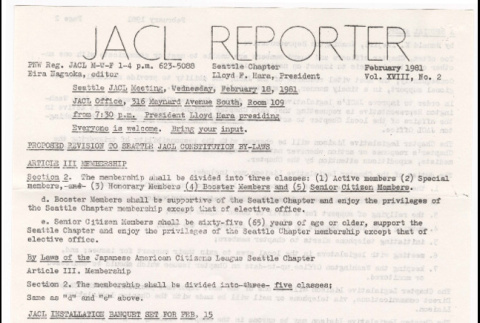
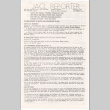
Seattle Chapter, JACL Reporter, Vol. XVIII, No. 2, February 1981 (ddr-sjacl-1-221)
Newsletter covering the following topics: Installation Banquet, February 15, Butcher Restaurant, NW Design Center, $15.00, Keynote- Cong Mike Lowry, Lori Matsukawa MC; fundraiser for Min Masuda Memorial Fund (Died June 1980); summary of article in Seattle Sun on Gordon Hirabayashi; Review of first full length feature film JAs produced by JAs, Hito Hata; Lake Washington JACL …
doc
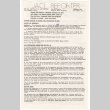
Seattle Chapter, JACL Reporter, Vol. XVIII, No. 2, February 1981 (ddr-sjacl-1-292)
Newsletter covering the following topics: Installation Banquet, February 15, Butcher Restaurant, NW Design Center, $15.00, Keynote- Cong Mike Lowry, Lori Matsukawa MC; fundraiser for Min Masuda Memorial Fund (Died June 1980); summary of article in Seattle Sun on Gordon Hirabayashi; Review of first full length feature film JAs produced by JAs, Hito Hata; Lake Washington JACL …
doc
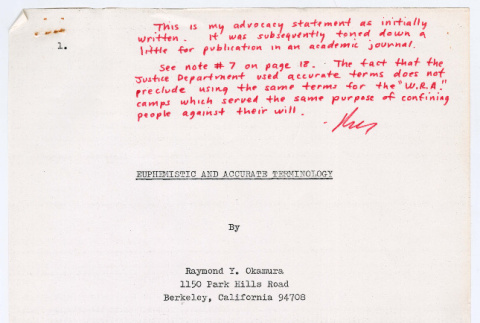
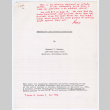
Euphemistic and Accurate Terminology (ddr-densho-1007-1814)
Raymond Y. Okamura's testimony to the Commission on Wartime Relocation and Internment of Civilians in Seattle Washington on September 11, 1981 describing policies and terminology used by the U.S. government to enforce wartime incarceration of Japanese Americans. He compares the American government's misleading terminology to that of Nazi propaganda. It was later published by the Journal …
Collection
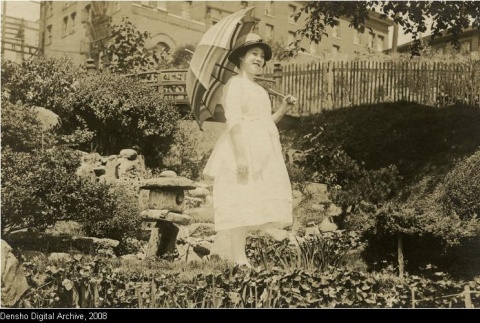
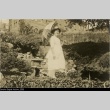
Mayeno Family Collection (ddr-densho-166)
This collection consists of photographs and documents from the Mayeno family, relatives of the owners of the Maneki Restaurant in Seattle, Washington. The collection contains photographs of the restaurant's Japanese garden prior to World War II, as well as materials from the internment camps in Santa Fe and Lordsburg, New Mexico.