
1008 items



1008 items
img
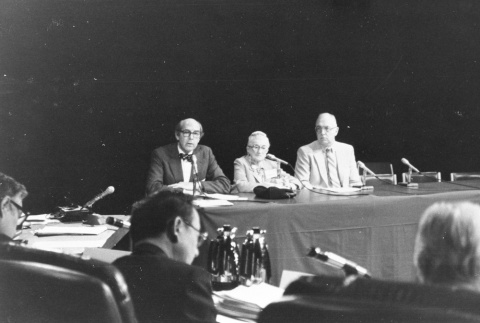
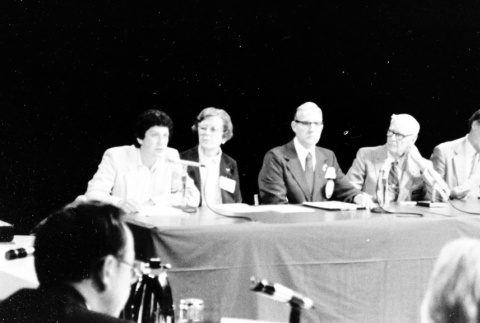
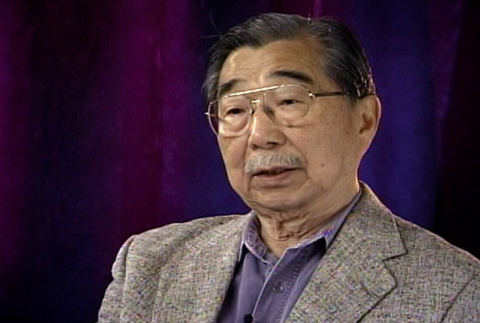
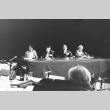
Redress hearings (ddr-densho-37-373)
The Commission on Wartime Relocation and Internment of Civilians (CWRIC) was created by an act of Congress on July 30, 1980. The committee was formed mainly to investigate matters surrounding the World War II incarceration of Japanese Americans and to recommend remedies. The CWRIC had no power to correct grievances. The hearings were conducted in twenty …
img
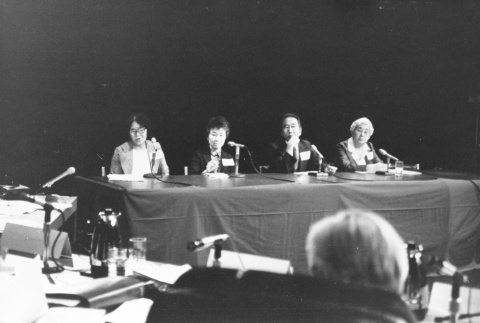
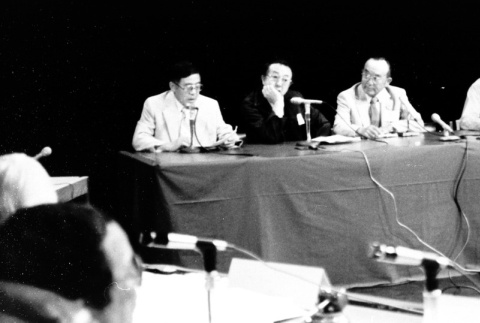
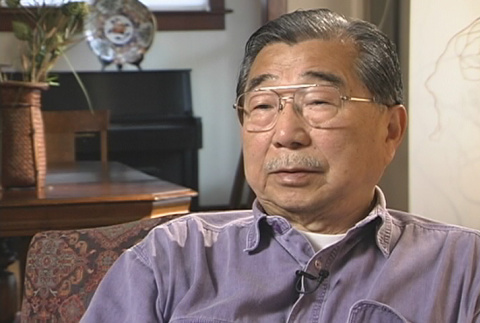
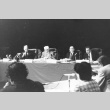
Redress hearings (ddr-densho-37-371)
The Commission on Wartime Relocation and Internment of Civilians (CWRIC) was created by an act of Congress on July 30, 1980. The committee was formed mainly to investigate matters surrounding the World War II incarceration of Japanese Americans and to recommend remedies. The CWRIC had no power to correct grievances. The hearings were conducted in twenty …
img
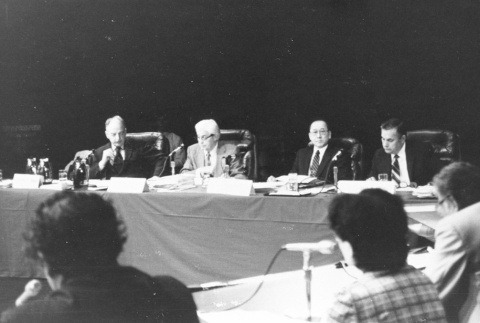
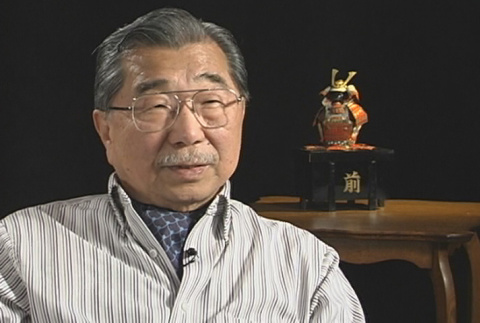
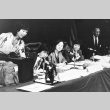
Redress hearings (ddr-densho-37-372)
The Commission on Wartime Relocation and Internment of Civilians (CWRIC) was created by an act of Congress on July 30, 1980. The committee was formed mainly to investigate matters surrounding the World War II incarceration of Japanese Americans and to recommend remedies. The CWRIC had no power to correct grievances. The hearings were conducted in twenty …
img
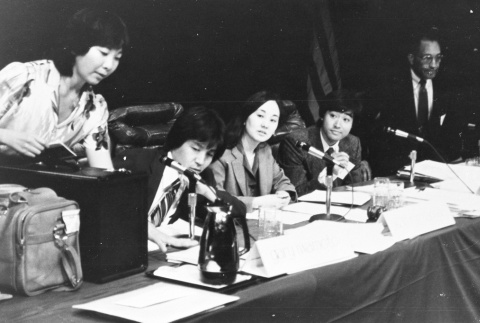
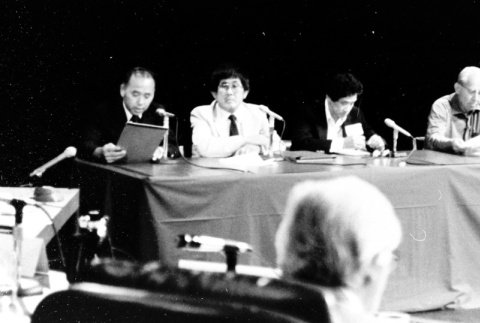
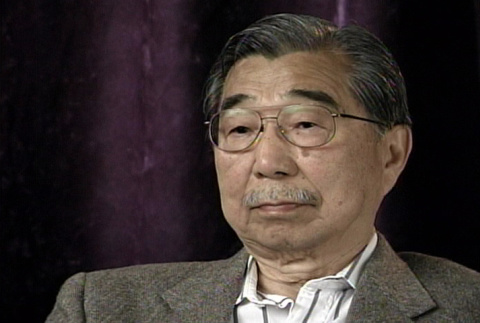
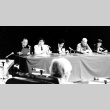
Redress hearings (ddr-densho-37-370)
The Commission on Wartime Relocation and Internment of Civilians (CWRIC) was created by an act of Congress on July 30, 1980. The committee was formed mainly to investigate matters surrounding the World War II incarceration of Japanese Americans and to recommend remedies. The CWRIC had no power to correct grievances. The hearings were conducted in twenty …
img
Redress hearings (ddr-densho-37-334)
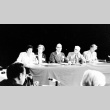
The Commission on Wartime Relocation and Internment of Civilians (CWRIC) was created by an act of Congress on July 30, 1980. The committee was formed mainly to investigate matters surrounding the World War II internment of Japanese Americans and to recommend remedies. The CWRIC had no power to correct grievances. The hearings were conducted in twenty …
img
Redress hearings (ddr-densho-37-335)
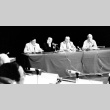
The Commission on Wartime Relocation and Internment of Civilians (CWRIC) was created by an act of Congress on July 30, 1980. The committee was formed mainly to investigate matters surrounding the World War II internment of Japanese Americans and to recommend remedies. The CWRIC had no power to correct grievances. The hearings were conducted in twenty …
img
Redress hearings (ddr-densho-37-333)
The Commission on Wartime Relocation and Internment of Civilians (CWRIC) was created by an act of Congress on July 30, 1980. The committee was formed mainly to investigate matters surrounding the World War II internment of Japanese Americans and to recommend remedies. The CWRIC had no power to correct grievances. The hearings were conducted in twenty …
doc
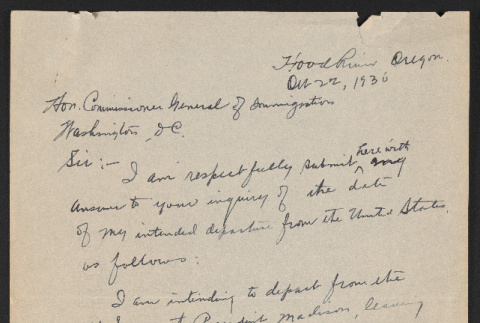
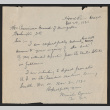
Letter from Moichi Ogura to Commissioner General of Immigration, 22 October 1930 (ddr-ohs-2-80)
A handwritten letter from Moichi Ogura to the Commissioner General of Immigration, dated October 22, 1930, written on Ogura's behalf by Masuo Yasui. Ogura submits his response to an inquiry regarding the date of his intended departure from the United States. Ogura states his intention to leave the country on the vessel President Madison, departing from …
doc
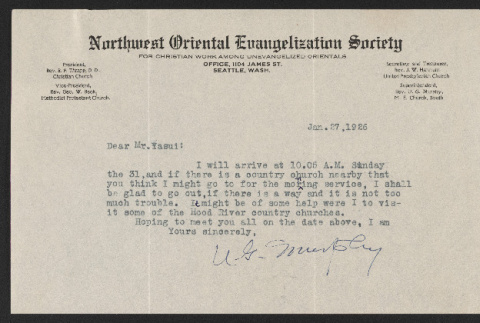
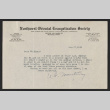
Letter from Reverend U.G. Murphy to Masuo Yasui, 17 January 1926 (ddr-ohs-2-70)
A typed letter from Reverend Ulysses Grant Murphy to Masuo Yasui, dated January 27, 1926. Murphy writes on letterhead from the Northwest Oriental Evangelization Society in Seattle, Washington, informing Yasui of his planned arrival at 10:05 a.m. on Sunday, January 31. He proposes attending morning service at a nearby country church, suggesting that his visit to …
Collection
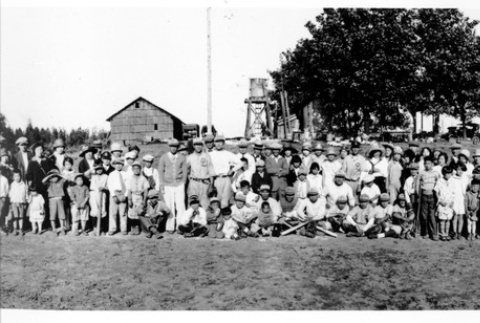
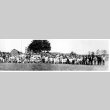
Kanno Collection (ddr-densho-133)
The Kanno collection features three photographs of a Japanese American community gathering in the Green Lake neighborhood of Seattle, Washington. These photographs were also used in the book, The Green Lake Japanese American Community, 1900-1942.
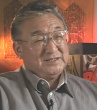
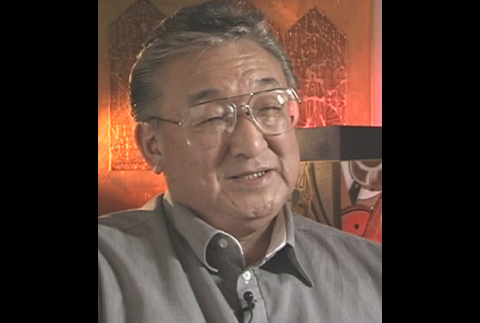
Narrator Frank S. Fujii
Nisei male. Born January 14, 1930, in Seattle, Washington. Grew up in the Jackson Street neighborhood of Seattle, Washington. Incarcerated at Puyallup Assembly Center, Washington, and Tule Lake concentration camp, California. Resettled in Seattle. Former teacher and varsity basketball coach at Seattle's Franklin High School and administrator at Seattle Central Community College.
vh
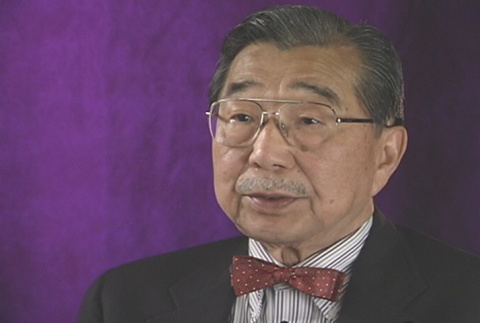
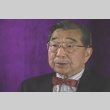
Gordon Hirabayashi Interview III (ddr-densho-1000-19)
Nisei male. Born April 23, 1918, in Seattle, Washington. Spent most of his childhood in Thomas, Washington, where his parents were part of a Christian farming co-op. Attended the University of Washington where he was active in the Young Men's Christian Association (YMCA), the conscientious objector movement, and became a Quaker. At the outbreak of World …
vh
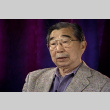
Gordon Hirabayashi Interview IV (ddr-densho-1000-20)
Nisei male. Born April 23, 1918, in Seattle, Washington. Spent most of his childhood in Thomas, Washington, where his parents were part of a Christian farming co-op. Attended the University of Washington where he was active in the Young Men's Christian Association (YMCA), the conscientious objector movement, and became a Quaker. At the outbreak of World …
vh
Gordon Hirabayashi Interview I (ddr-densho-1000-17)
Nisei male. Born April 23, 1918, in Seattle, Washington. Spent most of his childhood in Thomas, Washington, where his parents were part of a Christian farming co-op. Attended the University of Washington where he was active in the Young Men's Christian Association (YMCA), the conscientious objector movement, and became a Quaker. At the outbreak of World …
vh
Gordon Hirabayashi Interview II (ddr-densho-1000-18)
Nisei male. Born April 23, 1918, in Seattle, Washington. Spent most of his childhood in Thomas, Washington, where his parents were part of a Christian farming co-op. Attended the University of Washington where he was active in the Young Men's Christian Association (YMCA), the conscientious objector movement, and became a Quaker. At the outbreak of World …
vh
Gordon Hirabayashi Interview V (ddr-densho-1000-115)
Nisei male. Born April 23, 1918, in Seattle, Washington. Spent most of his childhood in Thomas, Washington, where his parents were part of a Christian farming co-op. Attended the University of Washington where he was active in the Young Men's Christian Association (YMCA), the conscientious objector movement, and became a Quaker. At the outbreak of World …
vh
Robert T. Ohashi Interview Segment 8 (ddr-densho-1000-350-8)
Meeting Japanese Americans from Seattle in the canneries
Nisei male. Born July 24, 1925, in Ketchikan, Alaska. Grew up in Ketchikan, where parents ran a store. During World War II, was removed to the Puyallup Assembly Center, Washington, and the Minidoka incarceration camp, Idaho. After leaving camp, went with family to work for a time in …

doc
Seattle Chapter, JACL Reporter, Vol. XVI, No. 4, April 1979 (ddr-sjacl-1-278)
Newsletter covering the following topics: Japanese Doctor to examine hibakusha victims in Seattle, Ken Nakano chair; Akemi Matsumoto announces 4 scholarship, 3-$450 and 1-$300; Ron Mamiya out as National Redress Committee Member?Interesting article on rift between National JACL and Seattle over carrying out the mandate from JACL National Council votes. Some big names like Bill Marutani …
img
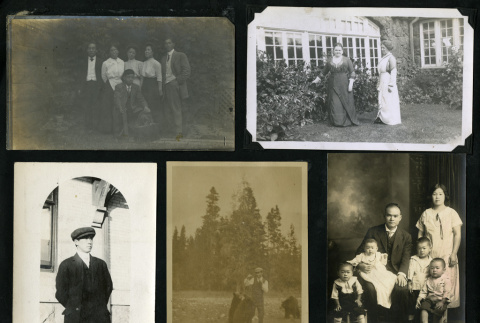
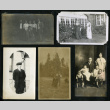
Japanese family (ddr-csujad-25-10)
A page from an album containing Japanese family photographs. Five photographs are pasted on the page. All photographs appear to be taken in Washington in the early 1900s. Include Japanese men in suits, women in western dress, and children. Include a family portrait which is taken at "Jackson Studio" in Seattle, Washington. Also include one photograph …

vh
Sally Sudo Interview (ddr-densho-1014-13)
Nisei female. Born December 1, 1935, in Seattle, Washington. During World War II, removed with family to the Puyallup Assembly Center, Washington, and the Minidoka concentration camp, Idaho. After leaving camp, resettled in Minneapolis, Minnesota. Spent many years raising a family and teaching in Japan before eventually returning to Minnesota.
(This material is based upon work …

Narrator May Ota Higa
Nisei female. Born March 14, 1916, in Seattle, Washington. Grew up in Seattle and Ellensburg, Washington, before going to Japan to teach just prior to the onset of World War II. Returned to Seattle in 1941, and was removed with family to Puyallup Assembly Center, Washington, and Minidoka concentration camp, Idaho. After the war, resettled in …

Collection
Akimoto Collection (ddr-densho-129)
The Akimoto collection contains three photographs of the Akimoto family, who operated University Cleaners, a dye works business located in Seattle, Washington. These photos were also used in the book, The Green Lake Japanese American Community, 1900-1942.

Narrator James "Turk" Suzuki
Nisei male. Born October 17, 1923, in Seattle, Washington. Grew up in Seattle, Washington, before being incarcerated in the Puyallup Assembly Center, Washington, and the Minidoka concentration camp, Idaho. Volunteered in the 442nd Regimental Combat team out of camp, and eventually returned to Seattle after World War II.

Collection
Frank Kubo Collection (ddr-densho-128)
The Frank Kubo Collection, 1910s-1960s, focuses on the leisure and business activities of a group of Japanese Americans from Seattle, Washington. Included are photographs of Seattle landmarks, Tsutakawa Company and Furuya Company picnics and camping trips, and Pacific Market, a Japanese American operated grocery store on Jackson Street in Seattle. Also featured are several photographs of …
Narrator Frank Yamasaki
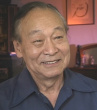
Nisei male. Born January 26, 1923, in Seattle, Washington. Spent prewar childhood in South Park and Belltown areas of Seattle. Incarcerated at the Puyallup Assembly Center, Washington and Minidoka concentration camp, Idaho. Refused to participate in draft, imprisoned at McNeil Island Penitentiary, Washington, for resisting the draft. Resettled in Seattle.