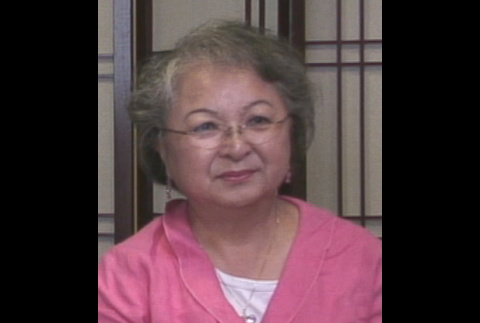
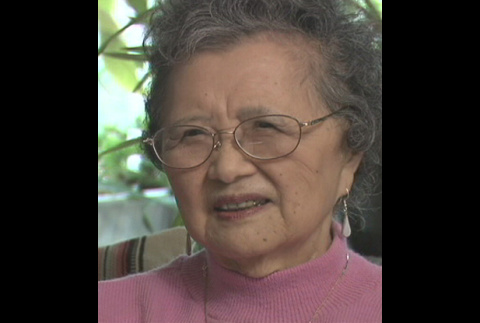
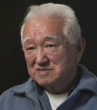
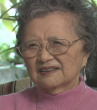
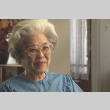
Nisei female. Born June 25, 1936. One of four sisters, grew up near Los Angeles, California, where parents ran a nursery business. Following the bombing of Pearl Harbor, removed to the Manzanar concentration camp, California. Following the war, returned to Los Angeles.
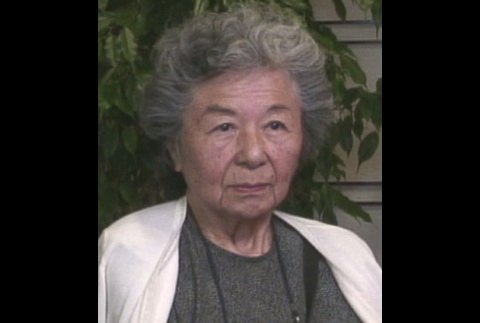
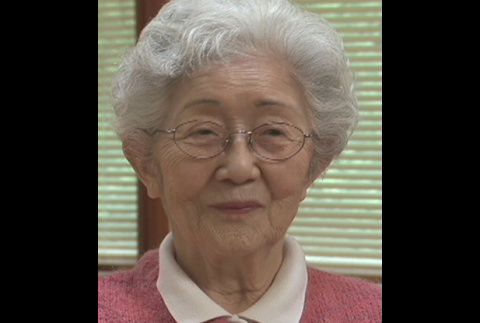
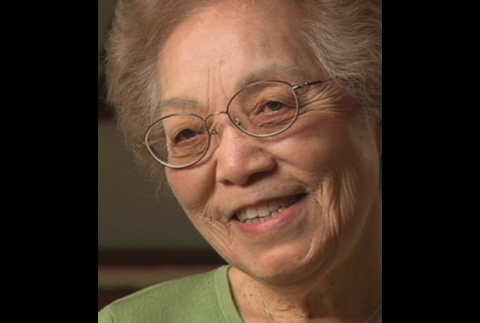
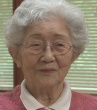
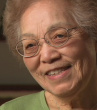
Nisei female. Born February 26, 1927. One of four sisters, grew up near Los Angeles, California, where parents ran a nursery business. Following the bombing of Pearl Harbor, removed to the Manzanar concentration camp, California. Following the war, returned to Los Angeles.
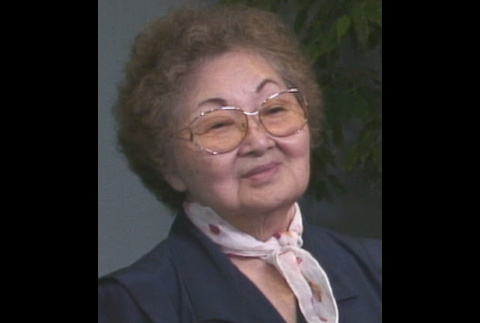
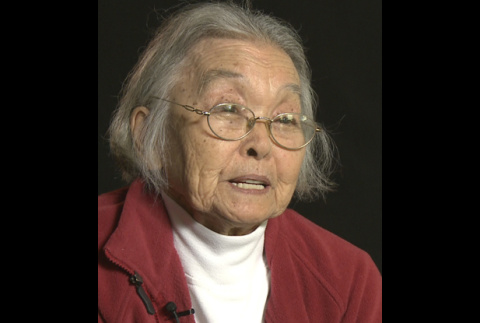
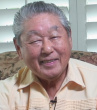
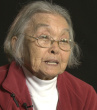
Nisei female. Born January 28, 1930. One of four sisters, grew up near Los Angeles, California, where parents ran a nursery business. Following the bombing of Pearl Harbor, removed to the Manzanar concentration camp, California. Following the war, returned to Los Angeles.
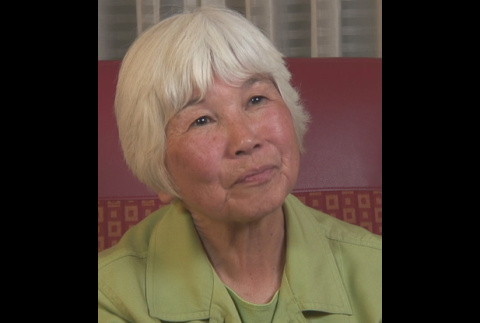
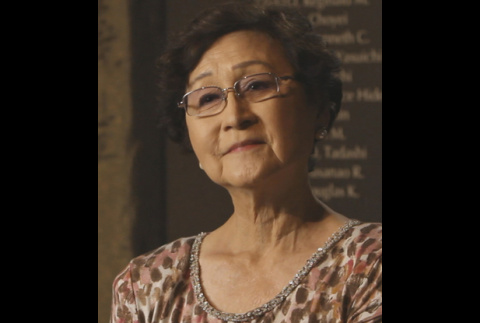
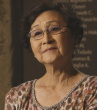
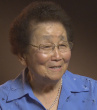
Nisei female. Born August 16, 1930, in Milwaukie, Oregon. Grew up in Milwaukie, where parents ran a farm. After the bombing of Pearl Harbor, removed to the Portland Assembly Center, Oregon, and the Minidoka concentration camp, Idaho. After leaving camp, returned to Oregon.
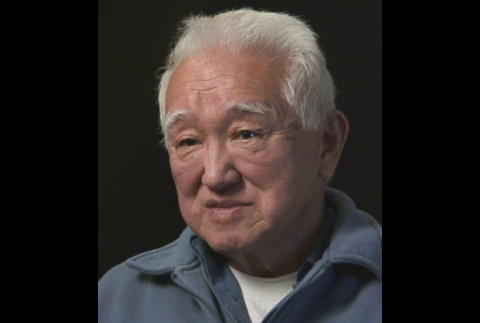
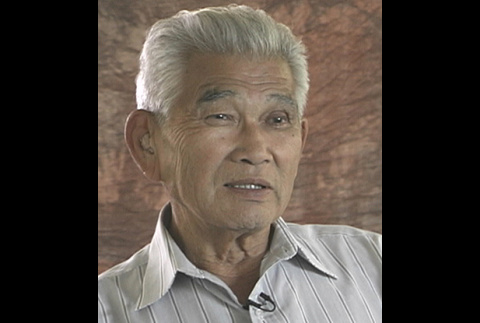
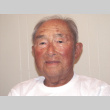
Nisei male. Born May 15, 1930, in Marysville, California. Family operated a farm prior to World War II. Following the bombing of Pearl Harbor, was removed to the Merced Assembly Center, California, and Granada (Amache) concentration camp, Colorado. Remained in Colorado after the war.
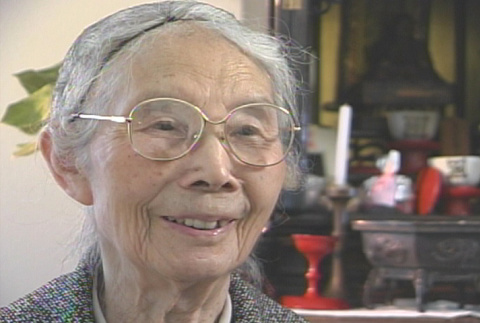
Nisei female. Born December 6, 1919, in Winslow, Washington. Was fired from job as a domestic following the bombing of Pearl Harbor. Removed to Manzanar concentration camp, California, and later transferred to Minidoka concentration camp, Idaho. Following World War II, returned to Bainbridge Island, Washington.
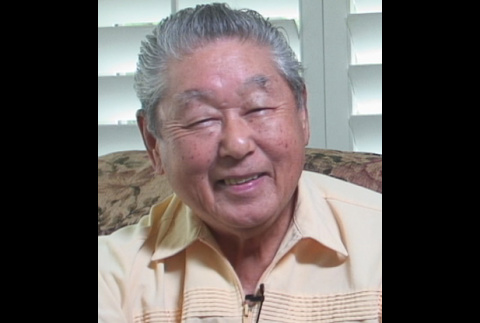
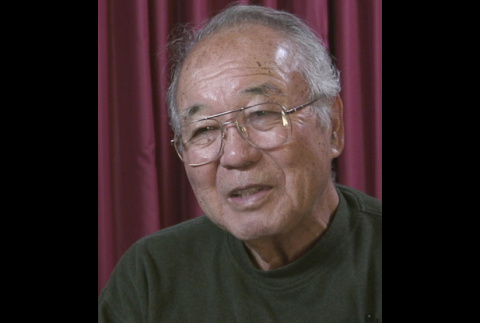
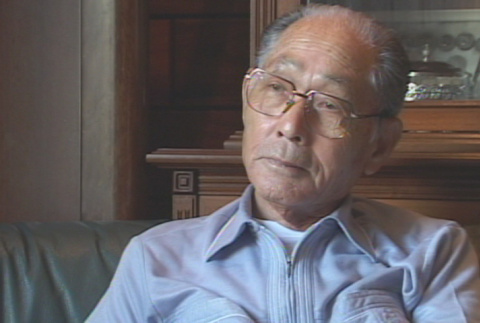
Nisei male, born March 14, 1929, in Florin California. Grew up in Florin, where parents ran a farm. Following the bombing of Pearl Harbor, removed with family to the Manzanar concentration camp, California. After the war, served in the Air Force and became an engineer.
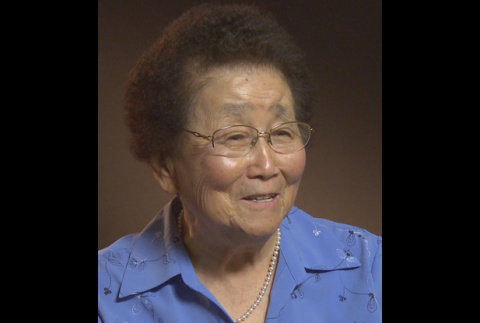
Nisei female. Born November 25, 1930, in Honolulu, Hawaii. Grew up in the Aala neighborhood of Honolulu before the war, where parents operated a hat cleaning business. Directly after the bombing of Pearl Harbor, father was arrested by the FBI and interned in several camps.
Nisei female. Born December 13, 1919, in Bainbridge Island, Washington. After the bombing of Pearl Harbor, removed with family to the Manzanar concentration camp California, then later transferred to the Minidoka concentration camp, Idaho. Married while in Minidoka, and returned to Bainbridge Island after World War II.
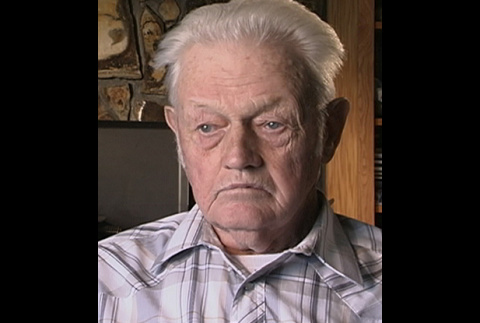
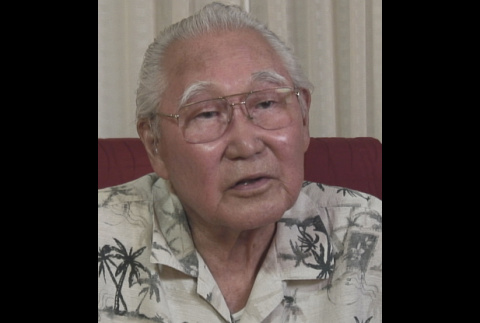
White male of German descent. Born December 5, 1921, in Oketo, Kansas. Worked for a shipyard on Terminal Island, California, when Japan bombed Pearl Harbor on December 7, 1941. Served in the United States Air Force during World War II, and presently lives in Hammett, Idaho.
Nisei female. Born April 20, 1922. Grew up on Bainbridge Island, Washington. Was working as a maid in Seattle when Japan bombed Pearl Harbor on December 7, 1941. During the war, removed to the Manzanar concentration camp, California, and transferred to the Minidoka concentration camp, Idaho.
Nisei female. Born October 3, 1919, in Fresno, California. Grew up in Watsonville, California, helping on family's strawberry farm. After the bombing of Pearl Harbor, was removed to the Salinas Assembly Center and the Tule Lake concentration camp, California. After World War II, returned to Watsonville.
Nisei female. Born December 25, 1924, in Selma, California. Grew up in Parlier, Californa, where family worked on a farm. After the bombing of Pearl Harbor, removed to the Gila River concentration camp, Arizona. Left camp to work in Indianapolis, Indiana, before settling permanently in Minneapolis, Minnesota.
Nisei male. Born June 11, 1927, in Los Angeles, California. Grew up in Los Angeles, where father ran a grocery store and then a small farm. After the bombing of Pearl Harbor, removed to the Manzanar concentration camp, California. Trained in the Military Intelligence Service Language School.
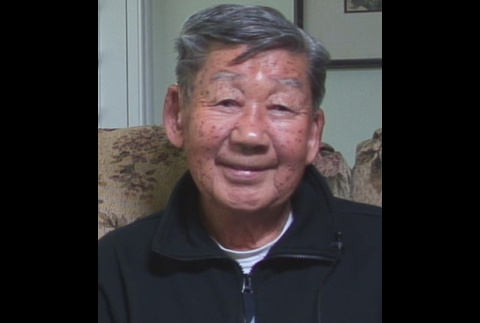
Nisei male, born June 15, 1926, in Florin California. Grew up in Florin, where parents ran a farm. Following the bombing of Pearl Harbor, removed with family to the Manzanar concentration camp, California. After the war, became a certified maintenance welder for the Los Angeles school system.
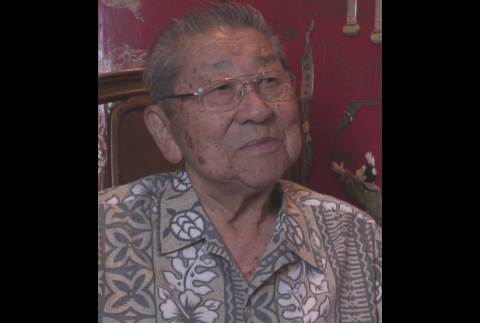
Nisei male. Born August 28, 1923, in Honolulu, Hawaii. After the bombing of Pearl Harbor, volunteered for the army and served in Europe with the 442nd Regimental Combat Team. After discharge, was called back to active duty and served with the U.S. Counterintelligence Corps in Japan.
Nisei male. Born July 31, 1926, in Kelton, Utah. Grew up in Kelton, where father worked for the railroad. After the bombing of Pearl Harbor, father was fired from the railroad. Mr. Yagi was drafted into the military during World War II. Eventually moved to Portland, Oregon.
Nisei male. Born March 3, 1922, in Los Angeles, California. Grew up in various cities in California, and was living in Harbor City, California, when Pearl Harbor was bombed on December 7, 1941. Removed to Santa Anita Assembly Center, California, and then to Tule Lake concentration camp, California. Later moved to the Jerome concentration camp in …
Reaction to the bombing of Pearl Harbor; believing "there was no way Japan would win" (Japanese language)
This interview was conducted in Japanese and was translated so as to convey Mrs. Terao's way of speaking as closely as possible. For example, there are instances in which she makes some grammatical errors. These mistakes are conveyed through …
Hearing about arrests of community members after the bombing of Pearl Harbor (Japanese language)
This interview was conducted in Japanese. The transcript is a translation of the original interview. This material is based upon work assisted by a grant from the Department of the Interior, National Park Service. Any opinions, finding, and conclusions or recommendations expressed …
Growing up in Los Angeles and getting married before World War II; reaction to the bombing of Pearl Harbor
This interview was conducted by sisters Emiko and Chizuko Omori for their 1999 documentary, Rabbit in the Moon, about the Japanese American resisters of conscience in the World War II incarceration camps. As a result, the …
A senior in high school when Pearl Harbor bombing took place: "we were treated with a sort of disdain"
This interview was conducted by sisters Emiko and Chizuko Omori for their 1999 documentary, Rabbit in the Moon, about the Japanese American resisters of conscience in the World War II incarceration camps. As a result, the …
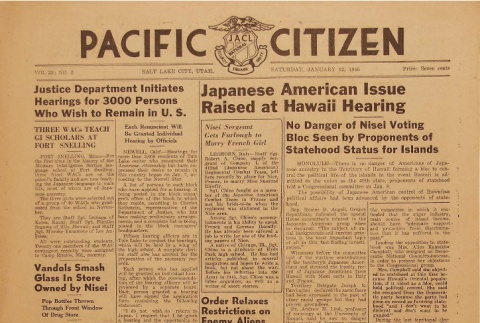
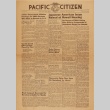
Selected article titles: "Justice Department Initiates Hearings for 3000 Persons Who Wish to Remain in U.S." (p. 1), "Vandals Smash Glass in Store Owned by Nisei" (p. 1), "WRA Office Plans Survey of Resettled Evacuee Families" (p. 1), "Japanese American Issue Raised at Hawaii Hearing" (p. 1), "Order Relaxes Restrictions on Enemy Aliens" (p. 1), "Army …
Volume 1 divides into three sections. Description about this volume reads directly from the book as follows: The first section contains archival documents regarding pre-Pearl Harbor materials that deal largely with discussion between the War and the Justice Departments over responsibilities for enemy aliens in case of war and with internal Army documents about construction of …
George Ishibashi was born on March 27, 1914, in San Pedro, California. He grew up on a farm in Palos Verdes, California. His father immigrated to the U.S. in the late 1890s and leased his first farm in 1906. Following Japan's bombing of Pearl Harbor, the family's lease was unceremoniously ended. Ishibashi and his family were …