Returning to the United States and attending high school
This material is based upon work assisted by a grant from the Department of the Interior, National Park Service. Any opinions, finding, and conclusions or recommendations expressed in this material are those of the author(s) and do not necessarily reflect the views of the Department of the …
The inaccuracy of the movie portrayal of Merrill's Marauders
This material is based upon work assisted by a grant from the Department of the Interior, National Park Service. Any opinions, finding, and conclusions or recommendations expressed in this material are those of the author(s) and do not necessarily reflect the views of the Department of the …
Serving as an interpreter during the war crimes trials
This material is based upon work assisted by a grant from the Department of the Interior, National Park Service. Any opinions, finding, and conclusions or recommendations expressed in this material are those of the author(s) and do not necessarily reflect the views of the Department of the …
Serving with the OSS, Office of Strategic Services
This material is based upon work assisted by a grant from the Department of the Interior, National Park Service. Any opinions, finding, and conclusions or recommendations expressed in this material are those of the author(s) and do not necessarily reflect the views of the Department of the Interior.
Assigned to interrogate Japanese prisoners of war in China
This material is based upon work assisted by a grant from the Department of the Interior, National Park Service. Any opinions, finding, and conclusions or recommendations expressed in this material are those of the author(s) and do not necessarily reflect the views of the Department of the …
Being able to hear and understand the enemy's plans
This material is based upon work assisted by a grant from the Department of the Interior, National Park Service. Any opinions, finding, and conclusions or recommendations expressed in this material are those of the author(s) and do not necessarily reflect the views of the Department of the …
This material is based upon work assisted by a grant from the Department of the Interior, National Park Service. Any opinions, finding, and conclusions or recommendations expressed in this material are those of the author(s) and do not necessarily reflect the views of the Department of the Interior.
This material is based upon work assisted by a grant from the Department of the Interior, National Park Service. Any opinions, finding, and conclusions or recommendations expressed in this material are those of the author(s) and do not necessarily reflect the views of the Department of the Interior.
Tapping into an enemy phone line and intercepting an important message
This material is based upon work assisted by a grant from the Department of the Interior, National Park Service. Any opinions, finding, and conclusions or recommendations expressed in this material are those of the author(s) and do not necessarily reflect the views of the Department …
This material is based upon work assisted by a grant from the Department of the Interior, National Park Service. Any opinions, finding, and conclusions or recommendations expressed in this material are those of the author(s) and do not necessarily reflect the views of the Department of the Interior.
This material is based upon work assisted by a grant from the Department of the Interior, National Park Service. Any opinions, finding, and conclusions or recommendations expressed in this material are those of the author(s) and do not necessarily reflect the views of the Department of the Interior.
Harry Matsumoto with incarcerees at Children's Village. See this object in the California State Universities Japanese American Digitization project site: P301
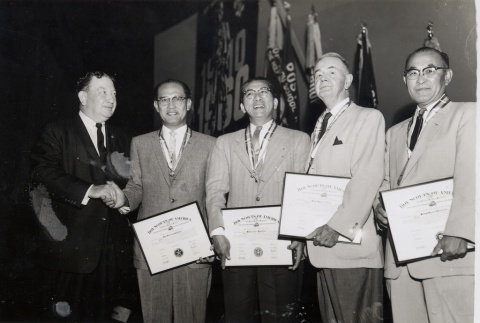
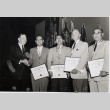
Caption on newspaper clipping: "SILVER BEAVERS: Morley Theaker congratulates Silver Beaver Award winners. They are: left to right, Paul K. Lau, Wallace Chee Yau Chow, Riley H. Allen, and George K. Matsumoto. -- (Hawaii Times photo by Seiki Kamimura)."
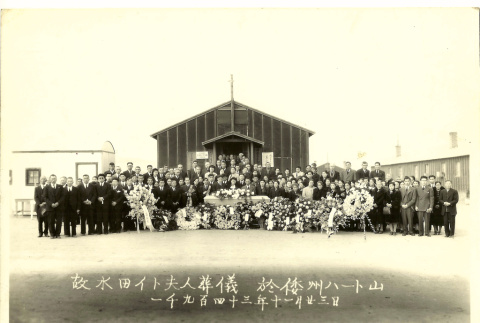
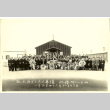
The funeral for Mrs. Ito Mizuta. Sam Torakichi Migita, Koto Hirahara, Sato Hirahara, and possibly Rev. Tesho Matsumoto present. This photo was taken at Block 30. Rev. R. Mohri is in the photo, and he was at the Los Angeles Nishi Hongwanji Buddhist Temple at the outbreak of WWII. The statue of Amida Buddha from the …
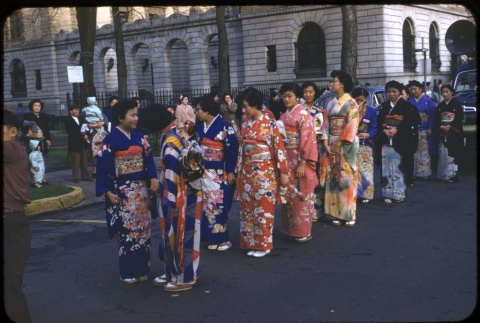
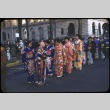
Color slide of procession in front of the US Customs House in Northwest Portland. Women in brightly colored kimonos or yukatas form two lines. Followed by four more women in somber colored kimonos or yukatas. Procession from left to right: Betty Nakashimada, Atsuko "Alice" (Matsumoto) Ando, Jean Matsumoto, Kathleen "Kathie" Haruko (Matsuda) Sato, Aki (Shiraishi) Dong, …
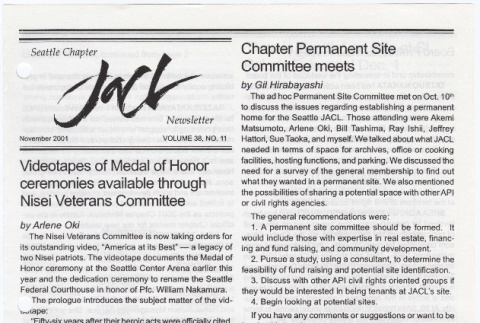
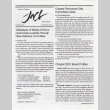
Newsletter covering the following topics: Chapter forms committee for permanent site; Medal of Honor video tapes available; Board Bios-Ayako Hurd, Suzanne Hamada, Tatsuo Nakata, Shea Aoki, Joy Shigaki, Arlene Oki, Kazzie Katayama, Linda Tanouye, Manaji Suzuki, Akemi Matsumoto.
Harry and Lilian Matsumoto with incarceree at Children's Village. See this object in the California State Universities Japanese American Digitization project site: P295
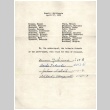
This letter discusses life at Santa Anita Assembly Center, including Ruth Yamada's thoughts on school, church, and food. Matsuye Koike received the letter while imprisoned at Fort Lincoln, Bismark, ND. The letter was "detained alien enemy mail examined."
This letter discusses life at Rohwer concentration camp, including discussion of the social activities, Thanksgiving, and teachers. Matsuye Koike received the letter while imprisoned at Fort Lincoln, Bismark, ND. The letter was "detained alien enemy mail examined."
Harry and Lilian Matsumoto and caretaker with incarcerees at Children's Village. See this object in the California State Universities Japanese American Digitization project site: P303
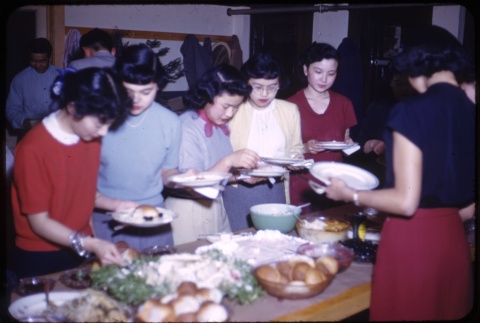
Color slide of young women filling plates at a Valentine's Day potluck at Oregon Buddhist Church (now known as the Oregon Buddhist Temple). From left to right: Kathleen "Kathie" Haruko (Matsuda) Sato, unidentified, Rose Haruye (Muramatsu) Ouchida, Jean Matsumoto, and Michiko (Masuoka) Nishioka.
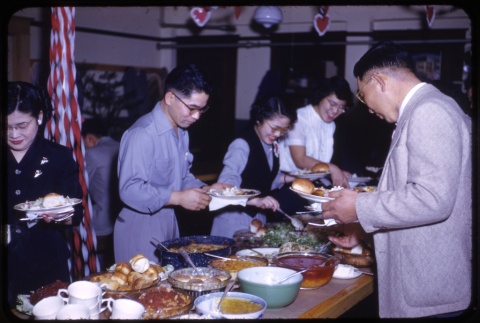
Color slide of young men and women filling plates at Valentine's Day potluck at Oregon Buddhist Church (now known as the Oregon Buddhist Temple). From left to right: Ben Ishida, Atsuko "Alice" (Matsumoto) Ando, Frances (Kinoshita) Mayeda, and Arthur "Art" Ojiro Sasaki.

![[Children's Village superintendent with children] (ddr-csujad-29-356)](https://ddr.densho.org/media/cache/f1/9d/f19d1b58d2241f76cde7d3f913f44623.jpg)
![[Children's Village superintendents with baby] (ddr-csujad-29-352)](https://ddr.densho.org/media/cache/56/2e/562eeaef6790a976ea157f19d74ad632.jpg)


![[Children's Village superintendents and caretaker with children] (ddr-csujad-29-358)](https://ddr.densho.org/media/cache/65/c2/65c2dae0a42f5467bd715f9a4875a957.jpg)

![[Children's Village superintendent with children] (ddr-csujad-29-356)](https://ddr.densho.org/media/cache/e3/cc/e3cc744d167053b3c5d3d4f69b42667c.jpg)
![[Children's Village superintendents with baby] (ddr-csujad-29-352)](https://ddr.densho.org/media/cache/01/bd/01bd282243993bb47ab7dedfd373dd3f.jpg)


![[Children's Village superintendents and caretaker with children] (ddr-csujad-29-358)](https://ddr.densho.org/media/cache/ac/73/ac73631804c0eee06c9597320279d01b.jpg)