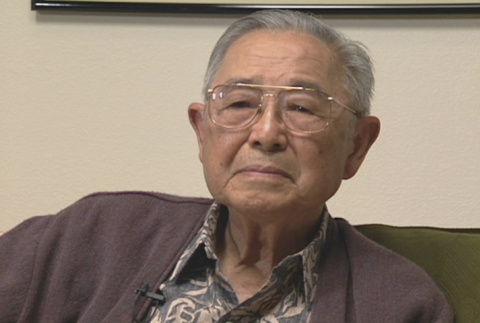
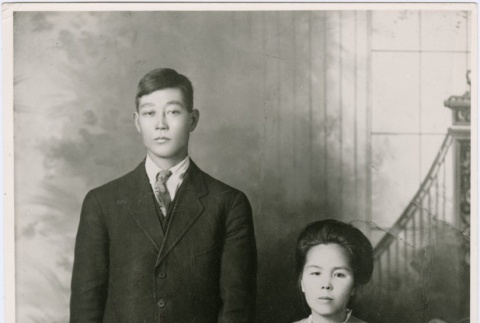
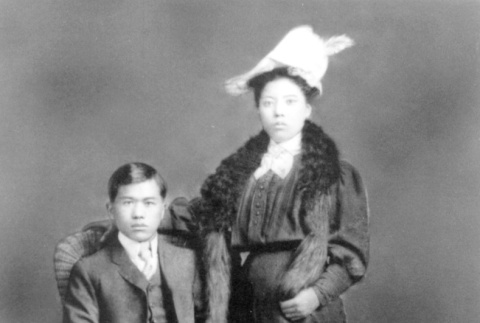
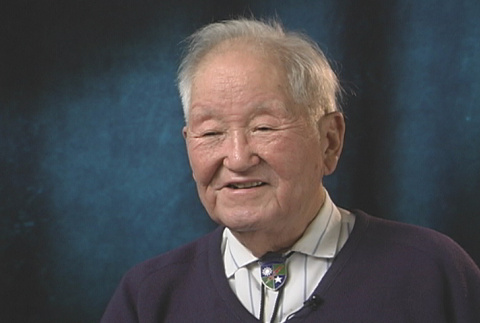
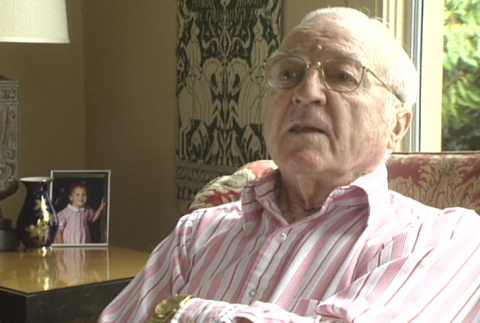
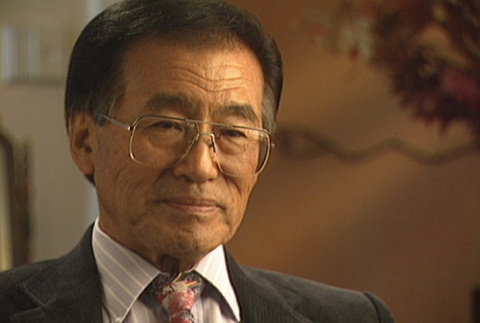
This interview was conducted by filmmaker Frank Abe for his 2000 documentary, Conscience and the Constitution, about the World War II resisters of conscience at the Heart Mountain incarceration camp. As a result, the interviews in this collection are typically not life histories, instead primarily focusing on …
Feelings on the views of the Heart Mountain resisters
This interview was conducted by filmmaker Frank Abe for his 2000 documentary, Conscience and the Constitution, about the World War II resisters of conscience at the Heart Mountain incarceration camp. As a result, the interviews in this collection are typically not life histories, instead primarily focusing …
History and role of the Japanese American Citizens League
This interview was conducted by filmmaker Frank Abe for his 2000 documentary, Conscience and the Constitution, about the World War II resisters of conscience at the Heart Mountain incarceration camp. As a result, the interviews in this collection are typically not life histories, instead primarily focusing …
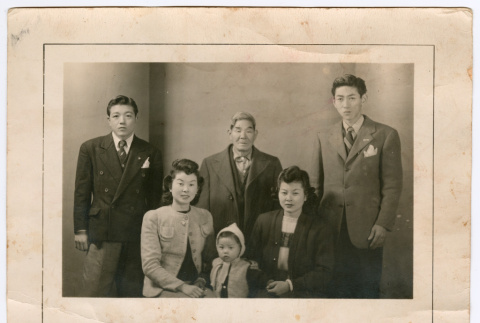
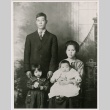
The Pauline Miyata Collection is comprised of mostly pre-war era photographs in Oregon and Washington. These photos depict the Shigeno, Asaba, and Miyata families, as well as many photos of classmates in the 1930s. A business report from the berry farm some of the family worked on is also included. A few photos depict life at …
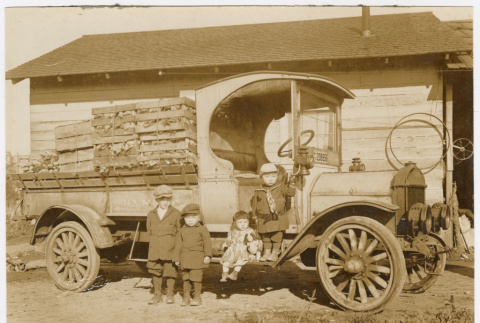
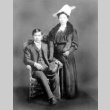
The Yamada collection, early 1900s-1950s and 1990s, focuses on the Iseri family, who resided in the White River Valley area of Washington State before World War II and in Weiser, Idaho, after the war. The photographs depict agricultural life and community activities such as sports, mochitsuki, and religious ceremonies. This collection also includes mass removal and …
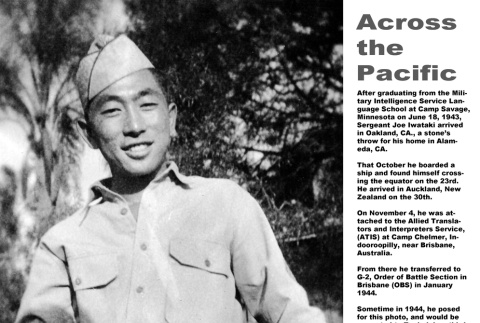
Collection consists of photos and records of WWII military service of Joe Iwataki and Yasuharu Koike who served with the MIS in Burma and the Philippines, transcriptions of Sachi Kamiji Fudenna’s diary from Topaz and Tule Lake and photos of crafts from camp, photos and records of Heart Mountain draft resister Ichiro Morita, and transcription of …
The Mitsuye Takemiya Collection includes photo albums, photographs, government paperwork, correspondence, koseki, and an autograph book. These items detail Takemiya's life, including her incarceration at Manzanar and Tule Lake as well as her repatriation to Japan after World War II. During the post-war occupation of Japan, she worked for the United States government where she met …
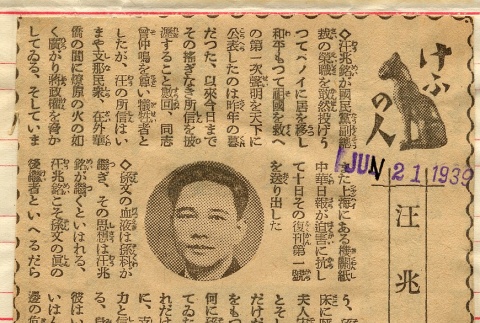
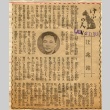
Caption on front [translation]: "Person of the Day: Wang Jingwei. Wang Jingwei boldly threw away his high position as deputy chairman of the the Kuomintang (Chinese Nationalist Party) to move to Hanoi to achieve peace and save his homeland. He made his first public declaration at the end of last year and has, since that day, …
The Tada Family collection consists of documents, correspondence, a photo album, and a scrapbook that together chronicle the lives of the Tada family--and the Kodama family--in Seattle. These detail the family members' business at Pike Place Market, activities with school groups, social life in Seattle, military service in WWII, and their incarceration at Camp Harmony and …
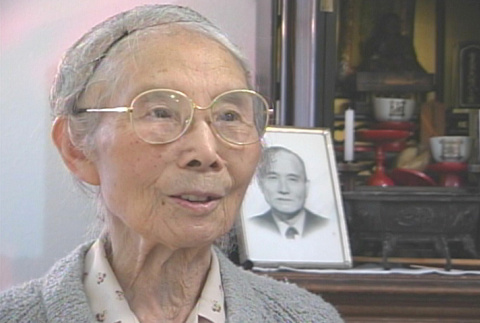
Description of husband's life in America (Japanese language)
This interview was conducted in Japanese and was translated so as to convey Mrs. Terao's way of speaking as closely as possible. For example, there are instances in which she makes some grammatical errors. These mistakes are conveyed through similar grammatical errors in English in order to recreate …
Story of a relative who was "tricked" by the Japanese government into going to Japan and being drafted into the Japanese army
Although Mr. Matsumoto does not identify himself as a Kibei (American-born person of Japanese ancestry sent to Japan for formal education and socialization when young and later returned to the U.S.), some of his …
Memories of mass removal: traveling to the Santa Anita Assembly Center, becoming head of the "vegetable department" at Santa Anita
Although Mr. Matsumoto does not identify himself as a Kibei (American-born person of Japanese ancestry sent to Japan for formal education and socialization when young and later returned to the U.S.), some of his life experiences …
The mental strain of being surrounded on Nhpum Ga hill; sent on a mission to secretly try to overhear enemy plans
Although Mr. Matsumoto does not identify himself as a Kibei (American-born person of Japanese ancestry sent to Japan for formal education and socialization when young and later returned to the U.S.), some of his life …
Description of relationship between Kibei and Nisei at Camp Savage, Minnesota; thoughts on the level of Japanese language education at the language school
Although Mr. Matsumoto does not identify himself as a Kibei (American-born person of Japanese ancestry sent to Japan for formal education and socialization when young and later returned to the U.S.), some of …
Opinions in San Francisco, California and the ACLU split over issue of incarceration
This interview was conducted by sisters Emiko and Chizuko Omori for their 1999 documentary, Rabbit in the Moon, about the Japanese American resisters of conscience in the World War II incarceration camps. As a result, the interviews in this collection are typically …
Background as a lawyer; involvement in Imperial Valley labor strikes
This interview was conducted by sisters Emiko and Chizuko Omori for their 1999 documentary, Rabbit in the Moon, about the Japanese American resisters of conscience in the World War II incarceration camps. As a result, the interviews in this collection are typically not life histories, …
An act of defiance: threatening to walk out of camp
This interview was conducted by sisters Emiko and Chizuko Omori for their 1999 documentary, Rabbit in the Moon, about the Japanese American resisters of conscience in the World War II incarceration camps. As a result, the interviews in this collection are typically not life histories, …
First impressions of Heart Mountain concentration camp, Wyoming: a "miserable sight"
This interview was conducted by sisters Emiko and Chizuko Omori for their 1999 documentary, Rabbit in the Moon, about the Japanese American resisters of conscience in the World War II incarceration camps. As a result, the interviews in this collection are typically not life …
Deciding to qualify answers to the so-called "loyalty questions"
This interview was conducted by sisters Emiko and Chizuko Omori for their 1999 documentary, Rabbit in the Moon, about the Japanese American resisters of conscience in the World War II incarceration camps. As a result, the interviews in this collection are typically not life histories, instead …
Sending press releases and news bulletins to newspapers outside of camp
This interview was conducted by sisters Emiko and Chizuko Omori for their 1999 documentary, Rabbit in the Moon, about the Japanese American resisters of conscience in the World War II incarceration camps. As a result, the interviews in this collection are typically not life …
Talking about resister status postwar; discussion of principles involved in becoming a resister
This interview was conducted by sisters Emiko and Chizuko Omori for their 1999 documentary, Rabbit in the Moon, about the Japanese American resisters of conscience in the World War II incarceration camps. As a result, the interviews in this collection are typically …
Reflections: pardoned in 1947; thoughts on the American justice system
This interview was conducted by sisters Emiko and Chizuko Omori for their 1999 documentary, Rabbit in the Moon, about the Japanese American resisters of conscience in the World War II incarceration camps. As a result, the interviews in this collection are typically not life histories, …
The resisters' story: experiences in jail, the trial of sixty-three
This interview was conducted by sisters Emiko and Chizuko Omori for their 1999 documentary, Rabbit in the Moon, about the Japanese American resisters of conscience in the World War II incarceration camps. As a result, the interviews in this collection are typically not life histories, …
Attending hearings regarding qualified answers to the so-called "loyalty questions"
This interview was conducted by sisters Emiko and Chizuko Omori for their 1999 documentary, Rabbit in the Moon, about the Japanese American resisters of conscience in the World War II incarceration camps. As a result, the interviews in this collection are typically not life histories, …
Memories of mass removal: "it was kind of a frustrating and disappointing time"
This interview was conducted by sisters Emiko and Chizuko Omori for their 1999 documentary, Rabbit in the Moon, about the Japanese American resisters of conscience in the World War II incarceration camps. As a result, the interviews in this collection are typically …