Due to technical difficulties during the taping of this interview, the interviewer's voice is considerably louder than the narrator's. This material is based upon work assisted by a grant from the Department of the Interior, National Park Service. Any opinions, finding, and conclusions or recommendations expressed in this material are those of the …
A typical day while in high school: waking up at 3 o'clock in the morning to start work, attending school, then studying in the evening
Although Mr. Matsumoto does not identify himself as a Kibei (American-born person of Japanese ancestry sent to Japan for formal education and socialization when young and later returned to the U.S.), …
Family background: father was a stowaway at age nineteen on a ship from Japan to the U.S.
This interview was conducted by sisters Emiko and Chizuko Omori for their 1999 documentary, Rabbit in the Moon, about the Japanese American resisters of conscience in the World War II incarceration camps. As a result, the interviews in …
Discussion of decision in camp to renounce U.S. citizenship, family's near-deportation to Japan
This interview was conducted by sisters Emiko and Chizuko Omori for their 1999 documentary, Rabbit in the Moon, about the Japanese American resisters of conscience in the World War II incarceration camps. As a result, the interviews in this collection are typically …
Memories of the bombing of Pearl Harbor and attending school the next day: being identified with Japan
This interview was conducted by sisters Emiko and Chizuko Omori for their 1999 documentary, Rabbit in the Moon, about the Japanese American resisters of conscience in the World War II incarceration camps. As a result, the interviews in …
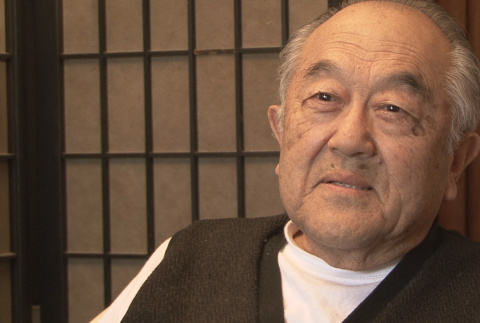
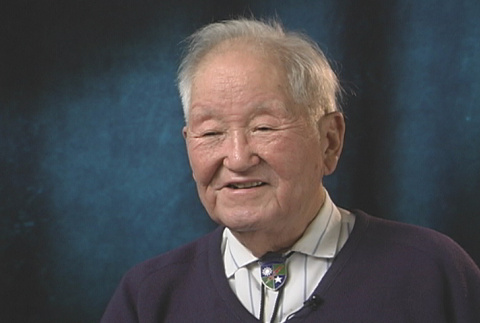
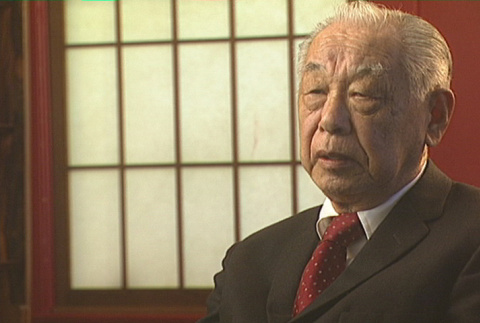
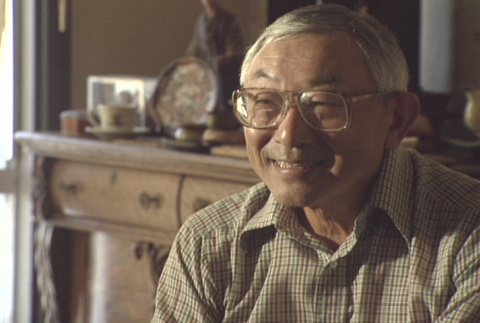
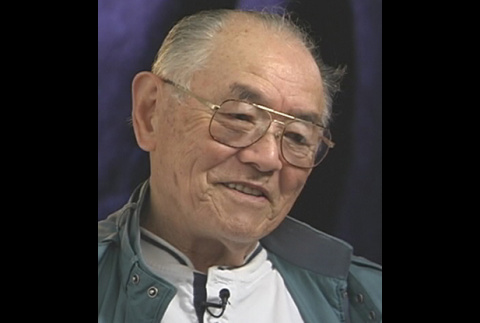
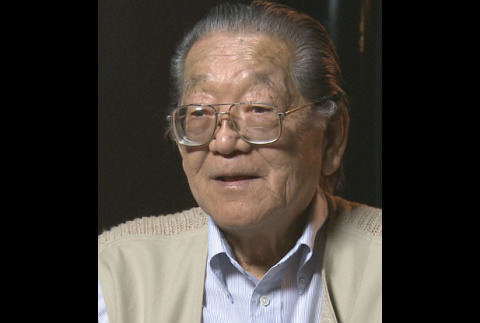
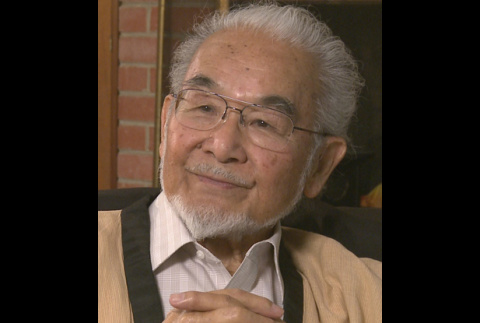
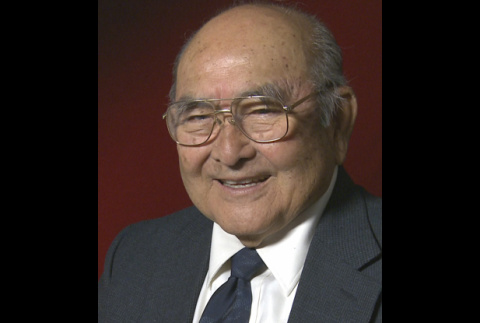
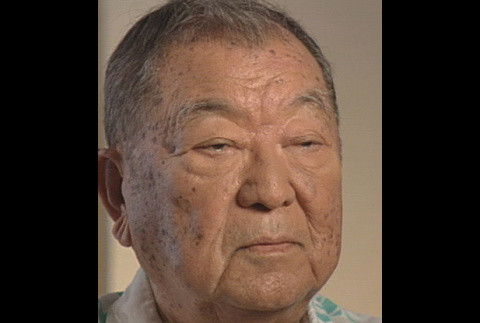
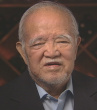
Nisei male. Born December 8, 1916, in Hawaii. Was already in the army when Japan bombed Pearl Harbor on December 7, 1941. Served with the Military Intelligence Service as a translator at the Pentagon and in Europe.
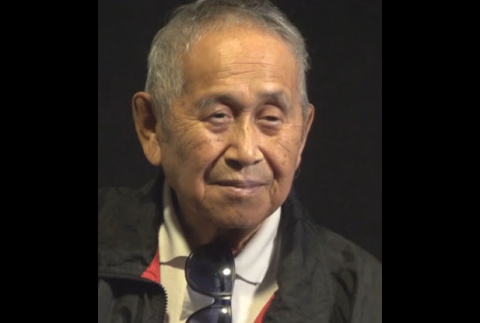
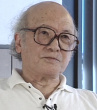
Nisei male. Born October 3, 1918, in Sacramento, California. During World War II, was drafted out of the Poston concentration camp, Arizona. Served with the Military Intelligence service as a translator and interpreter in India, Burma and Japan.
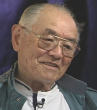
Kibei male, born October 12, 1923, in Seattle, Washington. Raised primarily in San Francisco, California, spending four years in Hiratsuka, Japan. Was incarcerated with his family at Topaz concentration camp, Utah. Refused to sign the so-called "loyalty questionnaire," and as a consequence was moved to Tule Lake Segregation Center, California. In Tule, he renounced his U.S. …
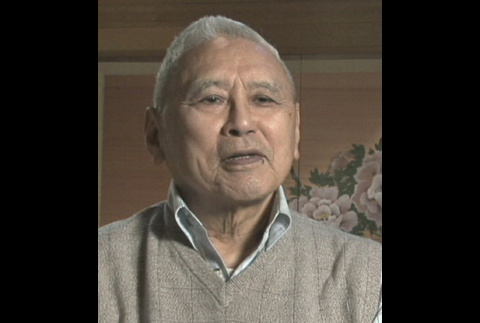
Kibei male. Born August 1, 1915, in Portland, Oregon. Sent with siblings to be educated in Japan when ten years old. Returned to the United States in 1935. During World War II, was incarcerated at the Portland Assembly Center, Oregon, and Minidoka concentration camp, Idaho. Active in Seattle's postwar Japanese American community as a member and …
Nisei male. Born August 10, 1925, in Chicago, Illinois. Grew up primarily in Los Angeles, California, where parents ran a restaurant. After the bombing of Pearl Harbor, removed to the Santa Anita Assembly Center, California, where he participating in running an organized gambling operation. Moved briefly to Heart Mountain concentration camp, Wyoming, before being sent to …
Nisei male. Born April 14, 1924, in San Francisco, California. Went to Japan with family at a very young age before returning to San Francisco. During World War II, removed to the Santa Anita Assembly Center, California, and the Topaz concentration camp, Utah. Answered "no-no" on the so-called "loyalty questionnaire" and transferred to Tule Lake concentration …
Nisei male. Born May 9, 1926, in Los Angeles, California. Grew up in Los Angeles and was in high school when Japan bombed Pearl Harbor on December 7, 1941. During the war, removed to the Manzanar concentration camp, California. Left camp to attend Morningside College in Sioux City, Iowa, then was inducted into the army. Joined …
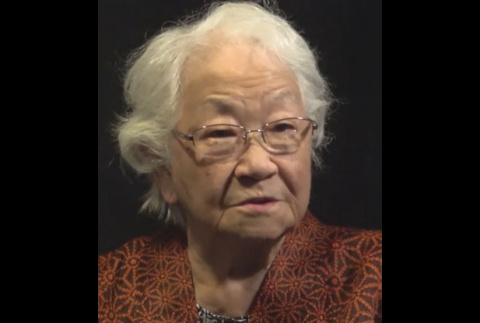
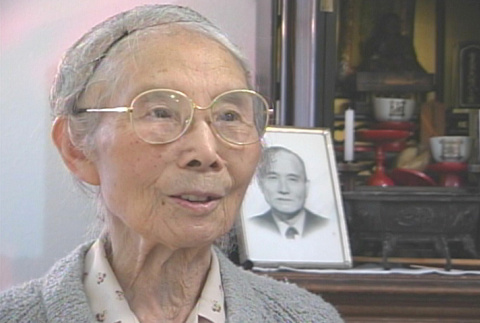
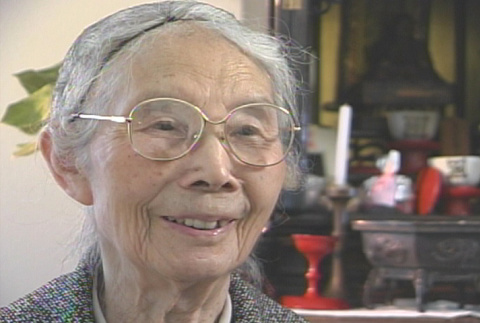
Kibei Nisei couple. Kikuno was born in the United States, then moved to Japan with her family after her father passed away. In the lead up to World War II, her uncle sent Kikuno and her brother back to the United States, where they were raised in foster care in northern California. During World War II, …
Kibei Nisei couple. Kikuno was born in the United States, then moved to Japan with her family after her father passed away. In the lead up to World War II, her uncle sent Kikuno and her brother back to the United States, where they were raised in foster care in northern California. During World War II, …
Nisei male. Born August 25, 1924, in Alameda, California. Grew up in Alameda, where father ran a food wholesaling business. Was in high school when Japan bombed Pearl Harbor on December 7, 1941. Removed to the Tanforan Assembly Center, California, and the Topaz concentration camp, Utah. Left Topaz on student leave to attend the University of …
Nisei male. Born February 21, 1918, in Selma, California. Drafted prior to World War II. During the war, served in the Military Intelligence Service with the Mars Task Force in Burma, and as an interpreter for General MacArthur in Japan.
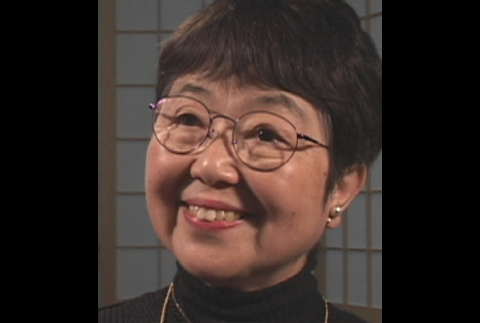
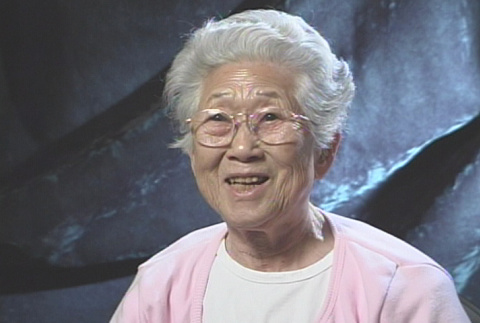
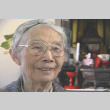
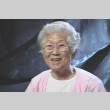
Shin-Issei female. Born July 21, 1936, in Sasebo, Japan. Was a child in Okayama during World War II. After the war, immigrated to the United States and lived and worked in various places including Honoulu, Hawaii, and Portland, Oregon.
Losing touch with friends and teachers in Japan; some killed by the atomic bomb (Japanese language)
This interview was conducted in Japanese and was translated so as to convey Mrs. Terao's way of speaking as closely as possible. For example, there are instances in which she makes some grammatical errors. These mistakes are conveyed through similar …
Reaction to the bombing of Pearl Harbor; believing "there was no way Japan would win" (Japanese language)
This interview was conducted in Japanese and was translated so as to convey Mrs. Terao's way of speaking as closely as possible. For example, there are instances in which she makes some grammatical errors. These mistakes are conveyed through …
Clashing opinions; disagreeing with the Kibeis' belief that Japan would win the war (Japanese language)
This interview was conducted in Japanese and was translated so as to convey Mrs. Terao's way of speaking as closely as possible. For example, there are instances in which she makes some grammatical errors. These mistakes are conveyed through similar grammatical …
Discovering status as an American citizen in Japan at an early age: "I was speechless" (Japanese language)
This interview was conducted in Japanese. It was translated so as to convey Mrs. Terasaki's way of speaking as closely as possible. For example, there are instances in which she makes some grammatical errors. These mistakes are conveyed through …
Nisei male. Born July 31, 1923, in Bainbridge Island, Washington. Age 18 when Japan bombed Pearl Harbor, was removed with family to Manzanar concentration camp, California. Later transferred to the Minidoka concentration camp, Idaho. Became an auto mechanic after World War II.
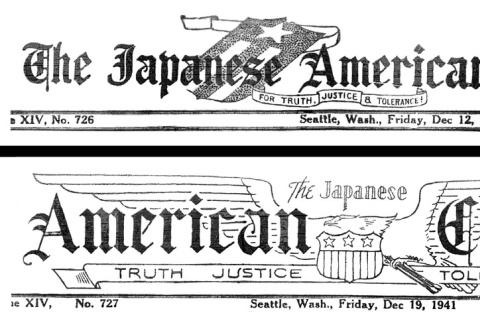
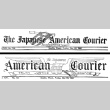
The Japanese American Courier was the first English-language weekly published exclusively for the Nisei community. It was published and edited by James Sakamoto, one of the founding members of the Japanese American Citizens League. The Courier's first issue was published on January 1, 1928, and its last issue was dated April 24, 1942. The newspaper's content …
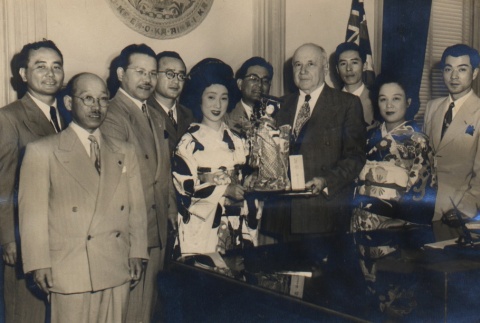
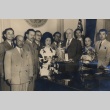
Caption on reverse: "JAPAN MUSICAL STARS MEET GOVERNOR: Pictured here is the group of Japanese musicians, led by famed composer and guitarist Masao Koga, who were received by Governor Ingram M. Stainback in Iolani Palace yesterday afternoon. The governor has just been presented with a doll. Left to right: Itsuo Tokunaga, one of the promoters of …