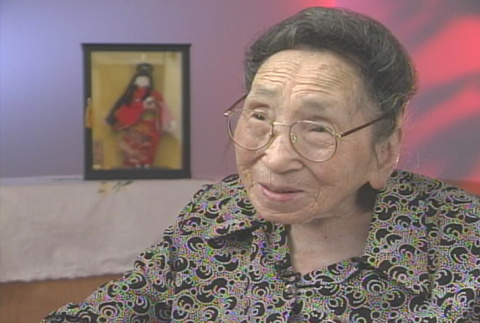
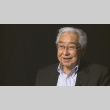
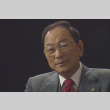
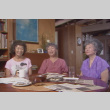
Description of childhood home in Nagano, Japan (Japanese language)
This interview was conducted in Japanese. It was translated so as to convey Mrs. Murayama's way of speaking as closely as possible. For example, there are instances in which she makes grammatical errors. These mistakes are conveyed through similar grammatical errors in English in order to recreate …
Temporarily returning to Japan in the 1930s (Japanese language)
This interview was conducted in Japanese. It was translated so as to convey Mrs. Murayama's way of speaking as closely as possible. For example, there are instances in which she makes grammatical errors. These mistakes are conveyed through similar grammatical errors in English in order to recreate …
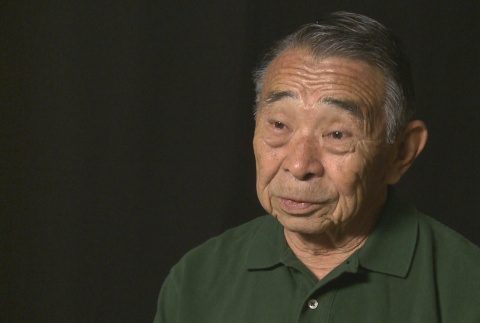
Sent to Japan to live with grandfather and enter ministry training
This material is based upon work assisted by a grant from the Department of the Interior, National Park Service. Any opinions, finding, and conclusions or recommendations expressed in this material are those of the author(s) and do not necessarily reflect the views of the Department …
Father changes his mind about moving the family to Japan
This material is based upon work assisted by a grant from the Department of the Interior, National Park Service. Any opinions, finding, and conclusions or recommendations expressed in this material are those of the author(s) and do not necessarily reflect the views of the Department of …
Three older siblings raised in Japan; meeting them for the first time
This material is based upon work assisted by a grant from the Department of the Interior, National Park Service. Any opinions, finding, and conclusions or recommendations expressed in this material are those of the author(s) and do not necessarily reflect the views of the …
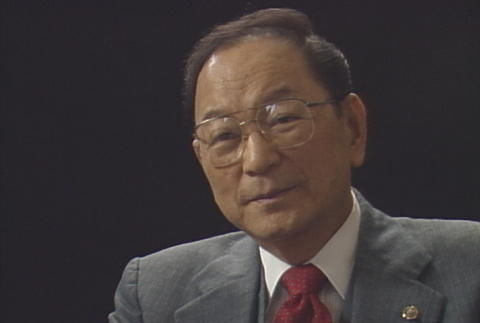
The important role of Nisei in the postwar occupation of Japan
This material is based upon work assisted by a grant from the Department of the Interior, National Park Service. Any opinions, finding, and conclusions or recommendations expressed in this material are those of the author(s) and do not necessarily reflect the views of the Department …
The U.S. government's suspicion of older brother's work in Japan
This material is based upon work assisted by a grant from the Department of the Interior, National Park Service. Any opinions, finding, and conclusions or recommendations expressed in this material are those of the author(s) and do not necessarily reflect the views of the Department of …
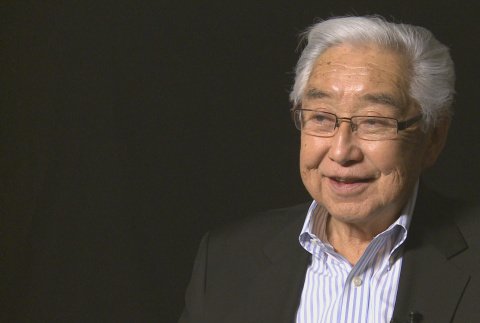
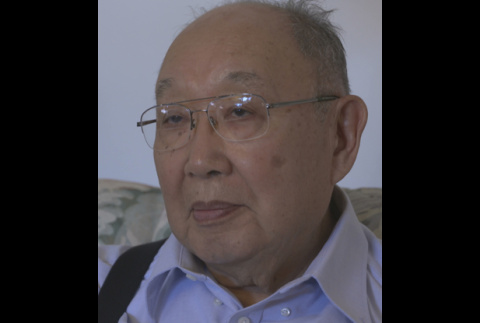
Issei male. Born April 4, 1934, in Hiroshima, Japan, while mother and older siblings were visiting Japan for an extended period. Came to the United States at a few months old, and grew up in the Uptown area of Los Angeles, California. During World War II, removed to the Santa Anita Assembly Center, California, and the …
Sansei male. Born April 17, 1949, in Cincinnati, Ohio. Shortly afterward, moved with parents to Hiroshima, Japan, where father worked with the Atomic Bomb Casualty Commission. Returned from Japan and grew up in Los Angeles, California, where father was a physician. Moved to San Francisco to attend San Francisco State, joined the Asian American Political Alliance, …
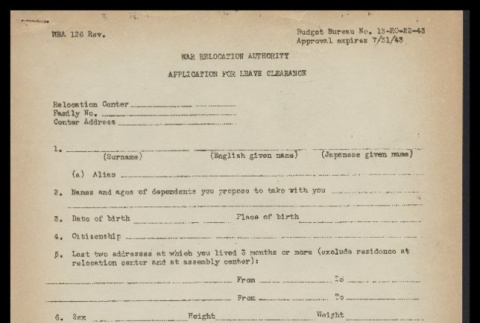
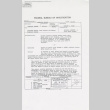
Questionnaire distributed to adult female U.S. citizens of Japanese ancestry and aliens. Individuals were required to supply information regarding place of birth, date of birth, citizenship, places of residence, height, weight, hair color, eye color, voter status, marital status and citizenship of spouse, the names and addresses of all relatives living in the United States, the …
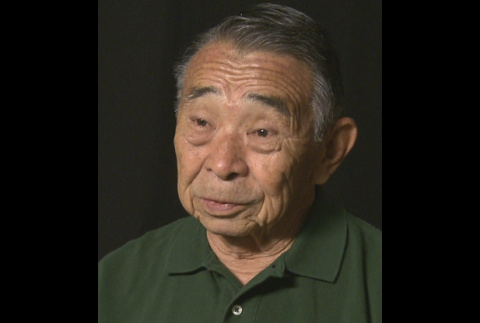
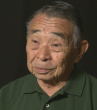
Nisei male. Born August 1, 1933, in Ookala, Hawaii. At a young age, sent to Japan to live with grandfather and begin ministry training, but returned to the U.S. just before the onset of World War II. After the bombing of Pearl Harbor, father, a prominent Buddhist minister, was picked up and arrested by the FBI. …
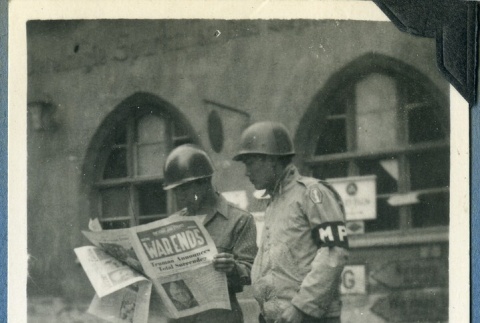
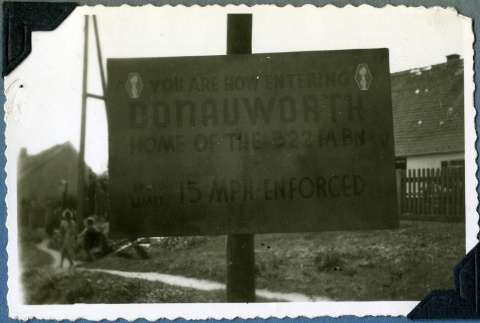
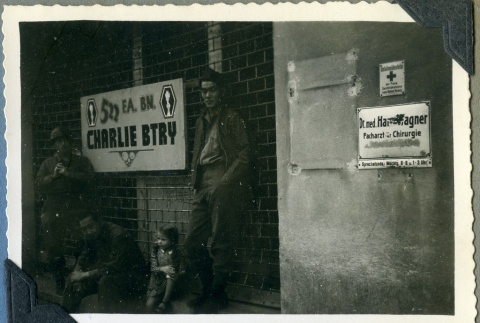
Caption in album: "Yes as we were here in Donauworth patrolling and cleaning up we were cleaning up what war had made. Not too unexpected had come the news that V-J Victory-Japan had come shortly after the hard fought V-E Victory-Europe day had come. We felt an excitement quite unexplainable but we worked as usuable [sic] …
Caption in album: "Yes as we were here in Donauworth patrolling and cleaning up we were cleaning up what war had made. Not too unexpected had come the news that V-J Victory-Japan had come shortly after the hard fought V-E Victory-Europe day had come. We felt an excitement quite unexplainable but we worked as usuable [sic] …
Caption in album: "Yes as we were here in Donauworth patrolling and cleaning up we were cleaning up what war had made. Not too unexpected had come the news that V-J Victory-Japan had come shortly after the hard fought V-E Victory-Europe day had come. We felt an excitement quite unexplainable but we worked as usuable [sic] …
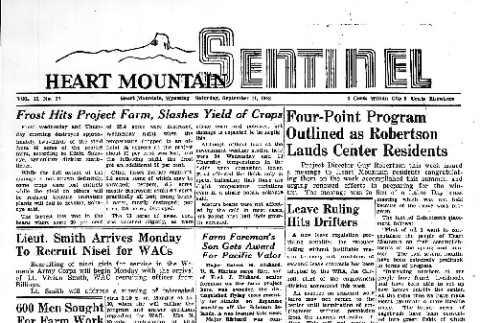
Selected article titles: "Frost Hits Project Farm, Slashes Yield of Crops" (p. 1), "Aides Named for Segregation" (p. 1), "8 Residents Fail to Sail for Japan" (p. 1), "Evacuee Farmers Making Good, Proving Value to Communities" (p. 1), "Permanent Relocation Recommended" (p. 5), "Carr Thinks Stand on Evacuees Just, But Costly in Politics" (p. 6), "Continuous …
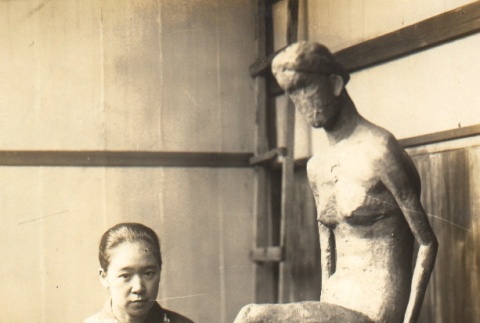
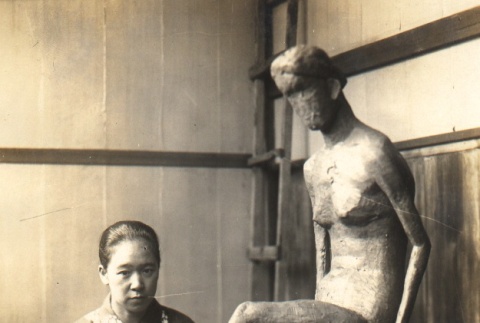
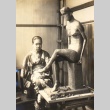
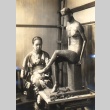
Caption on reverse [translation]: "Waiting for fall art. At an intensely hot studio. Miss Kameno Ota is aiming for the Japan Fine Arts Institution Exhibition. She is the only woman artist to show some of her works at the exhibition. She is busy completing a life-sized woman statue. However, she said, 'It is very hard for …
Caption on reverse [translation]: "Waiting for fall art. At an intensely hot studio. Miss Kameno Ota is aiming for the Japan Fine Arts Institution Exhibition. She is the only woman artist to show some of her works at the exhibition. She is busy completing a life-sized woman statue. However, she said, 'It is very hard for …
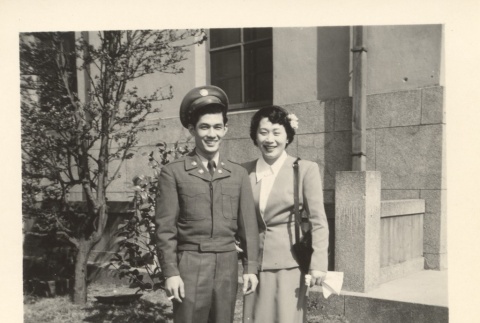
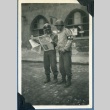
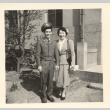
Black and white photographic print of (from left) Ray Funakoshi in uniform with hat and Olinda Saito, standing outside in front of building on Easter Sunday. This photograph was taken before they married. Olinda was a Japanese citizen whose father was Japanese consul in Sao Paolo, Brazil, before WWII. He returned to Japan before WWII began. …
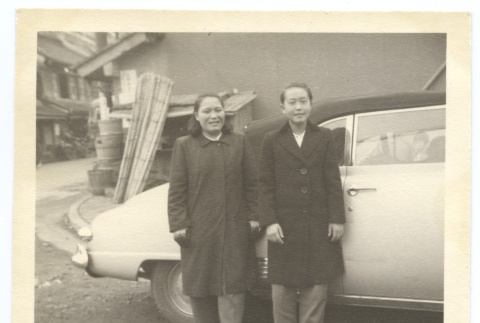
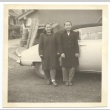
Black and white photographic print of (from left) Yoshiko Saito and Aki Saito wearing dark coats and standing in front of a car, Olinda Saito’s sisters, who accompanied Olinda and Shiuko to Ueda. Olinda was a Japanese citizen whose father was Japanese consul in Sao Paolo, Brazil before WWII. He returned to Japan before WWII began. …
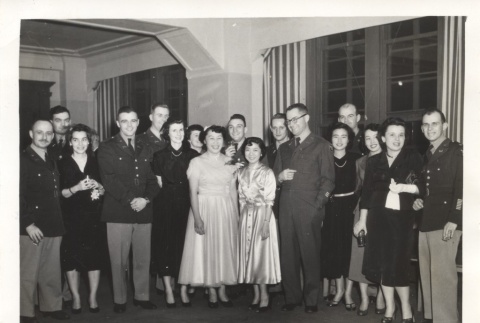
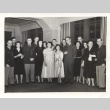
Black and white photographic print of wedding reception for Olinda Saito and Sgt. Raymond Funakoshi at American Club in Tokyo, Japan, with (from left): Col. Stewart, unidentified, Mrs. Stewart, Capt. Waddington, Lt. Downs, unidentified, unidentified, Olinda Saito (bride), Capt. Humphries, Shiuko Sakai, Maj. Bach, Lt. Zuretti, unidentified, Maj. Dickie, unidentified, Mrs. Bach, and Capt. Townsend. Shiuko …
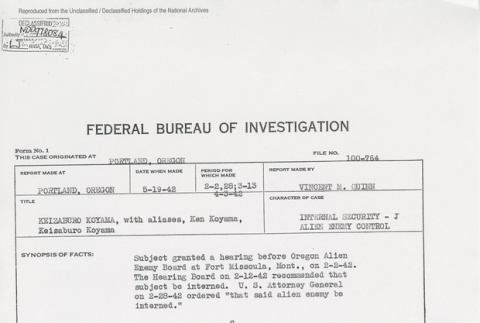
Photocopy of a declassified file on Keizaburo Koyama by the Federal Bureau of Investigation. The document speaks on Koyama's hearing at Fort Missoula, Montana and being found to be an enemy alien. The decision was based largely on Koyama having a subscription to the magazine put out by the Sokoku Kai. The panel felt that his …
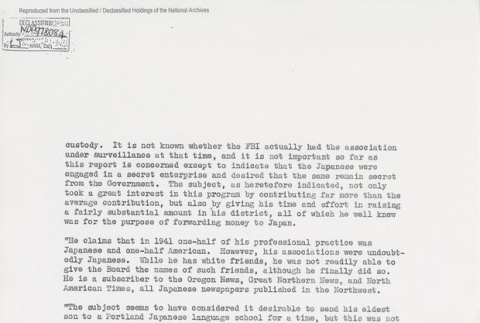
Photocopy of a declassified file on Keizaburo Koyama by the Federal Bureau of Investigation. The report notes that cannot verify if the FBI actually had the Japanese Association under surveillance, but the secretive activities of the group warranted greater scrutiny. The FBI does not find Koyama to be a Japanese leader, but his continued financial support …
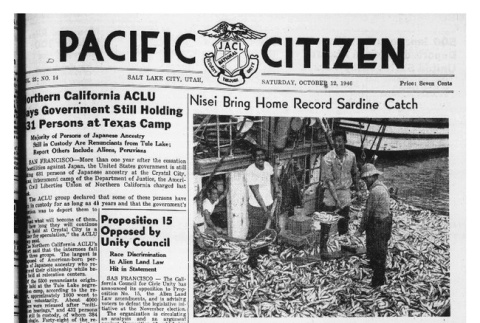
Selected article titles: "Northern California ACLU Says Government Still Holding 631 Persons at Texas Camp" (p. 1), "Protest Restrictive Covenants At West Los Angeles Meeting. Civil Rights Groups Support Right of Japanese American Family to Occupy New Home" (p. 1), "500 Japanese Canadians Deported to Japan Aboard United States Army Vessel" (p. 2), "Federal Judge Raps …
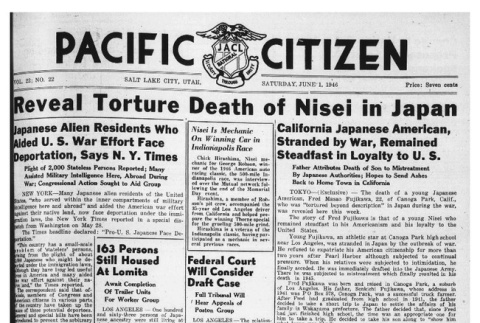
Selected article titles: "Reveal Torture Death of Nisei in Japan. California Japanese American, Stranded by War, Remained Steadfast in Loyalty to U.S." (p. 1), "Japanese Alien Residents Who Aided U.S. War Effort Face Deportation, Says N.Y. Times" (p. 1), "Federal Court Will Consider Draft Case. Fall Tribunal Will Hear Appeals of Poston Group" (p. 1), "Ask …
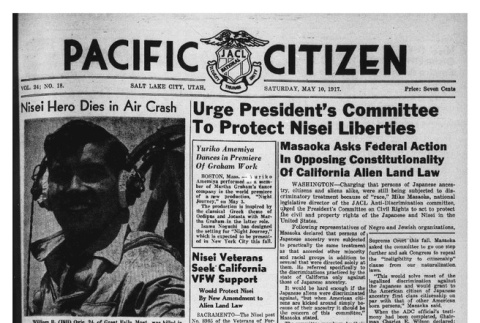
Selected article titles: "Urge President's Committee to Protect Nisei Liberties. Masaoka Asks Federal Action In Opposing Constitutionality of California Alien Land Law" (p. 1), "U.S. Authorities in Japan Process Requests of Stranded Nisei to Return to America" (p. 1), "JACL Official Will Testify Against Alien Land Law Fund" (p. 1), "Dispel Rumors of Anti-Evacuee Antagonism in …