
10000 items





10000 items

img
Dedication of donation of light fixtures (ddr-densho-1007-474)
Negative. From a Harry Fukuhara sheet. Lights donated to city schools by the Japanese Association of Auburn. Inscription on front. Duplicate of ddr-densho-1007-369.

img
Tak, George Hata, and one other (ddr-densho-1007-505)
Slide. Described by ddr-densho-1007-507. The soldier on the left is likely George Hata. No information is provided about Tak beyond a first name.

doc
Memo regarding Child Health Conferences (ddr-densho-356-906)
Memo from Ruth E. Hudson to the Welfare Department regarding Child Health Conferences. Item stapled together with ddr-densho-356-887, 890, 902, 906 and 907.
av
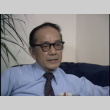
Interview with Don Oka, Steve Yagi, and Shigeo Ito, part 5 of 8 (ddr-densho-1007-1774)
Continued from ddr.densho.org/ddr-densho-1007-1620/. Oka is on the left, Yagi in the center, and Ito on the right. Ito discusses the deaths of two Nisei on his team and the fear of being mistaken for a Japanese soldier. Oka discusses being interviewed for military intelligence at Camp Carson in Colorado, being treated differently than Caucasian soldiers, …
av
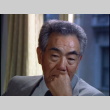
Interview with Clarence Matsumura, part 3 of 5 (ddr-densho-1007-1771)
Continued from ddr.densho.org/ddr-densho-1007-1609/. Matsumura discusses the impact of growing up in a small town in Wyoming (particularly the lack of discrimination), the discrimination he faced in Heart Mountain, the movie theaters he ran at Heart Mountain, the extracurricular programs he helped run in camp, going to school, volunteering for the military from school, his time …
av
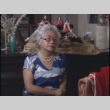
Interview with Yukio Kawamoto, part 7 of 8 (ddr-densho-1007-1551)
Kawamoto discusses the evacuation order, his parents' time in camp, interrogating Japanese soldiers, and an encounter with an American soldier who mistook him for a Japanese national. Video starts at 0:54. Loni Ding can be heard asking questions behind the camera. Original title: 51, II NY #35, 6-85, Kawamoto. Interview continues at ddr.densho.org/ddr-densho-1007-1552/
av
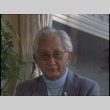
Interview with Kazuko Iijima, part 3 of 4 (ddr-densho-1007-1533)
Iijima discusses the 442nd, mentions volunteers from Topaz and Fred Korematsu. Also discusses her husband, who she married in camp and who later joined the 442nd. Video starts at 0:56. Loni Ding can be heard asking questions behind the camera. Original title: 38, II NY #17, 6-85, Kazuko Iijima. Interview continues at ddr.densho.org/ddr-densho-1007-1534/
av
Interview with Harry Fukuhara, part 4 of 5 (ddr-densho-1007-1700)
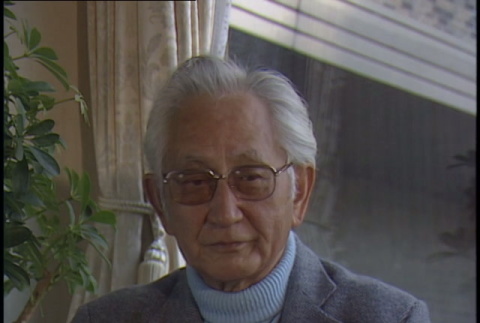
Fukuhara discusses the possibility of meeting his brother (who was in the Japanese army) on the battlefield, the mental struggles soldiers faced in Japan, and his thoughts on draft resisters. Loni Ding can be heard asking questions behind the camera. Original title: 215, II JA #39, Harry Fukuhara, Sun. Feb. 2. Interview continues at ddr.densho.org/ddr-densho-1007-1701/
av
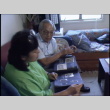
Interview with Sho Nomura, part 5 of 6 (ddr-densho-1007-1614)
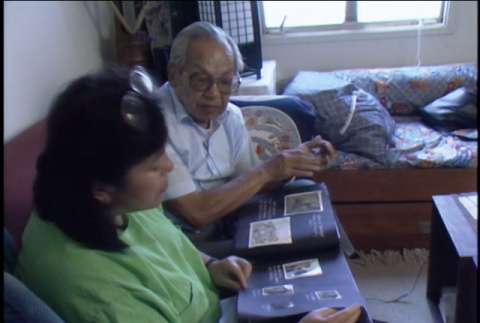
Nomura and Loni Ding look through a photo album of his, with several photos from his service in China. Nomura recounts several stories relating to the documents and photos in the album. Video starts at 0:22. Original title: II LA #44, 7-25-85, Sho Nomura Interview V. Interview continues at ddr.densho.org/ddr-densho-1007-1615/
av
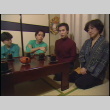
Interview with Akiko, Brian Yamakoshi, Kenny and Chizuko, part 3 of 4 (ddr-densho-1007-1719)
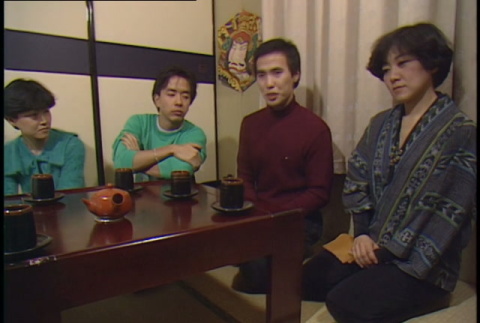
Akiko, a Japanese national, discusses her time in the US, meeting a Nisei couple from Watsonville, CA, being a minority in the US, the differences between Japanese Americans and Japanese nationals, and racial discrimination in the US. Original title: 226, II JA #58, Brian Yamakoshi, Fri. Feb. 7. Interview continues at ddr.densho.org/ddr-densho-1007-1720/
av
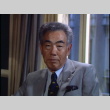
Interview with Yukio Kawamoto, part 6 of 8 (ddr-densho-1007-1550)
Kawamoto discusses post-war occupation of Japan, work with the military tribunal & ATIS, working for the US government at home, and the decision to volunteer. Video starts at 0:50. Loni Ding can be heard asking questions behind the camera. Original title: II NY #34, 6-85, Kawamoto.. Interview continues at ddr.densho.org/ddr-densho-1007-1551/
av
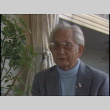
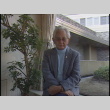
Interview with Harry Fukuhara, part 1 of 5 (ddr-densho-1007-1697)
Fukuhara discusses his service in the Pacific theater, working with ATIS, and his first landing. Loni Ding can be heard asking questions behind the camera. Last few seconds are an accidental recording from the Kiyofumi Kojima interview. Original title: 212, II JA #36, Harry Fukuhara, Sun. Feb. 2. Interview continues at ddr.densho.org/ddr-densho-1007-1698/
av
Interview with Harry Fukuhara, part 2 of 5 (ddr-densho-1007-1698)
Fukuhara discusses his service in the Pacific, being mistaken for a Japanese soldier, interviewing a gravely wounded prisoner of war, and POWs he interviewed just before their death. Loni Ding can be heard asking questions behind the camera. Original title: 213, II JA #37, Harry Fukuhara, Sun. Feb. 2. Interview continues at ddr.densho.org/ddr-densho-1007-1699/
av
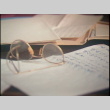
Pre-war house footage, part 6 of 8 (ddr-densho-1007-1738)
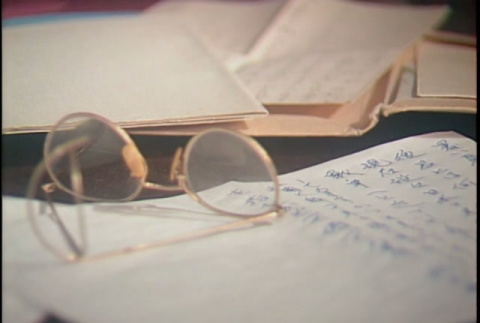
B-roll: books, letters, photographs, exterior. At 10:45, footage of Rudy Tokiwa showing a grain of rice he's kept for luck since the start of the war. After interview, b-roll of a US military service banner. Original title: 81B, II TB-6, Reel #6, 6/27/87. Footage continues at ddr.densho.org/ddr-densho-1007-1739/
av
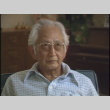
Interview with Harry Fukuhara, part 4 of 6 (ddr-densho-1007-1635)
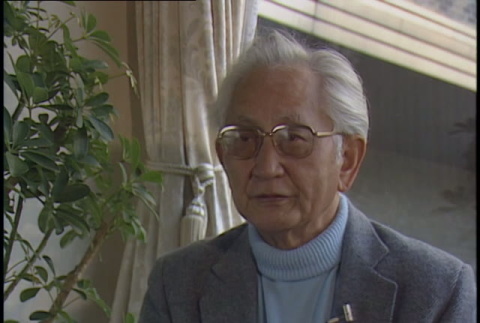
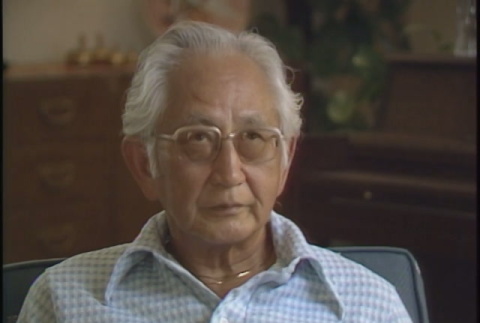
Fukuhara discusses the danger of being mistaken for a Japanese soldier and his experiences interrogating Japanese prisoners of war. Video starts at 0:49. Loni Ding can be heard asking questions behind the camera. Original title: 120, II SJ #26, 8-17-85, Fukuhara, Harry's house, 8/17/18, reel #26. Interview continues at ddr.densho.org/ddr-densho-1007-1636/
av
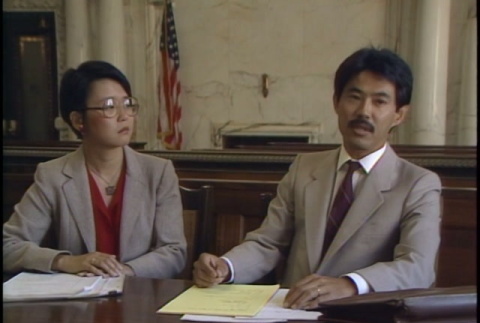
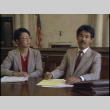
San Francisco Courthouse footage, part 5 of 10; interview with Dale Minami and Karen Kai, part 1 of 5 (ddr-densho-1007-1626)
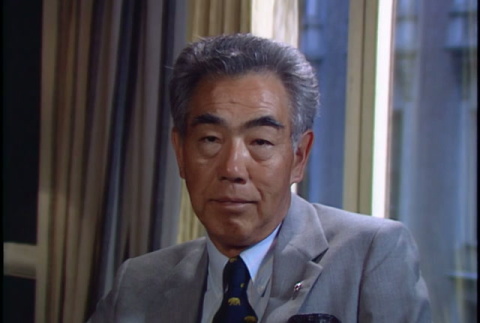
B-roll and footage of a monologue by Sansei lawyer Dale Minami about the history of the Superior Court of San Francisco given in a courthouse room. Loni asks additional interview questions starting at 12:45. Original title: 105, II SF CT #5, 8-9-85, SF Court. Interview continues at ddr.densho.org/ddr-densho-1007-1627/
av
Interview with Kazuko Iijima, part 2 of 4 (ddr-densho-1007-1532)
Iijima discusses her parents and siblings, their expectations, growing up poor in Oakland, and discrimination. Particular emphasis on her mother, who died when Kazuko was young. Video starts at 0:56. Loni Ding can be heard asking questions behind the camera. Original title: 37, II NY #16, 6-85, Kazuko Iijima. Interview continues at ddr.densho.org/ddr-densho-1007-1533/

av
B-roll and interview with John Aiso, part 1 of 5 (ddr-densho-1007-1574)
Aiso discusses the creation of the Military Intelligence Service Language School and the first students. Video starts at 0:33. Loni Ding can be heard asking questions behind the camera. Original title: 71, II LA #1, 7-23-85, Judge Aiso I, Lobbt est. shots Security Pacific, beginning of law library. Interview continues at ddr.densho.org/ddr-densho-1007-1575/
av
Interview with Chris Ishii, part 6 of 7 (ddr-densho-1007-1560)
Ishii discusses a poster he made during service in China, racial discrimination in the US, meeting and marrying his wife, and his father's death. Video starts at 0:50. Loni Ding can be heard asking questions behind the camera. Original title: 59, II NY #44, 6-85, Ishii. Interview continues at ddr.densho.org/ddr-densho-1007-1561/
av
Interview with Hideko Seo, part 3 of 4 (ddr-densho-1007-1537)
Hideko Seo talks about her life during the war, her brother's feelings about service, and seeing her brother in New York before he was sent overseas. Video starts at 0:52. Loni Ding can be heard asking questions behind the camera. Original title: 41, II NY #21, 6-85, Hideko Seo. Interview continues at ddr.densho.org/ddr-densho-1007-1538/

av
Tanaka family b-roll, part 6 of 7 (ddr-densho-1007-1645)
Stills from photo albums of the Tanaka family. Linked to Walter Tanaka, who was interviewed for The Color of Honor. Video starts at 0:45. Loni Ding can be heard narrating the photos and directing the camera. Original title: 130, II SJ #37, 8-18-85, Tanaka Album. B-roll continues at ddr.densho.org/ddr-densho-1007-1646/
av
Interview with Shigeo Yamada, part 1 of 3 (ddr-densho-1007-1707)
Yamada discusses attending Keio University, being drafted into the Japanese navy, serving on the cruiser Yahagi, a "suicide mission" to occupied Okinawa, and learning Japanese in America as a child. Loni Ding can be heard asking questions behind the camera. Original title: II JA #46, Shigeo Yamada, Sun. Feb. 2. Interview continues at ddr.densho.org/ddr-densho-1007-1708/

av
Tanaka family b-roll, part 5 of 7 (ddr-densho-1007-1644)
Stills from photo albums of the Tanaka family. Linked to Walter Tanaka, who was interviewed for The Color of Honor. Audio starts at 1:06; Loni Ding can be heard narrating the photos and directing the camera. Original title: 129, II SJ #36, 8-18-85, Tanaka Album. B-roll continues at ddr.densho.org/ddr-densho-1007-1645/
av
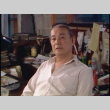
Interview with Chris Ishii, part 3 of 7 (ddr-densho-1007-1557)
Ishii discusses his parents (who immigrated from Shikoku), their internment in Rohwer, his father's death in camp, and his difficulty communicating with his parents. Video starts at 0:53. Loni Ding can be heard asking questions behind the camera. Original title: 56, II NY #41, 6-85, Ishii. Interview continues at ddr.densho.org/ddr-densho-1007-1558/
av
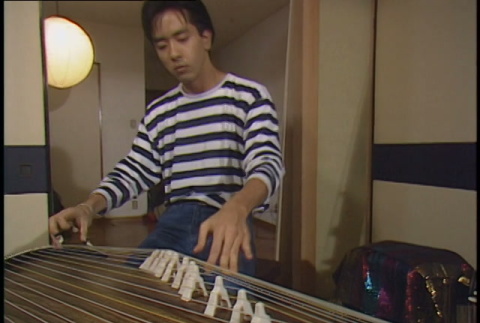
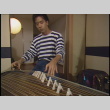
Taiko performance, part 2 of 2; exterior Tokyo footage; Brian Yamakoshi koto setup and performance, part 1 of 2 (ddr-densho-1007-1724)
Kenny and Chizuko (last names unknown) are the taiko performers. Exterior footage filmed from a car at night. Taiko tuning and performance starts at 4:45 and runs through end of tape. Original title: 231, II JA #63, 3D taiko (end only), Koto Performance (Yamakoshi), Feb. 7, 1986. Koto performance continues at ddr.densho.org/ddr-densho-1007-1716/