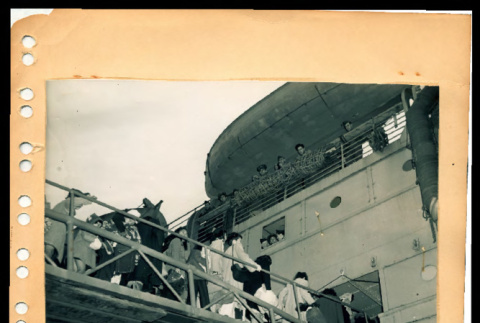
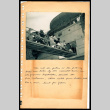
Scrapbook page containing a black and white photograph of Japanese internees boarding the steam liner, Matsonian, about to be repatriated to Japan. From the Mary F. Clark scrapbook, "Before I Forget, 1942-1947," page 134. See also sac_jaac_1334 through sac_jaac_1529. See this object in the California State Universities Japanese American Digitization project site: sac_jaac_1497
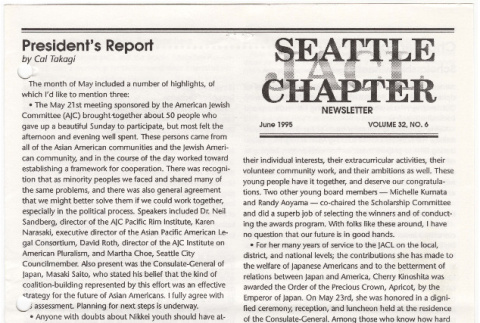
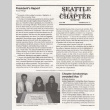
Newsletter covering the following topics: 50 People attend Asian American/Jewish American conference; Cherry Kinoshita awarded the Order of the Precious Crown, Apricot, by the Emperor of Japan; scholarship awardees, Akemi Tanemura (Seattle Chapter JACL Scholarship), Jonathan Matsui (Tamesa), and Dawn Hewitt (Tazuma); Seattle JACL and Seattle Education Association offers one day workshop on ?Japanese American Internment?A …
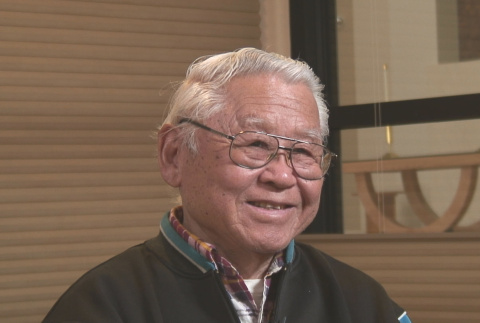
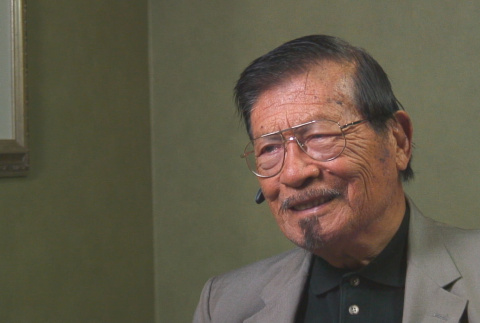
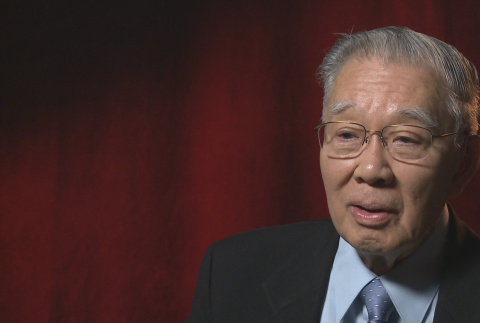
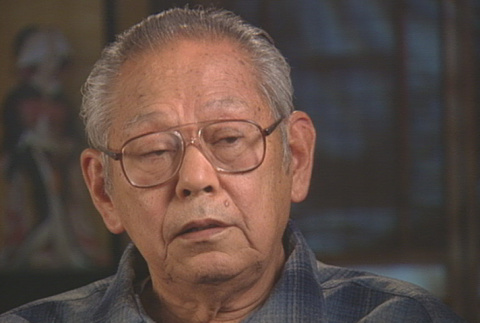
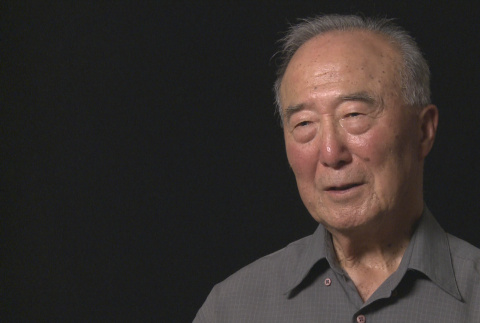
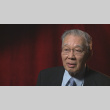
Nisei male. Born May 7, 1918, in Villa Park, California. Grew up on Terminal Island, California, where father was a fisherman. During World War II, removed to the Tulare Assembly Center, California, and the Gila River concentration camp, Arizona. After leaving camp, relocated to Detroit, Michigan, before being drafted into the Military Intelligence Service. Served in …
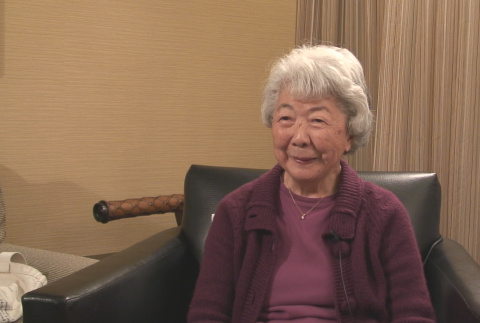
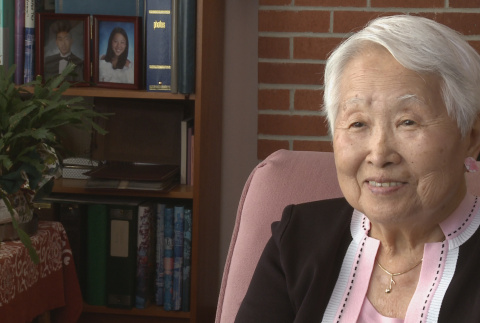
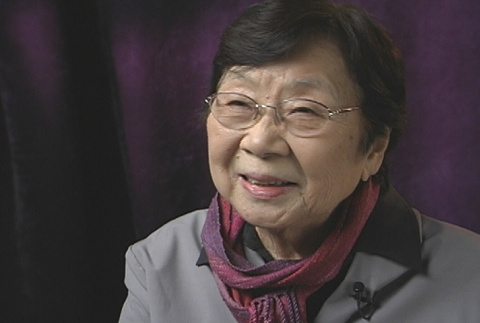
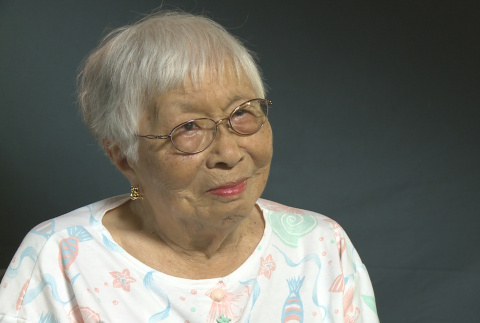
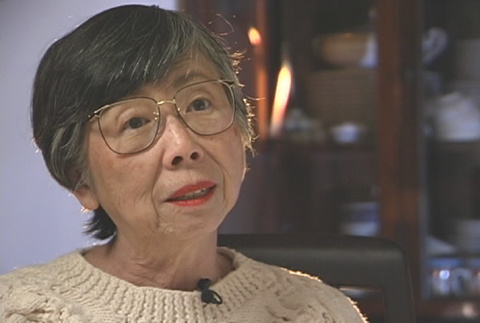
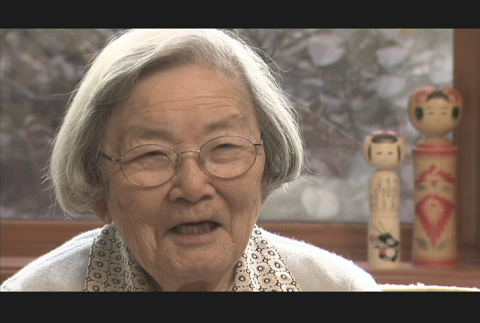
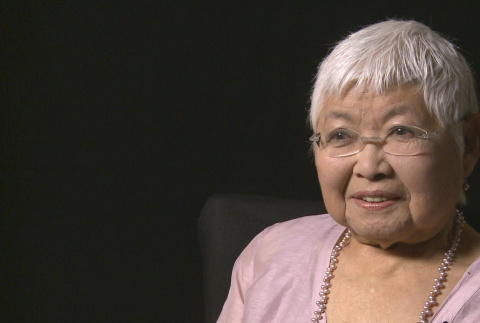
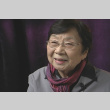
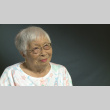
Nisei female. Born 1923 in Seattle, Washington. Grew up in Seattle where parents operated a hotel. During World War II, removed to the Puyallup Assembly Center, Washington, and the Minidoka concentration camp, Idaho. Left camp to live and work in New York, then worked for several years in Japan for the U.S. occupation forces. Returned to …
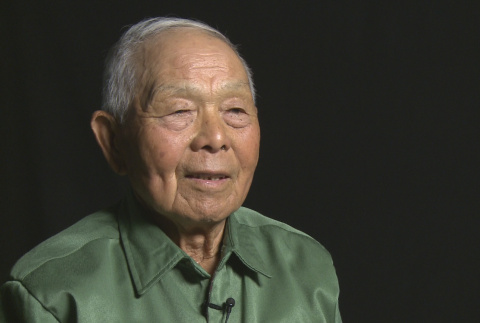
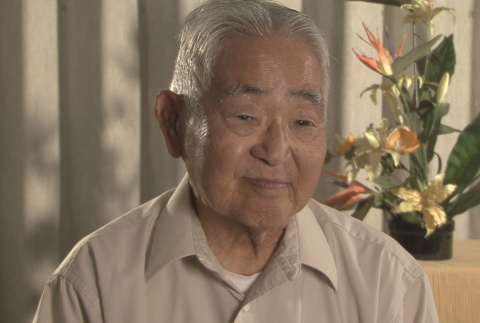
Nisei male. Born July 19, 1925, in Redwood City California. Grew up in San Jose, California. During World War II, removed to the Santa Anita Assembly Center, California, and the Heart Mountain concentration camp, Wyoming. Served in the military in the U.S. Counterintelligence Corps during the war in Japan. After the war, worked as a journalist, …
Nisei female. Born February 27, 1918, in Oakland, California. Grew up in Oakland before being removed to the Tanforan Assembly Center, California, and the Topaz concentration camp, Utah. In Topaz, worked for the War Relocation Authority in the Central Statistics Division. Husband served in the OSS, the Office of Strategic Services. Lived in Japan during the …
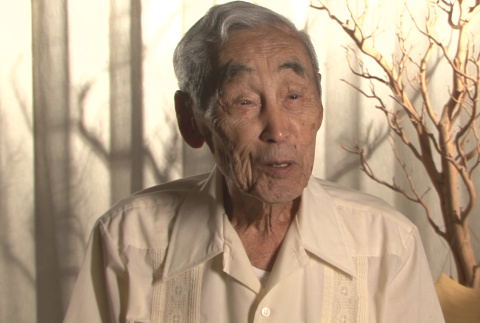
Nisei male. Born April 23, 1922, in Watsonville, California. Grew up in Watsonville until age six, then family moved to Salinas. Following the bombing of Pearl Harbor, removed to Salinas Assembly Center, California, and the Poston concentration camp, Arizona. After leaving camp, lived and worked in Utah for a time before serving in Japan in the …
Nisei male. Born February 25, 1921, in Bellevue, Washington. Grew up in Bellevue, where parents operated a farm. During World War II, removed to the Pinedale Assembly Center and Tule Lake concentration camp, California. While in camp, obtained temporary leave to work for a railroad company. Volunteered for the military, and served with the Military Intelligence …
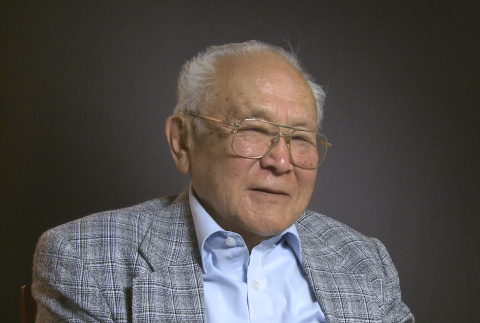
Nisei male. Born September 19, 1922, in Sheridan, Wyoming. At a young age, moved to Seattle, Washington, and spent most of childhood there. Was enrolled at the University of Washington when Japan bombed Pearl Harbor on December 7, 1941. Removed to the Puyallup Assembly Center, Washington, before returning with family to Sheridan. Attended the University of …
Nisei female. Born March 14, 1916, in Seattle, Washington. Grew up in Seattle and Ellensburg, Washington, before going to Japan to teach just prior to the onset of World War II. Returned to Seattle in 1941, and was removed with family to Puyallup Assembly Center, Washington, and Minidoka concentration camp, Idaho. After the war, resettled in …
Nisei female. Born September 3, 1911, in Pasadena, California. Grew up in Los Angeles where father operated a successful import/export business with retail stores. Graduated from UCLA, then lived and worked in Japan for a few years. Was married and living in Hawaii in 1941. Witnessed Japanese bomber planes overhead from home in Pearl City on …
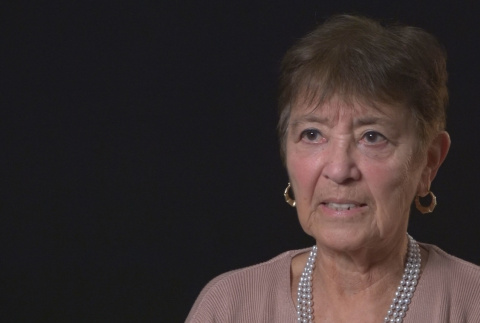
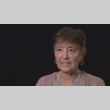
Born December 8, 1934, in Pittsburgh, Pennsylvania. Born to a father from Japan and mother from the Austria-Hungary region. Grew up in Pennsylvania during World War II, where family was monitored by the FBI. Attended Pembroke College and then worked for the federal government's Department of Education, then as an administrator in the education field. Volunteered …
Sansei female. (Mother and father born in Hawaii.) Born February 1925 in Peru. Spent prewar childhood in Peru and Hawaii. Father picked up by the FBI and detained after bombing of Pearl Harbor. Was incarcerated at Jerome concentration camp, Arkansas, and Tule Lake concentration camp, California. Renounced citizenship in order to stay with parents, and was …
Nisei male. Born June 21, 1919, in Stockton, California. During World War II, served with the Military Intelligence Service in Japan.
(This material is based upon work assisted by a grant from the Department of the Interior, National Park Service. Any opinions, finding, and conclusions or recommendations expressed in this material are those of the author(s) …
Nisei female. Born January 21, 1911, in Winslow, Washington. Grew up in Japan and the Fletcher's Bay area of Bainbridge Island, Washington. Member of the first group of Japanese Americans to be forcibly removed from their homes and incarcerated. Incarcerated at Manzanar concentration camp, California, and Minidoka concentration camp, Idaho, while pregnant and caring for two …
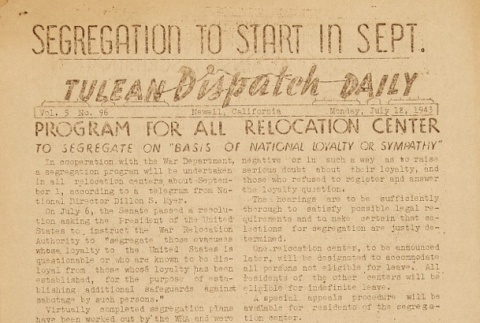
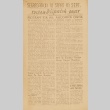
Selected article titles: "Program For All Relocation Center: To Segregate on 'Basis of National Loyalty Or Sympathy'" (p. 1), "Japan Sends Exchange List; To Post Names" (p. 1), "CIO to Contact Former Nisei Union Member" (p. 1), "Civil Exams Are Given" (p. 1), "A Story Worth Telling: Truck Driver Wins Fight Against Discrimination" (p. 2), "Sakoda …
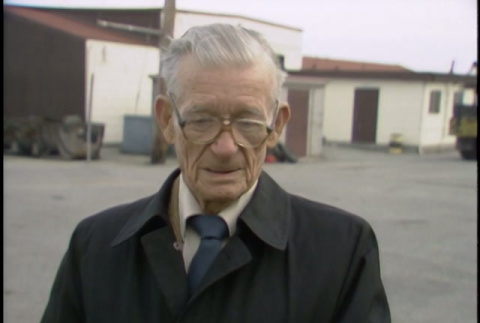
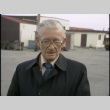
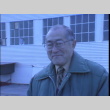
Burden and Kihara discuss Burden's childhood in Japan, his service in Southeast Asia with the 37th Division, leading the first Nisei soldiers into battle at Guadalcanal, the early days of the Military Intelligence Service Language School, Video starts at 0:43. Original title: 138, II B/K #1, Burden/Kihara, Cressey Field, 12/18/85. Conversation continues at ddr.densho.org/ddr-densho-1007-1654/
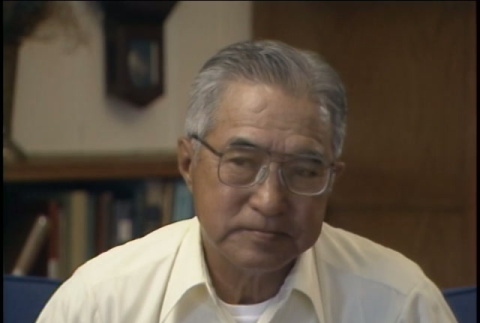
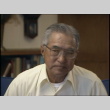
Tokuno discusses his work in the land reform program in occupied Japan, his lifelong interest in Japanese agriculture, his relationship with Mr. Matsumoto (a high-ranking Japanese official working in agriculture), California's water distribution system, and what the US could learn from Japanese agriculture. Loni Ding can be heard asking questions behind the camera. Original title: II …
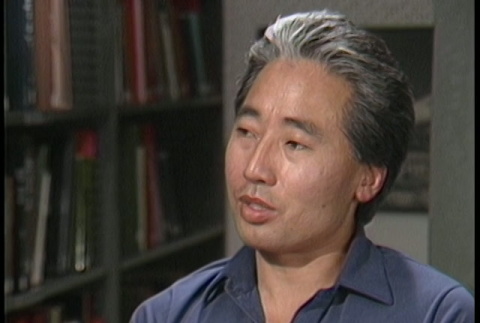
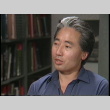
Gary discusses the decision the DB Boys made to refuse to serve, the decision to intern the Japanese American population, the importance of the Kibei to the DB Boys, his experience in Japan and his connection to his heritage, and his father's court martial. Loni Ding can be heard asking questions behind the camera. Original title: …
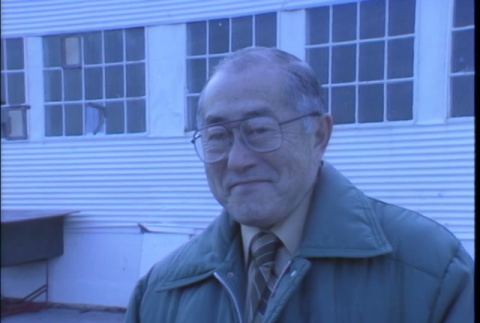
Burden and Kihara discuss their service in the Pacific theater, Kihara's time in Japan after college, Kihara's time teaching at the Military Language Service Language School, and Kihara's father's thoughts on his joining the military. Original title: 139, II B/K #2, Burden/Kihara, Cressey Field, 12/15/85, needs color correction. Conversation continues at ddr.densho.org/ddr-densho-1007-1785/
This material is based upon work assisted by a grant from the Department of the Interior, National Park Service. Any opinions, finding, and conclusions or recommendations expressed in this material are those of the author(s) and do not necessarily reflect the views of the Department of the Interior.
This material is based upon work assisted by a grant from the Department of the Interior, National Park Service. Any opinions, finding, and conclusions or recommendations expressed in this material are those of the author(s) and do not necessarily reflect the views of the Department of the Interior.
This material is based upon work assisted by a grant from the Department of the Interior, National Park Service. Any opinions, finding, and conclusions or recommendations expressed in this material are those of the author(s) and do not necessarily reflect the views of the Department of the Interior.
This material is based upon work assisted by a grant from the Department of the Interior, National Park Service. Any opinions, finding, and conclusions or recommendations expressed in this material are those of the author(s) and do not necessarily reflect the views of the Department of the Interior.
This material is based upon work assisted by a grant from the Department of the Interior, National Park Service. Any opinions, finding, and conclusions or recommendations expressed in this material are those of the author(s) and do not necessarily reflect the views of the Department of the Interior.