Concentration camps

The War Relocation Authority (WRA) oversaw construction of ten concentration camps in sparsely populated and isolated areas. Between June and October 1942, Japanese Americans were transferred from the "assembly centers" to the larger camps. Housing approximately 120,000 people, the camps were designed to be self-contained communities, complete with hospitals, post offices, schools, warehouses, and residential areas. The WRA attempted to establish normalcy by setting up newspapers, a degree of self-government, sports leagues, and social events. But confinement, monotony, and harsh conditions exacerbated tensions between pro- and anti-camp administration residents and between the disempowered Issei and their U.S.-born Nisei children. At several centers, conflicts erupted into violence and at the Manzanar concentration camp the unrest resulted in fatal shootings. The WRA gradually granted work and school leave to those they considered "loyal." The last camp closed in March 1946.

World War II (277)
Concentration camps (1771)

Related articles from the Densho Encyclopedia :
Concentration Camps, U.S.A. (book), Gila River, Heart Mountain, Jerome, Manzanar, Minidoka, Poston (Colorado River), Psychological effects of camp, Rohwer, Sites of incarceration, Topaz, Tule Lake
Facilities
Format
Genre
Usage

Use <Ctrl> or (⌘) keys to select multiple terms

1771 items
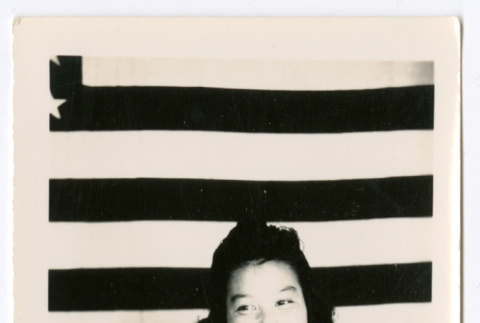
Woman (ddr-densho-475-191)
img Woman (ddr-densho-475-191)
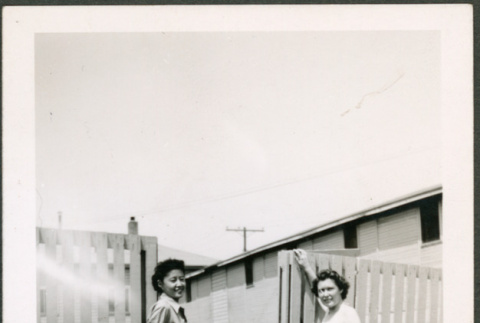
Black and white photograph of an unidentified woman smiling with an American flag on the wall behind her.
Garden gazebo (ddr-densho-475-280)
img Garden gazebo (ddr-densho-475-280)
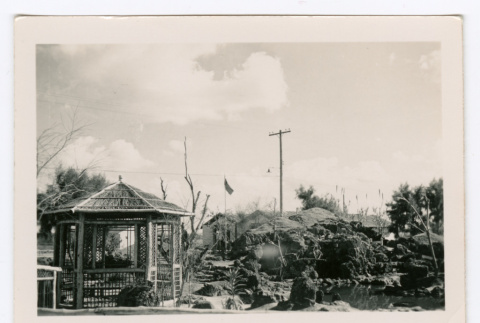
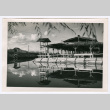
Black and white photograph of the gazebo in the small Japanese garden at Poston concentration camp.
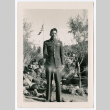
Soldier in garden (ddr-densho-475-192)
img Soldier in garden (ddr-densho-475-192)
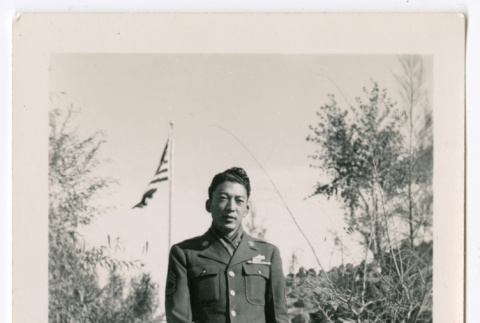
Black and white photograph of an unidentified man in a US military uniform in a garden with an American flag in the background. His right arm has been partly amputated so the right sleeve is pinned up.
Group camp photo (ddr-densho-475-765)
img Group camp photo (ddr-densho-475-765)
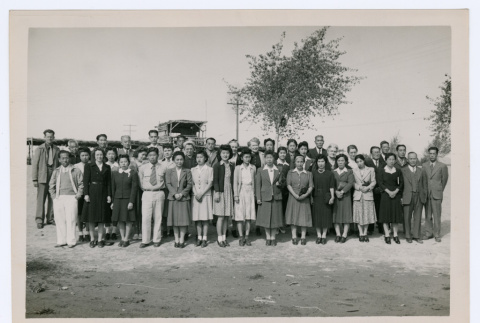
Black and white photograph of a large group at Poston.
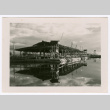
Poston canal with lifeguard tower (ddr-densho-475-31)
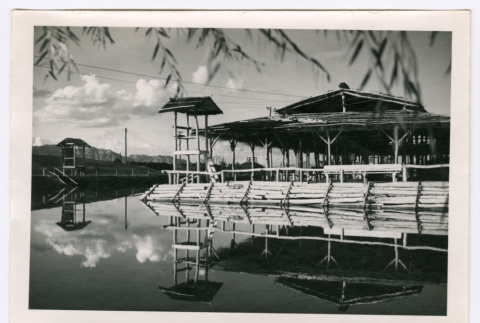
img Poston canal with lifeguard tower (ddr-densho-475-31)
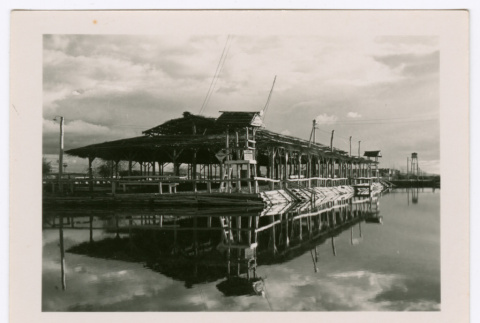
Black and white photograph of Poston canal with dock/staging area and lifeguard tower. (related object: ddr-densho-475-235)
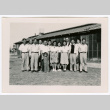
Group of 14 (ddr-densho-475-185)
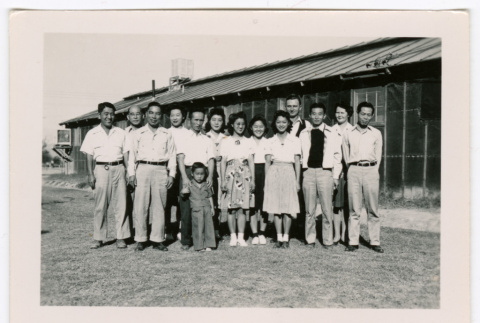
img Group of 14 (ddr-densho-475-185)
Black and white photograph of fourteen unidentified people posed in front of a barrack.
Poston Japanese garden with water feature and gazebo (ddr-densho-475-28)
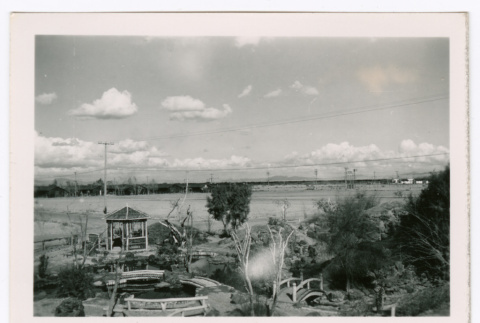
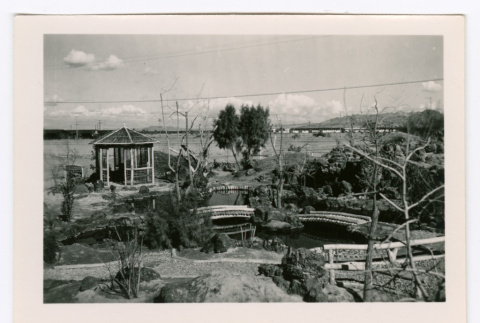
img Poston Japanese garden with water feature and gazebo (ddr-densho-475-28)
Black and white photograph of a small Japanese garden at Poston concentration camp that features a bridge, pond, and gazebo.
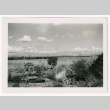
Japanese garden and landscape (ddr-densho-475-301)
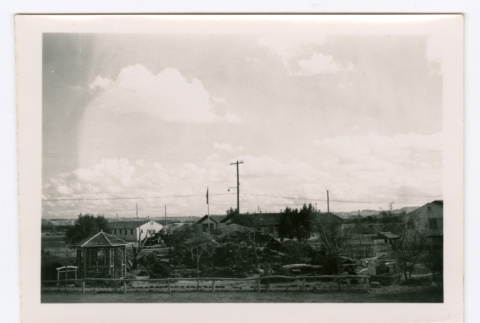
img Japanese garden and landscape (ddr-densho-475-301)
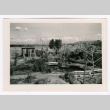
Black and white photograph of Japanese garden with gazebo at Poston concentration camp, buildings, and skyline.
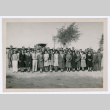
Large group of young adults (ddr-densho-475-195)
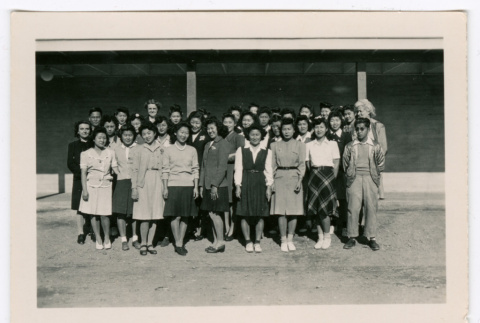
img Large group of young adults (ddr-densho-475-195)
Black and white photograph of an unidentified large group posing for a photo.
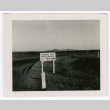
Colorado River Relocation Center road sign (ddr-densho-475-341)
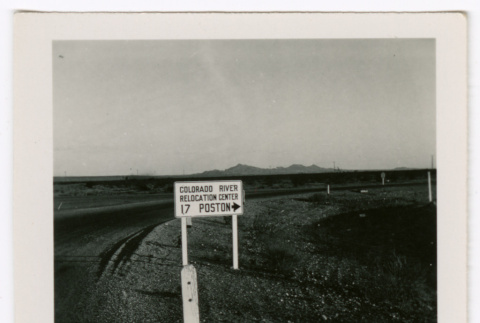
img Colorado River Relocation Center road sign (ddr-densho-475-341)
Black and white photograph of a sign on a road that reads: "Colorado River Relocation Center 17 Poston"
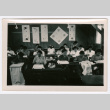
Embroidery class (ddr-densho-475-47)
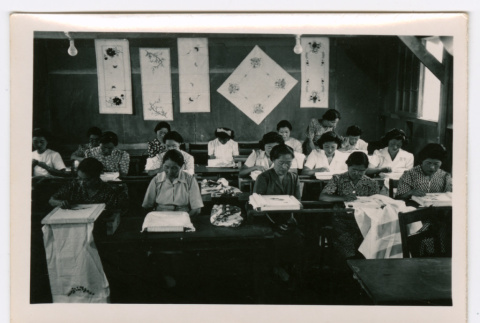
img Embroidery class (ddr-densho-475-47)
Black and white photograph of a classroom of women participating in an embroidery class at Poston internment camp. All the women are working on projects and five cloths of varying sizes with embroidered flowers hang on the wall in the back.
Poston canal and dock (ddr-densho-475-26)
img Poston canal and dock (ddr-densho-475-26)
Black and white photograph of a Poston canal with a dock (related object: ddr-densho-475-230)
Garden with gazebo (ddr-densho-475-277)
img Garden with gazebo (ddr-densho-475-277)
Black and white photograph of a small Japanese garden at Poston concentration camp that features a bridge, pond, and gazebo
Letter from Tomoye to Henri Takahashi (ddr-densho-410-107)
doc Letter from Tomoye to Henri Takahashi (ddr-densho-410-107)
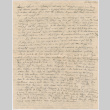
Concerning a woman who cheated her father out of some money, and how daughter Martha (nicknamed Pinkie) is doing.
Bitter Memories: Tule Lake (ddr-densho-1024-12)
av Bitter Memories: Tule Lake (ddr-densho-1024-12)
Early film that provides an overview of the wartime forced removal and incarceration of Japanese Americans on the West Coast produced by the University of California, Berkeley in 1975. Bitter Memory tells the story through narration and interviews with former inmates accompanied by archival footage from Office of War Information/War Relocation Authority (WRA) films and WRA …
Stand Up For Justice (ddr-densho-1024-86)
av Stand Up For Justice (ddr-densho-1024-86)
A collaboration of VC and National Coalition for Redress and Reparations (now Nikkei for Civil Rights & Redress), funded by grants from the Civil Liberties Public Education Fund and the California Civil Liberties Public Education Program, this narrative drama and accompanying curriculum guide were produced following more than 5 years of extensive research and interviews with …
I Told You So (ddr-densho-1024-1)
av I Told You So (ddr-densho-1024-1)
Poet Lawson Inada shows how growing up in Fresno, California influenced his writing. He visits Tule Lake, the largest of the American concentration camps, where Japanese Americans, two-thirds of whom were American citizens, were imprisoned during World War II. See this item in the Densho Resource Guide at: I Told You So. See this item …
Memories of Tule Lake Internment Camp (ddr-densho-1024-85)
av Memories of Tule Lake Internment Camp (ddr-densho-1024-85)
Mitsuko Nagell talks with Frank Iwasaki about his experiences during WWII at Tule Lake concentration camp. Digital Histories is a mechanism for AAPNHPI older adults to use their unique voices and perspectives in sharing stories with the generations to come. Since its creation in 2003, Digital Histories has provided a professional and artistic work environment for …
Voices Behind Barbed Wire (Hawai'i Island Version) (ddr-densho-1024-42)
av Voices Behind Barbed Wire (Hawai'i Island Version) (ddr-densho-1024-42)
Short film that tells the story of Japanese Americans on Big Island of Hawai'i who were interned during World War II using a combination of contemporary interviews, historical photographs and footage, and historical reenactments. It is one of a series of four films produced by the Japanese Cultural Center of Hawai'i about the internment experience in …
Voices Behind Barbed Wire (O'ahu Version) (ddr-densho-1024-43)
av Voices Behind Barbed Wire (O'ahu Version) (ddr-densho-1024-43)
Short film that tells the story of Japanese Americans on O'ahu who were interned during World War II using a combination of contemporary interviews, historical photographs and footage, and historical reenactments. It is one of a series of four films produced by the Japanese Cultural Center of Hawai'i about the internment experience in each of the …
Lessons in Loyalty: One American's Internment Camp Experience (ddr-densho-1024-13)
av Lessons in Loyalty: One American's Internment Camp Experience (ddr-densho-1024-13)
Documentary film that profiles Masaji "Mas" Inoshita, a Nisei who was forcibly removed and incarcerated with his family at the Gila River , Arizona, camp during World War II and who subsequently served with the 442nd Regimental Combat Team . Lessons in Loyalty is built around interviews with Inoshita and also includes scenes of him visiting …
API