Responses of non-Japanese Americans

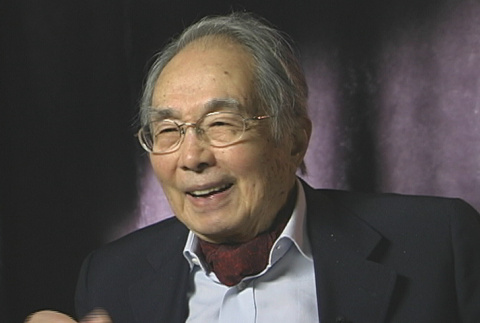
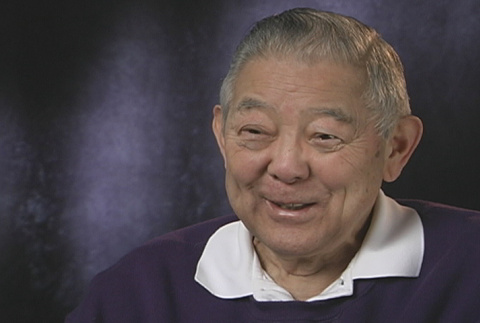
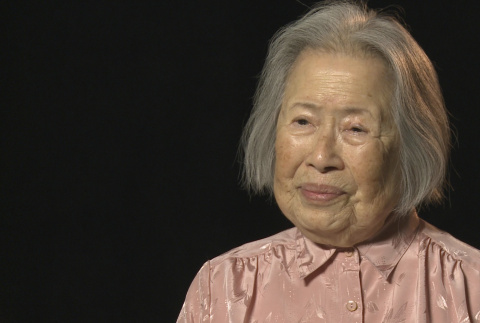
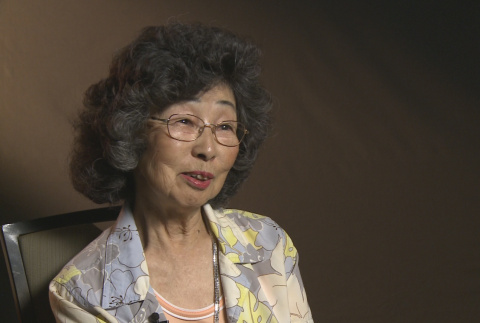
The reactions of non-Japanese friends, neighbors and classmates were mixed. Some turned their heads and refused to recognize their former friends. Others believed the government propaganda and became outright hostile. Still others helped their Japanese American neighbors by storing belongings and driving them to the places where they were to be picked up. Perhaps only a handful of people understood the true implications of the course of events.

World War II (283)
Pearl Harbor and aftermath (299)
Responses of non-Japanese Americans (185)

Related articles from the Densho Encyclopedia :
Asian American response to incarceration, Jewish response to incarceration
Facilities
Format
Genre
Usage

Use <Ctrl> or (⌘) keys to select multiple terms

185 items
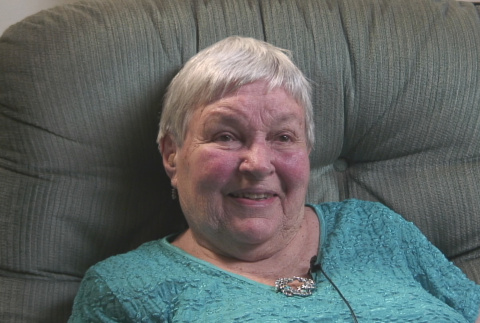
Martha Shoaf Interview Segment 2 (ddr-manz-1-9-2)
vh Martha Shoaf Interview Segment 2 (ddr-manz-1-9-2)
Losing Japanese American friends during mass removal: "There was kind of a void there"
Rose Tanaka Interview Segment 11 (ddr-manz-1-145-11)
vh Rose Tanaka Interview Segment 11 (ddr-manz-1-145-11)
Hearing about the bombing of Pearl Harbor, support from a family friend, a retired military officer
Bo T. Sakaguchi Interview Segment 2 (ddr-manz-1-8-2)
vh Bo T. Sakaguchi Interview Segment 2 (ddr-manz-1-8-2)
Hearing about the bombing of Pearl Harbor, having the support of a schoolteacher
Ben Chikaraishi Interview Segment 3 (ddr-chi-1-11-3)
vh Ben Chikaraishi Interview Segment 3 (ddr-chi-1-11-3)
Hearing about the bombing of Pearl Harbor, father's arrest by the FBI
Takashi Matsui Interview Segment 7 (ddr-densho-1008-4-7)
vh Takashi Matsui Interview Segment 7 (ddr-densho-1008-4-7)
Going to school on December 8th, reactions of other students

Members of the National Japanese American Historical Society (NJAHS) arranged for and conducted this interview in conjunction with Densho.

Yoshimi Matsuura Interview Segment 11 (ddr-densho-1014-6-11)
vh Yoshimi Matsuura Interview Segment 11 (ddr-densho-1014-6-11)
Hearing about the bombing of Pearl Harbor: changed relationships with friends
Norman I. Hirose Interview Segment 11 (ddr-densho-1013-7-11)
vh Norman I. Hirose Interview Segment 11 (ddr-densho-1013-7-11)
Going to school the day after the bombing of Pearl Harbor: students were unusually serious
Mollie Nakasaki Interview Segment 10 (ddr-jamsj-2-4-10)
vh Mollie Nakasaki Interview Segment 10 (ddr-jamsj-2-4-10)
Returning to school after Pearl Harbor: classmates "turned against me"; father taken in FBI raid

This interview was conducted by the Japanese American Museum of San Jose, and is part of a project entitled "Lasting Stories: The Resettlement of San Jose Japantown," a collaborative project between the Japanese American Museum of San Jose and Densho.

Mits Koshiyama Interview Segment 2 (ddr-densho-1002-6-2)
vh Mits Koshiyama Interview Segment 2 (ddr-densho-1002-6-2)
Facing a hostile reaction in school and community following the bombing of Pearl Harbor

This interview was conducted by sisters Emiko and Chizuko Omori for their 1999 documentary, Rabbit in the Moon, about the Japanese American resisters of conscience in the World War II incarceration camps. As a result, the interviews in this collection are …
Aiko Herzig Interview Segment 3 (ddr-densho-1002-8-3)
vh Aiko Herzig Interview Segment 3 (ddr-densho-1002-8-3)
A senior in high school when Pearl Harbor bombing took place: "we were treated with a sort of disdain"

This interview was conducted by sisters Emiko and Chizuko Omori for their 1999 documentary, Rabbit in the Moon, about the Japanese American resisters of conscience in the World War II incarceration camps. As a result, the …
Aiko Herzig Interview Segment 6 (ddr-densho-1002-8-6)
vh Aiko Herzig Interview Segment 6 (ddr-densho-1002-8-6)
Experiencing hostility and discrimination in high school after the bombing of Pearl Harbor

This interview was conducted by sisters Emiko and Chizuko Omori for their 1999 documentary, Rabbit in the Moon, about the Japanese American resisters of conscience in the World War II incarceration camps. As a result, the interviews in this collection are typically …
Jim Hirabayashi Interview Segment 2 (ddr-densho-1002-5-2)
vh Jim Hirabayashi Interview Segment 2 (ddr-densho-1002-5-2)
Memories of the bombing of Pearl Harbor and attending school the next day: being identified with Japan

This interview was conducted by sisters Emiko and Chizuko Omori for their 1999 documentary, Rabbit in the Moon, about the Japanese American resisters of conscience in the World War II incarceration camps. As a result, the interviews in …
Brooks Andrews Interview Segment 3 (ddr-densho-1001-7-3)
vh Brooks Andrews Interview Segment 3 (ddr-densho-1001-7-3)
Observing the effects of the bombing of Pearl Harbor on the Japanese American community
Brooks Andrews Interview Segment 5 (ddr-densho-1001-7-5)
vh Brooks Andrews Interview Segment 5 (ddr-densho-1001-7-5)
Family's efforts to help Japanese Americans store their belongings during mass removal
Joe Ishikawa Interview Segment 13 (ddr-densho-1000-205-13)
vh Joe Ishikawa Interview Segment 13 (ddr-densho-1000-205-13)
Continuing to attend UCLA after the bombing of Pearl Harbor: some strange encounters
George Morihiro Interview Segment 15 (ddr-densho-1000-182-15)
vh George Morihiro Interview Segment 15 (ddr-densho-1000-182-15)
Returning to school after Pearl Harbor; an emotional graduation ceremony
Miyoko Kaneta Segment 5 (ddr-densho-1000-449-5)
vh Miyoko Kaneta Segment 5 (ddr-densho-1000-449-5)
Hearing about the bombing of Pearl Harbor, being confronted by a white woman about ethnic identity
Lillian Sato Interview Segment 9 (ddr-densho-1000-224-9)
vh Lillian Sato Interview Segment 9 (ddr-densho-1000-224-9)
Receiving mixed responses from classmates and teachers following the bombing of Pearl Harbor
API