The journey
The journey to temporary "assembly centers" was a difficult and disorienting experience. After gathering at designated locations, Japanese Americans were met by armed soldiers and transported in buses, private cars, and trains to sixteen temporary "assembly centers." When they arrived at their new homes -- often hastily refurbished fairgrounds and racetracks -- they were shocked to see barbed-wire fences, guard towers, and searchlights.
World War II
(283)
Temporary Assembly Centers
(254)
The journey
(123)
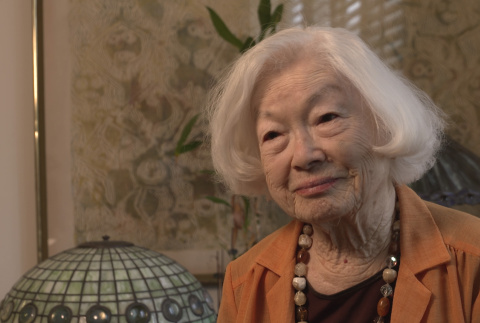
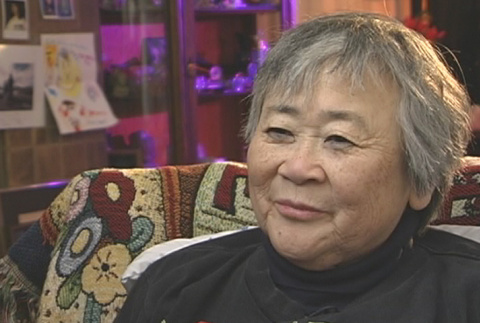
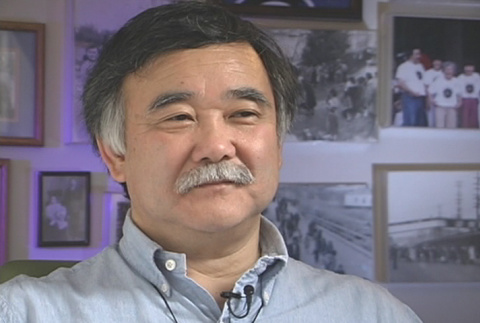

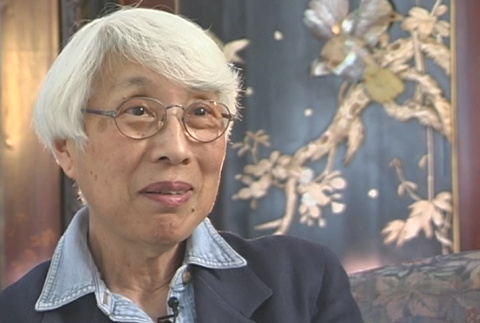
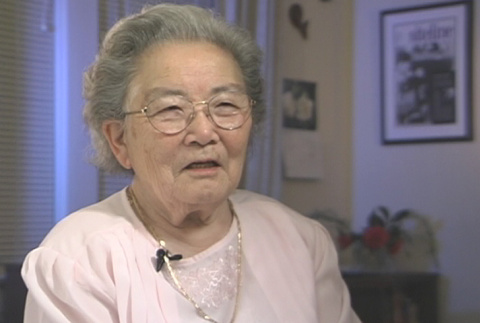
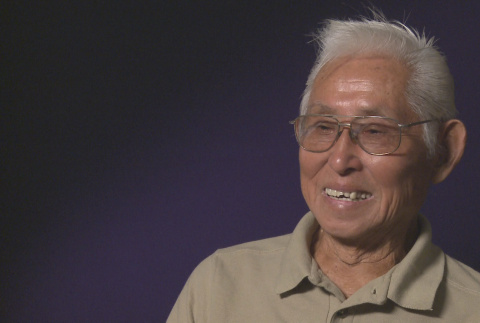

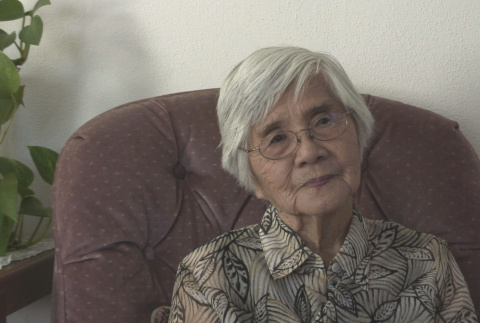
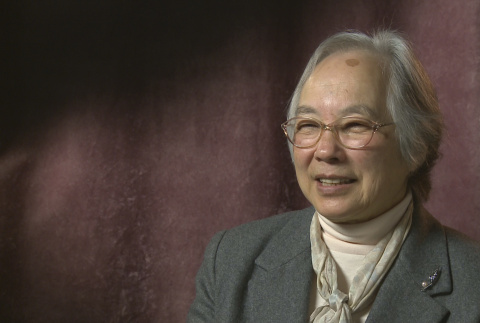

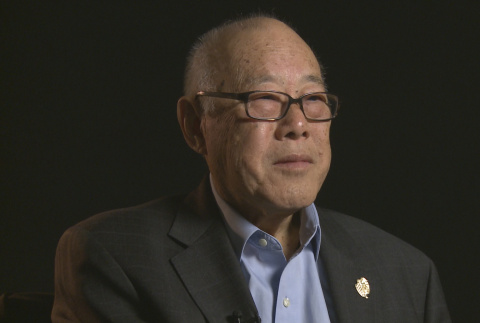
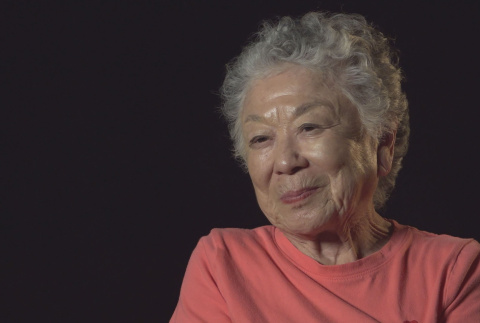


Mrs. Kurose was undergoing treatment for cancer and required frequent breaks and medication to help her with pain management.



This material is based upon work assisted by a grant from the Department of the Interior, National Park Service. Any opinions, finding, and conclusions or recommendations expressed in this material are those of the author(s) and do not necessarily reflect the views of the Department …




This material is based upon work assisted by a grant from the Department of the Interior, National Park Service. Any opinions, finding, and conclusions or recommendations expressed in this material are those of the author(s) and do not necessarily reflect the views of the Department of the …
This interview was conducted by sisters Emiko and Chizuko Omori for their 1999 documentary, Rabbit in the Moon, about the Japanese American resisters of conscience in the World War II incarceration camps. As a result, the interviews in this collection are typically not life …
This interview was conducted by sisters Emiko and Chizuko Omori for their 1999 documentary, Rabbit in the Moon, about the Japanese American resisters of conscience in the World War II incarceration camps. As a result, the interviews in this collection are typically not life histories, instead primarily focusing …