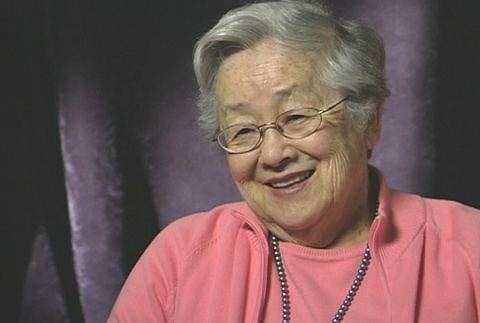
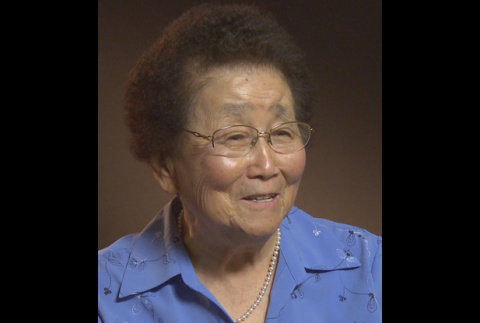
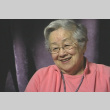
Nisei female. Born and raised in Seattle, Washington. After the bombing of Pearl Harbor, was removed to the Puyallup Assembly Center, Washington, and the Minidoka concentration camp, Idaho. Left Minidoka in 1943 to attend school in St. Paul, Minnesota. Married in 1945, and lived in Japan for sixteen months before returning to the United States and …
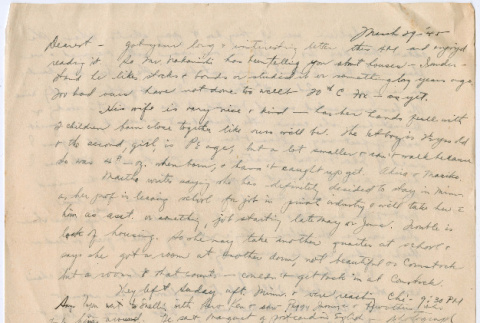
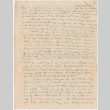
Martha's plans to stay in Minnesota for a job with her former professor, Pinkie still in quarantine, likely for chicken pox, anxious to find a house for her father to buy in San Francisco, thoughts on various marriageable women in camp for her father, hopes to be able to buy a house in Berkeley some day.
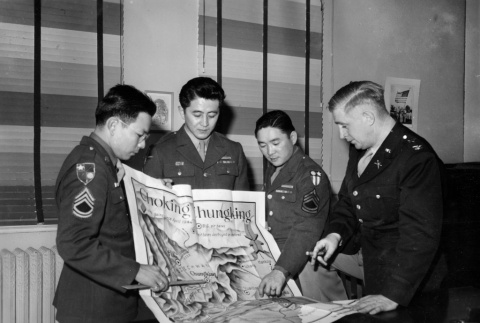
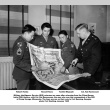
Caption: Military intelligence Service (MIS) veterans are seen after returning from the China-Burma-India (CBI) theatre, with Col. Kai Rasmussen, the man who was the commandant of the MIS at Camp Savage, Minnesota. The boys are on their way to Fort Benning, Georgie. photo Fort Snelling, January 1945. Supplemental scan of ddr-ajah-2-731 with additional notes
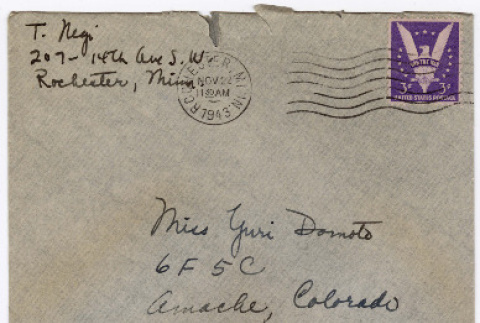
Letter to Yuriko Domoto Tsukada from Tak Negi in which Tak provides condolences for the death of Kanetaro Domoto (Yuriko's father) and Motonoshin "Henry" Domoto (Yuriko's uncle) and inquires about her plans for the future providing an offer of housing in Minnesota. Item tied together with all objects between ddr-densho-356-321 and ddr-densho-356-413.
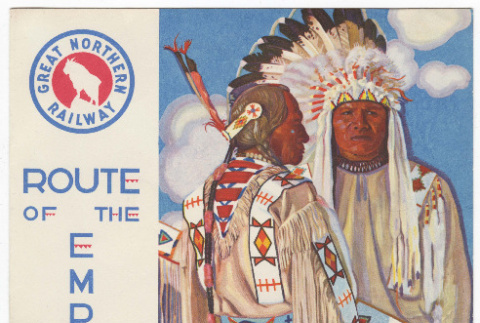
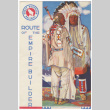
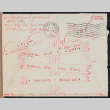
Train menu from Great Northern Railway's Empire Builder route. On the back of the menu is a message to Yuri Domoto Tsukada from Yoshito Shibata. In the message Yoshito informs Yuriko that the train is crossing into Idaho and he is headed to Fort Snelling in Minnesota and that he will write her again once he …
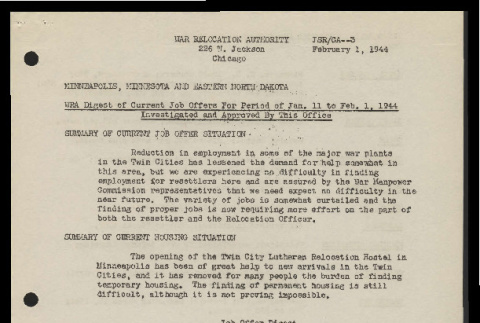
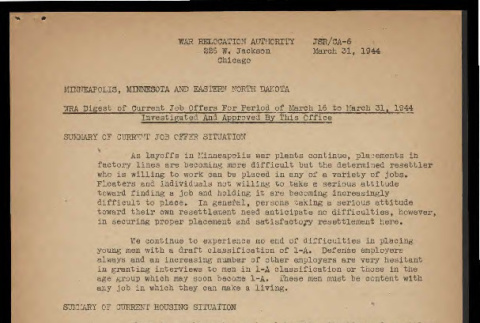
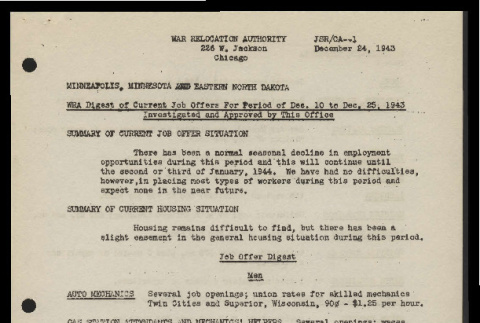
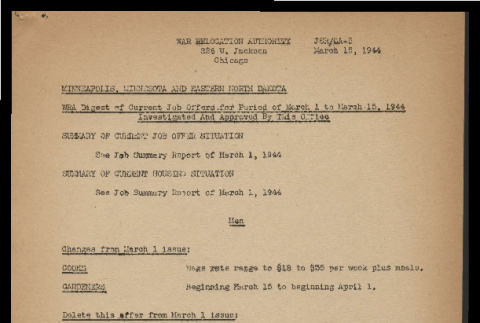
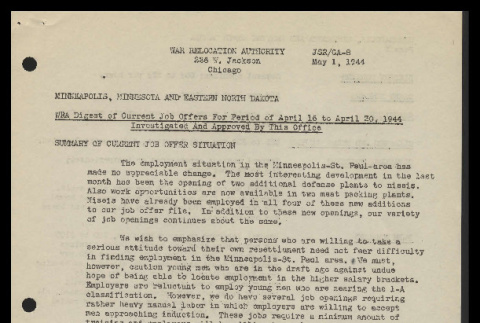
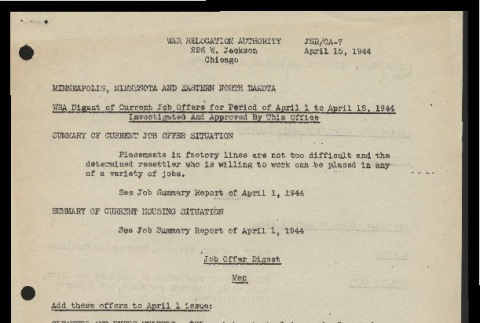
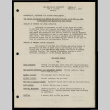
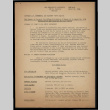
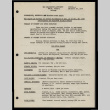
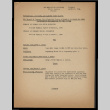
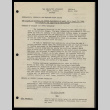
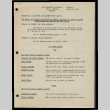
Report on job vacancies for "resettlers" in Minneapolis, Minnesota and eastern North Dakota. Includes summary of jobs and housing and a list of job titles and pay for males and females. See this object in the California State Universities Japanese American Digitization project site: sac_jaac_0821
Report on job vacancies for "resettlers" in Minneapolis, Minnesota and Eastern North Dakota. Includes summary of jobs and housing and a list of job titles and pay for males and females. See this object in the California State Universities Japanese American Digitization project site: sac_jaac_0996
Report on job vacancies for "resettlers" in Minneapolis, Minnesota and Eastern North Dakota. Includes summary of jobs and housing and a list of job titles and pay for males and females. See this object in the California State Universities Japanese American Digitization project site: sac_jaac_0806
Report on job vacancies for "resettlers" in Minneapolis, Minnesota and Eastern North Dakota. Includes summary of jobs and housing and a list of job titles and pay for males and females. See this object in the California State Universities Japanese American Digitization project site: sac_jaac_0986
Report on job vacancies and opportunities for "resettlers" in Minneapolis, Minnesota and Eastern North Dakota. Includes summary of jobs, housing, and a list of job titles and pay for males and females. See this object in the California State Universities Japanese American Digitization project site: sac_jaac_0846
Report on job vacancies and opportunities for "resettlers" in Minneapolis, Minnesota and Eastern North Dakota. Includes summary of jobs, housing, and a list of job titles and pay for males and females. See this object in the California State Universities Japanese American Digitization project site: sac_jaac_0839
The Nozawa Family Collection contains correspondence, documents and photos from the Tomoyuki Nozawa family, including material related to the family business, the Starlight Laundry in San Francisco, correspondence between Tomoye (Nozawa) Takahashi and Martha (Nozawa) Tsuchida Suzuki. The collection includes photos and correspondence from Martha (Nozawa) Tsuchida from her time living in Europe with her husband …
Nisei male. Recruited to teach at the army's language school in fall of 1941. Helped to establish the Military Intelligence Service Language School in Presidio San Francisco and helped with the move to Minnesota. Postwar, established a career teaching with the Defense Language Institute.
Nisei male. Born 1934 in Guadalupe, California. During World War II, removed to the Tulare Assembly Center, California, and the Gila River concentration camp, Arizona. After leaving camp, returned to the Sacramento area. Served in the U.S. Air Force, and eventually resettled in Minnesota.
Nisei female. Born December 25, 1924, in Selma, California. Grew up in Parlier, Californa, where family worked on a farm. After the bombing of Pearl Harbor, removed to the Gila River concentration camp, Arizona. Left camp to work in Indianapolis, Indiana, before settling permanently in Minneapolis, Minnesota.
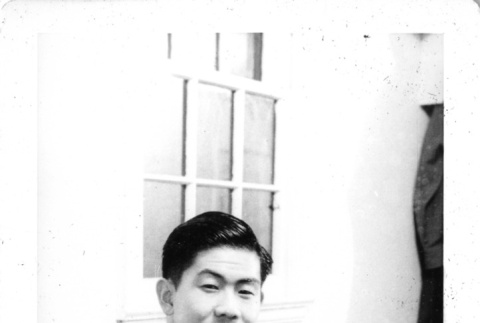
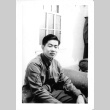
A photograph of Toshikuni Taenaka, a Japanese American Nisei/Kibei soldier, in US Army uniform with Private First Class insignia on the arm. The photograph is probably taken in Camp Savage, Minnesota. See this object in the California State Universities Japanese American Digitization project site: jia_08_01_050
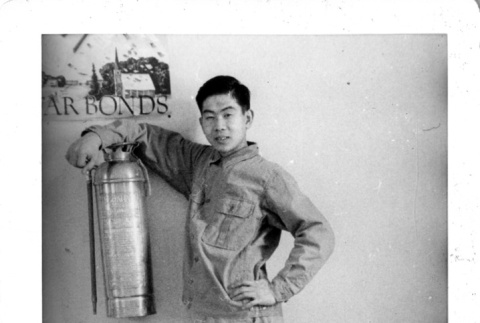
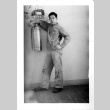
A photograph of Toshikuni Taenaka, a Japanese American Nisei/Kibei soldier. He poses, placing his arm on a fire extinguisher. The photograph is probably taken in Camp Savage, Minnesota. See this object in the California State Universities Japanese American Digitization project site: jia_08_01_060
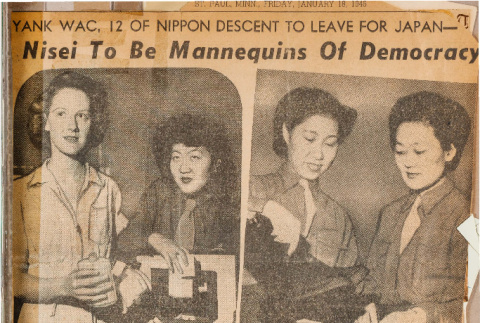
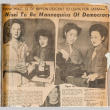
Newspaper article titled, "Nisei To Be Mannequins of Democracy," from "St. Paul, Minnesota," dated January 18, 1946. An item from: pages 92-93 of the Sue Kato scrapbook (gfb_skc_001). See this object in the California State Universities Japanese American Digitization project site: 2019_002_001_060_02
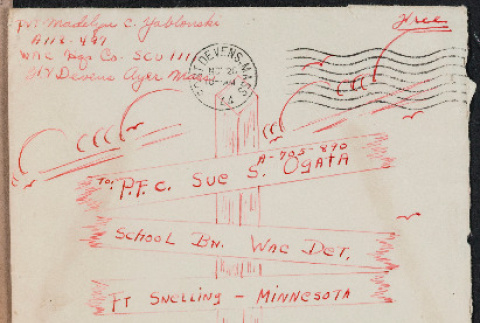
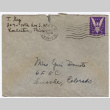
Envelope from Madelyn C. Yablonski at Fort Devens, Massachusetts to Sue Ogata Kato at Fort Snelling, Minnesota. An item from: pages 90-91 of the Sue Kato scrapbook (gfb_skc_001). See this object in the California State Universities Japanese American Digitization project site: 2019_002_001_059_06
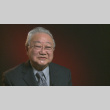
Nisei male. Born July 3, 1926, in Portland, Oregon. Grew up in Portland before moving to Denver, Colorado, where his father, a Baptist minister, was transferred. Lived in Denver during World War II, where family helped Japanese Americans leaving camps to find housing and work. Paul Robert and Jean Schuman Hanna Professor of Philosophy, Emeritus, since …
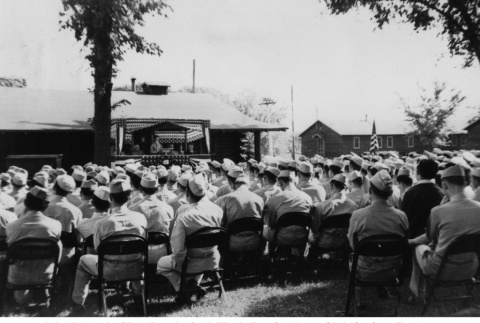
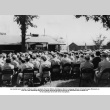
Caption: Joe Iwataki and a number of Nisei soldiers graduate from the Military Intelligence Service Language School at Camp Savage, Minnesota on June 18, 1943. Speaking that day was Major General George W. Strong, the Assistant Chief of Staff, G-2. He is seated just to the left of the microphone. Supplemental scan of ddr-ajah-2-564 with additional …
Drafted into the Military Intelligence Service while working in Minnesota
This material is based upon work assisted by a grant from the Department of the Interior, National Park Service. Any opinions, finding, and conclusions or recommendations expressed in this material are those of the author(s) and do not necessarily reflect the views of the Department of …
Moving to Minnesota when the MIS language school changed locations
This material is based upon work assisted by a grant from the Department of the Interior, National Park Service. Any opinions, finding, and conclusions or recommendations expressed in this material are those of the author(s) and do not necessarily reflect the views of the Department of …
The Military Intelligence Language School's move to Camp Savage, Minnesota
This material is based upon work assisted by a grant from the Department of the Interior, National Park Service. Any opinions, finding, and conclusions or recommendations expressed in this material are those of the author(s) and do not necessarily reflect the views of the Department of …
Conducting a survey in Minnesota to determine the area's receptiveness to Japanese Americans
This material is based upon work assisted by a grant from the Department of the Interior, National Park Service. Any opinions, finding, and conclusions or recommendations expressed in this material are those of the author(s) and do not necessarily reflect the views of …