
3111 items










3111 items
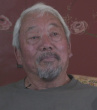
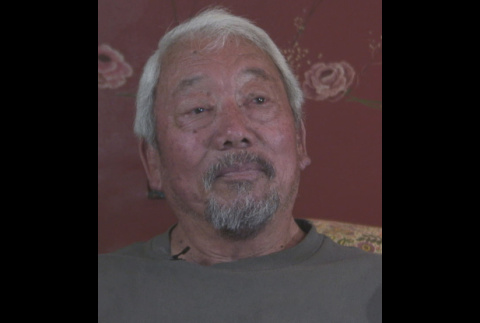
Narrator Kenji Ogawa
Sansei male. Born April 16, 1942, in Manzanar, California. In 1943, parents signed "no-no" on the so-called "loyalty questionnaire" and were transferred to the Tule Lake segregation center, California. Moved with family to Japan, and returned to the United States in the 1950s to attend high school.
Collection
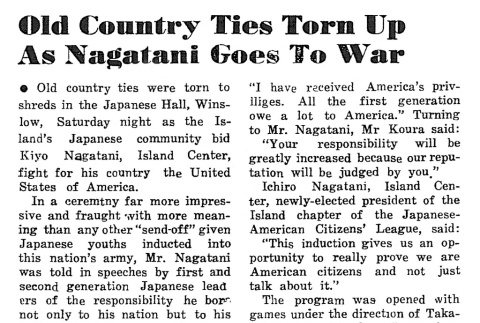
Bainbridge Island Review Collection (ddr-densho-68)
This collection consists of selected articles from the Bainbridge Island Review, a community paper from Bainbridge Island, Washington. During World War II, the Bainbridge Island Review was the sole newspaper on the West Coast to continuously speak out against the mass removal and incarceration of Japanese Americans, primarily through the editorials of Walt Woodward, editor from …


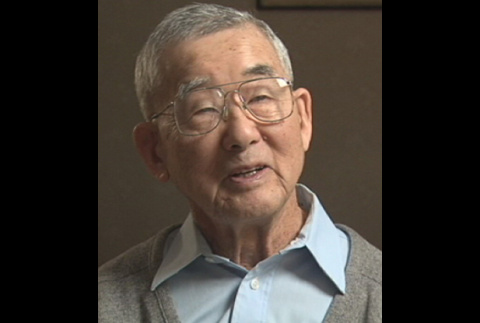
Narrator Frank Isamu Kikuchi
Nisei male. Born October 21, 1924, and during childhood lived in various places in the Midwest, Seattle, Washington, and Los Angeles, California. Was a high school student when Japan bombed Pearl Harbor on December 7, 1941. Removed to the Manzanar concentration camp, California, and after camp returned to Los Angeles.

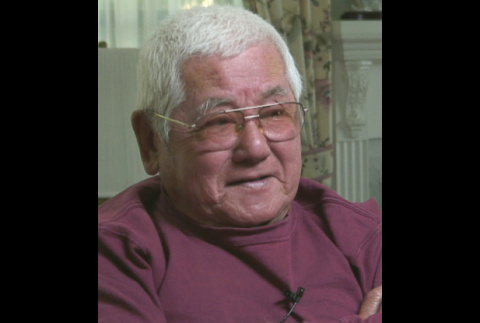
Narrator Bo T. Sakaguchi
Nisei male. August 11, 1925, and raised in North Hollywood, California. Removed to Manzanar concentration camp, California, following the bombing of Pearl Harbor. Attended high school in camp, then left in 1945 to attend college. Drafted into the army, then lived and worked in various locations after World War II.
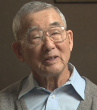
Narrator Nob Koura
Nisei male. Born April 10, 1920, in Seattle, Washington. Moved from Seattle to Bainbridge Island, Washington, at age five. During World War II, removed to the Manzanar concentration camp, California. Volunteered for the military and served in Europe. After the war, eventually returned to Bainbridge Island and reestablished family's farm.

Narrator Isao Yamashita
Nisei male. Born November 19, 1924. Grew up on Bainbridge Island, Washington. During World War II, removed to the Manzanar concentration camp, California, later transferring to the Minidoka concentration camp, Idaho. Volunteered for the military, and served as replacement for the 442nd Regimental Combat Team. Eventually returned to Bainbridge Island.
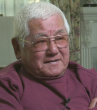
Narrator Susumu Iwasaki
Nisei male. Born June 18, 1927, in Terminal Island, California. Grew up in Terminal Island before being removed to the Manzanar concentration camp, California, during World War II. Joined the Military Intelligence Service, working as an interpreter in Japan during the U.S. occupation. Married in Japan and eventually returned to California.

Narrator Jun Ogimachi
Nisei male. Born May 26, 1928, in San Fernando, California. Grew up in San Fernando, where father ran a farm. During World War II, removed to the Manzanar concentration camp, California, with family. After leaving camp, lived briefly in Chicago, Illinois, before returning to San Fernando. Served in the U.S. Navy.
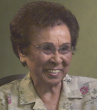
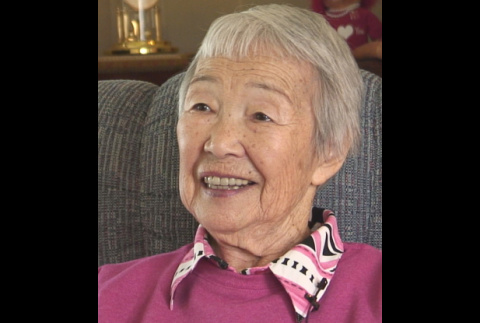
Narrator Marian Uyematsu Naito
Nisei female. Born November 30, 1927, in Montebello, California. Grew up in Montebello where father ran a wholesale nursery business. During World War II, removed with family to the Pomona Assembly Center and Manzanar concentration camp, California. After leaving camp, attended UCLA before returning to California and establishing a nursery business.
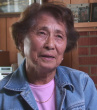
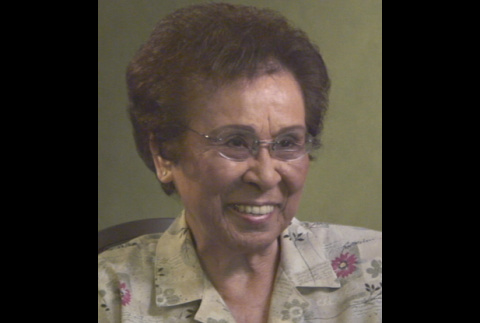
Narrator Fumi Hayashi
Nisei female. Born January 24, 1925, in Los Angeles, California. Grew up in the Los Angeles area, where parents ran a flower business. During World War II, removed to the Manzanar concentration camp, California. While in camp, held various jobs, including working for the camouflage net factory. Eventually returned to California.
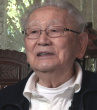
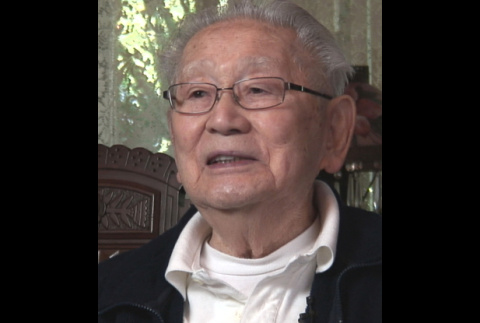
Narrator Fred Nagai
Nisei male. Born June 25, 1918, in Selleck, Washington. Grew up in Selleck, a lumber community, before moving with family to Santa Monica, California. During World War II, removed to the Manzanar concentration camp, California. After leaving camp, lived for a time in Salt Lake City, Utah, before returning to California.

Narrator Shigeo Kihara
Sansei male. Born January 15, 1935, in Sacramento, California. Grew up in the Florin area where parents ran a farm. During World War II, removed to the Manzanar concentration camp, California. After leaving camp, moved with family to live and work at Seabrook Farms, New Jersey. Eventually returned to Sacramento.

Narrator Hiroki Kimiko Keaveney
Yonsei. Born in Los Angeles, California, but raised in Ohio. During World War II, members of their family were incarcerated in the Manzanar and Tule Lake concentration camps in California. Graduated from San Francisco State University with a degree in Ethnic Studies. Moved to Chicago, involved in numerous community groups.
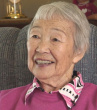
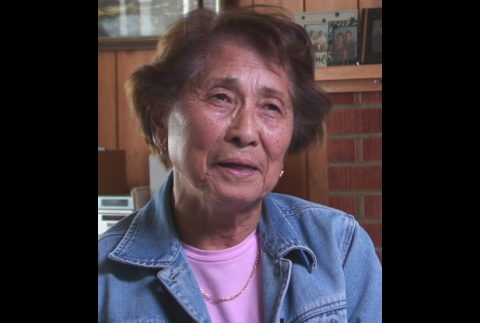
Narrator Michiko Wada
Nisei female. Born December 4, 1924, in California. Grew up in Watts, California, where parents ran a grocery business. During World War II, removed to the Manzanar concentration camp, California. After the so-called "loyalty questionnaire," transferred to the Tule Lake concentration camp, California. After leaving camp, returned to Los Angeles.

doc
Pacific Citizen, Vol. 112, No. 24 [June 21, 1991] (ddr-pc-63-24)
Select article titles: "JACL discusses Chinese, Jewish coalition effort" (p. 1), "Census Bureau reveals undercount of Asians" (p. 1), "Commission calls for overhauling of justice system" (p. 1), "Water rights snag Manzanar proposal" (p. 1), "Bias charged against Japanese firms in U.S." (p. 3), "Study: wife abuse high among Southeast Asians" (p. 3), "Ethnic enrollment up …
doc
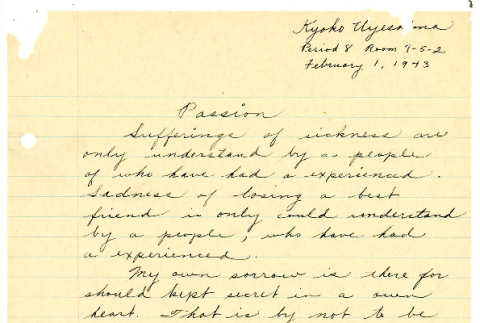
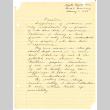
Passion (ddr-csujad-48-26)
Assignment by Kyoko Uyeshima for period 8 class taught by Mr. Harry Bentley Wells, a teacher at Manzanar High School. Kyoko describes how suffering and sickness can only be understood by those who have had a similar experience, and should only be shared with those that understand it. Transcription is found in item: ecm_wells_9026. See this …

doc
Letter from Harry Bentley Wells to Leon C. High, Principal, Secondary School, August 9, 1942 (ddr-csujad-48-67)
Letter from H. Bentley Wells to Leon C. High regarding the transmittal of several forms, a change of address, and inquiring about what personal items to bring to Manzanar due to the unusualness of the situation. He also volunteers to bring any necessary materials from the University of California. Transcription is found in item: ecm_wells_9067. See …

img
End of the trail, impounded cars (ddr-csujad-47-19)
Photograph of the impounded cars lined up outside of Manzanar with Mount Williamson in the background, a line of buildings can be seen on the right side of the photograph stretching into the distance. Caption reads: End of the trail, impounded cars. Title from caption, which was taken from the original photo album. See this object …

img
Photograph of the lathe house for the guayule experiments with snow on the ground (ddr-csujad-47-51)
Exterior view of the lathe house for the guayule rubber experiments under the direction of Walter T. Watanabe, who has a staff of 22 workers at this War Relocation Authority Center. The initial shipment of 100,000 seedlings came from Salinas Experiment Station. This photograph was taken in the winter shortly after a snowstorm in Manzanar. See …

img
Issuing G.I. blankets (two to each evacuee) (ddr-csujad-47-29)
Photograph of Government Issue (G.I.) blankets being given to the incarcerees at Manzanar. Each person was given two blankets. The unfinished walls and rafters of the ceiling can be seen in the building. Caption reads: Issuing G.I. blankets (two to each evacuee). Title from caption, which was taken from the original photo album. See this object …

img
Photograph of blocks 6 and 12 under construction (ddr-csujad-47-38)
Photograph taken at Manzanar Incarceration Camp, of the camp under construction. Cleared land with an open trench runing along the center of the picture, two pipes are laying in the foreground of the picture. Barracks are under construction in rows on either side of the open trench. In the background are the snow-covered Sierra Nevada. See …

doc
Desert Sentinel, Vol. I No. 12, May 14, 1943 (ddr-csujad-17-2)
School newspaper published at the Gila River incarceration camp. Features and items include a report on a bond drive and on a "Kampus Karnival"; news about the debate team and about a talent show, as well as about goings-on at Topaz, Utah; Manzanar, California; Echoes, Wyoming; Hunt, Idaho; and Amache, Colorado; and illustrations. See this object …
img
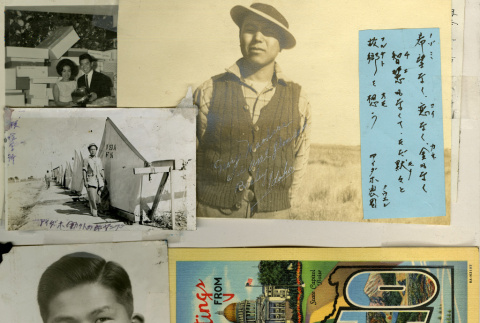
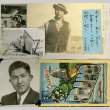
George Naohara photo album (ddr-csujad-38-1)
A photo album compiled by George Nobuo Naohara, a Kibei Nisei, who was incarcerated at Manzanar, Jerome, and Tule Lake incarceration camps during World War II. Included are photographs taken during/after World War II, depicting his farm labor experience in Idaho and Utah, incarceration in the Jerome incarceration camp, and Army language school training. See this …

doc
Daily Press Review, Vol. IV, No. 17 (ddr-densho-156-235)
Article titles: "Red Cross Work Requested by Japanese"; "Moving Slated for Japanese"; "Henderson Backs DeWitt's Stand to Confine Japanese"; "Big Guayule Project Explained"; "Newsnotes from Manzanar"; "Two Trainloads Japanese at Camp"; "State Has No Part in Teaching Program"; "Japanese Blood in Wyoming"; "His First View of Wyoming"; "Marlin Kurtz Accepts Position at Heart Mountain Relocation Center"; …