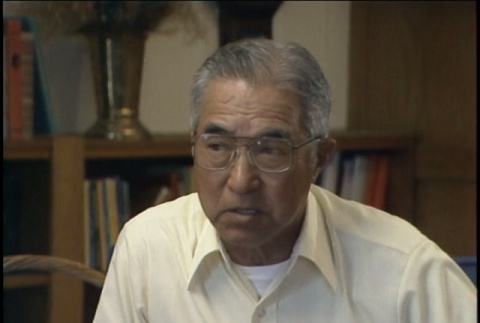
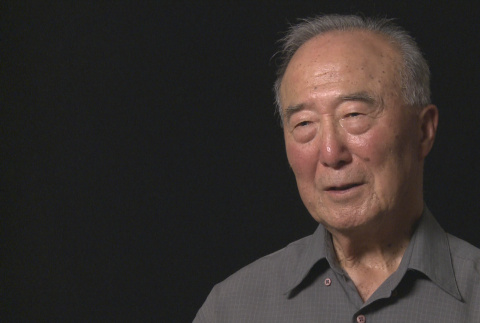
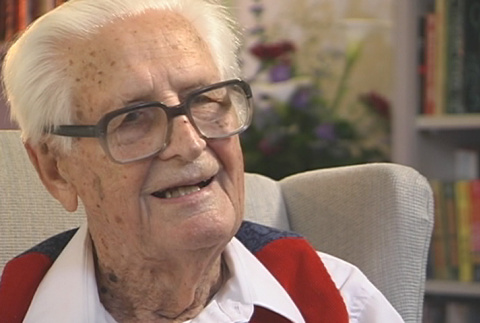
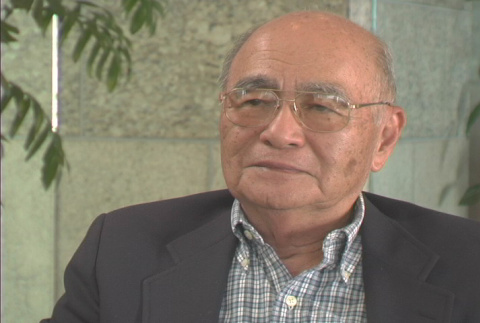
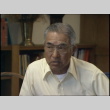
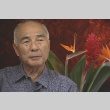
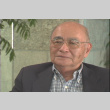
Tokuno discusses food distribution and hunger issues in post-war Japan, working on rice collection in Saga Prefecture, the story of a Japanese veteran who was nearly sent back home on his way to a hospital, and how the Nisei were viewed by Japanese nationals. Loni Ding can be heard asking quetsions behind the camera. Original title: …
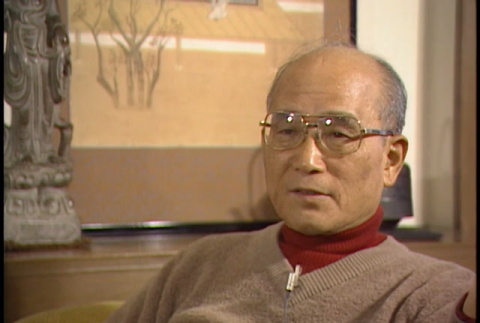
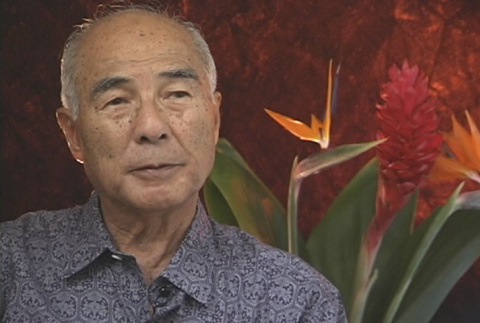
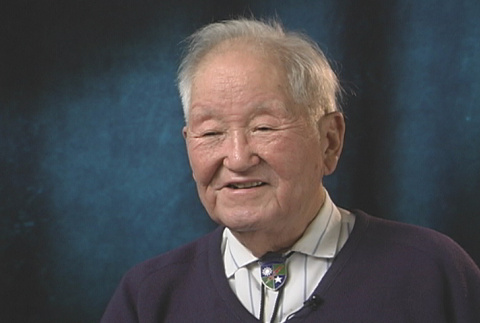
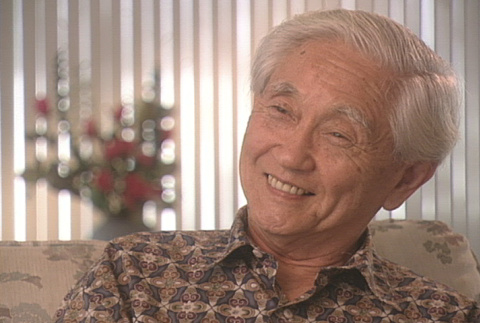
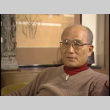
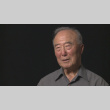
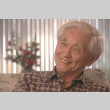
Aka discusses moving to Japan in 1946, growing up on Maui and in Okinawa, returning to the US as a teenager, being drafted, and his Japanese education. The first few minutes of the tape are Loni Ding explaining her interview process to Aka. Loni Ding can be heard asking questions during the interview. Original title: II …
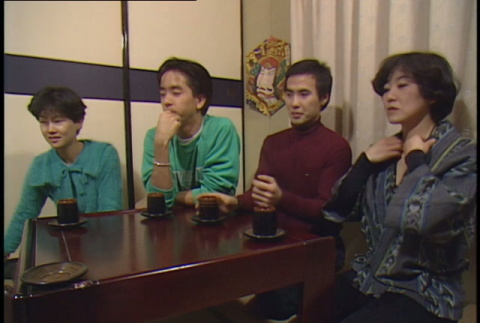
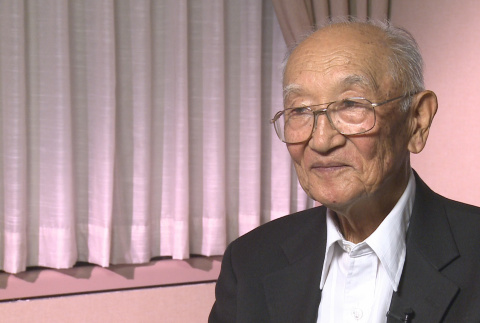
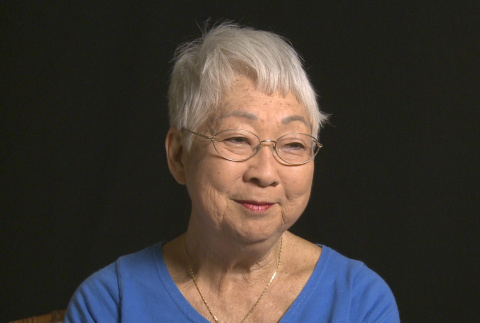
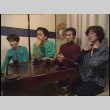
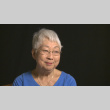
In order of left to right: Akiko, Brian Yamakoshi, Kenny, and Chizuko. Aside from Brian, last names unknown; Kenny and Chizuko are married. This tape focuses mainly on Chizuko, who discusses her relationship with her grandfather, her reasons for coming to Japan, and making Noh masks. Loni Ding can be heard asking questions behind the camera. …
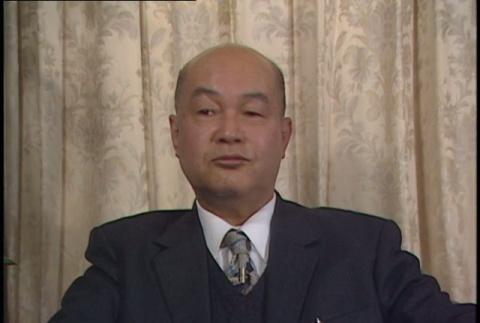
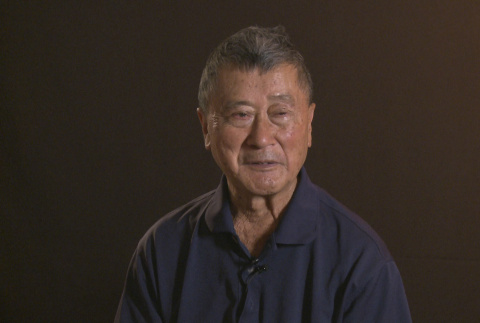
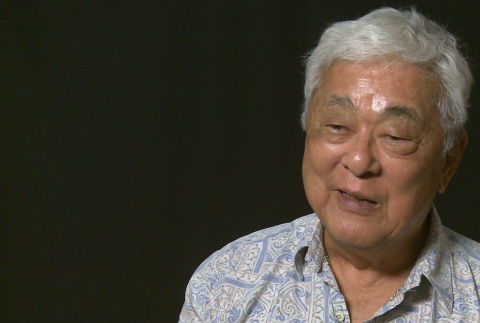
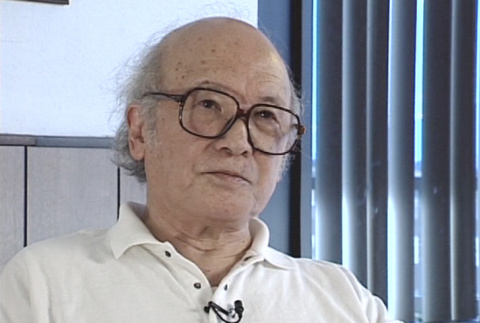
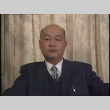
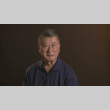
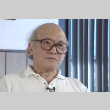
Nozawa discusses being born in Santa Monica, attending high school in Japan, being drafted, being court-martialed for refusing to complete training, recently getting honorable discharge, the discrimination he and other Nisei faced in the army, and President Roosevelt's visit to Fort Riley. Loni Ding can be heard asking questions behind the camera. Original title: 220, II …
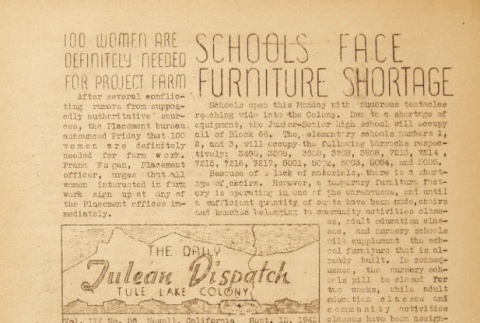
Selected article titles: "100 Women Are Definitely Needed for Project Farm" (p. 1), "Schools Face Furniture Shortage" (p. 1), "3800 to Begin School Monday" (p. 1), "Kites Taboo" (p. 1), "Many Jobs Listed by Placement" (p. 1), "Beet Workers Leave for Utah" (p. 1), "New Teachers Have Colorful Backgrounds" (p. 2), "Awards for Labor Day Exhibits …
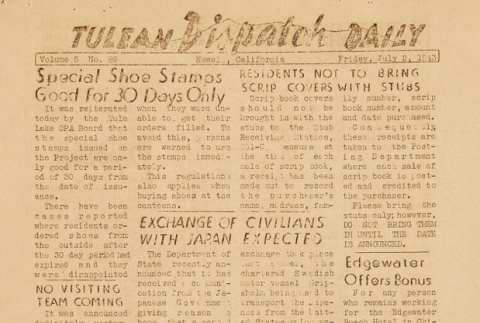
Selected article titles: "Special Shoe Stamps Good For 30 Days Only" (p. 1), "No Visiting Team Coming" (p. 1), "Residents Not to Bring Scrip Covers With Stubs" (p. 1), "Exchange of Civilians With Japan Expected" (p. 1), "Relocation Grants Will Still Be Given -- Huycke" (p. 1), "Relocation Grants Will Still Be Given -- Huycke" (p. …
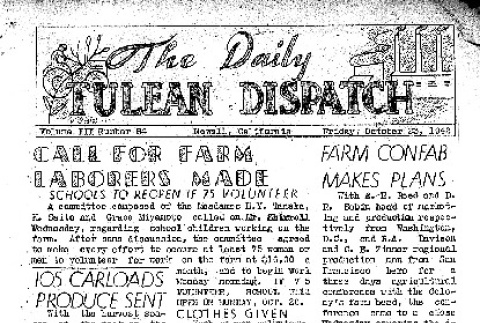
Selected article titles: "600 High Students Storm Project Farm" (p. 1), "Sact'to JACL Will Send $500 to Headquarters" (p. 1), "Colonists Answer Call for Labor from Oregon" (p. 1), "Procedure for Oregon Absentee Ballots Revealed" (p. 2), "Editor of 'Fellowship' Gives Encouragement to Japanese Evacuees" (p. 3), "U.S. Nisei Soldiers May Now Visit WRA Projects" (p. …
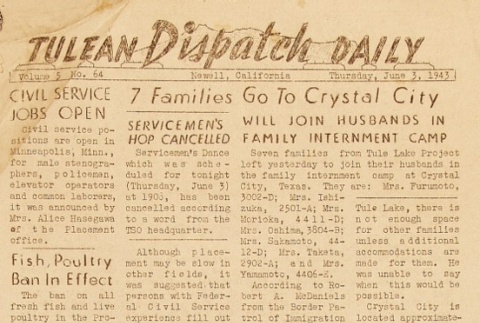
Selected article titles: "Civil Service Jobs Open" (p. 1), "Fish, Poultry Ban in Effect" (p. 1), "7 Families to Go to Crystal City: Will Join Husbands in Family Internment Camp" (p. 1), "No Persons to Leave For Japan Yet, Jacoby Clarifies" (p. 1), "Dr. Marvin Opler to Head: Program For Community Study" (p. 1), "Editorial Page: …
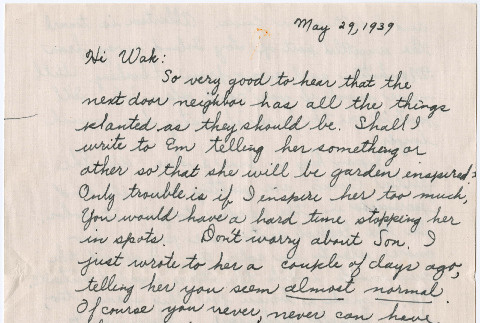
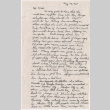
Letter from New York. Kan is now working for landscape architect Shogo Myaida's business, "the Garden Clinic." Working on a project for Japan Day, and sold a bonsai project idea to the designer, Kudzumi. Discusses the confidence required to go out seeking jobs and selling project ideas, which he observes that he seems better at than …
A story of a Nisei serving in the Military Intelligence Service in occupied Japan
This material is based upon work assisted by a grant from the Department of the Interior, National Park Service. Any opinions, finding, and conclusions or recommendations expressed in this material are those of the author(s) and do not necessarily reflect the views …
Brother living in Japan: the possibility of "shooting at each other, brother to brother"
This interview was conducted at the 1998 Americans of Japanese Ancestry Veterans National Convention, held in Honolulu, Hawaii. Because of the full conference schedule, interviews conducted at the reunion were generally shorter in length than the typical Densho interview and tend to …
Having to stay in Japan because of the impending war with the United States; attending school
This material is based upon work assisted by a grant from the Department of the Interior, National Park Service. Any opinions, finding, and conclusions or recommendations expressed in this material are those of the author(s) and do not necessarily reflect …
Comparing Japan's attack on Pearl Harbor to the U.S.'s atomic bombing of Japan
In this interview Mr. Schmoe refers to Aki Kurose, a former employee, fellow Quaker, peace activist, and long-time friend. At the time of this interview, Ms. Kurose had recently passed away after a long struggle with cancer. At the time of this interview, …
Getting a job as a delivery boy for a grocery store: making deliveries to outlying communities of Los Angeles
Although Mr. Matsumoto does not identify himself as a Kibei (American-born person of Japanese ancestry sent to Japan for formal education and socialization when young and later returned to the U.S.), some of his life experiences are …
Reuniting with a relative while stationed in China, and finding out that brother, also in the military, had survived
Although Mr. Matsumoto does not identify himself as a Kibei (American-born person of Japanese ancestry sent to Japan for formal education and socialization when young and later returned to the U.S.), some of his life experiences are …
Thoughts on not being recommended for the Medal of Honor for actions on Nhpum Ga hill
Although Mr. Matsumoto does not identify himself as a Kibei (American-born person of Japanese ancestry sent to Japan for formal education and socialization when young and later returned to the U.S.), some of his life experiences are similar to those …
Warning battalion of a planned Japanese attack, then shouting military orders in Japanese to confuse the enemy
Although Mr. Matsumoto does not identify himself as a Kibei (American-born person of Japanese ancestry sent to Japan for formal education and socialization when young and later returned to the U.S.), some of his life experiences are similar to …
Reported to the FBI for possessing a short-wave radio before the war, listening to Japanese news reports
Although Mr. Matsumoto does not identify himself as a Kibei (American-born person of Japanese ancestry sent to Japan for formal education and socialization when young and later returned to the U.S.), some of his life experiences are similar to …
Parents receive a phone call from Japan days before the bombing of Pearl Harbor
This material is based upon work assisted by a grant from the Department of the Interior, National Park Service. Any opinions, finding, and conclusions or recommendations expressed in this material are those of the author(s) and do not necessarily reflect the views …
Answering the question: "If Japan invaded the U.S., which side will you fight for?"
This material is based upon work assisted by a grant from the Department of the Interior, National Park Service. Any opinions, finding, and conclusions or recommendations expressed in this material are those of the author(s) and do not necessarily reflect the views …
Reflections: "I'm back to my original ambition of trying to be a bridge between Japan and America"
This material is based upon work assisted by a grant from the Department of the Interior, National Park Service. Any opinions, finding, and conclusions or recommendations expressed in this material are those of the author(s) and do not necessarily …
Stationed in Japan in a counterintelligence unit: witnessing the hardships faced by the Japanese people
This material is based upon work assisted by a grant from the Department of the Interior, National Park Service. Any opinions, finding, and conclusions or recommendations expressed in this material are those of the author(s) and do not necessarily reflect the …
Reuniting with brother who was serving with the U.S. army during the occupation of Japan
This material is based upon work assisted by a grant from the Department of the Interior, National Park Service. Any opinions, finding, and conclusions or recommendations expressed in this material are those of the author(s) and do not necessarily reflect the …
Developing respect and admiration for the Japanese while attending school in Japan, description of Japanese values and culture
This interview was conducted at the 1998 Tule Lake Pilgrimage held at Klamath Falls, Oregon and at the site of Tule Lake incarceration camp in California. Given the limited time available during this event, the length and breadth …
Hearing about the bombing of Pearl Harbor; brother was working in Japan at the time
This material is based upon work assisted by a grant from the Department of the Interior, National Park Service. Any opinions, finding, and conclusions or recommendations expressed in this material are those of the author(s) and do not necessarily reflect the …