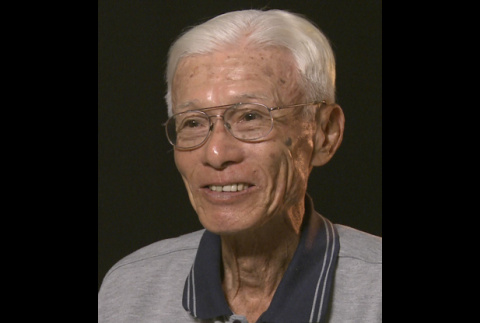
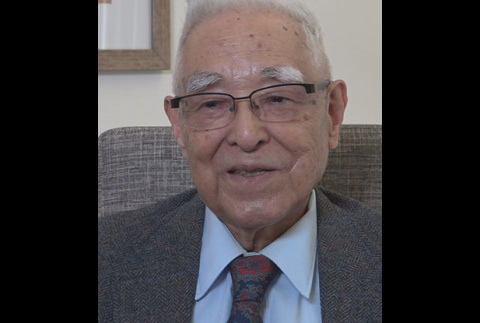
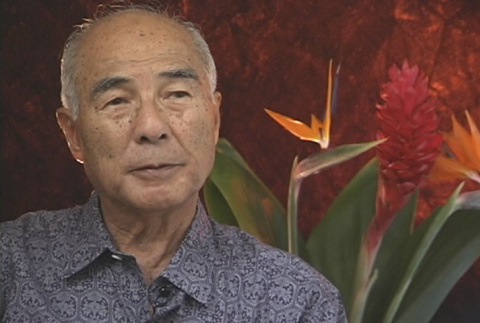
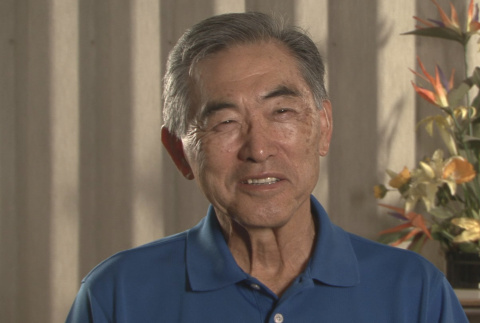
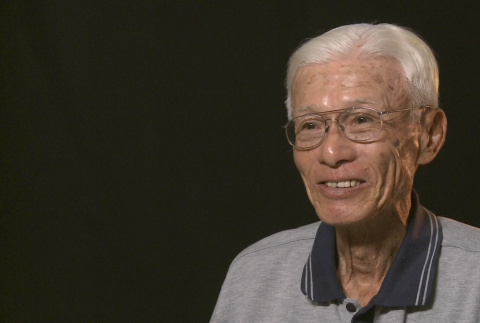
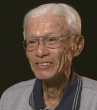
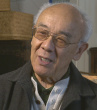
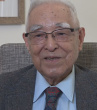
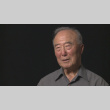
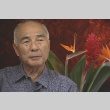
Kibei male. Born February 25, 1929, in Hilo, Hawaii. At the age of four, moved to Japan, where family operated a farm. Attended school in Japan during World War II. Was in school in Hiroshima when the United States dropped the atomic bomb in 1945. Survived the bombing along with mother and brother. In 1949, returned …
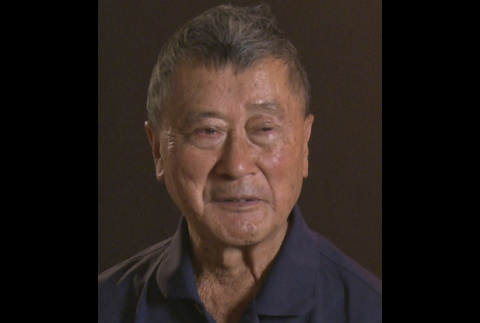
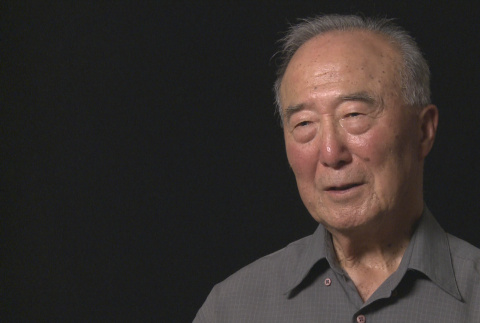
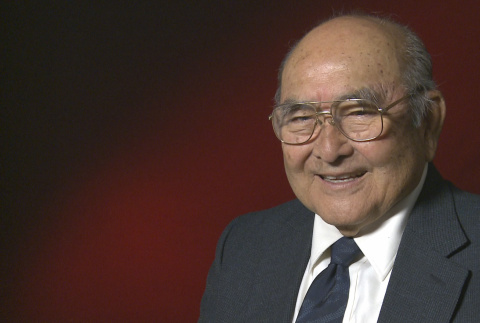
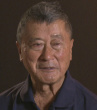
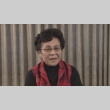
Kibei male. Born December 25, 1930 in Sacramento, California. Grew up in Sacramento where parents ran a hotel. In 1941, traveled to Japan with father to Japan, then could not return to the United States because of impending war. Was living in Hiroshima when the United States dropped the atomic bomb in 1945. Returned to the …
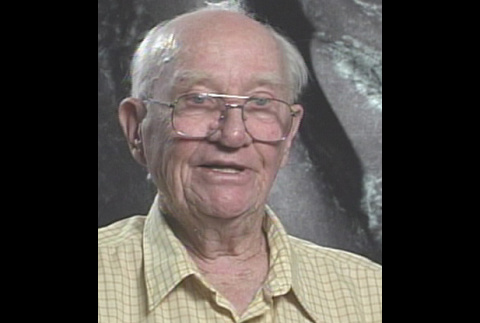
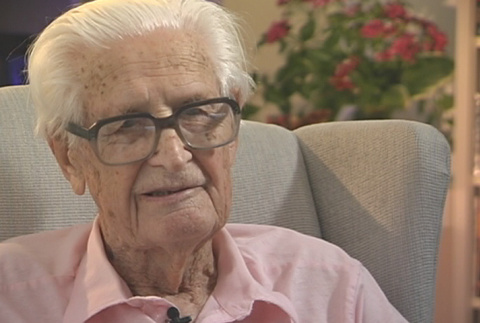
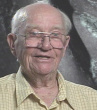
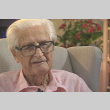
White male. Born 1913 in Karuizawa, Japan, to missionary parents. Attended Canadian school in Kobe, Japan, before coming to the United States with his older brother. He attended the University of Chicago School of Social Work, then volunteered to work for the War Relocation Authority (WRA). He later worked as a relocation officer in the concentration …
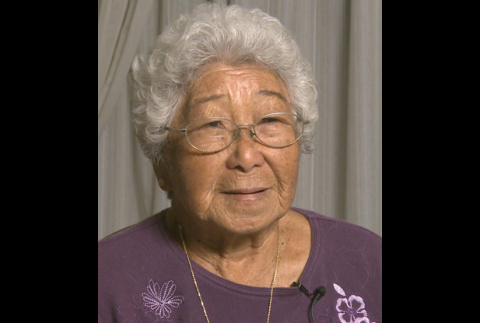
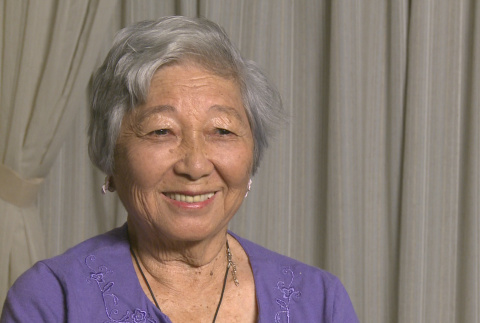
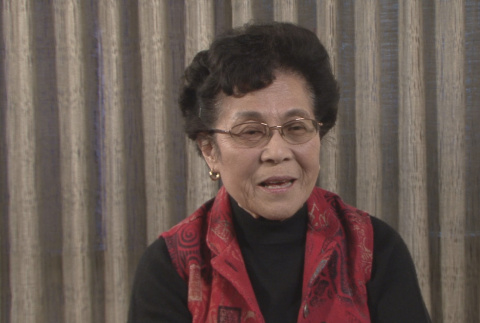
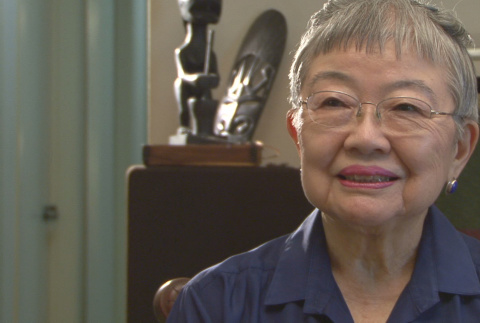
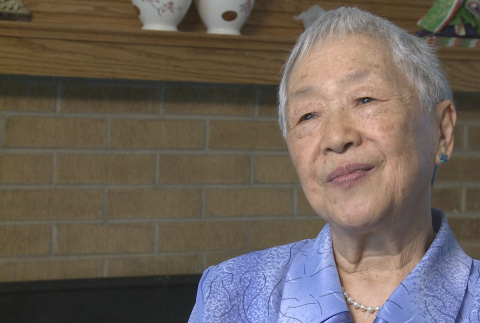
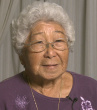
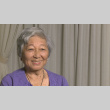
Nisei female. Born January 28, 1919, in Hilo, Hawaii. Grew up in Hilo before moving to Japan in 1934. Attended school in Japan, returning to Hilo before the outbreak of World War II. During the war, father was arrested and removed to the Kilauea Military Camp and Sand Island internment camps, Hawaii. During father's absence, took …
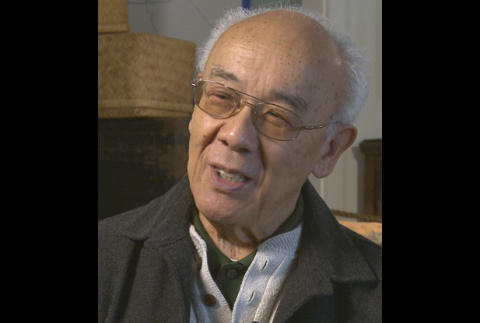
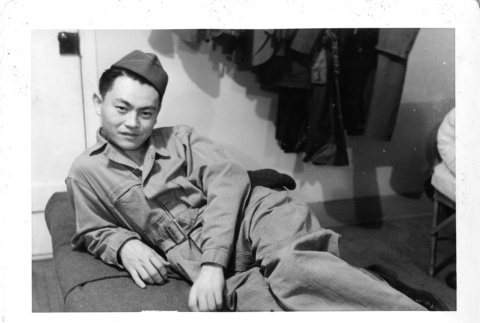
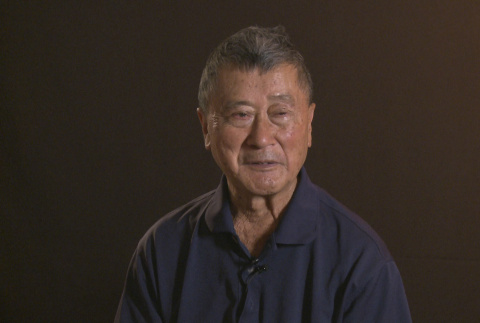
Nisei male. Born January 3, 1929, in Kyoto, Japan. Came to United States as a young child with parents. Moved frequently as a child due to father's role as a Buddhist minister, living in places like Walnut Grove and Marysville, California. During World War II, was living in Salt Lake City. Drafted into the army and …
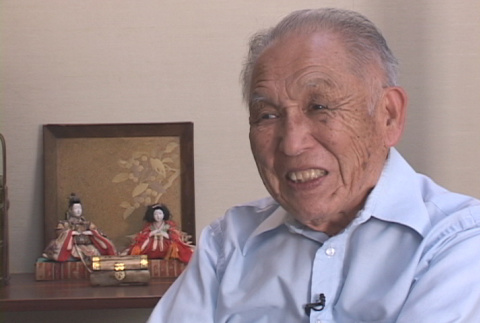
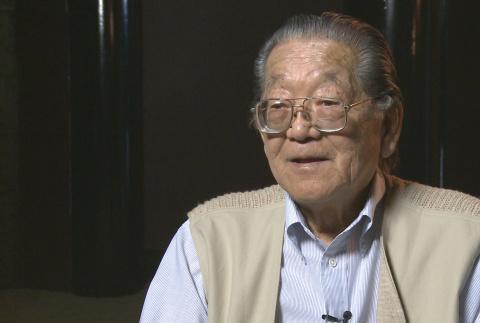
Shin-Issei male. Born September 10, 1926, in Hyogo, Japan. Grew up in Japan, where parents farmed. During World War II, exempted from the draft due to higher education status. Attended Doshisha University in Kyoto, learning English from an influential missionary. Moved to the United States and attended Lehigh University in Pennsylvania, then studied at the University …
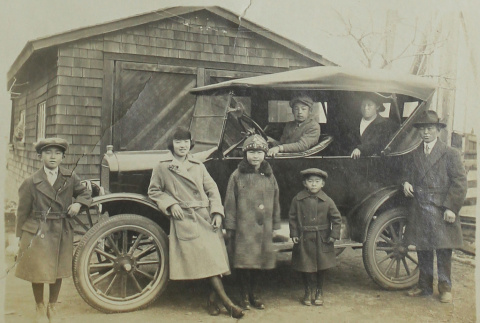
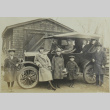
The Terakawa Collection consists of four photograph albums created by Hanako Terakawa. Hanako's parents, Tadaichi and Yoni Yoshioka, immigrated from Japan and settled in Hayward, California in the early 1900's. In Hayward, they started a family and had five children. They owned a nursery and maintained several greenhouses built around 1913. The earliest photograph album primarily …
Japanese in America, circa early 1900s-1960s, boxes 7-12: The collection contains photographs and albums of the Japanese in the United States, mainly Washington, California, Colorado, and Utah. The photographs include family portraits and snapshots capturing their community activities and local events, such as picnic, wedding, funeral, local associations’ activities, etc., mostly taken in the early 1900s. …
Considering allegiance to Japan versus the United States as a child
This material is based upon work assisted by a grant from the Department of the Interior, National Park Service. Any opinions, finding, and conclusions or recommendations expressed in this material are those of the author(s) and do not necessarily reflect the views of the Department …
Oldest sister sent to live in Japan before World War II
This material is based upon work assisted by a grant from the Department of the Interior, National Park Service. Any opinions, finding, and conclusions or recommendations expressed in this material are those of the author(s) and do not necessarily reflect the views of the Department …
This material is based upon work assisted by a grant from the Department of the Interior, National Park Service. Any opinions, finding, and conclusions or recommendations expressed in this material are those of the author(s) and do not necessarily reflect the views of the Department of …
Building homes in Hiroshima, Japan after the atomic bombing
In this interview Mr. Schmoe refers to Aki Kurose, a former employee, fellow Quaker, peace activist, and long-time friend. At the time of this interview, Ms. Kurose had recently passed away after a long struggle with cancer. At the time of this interview, Mr. Schmoe is 102 …
This interview was conducted at the 1998 Americans of Japanese Ancestry Veterans National Convention, held in Honolulu, Hawaii. Because of the full conference schedule, interviews conducted at the reunion were generally shorter in length than the typical Densho interview and tend to concentrate on the individual's military service …
Befriending a twelve-year-old boy in stopover in Japan
This material is based upon work assisted by a grant from the Department of the Interior, National Park Service. Any opinions, finding, and conclusions or recommendations expressed in this material are those of the author(s) and do not necessarily reflect the views of the Department of the Interior.
Having a "Japan Day" in summer camp during World War II
This material is based upon work assisted by a grant from the Department of the Interior, National Park Service. Any opinions, finding, and conclusions or recommendations expressed in this material are those of the author(s) and do not necessarily reflect the views of the Department …
Thoughts on the 2011 earthquake, tsunami, and nuclear disaster in Japan
This material is based upon work assisted by a grant from the Department of the Interior, National Park Service. Any opinions, finding, and conclusions or recommendations expressed in this material are those of the author(s) and do not necessarily reflect the views of the Department …
Impact of being Japanese American conducting atomic bomb studies in Japan
This material is based upon work assisted by a grant from the Department of the Interior, National Park Service. Any opinions, finding, and conclusions or recommendations expressed in this material are those of the author(s) and do not necessarily reflect the views of the Department …
Family moves to Japan and establishes a farm: vegetables, chickens and honeybees
This material is based upon work assisted by a grant from the Department of the Interior, National Park Service. Any opinions, finding, and conclusions or recommendations expressed in this material are those of the author(s) and do not necessarily reflect the views of the …
Hearing about the bombing of Pearl Harbor as an American in Japan
This material is based upon work assisted by a grant from the Department of the Interior, National Park Service. Any opinions, finding, and conclusions or recommendations expressed in this material are those of the author(s) and do not necessarily reflect the views of the …
Serving as a translator during the war crimes trials in Japan
This material is based upon work assisted by a grant from the Department of the Interior, National Park Service. Any opinions, finding, and conclusions or recommendations expressed in this material are those of the author(s) and do not necessarily reflect the views of the Department …
Expatriating to Japan ahead of family, going to family home
This material is based upon work assisted by a grant from the Department of the Interior, National Park Service. Any opinions, finding, and conclusions or recommendations expressed in this material are those of the author(s) and do not necessarily reflect the views of the Department of …
Fear in the Japanese community in Huancayo, Peru, after Japan bombed Pearl Harbor
This material is based upon work assisted by a grant from the Department of the Interior, National Park Service. Any opinions, finding, and conclusions or recommendations expressed in this material are those of the author(s) and do not necessarily reflect the views of …