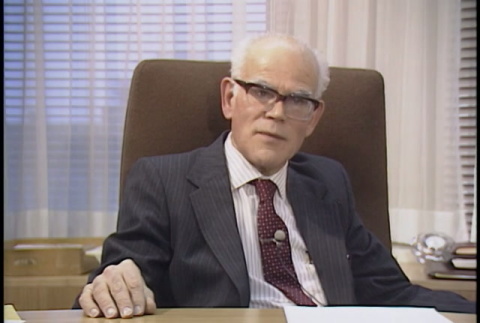
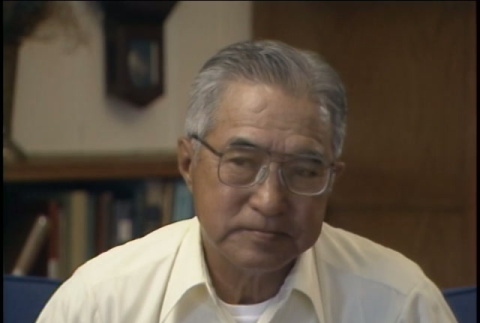
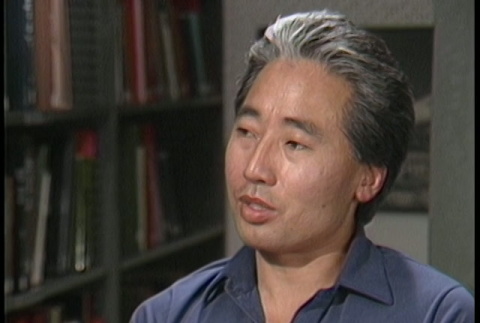
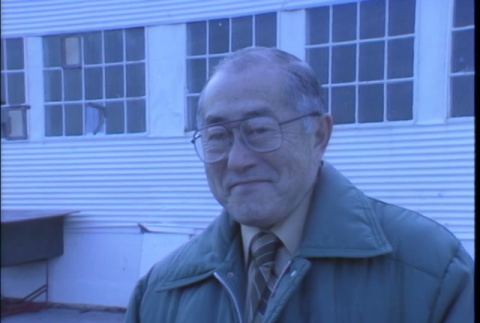
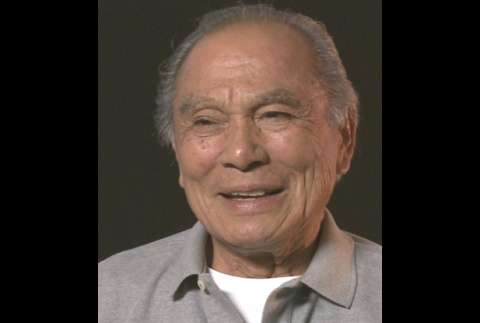
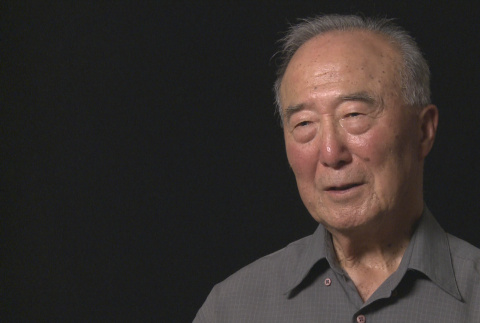
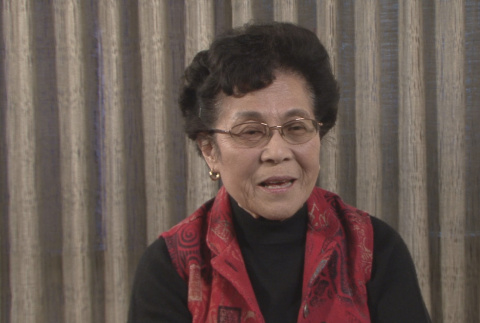
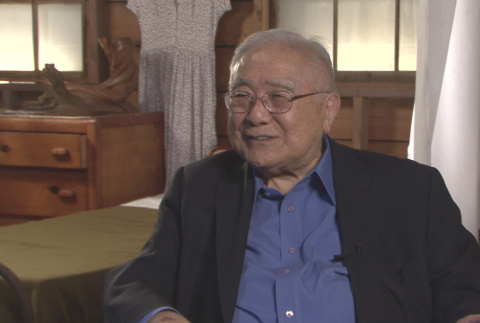
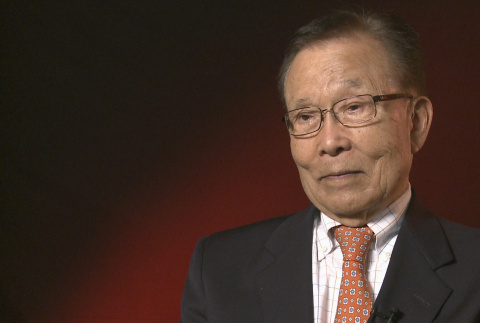
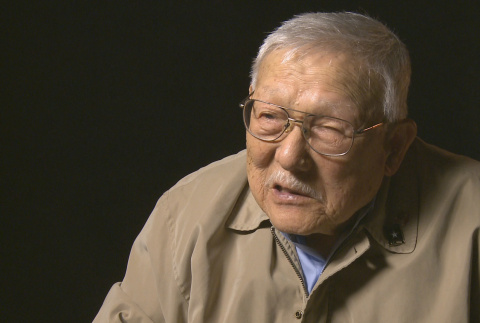
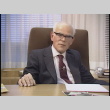
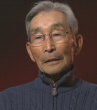
Dizer discusses his work in occupied Japan (particularly Kyushu), his first encounters with Nisei at the University of Michigan, segregation between Nisei and Caucasian soldiers, and the differences between Nisei and Japanese nationals. Loni Ding can be heard asking questions behind the camera. Original title: 194, II JA #11, Bill Dizer, Fri. Jan. 31. Interview continues …
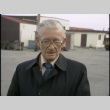
Nakamura discusses moving to Japan in 1955, growing up in Arroyo Grande, CA, evacuation, his time at Tulare and Gila River, volunteering for the military from camp, and camp attitudes toward volunteering. Loni Ding can be heard asking questions behind the camera. Original title: II JA #13, George Nakamura, Fri. Jan. 31. Interview continues at ddr.densho.org/ddr-densho-1007-1680/
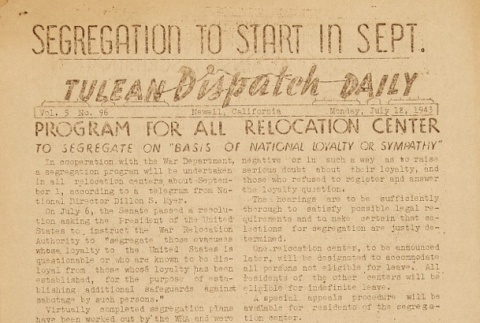
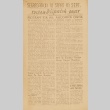
Selected article titles: "Program For All Relocation Center: To Segregate on 'Basis of National Loyalty Or Sympathy'" (p. 1), "Japan Sends Exchange List; To Post Names" (p. 1), "CIO to Contact Former Nisei Union Member" (p. 1), "Civil Exams Are Given" (p. 1), "A Story Worth Telling: Truck Driver Wins Fight Against Discrimination" (p. 2), "Sakoda …
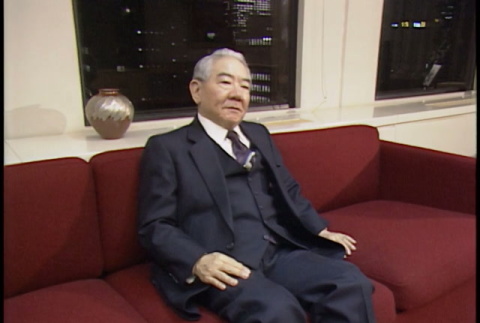
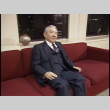
Burden and Kihara discuss Burden's childhood in Japan, his service in Southeast Asia with the 37th Division, leading the first Nisei soldiers into battle at Guadalcanal, the early days of the Military Intelligence Service Language School, Video starts at 0:43. Original title: 138, II B/K #1, Burden/Kihara, Cressey Field, 12/18/85. Conversation continues at ddr.densho.org/ddr-densho-1007-1654/
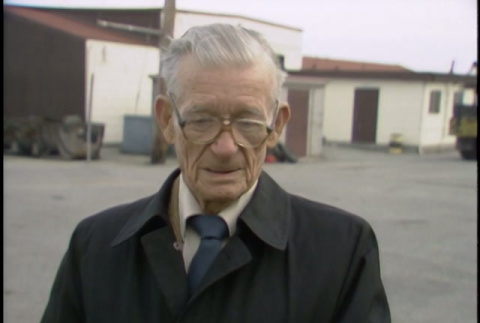
Tokuno discusses his work in the land reform program in occupied Japan, his lifelong interest in Japanese agriculture, his relationship with Mr. Matsumoto (a high-ranking Japanese official working in agriculture), California's water distribution system, and what the US could learn from Japanese agriculture. Loni Ding can be heard asking questions behind the camera. Original title: II …
Gary discusses the decision the DB Boys made to refuse to serve, the decision to intern the Japanese American population, the importance of the Kibei to the DB Boys, his experience in Japan and his connection to his heritage, and his father's court martial. Loni Ding can be heard asking questions behind the camera. Original title: …
Burden and Kihara discuss their service in the Pacific theater, Kihara's time in Japan after college, Kihara's time teaching at the Military Language Service Language School, and Kihara's father's thoughts on his joining the military. Original title: 139, II B/K #2, Burden/Kihara, Cressey Field, 12/15/85, needs color correction. Conversation continues at ddr.densho.org/ddr-densho-1007-1785/
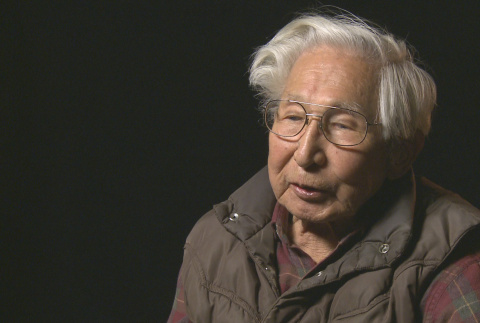
Nisei male. Born February 13, 1929, in Seattle, Washington. Grew up in Hollywood, California, and was living there when Japan bombed Pearl Harbor in 1941. Removed to the Manzanar concentration camp, California. Parents signed "no-no" on the so-called "loyalty questionnaire" and the family was transferred to the Tule Lake concentration camp, California, then designated as a …
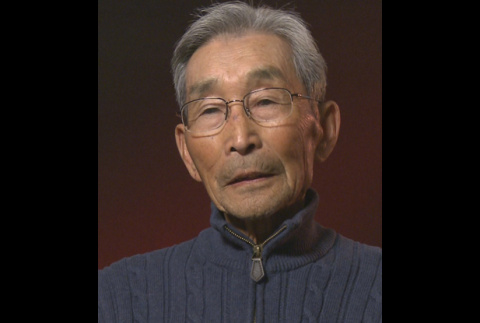
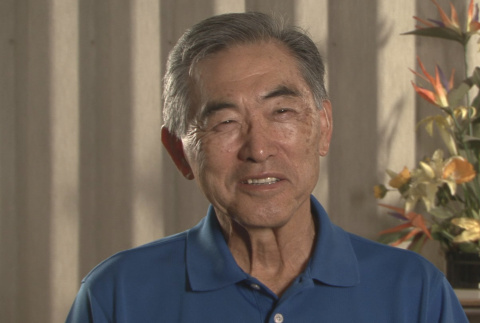
Nisei male. Born June 16, 1927, in Hood River, Oregon. Grew up in Hood River, where parents ran a farm. At the age of thirteen, went to Japan with family for a vacation and ended up staying there. Attended school in Japan and then was trained in the Japanese air force as a kamikaze pilot. Instead …
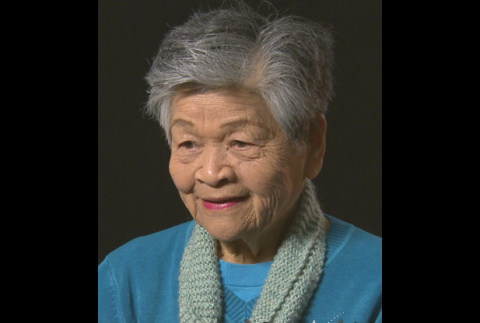
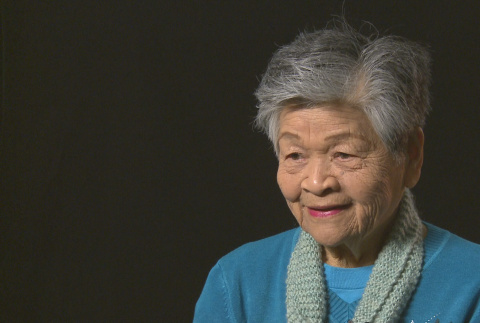
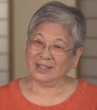
Issei female. Born November 28, 1932, in Okinawa, Japan. Grew up in Japan where parents ran a farm. During World War II, when the Allied forces landed in Okinawa, fled home village with a large group and hid in the jungle. After the war, returned home, married, and eventually moved to Hawaii.
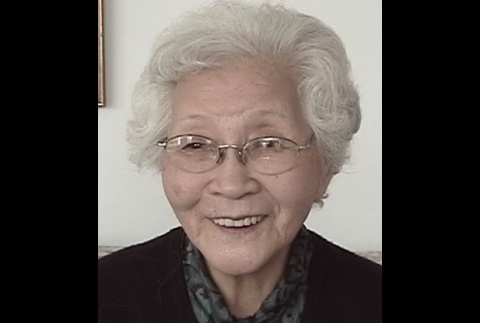
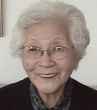
Issei female. Born March 27, 1912, in Binmanji, Japan. Grew up and married in Japan, before immigrating with husband to Canada in 1931, eventually settling in Saskatoon, Saskatchewan. Raised family in Saskatoon, working in fabric store established by husband. City street named in honor of the Wakabayashi family's contributions to the city over the years.
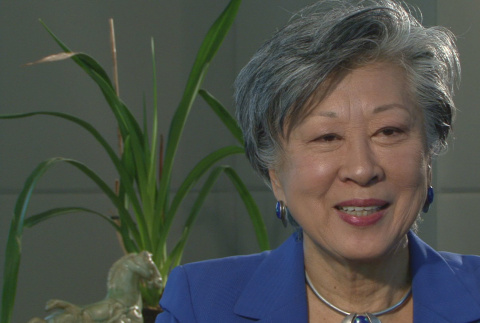
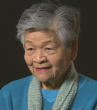
Nisei female. Born March 30, 1928, in San Jose, California. Prior to World War II, sent by father to live in Japan with relatives. Remained in Japan during the war, attending school and working in an airplane parts factory to support the Japanese war effort. Eventually returned to the United States and San Jose.
This material is based upon work assisted by a grant from the Department of the Interior, National Park Service. Any opinions, finding, and conclusions or recommendations expressed in this material are those of the author(s) and do not necessarily reflect the views of the Department of the Interior.
This material is based upon work assisted by a grant from the Department of the Interior, National Park Service. Any opinions, finding, and conclusions or recommendations expressed in this material are those of the author(s) and do not necessarily reflect the views of the Department of the Interior.
Staying with family friends while father returns to Japan
This material is based upon work assisted by a grant from the Department of the Interior, National Park Service. Any opinions, finding, and conclusions or recommendations expressed in this material are those of the author(s) and do not necessarily reflect the views of the Department of the …
This material is based upon work assisted by a grant from the Department of the Interior, National Park Service. Any opinions, finding, and conclusions or recommendations expressed in this material are those of the author(s) and do not necessarily reflect the views of the Department of the Interior.
This material is based upon work assisted by a grant from the Department of the Interior, National Park Service. Any opinions, finding, and conclusions or recommendations expressed in this material are those of the author(s) and do not necessarily reflect the views of the Department of the …
This material is based upon work assisted by a grant from the Department of the Interior, National Park Service. Any opinions, finding, and conclusions or recommendations expressed in this material are those of the author(s) and do not necessarily reflect the views of the Department of the Interior.
This material is based upon work assisted by a grant from the Department of the Interior, National Park Service. Any opinions, finding, and conclusions or recommendations expressed in this material are those of the author(s) and do not necessarily reflect the views of the Department of the Interior.
This material is based upon work assisted by a grant from the Department of the Interior, National Park Service. Any opinions, finding, and conclusions or recommendations expressed in this material are those of the author(s) and do not necessarily reflect the views of the Department of the Interior.
This material is based upon work assisted by a grant from the Department of the Interior, National Park Service. Any opinions, finding, and conclusions or recommendations expressed in this material are those of the author(s) and do not necessarily reflect the views of the Department of the Interior.
This material is based upon work assisted by a grant from the Department of the Interior, National Park Service. Any opinions, finding, and conclusions or recommendations expressed in this material are those of the author(s) and do not necessarily reflect the views of the Department of the Interior.
This material is based upon work assisted by a grant from the Department of the Interior, National Park Service. Any opinions, finding, and conclusions or recommendations expressed in this material are those of the author(s) and do not necessarily reflect the views of the Department of the Interior.
This material is based upon work assisted by a grant from the Department of the Interior, National Park Service. Any opinions, finding, and conclusions or recommendations expressed in this material are those of the author(s) and do not necessarily reflect the views of the Department of the Interior.
This material is based upon work assisted by a grant from the Department of the Interior, National Park Service. Any opinions, finding, and conclusions or recommendations expressed in this material are those of the author(s) and do not necessarily reflect the views of the Department of the Interior.