
555 items


555 items

av
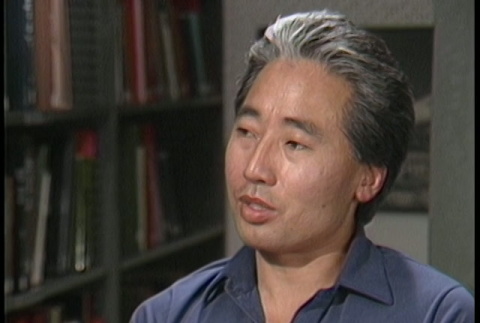
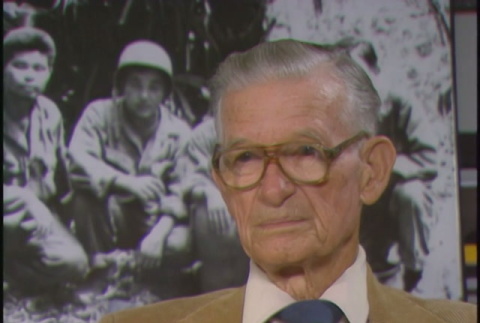
Oral history of George Wakiji (ddr-csujad-28-2)
Oral history Interview of George Wakiji. See this object in the California State Universities Japanese American Digitization project site: csuci_vcc-jic_0003
av
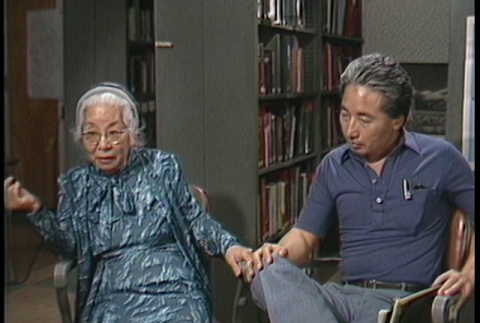
Chizu Kawakami oral history interview (ddr-csujad-31-18)
Oral history of Chizu Kawakami, a resident of San Fernando Valley, was recorded as part of Asian American Studies 390 course work at California State University, Northridge. See this object in the California State Universities Japanese American Digitization project site: JSFVOH_01-07
av
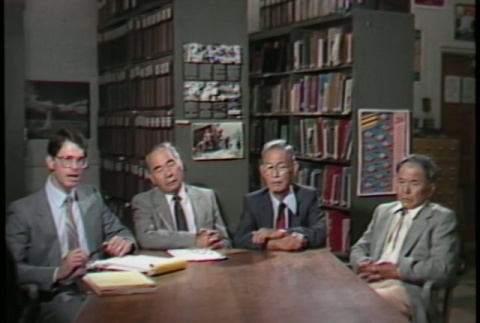
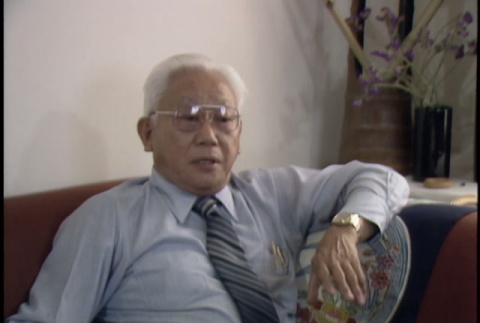
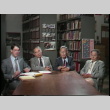
Hollywood Judo Dojo footage, part 3 of 3; interview with Paul Minerich, Tim Nomiyama, Masao Kataoka, and Kenjiro Hayakawa, part 1 of 8 (ddr-densho-1007-1798)
From start of tape until 3:00, footage of Frank Emi and Gary (last name unknown) sparring at the Hollywood Judo Dojo. Interview with (from left to right) Paul Minerich, Tim Nomiyama, Masao Kataoka and Kenjiro Hayakawa starts at 3:08. Nomiyama, Kataoka and Hayakawa were part of the "DB Boys", Nisei soldiers who were court-martialed for disobeying …
av
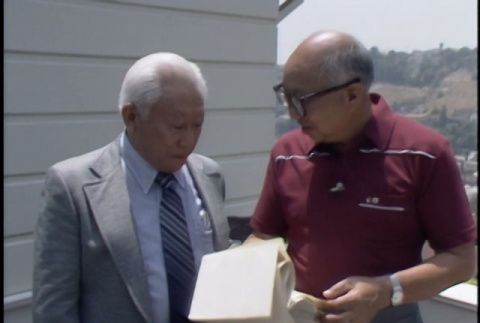
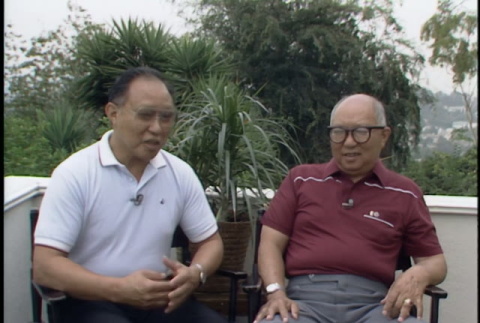
Harry Akune and Jim Ariyasu on balcony (ddr-densho-1007-1595)
Harry Akune and Jim Ariyasu talking to each other about their service. Video starts at 0:26. Original title: 81, II LA #22, 7-24-85, Bakery meeting, Harry Akune & Jim Ariyasu
av
Interview with Jimmie Matsumura, part 4 of 4; interview with Clarence Matsumura, part 1 of 5 (ddr-densho-1007-1608)
Jimmie Matsumura discusses his time teaching Japanese at the Pentagon and his work as a prosecutor for the Far East military tribunal. His interview ends at 17:23, at which time an interview with Clarence Matsumura begins. Clarence discusses growing up in Wyoming and his father's work as a railroad foreman. Video starts at 0:25. Loni Ding …
av
Conversation between John Burden and Shig Kihara, part 1 of 3 (ddr-densho-1007-1653)
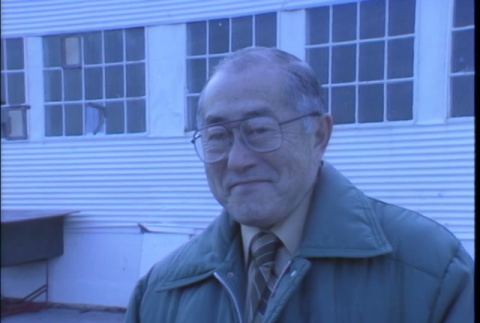
Burden and Kihara discuss Burden's childhood in Japan, his service in Southeast Asia with the 37th Division, leading the first Nisei soldiers into battle at Guadalcanal, the early days of the Military Intelligence Service Language School, Video starts at 0:43. Original title: 138, II B/K #1, Burden/Kihara, Cressey Field, 12/18/85. Conversation continues at ddr.densho.org/ddr-densho-1007-1654/
av
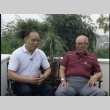
Interview with Harry and Ken Akune, part 2 of 6 (ddr-densho-1007-1590)
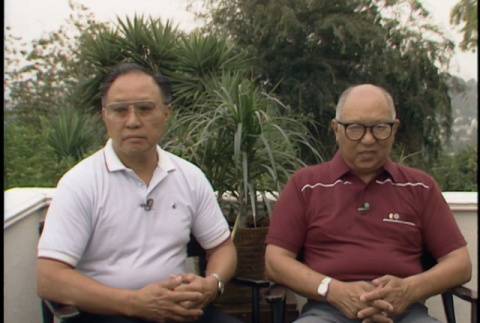
Ken is on the left, Harry on the right. The two discuss growing up as Nisei, anti-Japanese sentiment in the US, their relationship with their mother, the difference between Japanese nationals and Japanese Americans, Pearl Harbor, their time in internment at Merced and Amache, and their decision to volunteer for the military. Video starts at 0:28. …
av
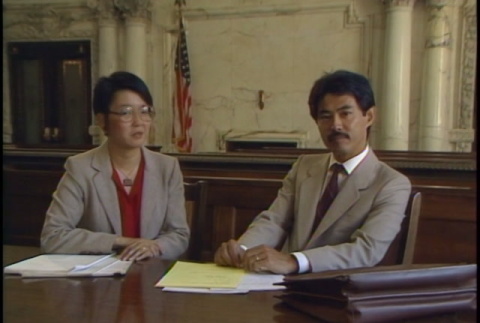
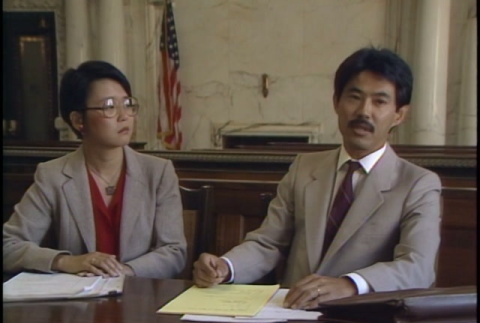
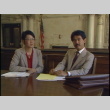
San Francisco Courthouse footage, part 7 of 10; interview with Dale Minami and Karen Kai, part 3 of 5 (ddr-densho-1007-1628)
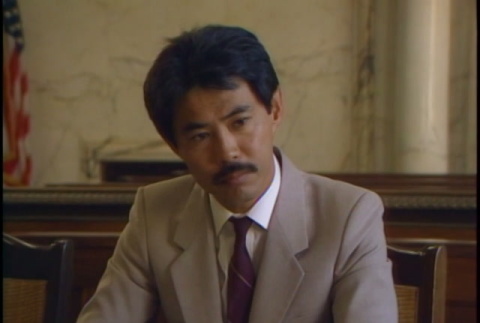
Sansei lawyers Karen Kai and Dale Minami discuss the stakes of the Korematsu case, why redress legislation took so long, the difficulty camp survivors had talking about their experiences, and the role of Sansei in the fight for redress. Video starts at 0:43. Loni Ding can be heard asking questions behind the camera. Original title: 107, …
av
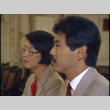
San Francisco Courthouse footage, part 9 of 10; interview with Dale Minami and Karen Kai, part 5 of 5 (ddr-densho-1007-1630)
Sansei lawyers Karen Kai and Dale Minami discuss whether they think justice was done in the Korematsu case and what justice would look like. Video starts at 1:01. Loni Ding can be heard asking questions behind the camera. Interview ends at 9:53. Rest of tape is footage of Karen and Dale listening to Loni read legislation …
av
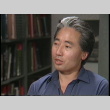
Interview with Gary and Grace Itano, part 6 of 6 (ddr-densho-1007-1748)
Gary discusses the decision the DB Boys made to refuse to serve, the decision to intern the Japanese American population, the importance of the Kibei to the DB Boys, his experience in Japan and his connection to his heritage, and his father's court martial. Loni Ding can be heard asking questions behind the camera. Original title: …
av
San Francisco Courthouse footage, part 8 of 10 ; interview with Dale Minami and Karen Kai, part 4 of 5 (ddr-densho-1007-1629)
Sansei lawyers Karen Kai and Dale Minami discuss the importance of redress, the reactions to winning the Korematsu case, and their thoughts on their work. Video starts at 0:43. Loni Ding can be heard asking questions behind the camera. Original title: 108, II SF CT #8, 8-9-85, SF Court. Interview continues at ddr.densho.org/ddr-densho-1007-1630/

av
Conversation between John Burden and Shig Kihara, part 2 of 3 (ddr-densho-1007-1654)
Burden and Kihara discuss their service in the Pacific theater, Kihara's time in Japan after college, Kihara's time teaching at the Military Language Service Language School, and Kihara's father's thoughts on his joining the military. Original title: 139, II B/K #2, Burden/Kihara, Cressey Field, 12/15/85, needs color correction. Conversation continues at ddr.densho.org/ddr-densho-1007-1785/
av
Interview with Harry and Ken Akune, part 1 of 6 (ddr-densho-1007-1589)
Ken is on the left, Harry on the right. The two discuss growing up together in Turlock, CA, the years they spent in Japan as children, their father's relationship with the Caucasian community in Turlock, and the racial discrimination they faced in Turlock. Video starts at 0:28. Loni Ding can be heard asking questions behind the …
av
Interview with Gary and Grace Itano, part 2 of 6 (ddr-densho-1007-1806)
Grace discusses working with her husband-to-be before the war, her husband asking for a divorce (knowing that he would be imprisoned for refusing to serve), her husband Henry's reasons for refusing to serve, her husband's family preventing him from going to college, trying and failing to live outside of camp in Arizona, evacuation and closing her …
av
San Francisco Courthouse footage, part 5 of 10; interview with Dale Minami and Karen Kai, part 1 of 5 (ddr-densho-1007-1626)
B-roll and footage of a monologue by Sansei lawyer Dale Minami about the history of the Superior Court of San Francisco given in a courthouse room. Loni asks additional interview questions starting at 12:45. Original title: 105, II SF CT #5, 8-9-85, SF Court. Interview continues at ddr.densho.org/ddr-densho-1007-1627/
av
Interview with Gary and Grace Itano, part 5 of 6 (ddr-densho-1007-1747)
Gary discusses the legal efforts to reverse the charges of the DB Boys, his role in the hearings, and the reasons it took so long for the DB Boys to pursue legal action. Grace discusses why she buried her husband in Japan. Video starts at 0:51. Loni Ding can be heard asking questions behind the camera. …
av
Interview with Chris and Ada Ishii (ddr-densho-1007-1569)
The Ishiis discuss the difficulty of getting married and moving to the US (Ada is from China), Chris' time in camp, Ada meeting Chris' mother, and the first time the two met. Video starts at 0:52. Loni Ding can be heard asking questions behind the camera. Original title: 66, II NY #53, Chris & Ada Verite …

av
Chris and Ada Ishii at home (ddr-densho-1007-1568)
First part likely intended as b-roll; Loni Ding can be heard directing in background, but the conversation between Chris and Ada is not scripted. Interview starts at 10:45. Ada discusses how she and Chris met in Chongqing, her life before then, and how the two started dating. Original title: 65, II NY #52, 6-85, Chris & …
av
Interview with Harry and Ken Akune, part 3 of 6 (ddr-densho-1007-1591)
Ken Akune discusses his time at Amache, his decision to join the military from camp, his time at Camp Savage, his basic training with the 442nd, community objection to his volunteering, and his time in the China-Burma-India theater. Video starts at 0:27. Loni Ding can be heard asking questions behind the camera. Original title: 77, II …
av
Interview with Gary and Grace Itano, part 3 of 6 (ddr-densho-1007-1807)
Grace discusses moving to Orange County after her husband's death, her impressions of the DB Boys and her relationship with them, Gary discusses learning about the DB Boys, his father's plans for his children, how going to Japan helped broaden his worldview, and his father's philosophy. Interview starts at 0:55. Loni Ding can be heard asking …
av
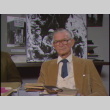
Interview with John Burden and Shig Kihara, part 2 of 4 (ddr-densho-1007-1789)
Burden discusses an operation attempting to get Japanese soldiers in a cave to surrender, translating captured documents, how his superiors reacted to translated information, serving in Fiji, the attitudes of Nisei whose parents were interned, his time serving with a soldier named Miyazaki, and some close calls he and his soldiers had. Loni Ding can be …
av
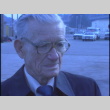
Conversation between John Burden and Shig Kihara, part 3 of 3 (ddr-densho-1007-1785)
Conversation continued from ddr.densho.org/ddr-densho-1007-1654/. Burden and Kihara discuss Burden and his wife predicting that Japan would fight the US before Pearl Harbor, the story of Admiral Chester Nimitz, and the founding of the Military Intelligence Service Language School. Around 6 minutes, tape shifts to b-roll shots of the two walking around and their surroundings. Video …
av
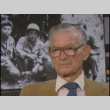
Interview with John Burden and Shig Kihara, part 1 of 4 (ddr-densho-1007-1788)
Burden discusses the diaries collected from Japanese soldiers, translating the souvenirs American soldiers collected, Nisei soldiers attempting to get Japanese citizens and soldiers to surrender, and speaking to Japanese prisoners of war. Kihara discusses the efforts of Nisei on Saipan/Iwo Jima/Okinawa to rescue Japanese citizens and soldiers. Loni Ding can be heard asking questions behind the …
av
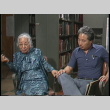
Interview with Gary and Grace Itano, part 4 of 6 (ddr-densho-1007-1746)
Interview continued from ddr.densho.org/ddr-densho-1007-1807/. Gary Itano and his mother, Grace, discuss Gary's childhood. Gary talks about initially wanting to join the army, learning more about politics, getting a degree in economics from UCLA, shifting to the computer industry, and his involvement with the DB Boys and their legal efforts. Video starts at 0:52. Loni Ding …
av
Interview with Jim Ariyasu, part 5 of 5; interview with Harry Akune, part 1 of 4 (ddr-densho-1007-1600)
Ariyasu discusses saving a peer from a court martial, his real estate work, and racial solidarity. At 15:10, interview with Ariyasu ends and interview with Harry Akune begins. Akune discusses his time at Merced and Amache, volunteering for the army from camp, and his community's reaction to his decision to volunteer. Loni Ding can be heard …