
555 items

555 items
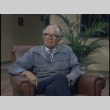
av
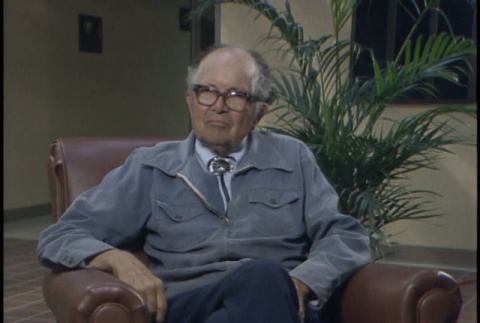
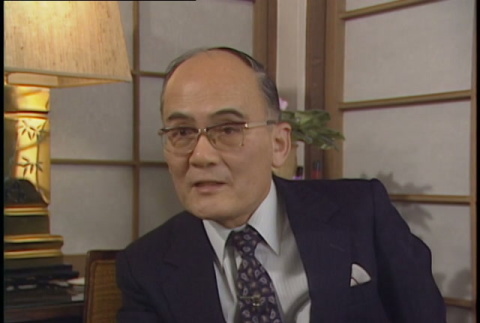
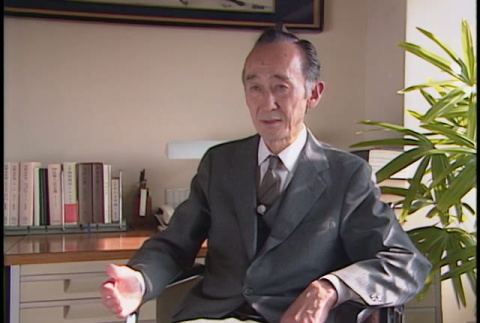
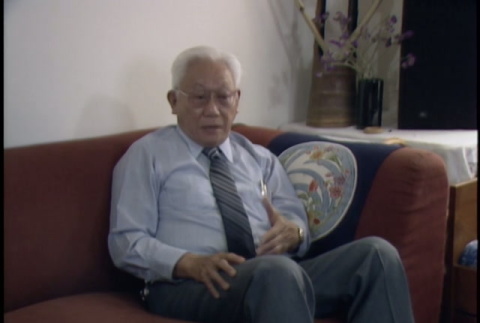
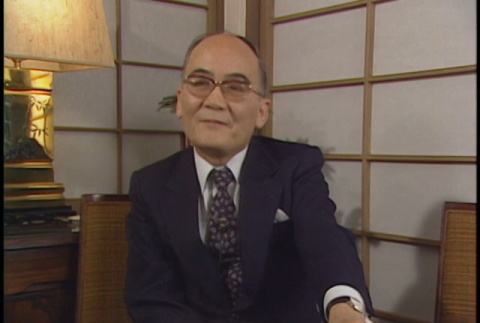
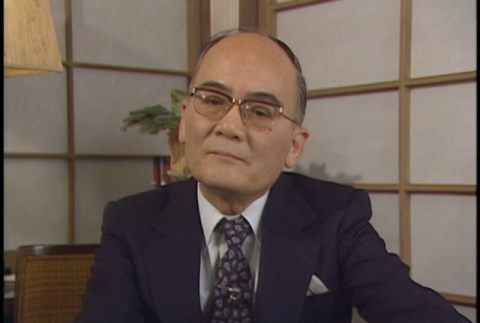
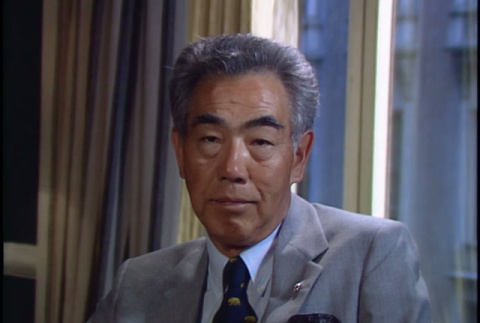
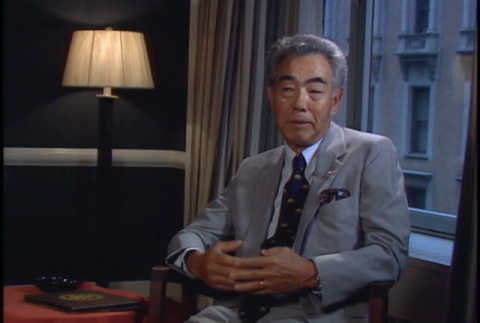
Interview with Monroe Sweetland, part 1 of 3 (ddr-densho-1007-1663)
Sweetland discusses meeting and befriending Frank Hachiya during service, Hachiya's death at Leyte, finding Frank's father after the war, arranging for Hachiya's burial in Hood River, and Hachiya's funeral. Video starts at 0:40. Loni Ding can be heard asking questions behind the camera. Original title: 147, II MON #15, 9-9-85, Monroe interview, how met Frank, time …
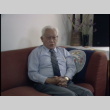
av
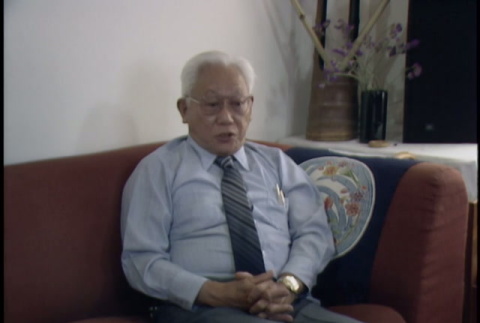
Interview with Jim Ariyasu, part 2 of 5 (ddr-densho-1007-1597)
Ariyasu discusses his deployment, having to sell a camera of his, the secrecy required of him while serving, the censorship of letters he sent back home, and military language school. Video starts at 0:23. Loni Ding can be heard asking questions behind the camera. Original title: II LA #24, 7-24-85, Jim Ariyasu Interview III. Interview continues …
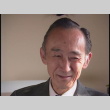
av
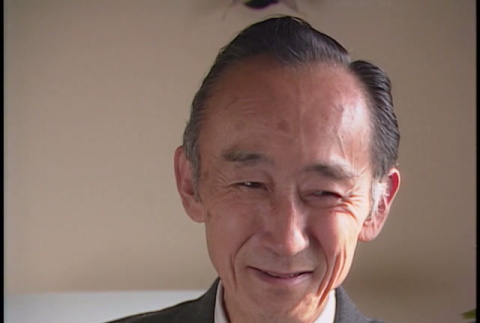
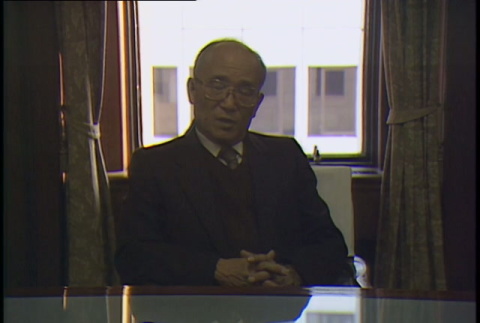
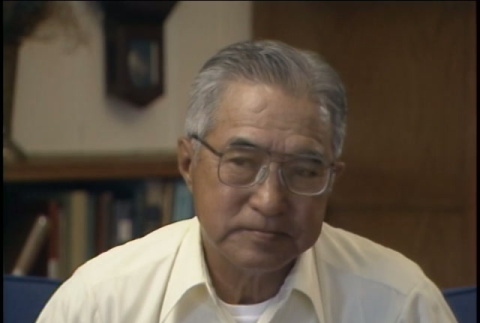
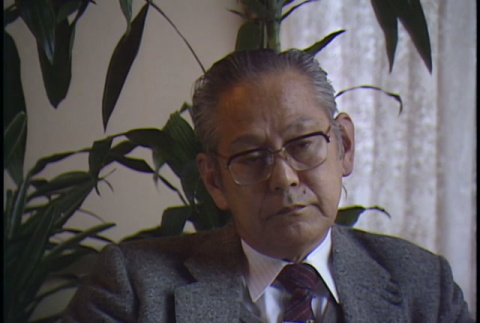
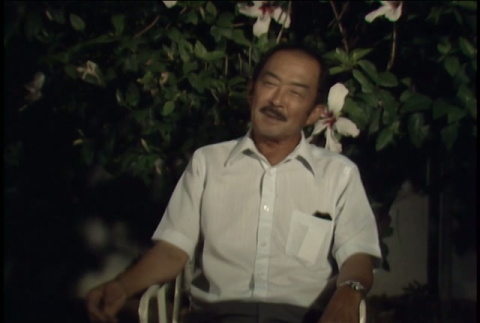
Interview with Sen Nishiyama, part 5 of 5 (ddr-densho-1007-1675)
Nishiyama discusses the Sansei and the Nisei. Loni Ding can be heard asking questions behind the camera. Original title: 192, II JA #9, Sen Nishiyama, Fri. Jan. 31
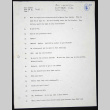
doc
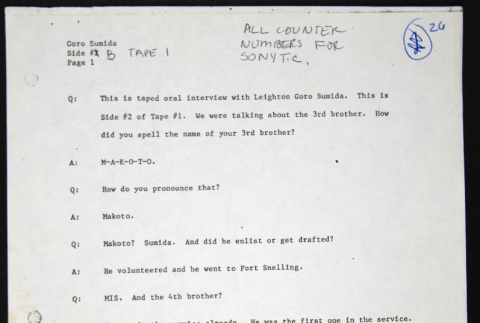
Goro Sumida oral interview transcript (ddr-densho-1007-1044)
Tape 1, side B. Conducted by Eric Saul for the Presidio Army Museum. Sumida served in the 100th Battalion in WWII.
av
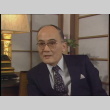
Interview with Kiyofumi Kojima, part 4 of 4 (ddr-densho-1007-1696)
Interview conducted in Japanese, ends at 11:05. Rest of tape is Kojima reading a poem he wrote while a prisoner of war in Hawaii. Original title: 211, II JA #35, Kiyofumi Kojima, Feb. 1, 1986
av
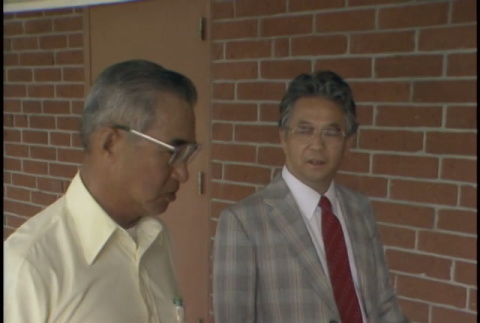
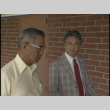
Shiro Tokuno & Mr. Matsumoto walking and talking (ddr-densho-1007-1649)
Footage of two men walking and talking in Japanese. Tokuno is on the left, in yellow; Mr. Matsumoto is not named. Loni Ding and her crew can be heard behind the camera. Original title: 134, II SAC #5, 9-7-85, Shiro & Mr. Matsumoto on walk
av
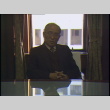
B-roll and interview with Ray Aka, part 1 of 2 (ddr-densho-1007-1725)
Footage of Ray Aka walking around the Dai Ichi building in Tokyo, the former headquarters of the US military during occupation. Aka discusses the work he did in the building, General MacArthur's occupation policies, and the impact of the occupation. Loni Ding can be heard asking questions behind the camera. Original title: 232, II JA #64, …
av
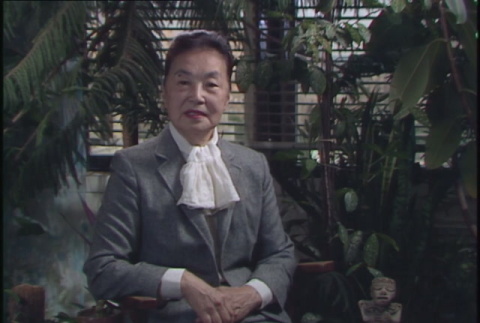
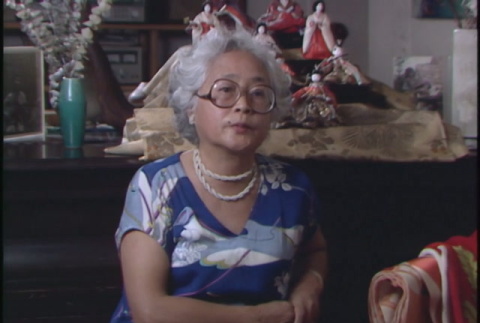
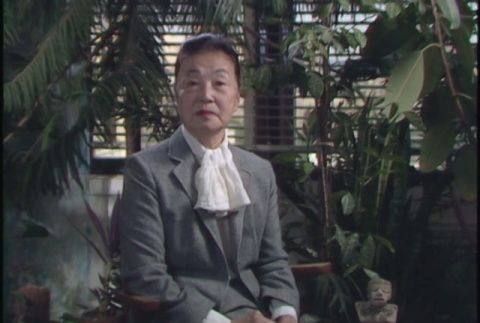
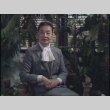
Interview with Hideko Seo, part 3 of 4 (ddr-densho-1007-1537)
Hideko Seo talks about her life during the war, her brother's feelings about service, and seeing her brother in New York before he was sent overseas. Video starts at 0:52. Loni Ding can be heard asking questions behind the camera. Original title: 41, II NY #21, 6-85, Hideko Seo. Interview continues at ddr.densho.org/ddr-densho-1007-1538/
av
Interview with Sen Nishiyama, part 4 of 5 (ddr-densho-1007-1674)
Nishiyama discusses the progress of civil rights in the US and the resulting impacts on Nisei and Japanese nationals, his experiences with occupation soldiers, the war crimes committed by Japanese soldiers, and the attitudes of Sansei towards Japan. Loni Ding can be heard asking questions behind the camera. Original title: II JA #8, Sen Nishiyama, Fri. …
av
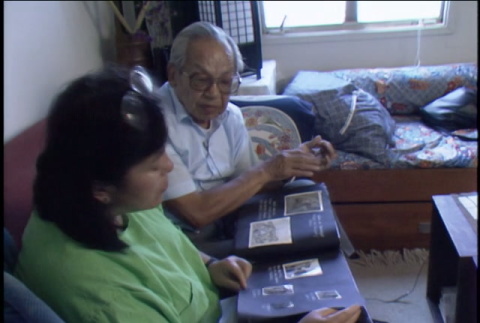
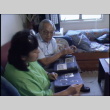
Interview with Sho Nomura, part 5 of 6 (ddr-densho-1007-1614)
Nomura and Loni Ding look through a photo album of his, with several photos from his service in China. Nomura recounts several stories relating to the documents and photos in the album. Video starts at 0:22. Original title: II LA #44, 7-25-85, Sho Nomura Interview V. Interview continues at ddr.densho.org/ddr-densho-1007-1615/

av
Chaplain Hiro Higuchi interviewed by Eric Saul, part 2 of 2 (ddr-densho-1007-1764)
Higuchi discusses fighting the German army, the religious beliefs of the 100th and 442nd, preventing marriages between Japanese nationals and American soldiers, why he decided to become a chaplain, and his interpretation of Christ and God. This interview was not conducted specifically for Loni Ding's work, rather for a book the Presidio was putting together. Original …
av
Interview with Barry Saiki, part 2 of 5 (ddr-densho-1007-1703)
Saiki discusses his mother's reaction to his father's arrest and imprisonment, his time at Stockton Assembly Center, the attitudes of incarcerees at Stockton, the difficulty Nisei faced trying to find jobs at the time, and being relocated to the Rohwer camp. Loni Ding can be heard asking questions behind the camera. Original title: II JA #42, …
av
Interview with John Fujii, part 1 of 2 (ddr-densho-1007-1691)
Fujii, who was born and lives in Japan, discusses growing up in Livingston, CA, realizing he was Japanese as a child, going to college at Pomona, segregation in the schools he attended as a child, and his family's internment during the war. Loni Ding can be heard asking questions in the background. Original title: 202, II …
av
Interview with Jim Ariyasu, part 3 of 5 (ddr-densho-1007-1598)
Ariyasu discusses military language school, his medical issues after the service, his life before the military, an argument he had with his peers over whether their section leader was qualified, and his service in New Caledonia. Video starts at 0:24. Loni Ding can be heard asking questions behind the camera. Original title: 84, II LA #25, …
av
Interview with Shiro Tokuno, part 4 of 4 (ddr-densho-1007-1784)
Tokuno discusses his work in the land reform program in occupied Japan, his lifelong interest in Japanese agriculture, his relationship with Mr. Matsumoto (a high-ranking Japanese official working in agriculture), California's water distribution system, and what the US could learn from Japanese agriculture. Loni Ding can be heard asking questions behind the camera. Original title: II …
av
Interview with Frank Emi, part 2 of 6 (ddr-densho-1007-1793)
Emi discusses being imprisoned in Leavenworth, the sentences of the members of the Fair Play Committee, the Issei who financially assisted to the Committee, the Committee's legal battles, how people often agree with draft resistance with hindsight, the various opinions of Nisei veterans on draft resistance, and the sort of student he was in high school. …
av
Interview with Kazuko Iijima, part 4 of 4 (ddr-densho-1007-1534)
Iijima discusses joining her husband at Camp Shelby in Mississippi, witnessing discrimination against others, the Nisei experience in camp, and the importance of talking about the past. Video starts at 0:53. Loni Ding can be heard asking questions behind the camera. Original title: 39, II NY #18, 6-85, Kazuko Iijima
av
Interview with Kiyofumi Kojima, part 2 of 4 (ddr-densho-1007-1694)
Interview conducted in Japanese. Original title: 209, II JA #33, Kiyofumi Kojima, Feb. 1, 1986, 15B. Interview continues at ddr.densho.org/ddr-densho-1007-1695/
av
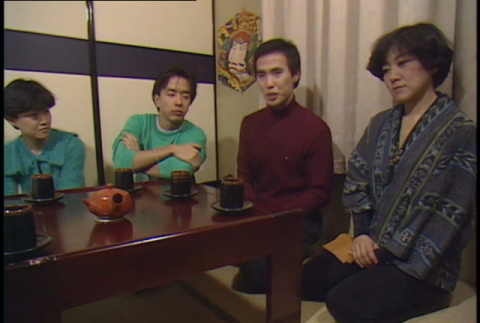
Interview with Akiko, Brian Yamakoshi, Kenny and Chizuko, part 3 of 4 (ddr-densho-1007-1719)
Akiko, a Japanese national, discusses her time in the US, meeting a Nisei couple from Watsonville, CA, being a minority in the US, the differences between Japanese Americans and Japanese nationals, and racial discrimination in the US. Original title: 226, II JA #58, Brian Yamakoshi, Fri. Feb. 7. Interview continues at ddr.densho.org/ddr-densho-1007-1720/
av
Interview with Kiyofumi Kojima, part 1 of 4 (ddr-densho-1007-1693)
Kojima served as a signal caller in the Japanese Imperial Navy on the battleship Yamato. Interview conducted in Japanese. Original title: 208, II JA #32, Kiyofumi Kojima, Feb. 1, 1986, 15A. Interview continues at ddr.densho.org/ddr-densho-1007-1694/
av
Interview with Barry Saiki, part 5 of 5 (ddr-densho-1007-1706)
Saiki discusses what he wants Sansei and Americans in general to know about internment and the importance of being "bicultural". Loni Ding can be heard asking questions behind the camera. Original title: 219, II JA #45, Barry Saiki, Sun. Feb. 2
av
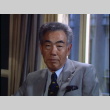
Interview with Yukio Kawamoto, part 6 of 8 (ddr-densho-1007-1550)
Kawamoto discusses post-war occupation of Japan, work with the military tribunal & ATIS, working for the US government at home, and the decision to volunteer. Video starts at 0:50. Loni Ding can be heard asking questions behind the camera. Original title: II NY #34, 6-85, Kawamoto.. Interview continues at ddr.densho.org/ddr-densho-1007-1551/
av
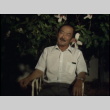
Interview with Nobuo Yamashita, part 5 of 5 (ddr-densho-1007-1780)
Nobuo briefly discusses his encounter with a geisha. Interview ends at 2:25; rest of tape is b-roll of a list of soldiers in Company B and photos/immigration documents presumably from the Yamashita family. Original title: II LA #58, 7-26-85, Yamashita V
av
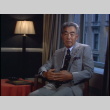
Interview with Yukio Kawamoto, part 1 of 8 (ddr-densho-1007-1545)
Kawamoto discusses his childhood in Berkeley, his high school colleauges, Pearl Harbor, being drafted, and trying to get a job pre-war. Video starts at 1:01. Loni Ding can be heard asking questions behind the camera. Original title: 47, II NY #29, 6-85, Kawamoto. Interview continues at ddr.densho.org/ddr-densho-1007-1546/
av
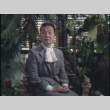
Interview with Hideko Seo, part 2 of 4 (ddr-densho-1007-1536)
Seo discusses the life and death of her brother and wartime deaths more generally. Audio starts at 0:53. Loni Ding can be heard asking questions behind the camera. Original title: 40, II NY #20, 6-85, Hideko Seo. Interview continues at ddr.densho.org/ddr-densho-1007-1537/