Description of the Japanese American Citizens League
This interview was conducted by sisters Emiko and Chizuko Omori for their 1999 documentary, Rabbit in the Moon, about the Japanese American resisters of conscience in the World War II incarceration camps. As a result, the interviews in this collection are typically not life histories, instead primarily focusing …
This interview was conducted by sisters Emiko and Chizuko Omori for their 1999 documentary, Rabbit in the Moon, about the Japanese American resisters of conscience in the World War II incarceration camps. As a result, the interviews in this collection are typically not life histories, instead primarily focusing on issues surrounding the …
Memories of hearing about the bombing of Pearl Harbor: a question over citizenship
This interview was conducted by sisters Emiko and Chizuko Omori for their 1999 documentary, Rabbit in the Moon, about the Japanese American resisters of conscience in the World War II incarceration camps. As a result, the interviews in this collection are typically …
This interview was conducted by sisters Emiko and Chizuko Omori for their 1999 documentary, Rabbit in the Moon, about the Japanese American resisters of conscience in the World War II incarceration camps. As a result, the interviews in this collection are typically not life histories, instead primarily focusing on …
Thoughts on the registration period in camp; brother volunteered for military, killed in Italy at age nineteen
This interview was conducted by sisters Emiko and Chizuko Omori for their 1999 documentary, Rabbit in the Moon, about the Japanese American resisters of conscience in the World War II incarceration camps. As a result, the interviews in …
Family background; growing up in Redondo Beach, California
This interview was conducted by sisters Emiko and Chizuko Omori for their 1999 documentary, Rabbit in the Moon, about the Japanese American resisters of conscience in the World War II incarceration camps. As a result, the interviews in this collection are typically not life histories, instead primarily …
Memories of mass removal; first impressions of Parker Dam Assembly Center, Arizona
This interview was conducted by sisters Emiko and Chizuko Omori for their 1999 documentary, Rabbit in the Moon, about the Japanese American resisters of conscience in the World War II incarceration camps. As a result, the interviews in this collection are typically not …
This interview was conducted by sisters Emiko and Chizuko Omori for their 1999 documentary, Rabbit in the Moon, about the Japanese American resisters of conscience in the World War II incarceration camps. As a result, the interviews in this collection are typically not life histories, instead primarily focusing …
Recollections of Poston concentration camp, Arizona: heat, sand, and bad food
This interview was conducted by sisters Emiko and Chizuko Omori for their 1999 documentary, Rabbit in the Moon, about the Japanese American resisters of conscience in the World War II incarceration camps. As a result, the interviews in this collection are typically not life …
Description of Japanese farming communities before the war
This interview was conducted by sisters Emiko and Chizuko Omori for their 1999 documentary, Rabbit in the Moon, about the Japanese American resisters of conscience in the World War II incarceration camps. As a result, the interviews in this collection are typically not life histories, instead primarily …
This interview was conducted by sisters Emiko and Chizuko Omori for their 1999 documentary, Rabbit in the Moon, about the Japanese American resisters of conscience in the World War II incarceration camps. As a result, the interviews in this collection are typically not life histories, instead primarily focusing on …
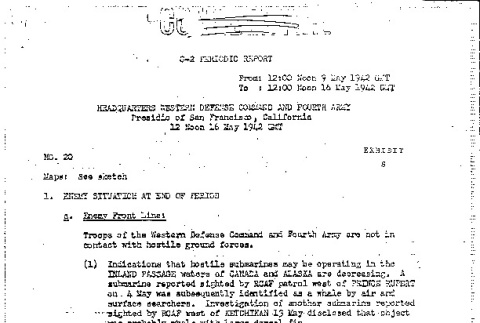
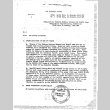
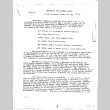
G-2 periodic report written by Col. John Weckerling. This document was Exhibit S in the coram nobis litigation. This document was available in conjunction with "Race, Rights and Reparation: Law and the Japanese American Internment" by Eric K. Yamamoto, Margaret Chon, Carol Izumi, Jerry Kang, and Frank Wu.
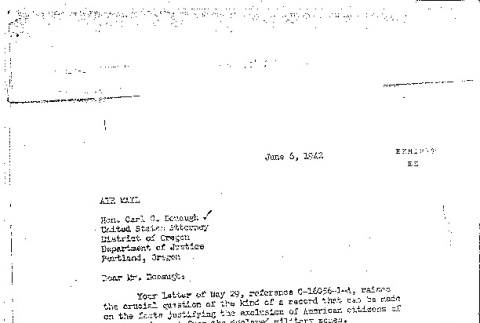
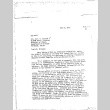
Correspondence to Carl C. Donaugh regarding the fifth column. This document was Exhibit EE in the coram nobis litigation. This document was available in conjunction with "Race, Rights and Reparation: Law and the Japanese American Internment" by Eric K. Yamamoto, Margaret Chon, Carol Izumi, Jerry Kang, and Frank Wu.
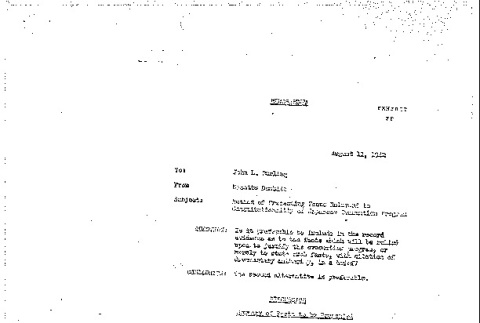
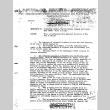
Memo regarding the sustainability of the Japanese Evacuation Program. This document was Exhibit FF in the coram nobis litigation. This document was available in conjunction with "Race, Rights and Reparation: Law and the Japanese American Internment" by Eric K. Yamamoto, Margaret Chon, Carol Izumi, Jerry Kang, and Frank Wu.
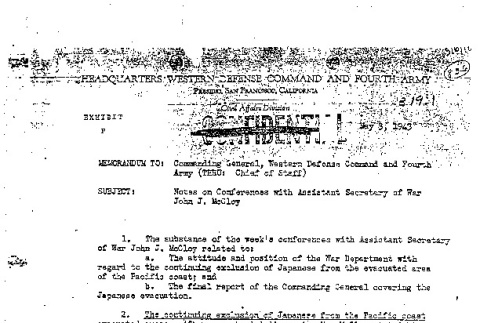
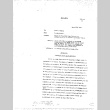
Memo regarding notes on conferences with John McCloy. This document was Exhibit F in the coram nobis litigation. This document was available in conjunction with "Race, Rights and Reparation: Law and the Japanese American Internment" by Eric K. Yamamoto, Margaret Chon, Carol Izumi, Jerry Kang, and Frank Wu.
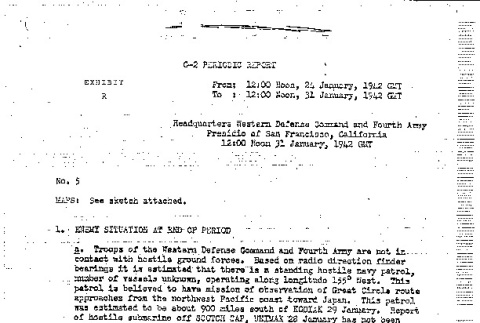
G-2 periodic report written by Col. D.A. Stroh. This document was Exhibit R in the coram nobis litigation. This document was available in conjunction with "Race, Rights and Reparation: Law and the Japanese American Internment" by Eric K. Yamamoto, Margaret Chon, Carol Izumi, Jerry Kang, and Frank Wu.
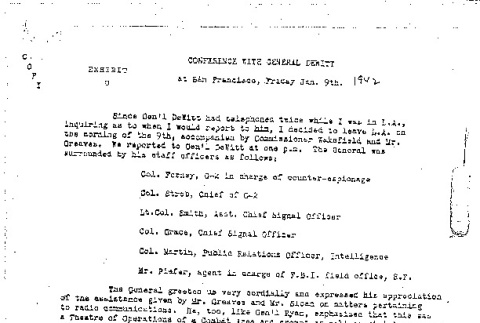
Transcript of conference with Gen. John L. DeWitt. This document was Exhibit U in the coram nobis litigation. This document was available in conjunction with "Race, Rights and Reparation: Law and the Japanese American Internment" by Eric K. Yamamoto, Margaret Chon, Carol Izumi, Jerry Kang, and Frank Wu.
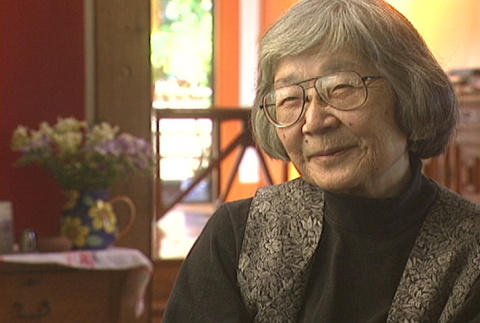
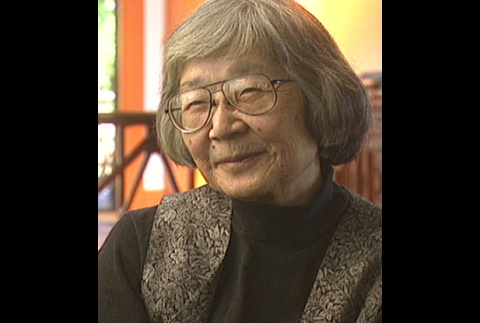
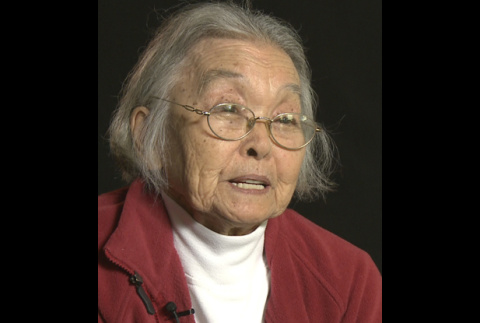
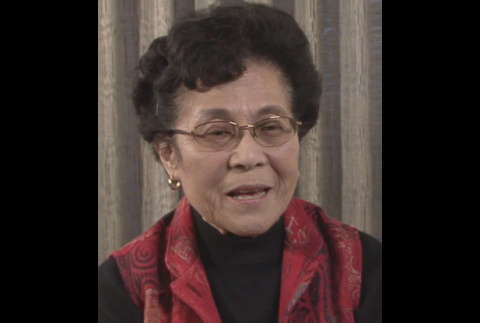
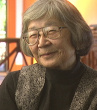
Nisei female. Born August 23, 1921, in Redondo Beach, California. Raised in California before mass removal to Parker Dam Assembly Center, Arizona, which was later converted into Poston concentration camp. An aspiring writer, worked for the camp newspaper, the Poston Chronicle, while incarcerated. After leaving camp, returned to California and worked for the Los Angeles Tribune. …
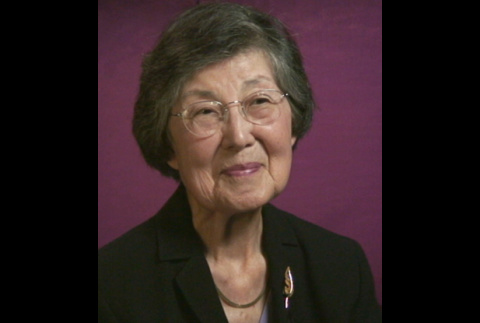
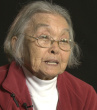
Nisei female. Born October 3, 1919, in Fresno, California. Grew up in Watsonville, California, helping on family's strawberry farm. After the bombing of Pearl Harbor, was removed to the Salinas Assembly Center and the Tule Lake concentration camp, California. After World War II, returned to Watsonville.
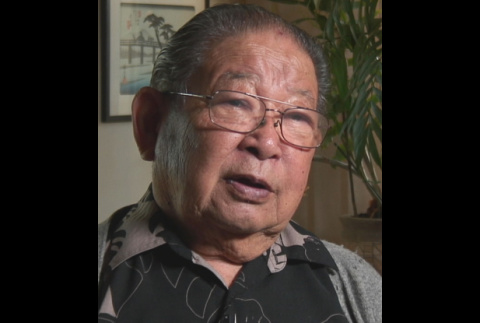
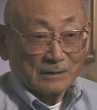
Nisei male. Born August 16, 1917. Volunteered for the military in March 1941. During the war, served with the Military Intelligence Service as head of the interrogation section in New Guinea and the Philippines as well as for the war crimes trials during the occupation of Japan.
Nisei female. Born March 29, 1920, in Sacramento, California, where father owned and operated a restaurant, and mother taught Japanese language school. During World War II, removed to the Marysville Assembly Center and Tule Lake concentration camp, California. Left camp to work in Chicago before eventually returning to Sacramento.
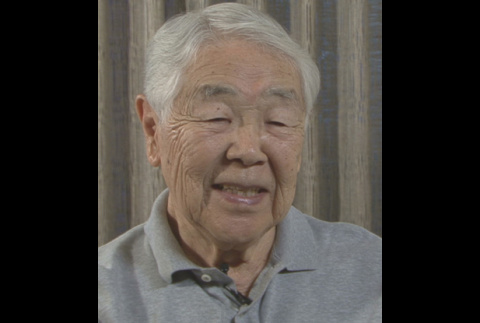
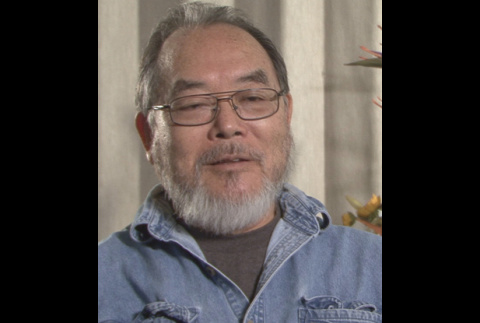
Nisei male. Born March 18, 1924, in Sanger, California. Grew up in Santa Monica, California, where parents ran a farm. During World War II, removed to the Manzanar concentration camp, California. Left camp temporarily to work at a farm labor camp in Pocatello, Idaho. After leaving camp, lived and worked in Chicago, Illinois, before eventually returning …
Nisei male. Born March 26, 1923, in Los Angeles, California. Grew up in the Boyle Heights area where father ran a pharmacy. During World War II, removed to the Manzanar concentration camp, California. After leaving camp, lived for a time in Cleveland, Ohio, before returning to Los Angeles and establishing a successful career in public health.
Nisei female. Born February 19, 1927, in Los Angeles, California. When mother passed away before the war, went to live with family friends while father went to Japan. During World War II, removed to the Santa Anita Assembly Center, California, and the Heart Mountain concentration camp, Wyoming. After leaving camp, lived for a time in Detroit, …
Nisei male. Born February 21, 1938, in Los Angeles, California. Age three when Japan bombed Pearl Harbor, and was removed with family to the Poston concentration camp, Arizona. After leaving camp, returned to Los Angeles. After World War II, served in the U.S. Air Force, and later became involved in numerous Japanese American community organizations, including …